

KwaZulu-Natal, South Africa Travel Guide
Discover KwaZulu-Natal, South Africa's Coastal Jewel, where pristine beaches, rich Zulu culture, and breathtaking wildlife await. A perfect blend of adventure and relaxation.
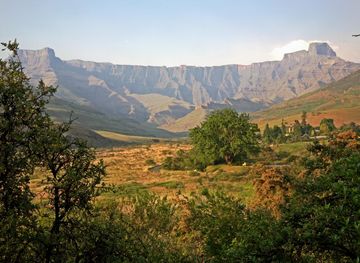
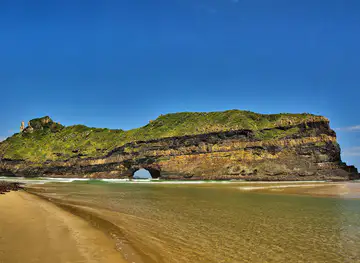
KwaZulu-Natal is a province in South Africa known for its stunning coastline, rich culture, and diverse wildlife. The region boasts warm beaches along the Indian Ocean, making it a prime spot for water sports and relaxation. From the bustling city of Durban to the tranquil Drakensberg Mountains, KwaZulu-Natal offers a mix of urban excitement and natural beauty. The province is also steeped in history and culture. Visitors can explore the Zulu Kingdom, with its traditional villages and vibrant festivals. The Battlefields Route offers a glimpse into South Africa's past, with sites from the Anglo-Zulu and Anglo-Boer Wars. For those interested in wildlife, the Hluhluwe-Imfolozi Park is home to the Big Five and offers excellent safari experiences. KwaZulu-Natal is a year-round destination, thanks to its mild climate. Whether you're an adventure seeker, a history buff, or just looking to unwind, this region has something to offer everyone.

Know before you go
Hi, I'm Eve. Here are a few practical things to know before exploring KwaZulu-Natal.
- Visit during the off-peak season (May to September) for fewer crowds and pleasant weather.
- Don't miss the local street food in Durban, especially the famous bunny chow.
- Book safaris in advance to secure your spot, especially during holiday seasons.
- Carry a light jacket; evenings can be cooler even during summer.
- Respect local customs and traditions, especially in rural and traditional Zulu areas.
Top City Travel Guides in KwaZulu-Natal
The cities of KwaZulu-Natal, and the easiest places to base yourself.

Destinations in KwaZulu-Natal
Resorts, valleys and scenic spots worth a trip of their own.


Explore KwaZulu-Natal: Things to Do, Places to Eat, Hotels & More
Handpicked recommendations for top attractions, local dining, accommodations, and more

Top Attractions & Sightseeing in KwaZulu-Natal
Top-rated picks
Best Attractions

MINITOWN
Explore MiniTown Durban, a captivating miniature wonderland showcasing South Africa's iconic landmarks and rich cultural heritage in one enchanting location.

Whalebone Pier
Discover the beauty and charm of Whalebone Pier in Umhlanga, a coastal gem offering stunning views, vibrant local culture, and endless recreational opportunities.

KZN National Botanical Garden (PMB)
Explore the lush landscapes and diverse flora of KZN National Botanical Garden, a tranquil oasis in the heart of Pietermaritzburg.

PheZulu Safari Park
Explore South Africa's wildlife and Zulu culture at PheZulu Safari Park - a vibrant experience nestled in the heart of nature.

Best landmarks in KwaZulu-Natal
Top-rated picks
Best Landmarks

Paradise Valley
Explore the tranquil beauty of Paradise Valley, a nature preserve in Pinetown that offers stunning landscapes, diverse wildlife, and perfect picnic spots for families.

Natal Zoological Gardens
Experience the magic of wildlife at Natal Zoological Gardens, a top tourist attraction in Cato Ridge, showcasing diverse animal species and conservation education.

KwaZulu-Natal Museum
Explore the KwaZulu-Natal Museum in Pietermaritzburg for an immersive journey into South Africa's natural history and cultural heritage.

Beachwood Mangroves Nature Reserve
Explore the tranquil beauty of Beachwood Mangroves Nature Reserve, a serene escape in Durban filled with unique wildlife and stunning coastal ecosystems.

Best restaurants in KwaZulu-Natal
Top-rated picks
Best Restaurants

Bellevue Cafe
Discover Bellevue Cafe in Kloof - where delicious meals meet stunning views in Durban's scenic landscape.

Roma Revolving Restaurant
Discover exquisite Italian cuisine with stunning views at Durban's iconic Roma Revolving Restaurant – where every bite is a celebration.

SURF RIDERS SOUTH BEACH @ BEACHFRONT
Experience beachside dining at Surf Riders South Beach in Durban, where fresh local flavors meet stunning ocean views.

Spiga
Experience authentic Italian cuisine at Spiga in Durban - where every meal tells a story through exquisite flavors.

Best bars in KwaZulu-Natal
Top-rated picks
Best Bars

Beach Bums
Discover Beach Bums in Genazzano - the ultimate coastal retreat for great food, drinks, and unforgettable events.

Hops Restaurant & Bar Ballito
Discover the vibrant flavors and coastal charm of Hops Restaurant & Bar in Ballito, where great food meets stunning ocean views.

Bierfassl Restaurant and Pub
Discover the charm of KZN Midlands at Bierfassl Restaurant and Pub, where great food and drinks meet a warm, welcoming atmosphere.

Sandbar Restaurant & Cocktail
Enjoy exquisite coastal dining at Sandbar Restaurant & Cocktail, where delicious cuisine meets stunning beach views in Umdloti.

Best nightclubs in KwaZulu-Natal
Top-rated picks
Best Nightclubs

ORIGIN
Discover the electrifying nightlife at ORIGIN in Glenwood, a premier nightclub with live music, stunning drinks, and an unforgettable atmosphere.

Tiger Tiger
Discover the vibrant nightlife of Durban at Tiger Tiger, a premier night club known for its lively energy and diverse crowd.

Koko Bar
Experience the vibrant nightlife of Durban at Koko Bar, where music, drinks, and fun come together in a lively atmosphere.

Rich Champagne and Cigar Lounge
Indulge in the luxurious ambiance of the Rich Champagne and Cigar Lounge, a premier night club in Durban offering fine beverages and a relaxing atmosphere.

Best shops in KwaZulu-Natal
Top-rated picks
Best Shops

Gateway Theatre Of Shopping
Discover the ultimate shopping and entertainment experience at Gateway Theatre Of Shopping, where fashion, food, and fun unite in uMhlanga.

The Pavilion Shopping Centre
Discover a vibrant shopping experience at The Pavilion Shopping Centre, featuring top brands, dining options, and entertainment for all ages.

Ballito Lifestyle Centre
Discover the vibrant Ballito Lifestyle Centre, where shopping, dining, and coastal charm come together for an unforgettable experience.

Shelly Centre
Explore Shelly Centre in Margate, a vibrant shopping destination with a wide variety of stores, dining options, and entertainment for all ages.

Explore KwaZulu-Natal on the Map
A handpicked selection of must-see spots in KwaZulu-Natal, mapped for you.
KwaZulu-Natal Essentials
-
KwaZulu-Natal is accessible via several major airports. The King Shaka International Airport (DUR) in Durban is the largest and most commonly used for international and domestic flights. Alternatively, you can fly into Pietermaritzburg Airport (PZB) for regional flights. From Johannesburg, you can take a domestic flight or drive; the drive takes approximately 6-7 hours. There are also bus services and trains connecting major cities to KwaZulu-Natal.
-
Once in KwaZulu-Natal, you can use various transportation options. Car rentals are popular and convenient for exploring the region at your own pace. Public transport includes buses and minibus taxis, though they may not always adhere to a fixed schedule. Ride-hailing services like Uber and Bolt operate in larger cities like Durban and Pietermaritzburg. For longer distances, you can use the Shosholoza Meyl train service or long-distance buses such as Greyhound and Intercape.
-
The official currency is the South African Rand (ZAR). Credit and debit cards are widely accepted in urban areas, hotels, restaurants, and larger stores. However, it's advisable to carry some cash for smaller establishments and rural areas. ATMs are plentiful in cities and towns, but exercise caution when withdrawing money. Currency exchange services are available at airports and major banks.
-
KwaZulu-Natal is generally safe for tourists, but some areas have higher crime rates. In Durban, areas such as the Central Business District (CBD) and certain parts of the beachfront may have higher instances of petty crime targeting tourists. Avoid walking alone at night, keep valuables secure, and be cautious when using ATMs. Always use registered taxis or ride-hailing services. For emergencies, dial 10111 for police assistance or 112 from a mobile phone.
-
In case of emergency, dial 10111 for police or 112 from a mobile phone for general emergency services. For medical emergencies, dial 10177 for an ambulance. Major hospitals in Durban include Inkosi Albert Luthuli Central Hospital and Netcare St. Augustine's Hospital. It's advisable to have travel insurance that covers medical emergencies. Pharmacies are widely available for minor health issues.
-
Fashion: Do dress comfortably and modestly, especially when visiting cultural or religious sites. Avoid wearing flashy jewelry. Religion: Do respect local customs and traditions. When visiting religious sites, dress modestly and remove your hat. Public Transport: Do be cautious and keep an eye on your belongings. Avoid using public transport at night if possible. Greetings: Do greet people with a handshake. In Zulu culture, a respectful greeting is 'Sawubona' (Hello). Eating & Drinking: Do try local cuisine, including bunny chow and shisanyama (barbecue). Don't leave food on your plate, as it may be considered wasteful.
-
For an authentic experience, visit local markets like the Victoria Street Market in Durban for spices, crafts, and traditional Zulu attire. Engage with locals to learn about Zulu culture and history. Don't miss the Drakensberg Mountains for hiking and breathtaking landscapes. Attend a traditional Zulu dance performance or visit a cultural village like Shakaland. For beach lovers, the North Coast offers beautiful and less crowded beaches compared to Durban.
When is the best time to visit KwaZulu-Natal?
Useful Local Phrases for KwaZulu-Natal
You don't need to speak the language perfectly. Even learning a few simple words can make conversations warmer—and locals usually appreciate the effort.
— Eve

Here are the phrases I use most often in KwaZulu-Natal. Try a few—you'll be surprised how far they go! 😊
❤️
-
- HelloSawubona
[sah-woo-boh-nah] - GoodbyeHamba kahle
[ham-bah kah-leh] - YesYebo
[yeh-boh] - NoHayi
[hah-yee] - Please/You’re welcomeNgiyacela
[ngee-yah-seh-lah] - Thank youNgiyabonga
[ngee-yah-bon-gah] - Excuse me/SorryUxolo
[oo-ksoh-loh] - How are you?Unjani?
[oon-jah-nee] - Fine. And you?Ngiyaphila. Wena unjani?
[ngee-yah-pee-lah. weh-nah oon-jah-nee] - Do you speak English?Ukhuluma isiNgisi?
[oo-khoo-loo-mah ee-see-ng-ee-see] - I don't understandAngiqondi
[ahng-ee-kohn-dee]
- HelloSawubona
-
- I’d like to see the menu, pleaseNgicela ukubona imenyu
[ng-ee-cheh-lah oo-koo-boh-nah ee-meh-nyoo] - I don't eat meatAngidli inyama
[ahn-gee-dlee in-yah-mah] - Cheers!Phuza!
[poo-zah] - I would like to pay, pleaseNgifuna ukukhokha, ngiyacela
[ngee-foo-nah oo-koo-koh-kah, ngee-yah-seh-lah]
- I’d like to see the menu, pleaseNgicela ukubona imenyu
-
- Help!Usizo!
[oo-see-zoh] - Go away!Hamba kude!
[ham-bah koo-deh] - Call the Police!Shayela amaphoyisa!
[shah-yeh-lah ah-mah-poh-ee-sah] - Call a doctor!Shayela udokotela!
[shah-yeh-lah oo-doh-koh-teh-lah] - I’m lostNgilahlekile
[ngee-lah-leh-kee-leh] - I’m illNgiyagula
[ngee-yah-goo-lah]
- Help!Usizo!
-
- I’d like to buy...Ngifuna ukuthenga...
[ngee-foo-nah oo-khoo-ten-gah] - I’m just lookingNgiyabheka nje
[ngee-yah-bheh-kah nje] - How much is it?Kubiza malini?
[koo-bee-zah mah-lee-nee] - That’s too expensiveLokho kubiza kakhulu
[loh-khoh koo-bee-zah kah-kuh-loo] - Can you lower the price?Unganciphisa intengo?
[oon-gahn-chee-pee-sah in-teng-oh]
- I’d like to buy...Ngifuna ukuthenga...
-
- What time is it?Yikuphi isikhathi?
[yee-koo-pee ee-see-khah-teh] - It’s one o'clockKuyisikhathi esisodwa
[koo-yee-see-khah-teh eh-see-soh-dwah] - Half past (10)Ihafu ka (10)
[ee-hah-foo kah] - MorningEkuseni
[eh-koo-seh-nee] - AfternoonNtambama
[n-tahm-bah-mah] - EveningUbusuku
[oo-boo-soo-koo] - YesterdayIzolo
[ee-zoh-loh] - TodayNamuhla
[nah-moo-hlah] - TomorrowM tomorrow
[muh-seh] - 1Nye
[n-yeh] - 2Bili
[bee-lee] - 3Thathu
[tah-thoo] - 4Four
[foh] - 5Five
[fah-eve] - 6Six
[six] - 7Seven
[se-ven] - 8Eight
[eight] - 9Nine
[nine] - 10Ten
[ten]
- What time is it?Yikuphi isikhathi?
-
- Where's a/the...?Kuphi...?
[koo-pee] - What's the address?Iyini ikheli?
[ee-yee-nee ee-kheh-lee] - Can you show me (on the map)?Ungakhombisa (emap)?
[oon-gah-khohm-bee-sah] - When's the next (bus)?Ngubani ozayo (ibhasi)?
[ngoo-bah-nee oh-zah-yoh] - A ticket (to ....)Ithikithi (ku....)
[ee-thee-kee-thee]
- Where's a/the...?Kuphi...?
History of KwaZulu-Natal
-
KwaZulu-Natal has a rich history that dates back thousands of years. The region was originally inhabited by the San people, hunter-gatherers who left behind a legacy of rock art scattered throughout the Drakensberg Mountains. Later, the Khoikhoi people, who were pastoralists, also settled in the region.
-
In the early 19th century, the region witnessed the rise of the Zulu Kingdom under the leadership of King Shaka Zulu. Shaka's military innovations and unification strategies transformed the Zulu Kingdom into a formidable power. His reign is often remembered for its significant impact on the socio-political landscape of Southern Africa.
-
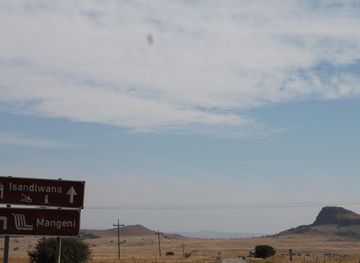
One of the most famous historical events in KwaZulu-Natal is the Battle of Isandlwana, which took place on January 22, 1879. During this battle, the Zulu forces achieved a decisive victory against the British army, marking one of the greatest defeats in British colonial history.
-
Following the Battle of Isandlwana, the British sought to redeem their losses, leading to the Battle of Rorke's Drift. On January 22-23, 1879, a small British garrison successfully defended their mission station against a large Zulu force. This battle has been immortalized in various films and literature.
-
KwaZulu-Natal became a significant region during the colonial era, with the establishment of the British colony of Natal in 1843. The area experienced substantial changes during the apartheid era, with enforced racial segregation and the creation of designated 'homelands' for the Zulu people, including KwaZulu.
-
The modern province of KwaZulu-Natal was formed in 1994, following the end of apartheid, by merging the former Natal Province and the KwaZulu homeland. This merger symbolized the efforts to create a more inclusive and unified South Africa.
-
KwaZulu-Natal is known for its rich cultural heritage, particularly the traditions of the Zulu people. The region hosts numerous cultural festivals, such as the annual Reed Dance (Umkhosi Womhlanga) and various ceremonies that celebrate Zulu history, music, dance, and craftsmanship.
-
Durban, the largest city in KwaZulu-Natal, has a unique historical significance. It was an important port city during the colonial era and a center of Indian culture in South Africa. The city's history is marked by the arrival of Indian indentured laborers in the 19th century, who contributed significantly to its cultural and economic development.
Neighbouring Regions of KwaZulu-Natal
The closest regions to KwaZulu-Natal, if you have time for more than one.




Your all‑in‑one travel companion app
Explore expert travel guides, compare and book tours, experiences, hotels, and more—all from the palm of your hand. Download now for seamless trip planning wherever your wanderlust takes you.


Explore More of South Africa

Looking beyond KwaZulu-Natal? Discover South Africa for broader travel guides, local hot-spots, and regional highlights.
Explore South AfricaKwaZulu-Natal in Photos
Browse through our photo collection highlighting the charm and character of the destination.




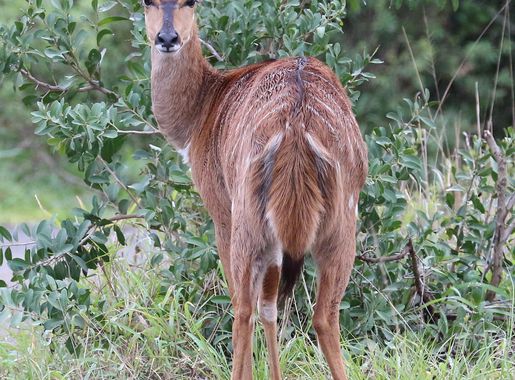

KwaZulu-Natal: South Africa's Coastal Jewel
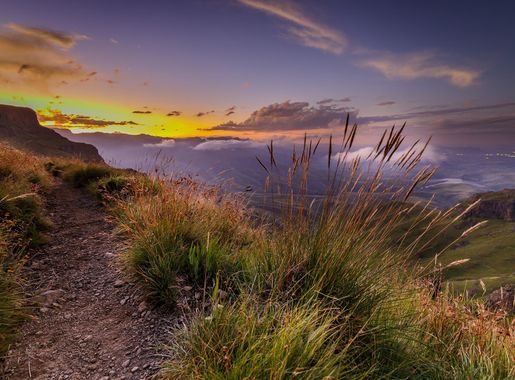
KwaZulu-Natal is a province in South Africa known for its stunning coastline, rich culture, and diverse wildlife. The region boasts warm beaches along the Indian Ocean, making it a prime spot for water sports and relaxation. From the bustling city of Durban to the tranquil Drakensberg Mountains, KwaZulu-Natal offers a mix of urban excitement and natural beauty. The province is also steeped in history and culture. Visitors can explore the Zulu Kingdom, with its traditional villages and vibrant festivals. The Battlefields Route offers a glimpse into South Africa's past, with sites from the Anglo-Zulu and Anglo-Boer Wars. For those interested in wildlife, the Hluhluwe-Imfolozi Park is home to the Big Five and offers excellent safari experiences. KwaZulu-Natal is a year-round destination, thanks to its mild climate. Whether you're an adventure seeker, a history buff, or just looking to unwind, this region has something to offer everyone.