

Free Battlefields Travel Guide & Mobile App
Explore Battlefields with free travel guides. Discover regional history, expert tips, proposed trips, and audio guides on web or mobile app.


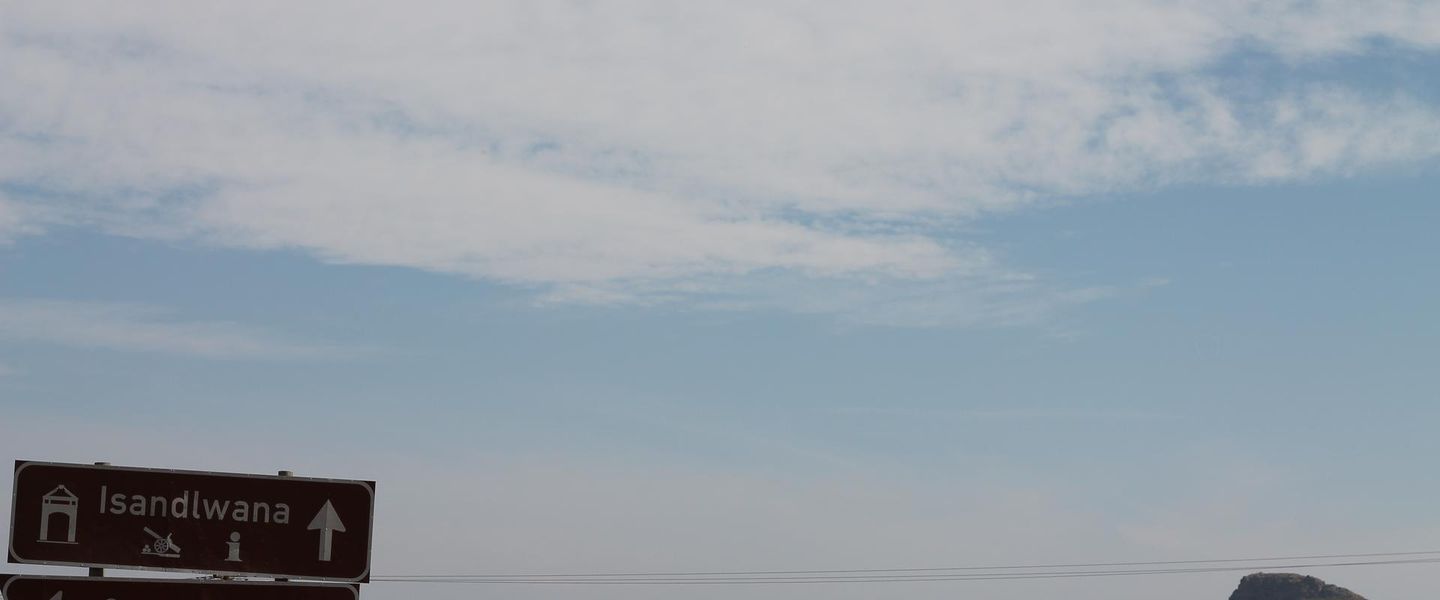


Explore South Africa’s Battlefields in KwaZulu-Natal, from Isandlwana and Rorke’s Drift to Blood River, Spioenkop and historic Ladysmith.
Read more about Battlefields
When is the best time to visit Battlefields?
Best: March, October–November · 22–25°C| Month | High (°C) | Rainfall (mm) |
|---|---|---|
| January | 26 | 100 |
| February | 27 | 90 |
| March (best) | 25 | 80 |
| April | 22 | 70 |
| May | 18 | 50 |
| June | 15 | 40 |
| July | 15 | 40 |
| August | 18 | 40 |
| September | 20 | 50 |
| October (best) | 22 | 60 |
| November (best) | 24 | 80 |
| December | 26 | 90 |
Getting to and around Battlefields
How to get there
Transportation
Top city travel guides in Battlefields
The cities of Battlefields, and the easiest places to base yourself.
-

-

-

-

-


Swipe for more cities
Destinations in Battlefields
Resorts, valleys and scenic spots worth a trip of their own.
-
-

-

-

-
-


Swipe for more destinations
Best attractions in Battlefields
The Battlefields’ principal attractions are its historic landscapes, where ridges, river valleys and isolated hills are interpreted through museums, memorials, graves, monuments and guided walks. Talana Museum in Dundee provides a broad introduction to local military, mining and social history, while the sites at Isandlwana and Rorke’s Drift offer contrasting perspectives on the Anglo-Zulu War. Blood River presents the setting of the 1838 Voortrekker-Zulu conflict, and the Ladysmith and Spioenkop area reflects the campaigns of the Second Anglo-Boer War. Visitors can also explore fortified positions, cemeteries, town museums and surviving traces of railway and mining history. The region’s open grassland supports birdwatching, landscape photography and quiet walks, although many sites are exposed and relatively undeveloped. Guided visits are particularly valuable: battlefield interpretation depends on understanding terrain, movement and competing memories, not simply viewing a monument. Because the attractions are dispersed across northern KwaZulu-Natal, a well-planned driving circuit is more rewarding than attempting to cover every site in a single day.
-
National park
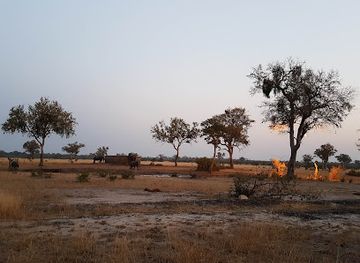
Kruger National Park
Experience the wild beauty and rich biodiversity of Kruger National Park, a premier destination for nature lovers and adventure seekers in South Africa.
-
Monument
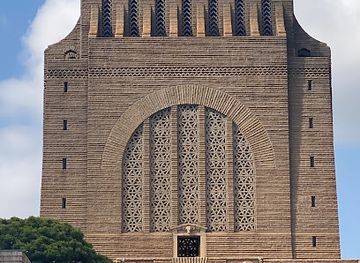
Voortrekker Monument
Explore the Voortrekker Monument in Pretoria, a magnificent tribute to South Africa's pioneering heritage and rich historical journey.
-
Tourist attraction
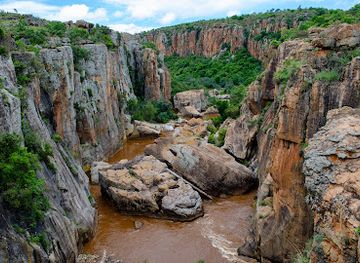
Bourke's Luck Potholes
Discover the breathtaking Bourke's Luck Potholes, a stunning natural wonder in Blyde River Canyon Nature Reserve, perfect for adventure and relaxation.
-
National park
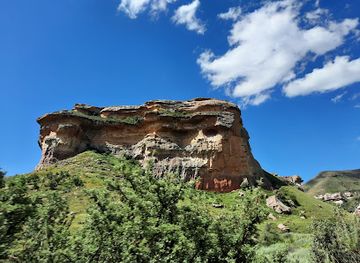
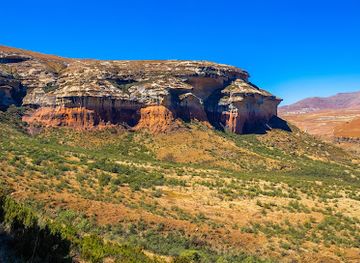
Golden Gate Highlands National Park
Experience the stunning landscapes and rich biodiversity of Golden Gate Highlands National Park, a haven for nature lovers and adventure seekers in South Africa.

Best landmarks in Battlefields
The most recognisable landmarks of the Battlefields are often natural features made historically significant by conflict. Isandlwana mountain rises prominently above a battlefield associated with the Zulu victory of 1879, while the nearby Rorke’s Drift site marks the mission station defended by British troops during the same campaign. At Blood River, monuments and museum displays beside the Ncome River interpret the 1838 confrontation between Voortrekker forces and the Zulu kingdom, with differing commemorative traditions visible across the site. Spioenkop is a rugged hill whose slopes and summit formed part of the 1900 campaign to relieve Ladysmith; the terrain conveys why elevation and visibility mattered so much to both sides. In Dundee, Talana Museum and its grounds connect local military history with the town’s coal-mining past. Ladysmith’s civic buildings, memorials and siege-related heritage provide an urban counterpoint to the open battlefields, while military cemeteries across the region underline the human cost of the campaigns.
-
National park
Kruger National Park
Explore the stunning landscapes and incredible wildlife of Kruger National Park, a premier safari destination in South Africa's heart.
-
Monument
Voortrekker Monument
Explore the Voortrekker Monument, a majestic tribute to South Africa's heritage, offering insights into history amidst beautiful landscapes.
-
National park
Golden Gate Highlands National Park
Discover the breathtaking landscapes and rich biodiversity of Golden Gate Highlands National Park, a must-visit natural wonder in South Africa.
-
National park
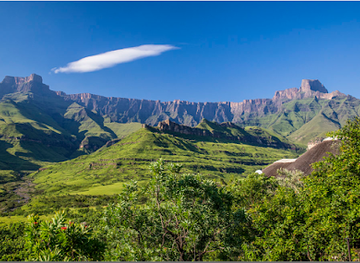
Royal Natal National Park
Explore the breathtaking Royal Natal National Park, a natural wonder nestled in the Drakensberg, perfect for hiking, wildlife watching, and serene landscapes.
Explore Battlefields on the map
Plan your trip on one map. See where the top cities, national parks and sights are, and book hotels and experiences in a few clicks.
Best hotels in Battlefields
Best restaurants in Battlefields
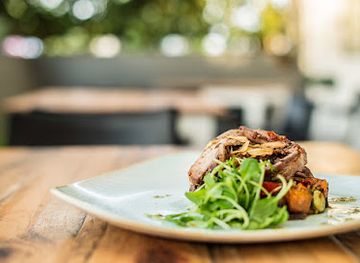
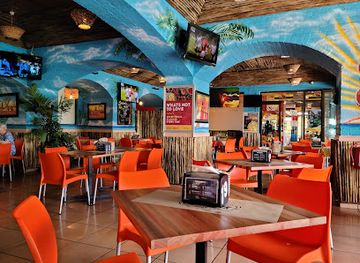
Dining in the Battlefields is shaped by the practical character of rural KwaZulu-Natal rather than by a concentrated restaurant scene. Dundee, Ladysmith and other larger settlements provide hotels, cafés, family restaurants and traditional pubs, while country lodges and guest farms may offer pre-arranged meals based on seasonal produce. Menus commonly draw on South African staples such as grilled meat, stews, vegetables, maize-based dishes, curries and baked goods, with local availability varying between establishments. Visitors may encounter both Zulu and Afrikaner culinary influences, as well as familiar South African items such as biltong, homemade preserves and milk tart. Farmers’ stalls and small shops can be useful for fruit, snacks and picnic supplies, particularly before visiting remote sites. Restaurant choice becomes more limited away from the towns, so confirm meal arrangements with rural accommodation and avoid assuming that a battlefield attraction will have food on site.
-
Restaurant
French Toast Koffie Kafee
Discover culinary bliss at French Toast Koffie Kafee - where every bite is a taste of paradise in Hartbeespoort.
-
Modern French
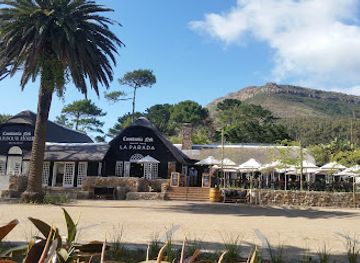
La Colombe Restaurant
Experience exquisite modern French cuisine at La Colombe Restaurant in Constantia Nek, Cape Town - where culinary artistry meets breathtaking views.
-
Restaurant
The Whippet in Linden
Experience exceptional cuisine at The Whippet in Linden - where quality meets comfort in every bite.
-
Portuguese
Mozambik Randpark Ridge
Discover authentic Portuguese cuisine at Mozambik Randpark Ridge – where fresh seafood meets family-friendly dining in Johannesburg.
Best bars in Battlefields
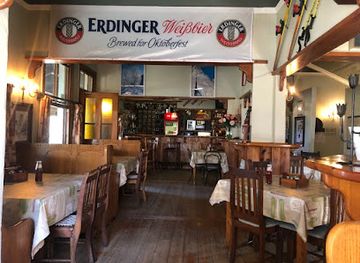
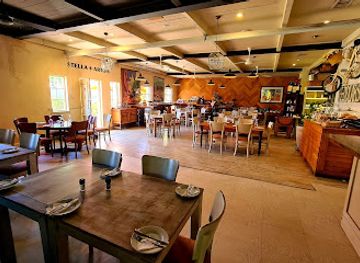
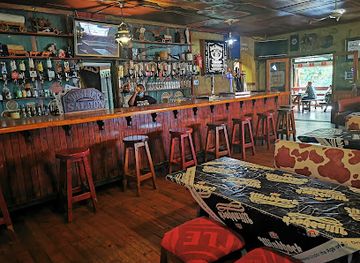
Evening life in the Battlefields is generally quiet and town-centred. Dundee and Ladysmith have the broadest choice of hotel bars, traditional pubs, casual restaurants and occasional live entertainment, while smaller settlements tend to close early and rural lodges focus on dinner, conversation and views across the countryside. The region is not known for a large nightclub circuit; nightlife is more often an informal social setting than a late-night destination. Some accommodation serves South African wine, beer and spirits, and local restaurants may provide a relaxed evening meal after a day on the road. Visitors should arrange transport rather than drink and drive, especially where sites and lodges are separated by long rural roads. Opening arrangements and entertainment can change, so ask accommodation staff about current options rather than relying on assumptions about a town’s evening scene.
-
Restaurant
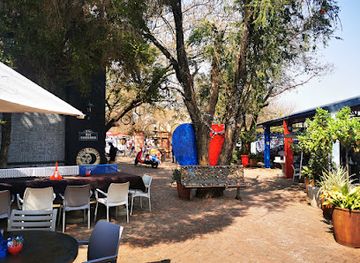
Bierfassl Restaurant and Pub
Discover the delightful Bierfassl Restaurant and Pub, a unique dining experience in KZN Midlands offering local flavors and a vibrant atmosphere.
-
Restaurant
Peddlars
Discover the vibrant culinary scene at Peddlars in Belle Constantia, where restaurant delights meet deli freshness and pub comfort.
-
Restaurant
Pistols Saloon and Wild West Museum
Dive into the Wild West at Pistols Saloon and Wild West Museum – where delicious dining meets captivating history in Ramsgate South.
-
 Hotel
HotelThe Nottingham Road Hotel
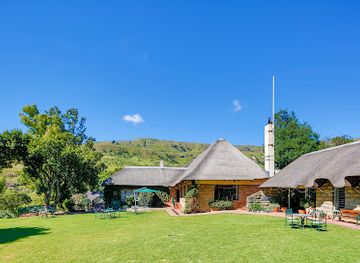
Experience the rustic charm and warm hospitality of The Nottingham Road Hotel, set against the stunning backdrop of KwaZulu-Natal's natural beauty.
Best nightclubs in Battlefields
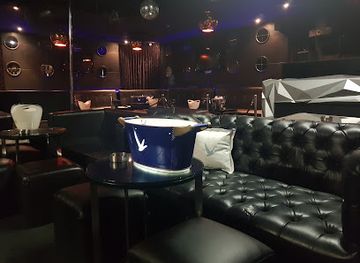
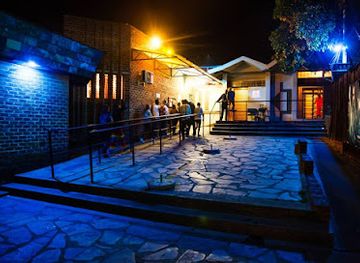
Evening life in the Battlefields is generally quiet and town-centred. Dundee and Ladysmith have the broadest choice of hotel bars, traditional pubs, casual restaurants and occasional live entertainment, while smaller settlements tend to close early and rural lodges focus on dinner, conversation and views across the countryside. The region is not known for a large nightclub circuit; nightlife is more often an informal social setting than a late-night destination. Some accommodation serves South African wine, beer and spirits, and local restaurants may provide a relaxed evening meal after a day on the road. Visitors should arrange transport rather than drink and drive, especially where sites and lodges are separated by long rural roads. Opening arrangements and entertainment can change, so ask accommodation staff about current options rather than relying on assumptions about a town’s evening scene.
-
Hotel
The Cavern Drakensberg Resort & Spa
Experience the ultimate escape at The Cavern Drakensberg Resort & Spa, where nature meets luxury in the heart of the Drakensberg mountains.
-
Night club
Taboo Night Club
Discover a thrilling nightlife experience at Taboo Night Club in Sandton, where music, dance, and vibrant energy come together for an unforgettable evening.
-
Night club
Truth Night Club
Discover the electrifying nightlife of Truth Night Club in Midrand, where music, dancing, and vibrant culture come alive for an unforgettable experience.
-
Disco club
Montana The Club
Discover Johannesburg's vibrant nightlife at Montana The Club, where music, dance, and unforgettable moments await.

Best shops in Battlefields
Shopping in the Battlefields is concentrated in Dundee, Ladysmith and other service towns rather than in a single regional retail district. Visitors can find everyday supplies, books, locally produced food and practical outdoor goods in town shops, while museums and heritage centres may stock historical titles, maps and locally relevant souvenirs. Galleries, craft outlets and community markets vary by place and season, so ask locally about current market days rather than relying on a fixed schedule. Regional purchases may include biltong, preserves, baked goods, beadwork, woven items and other South African crafts, but provenance and quality differ between sellers. Farm stalls can be useful for fruit and snacks on a self-drive itinerary. Shopping remains modest compared with South Africa’s major cities, and travellers should buy fuel, medicines and substantial provisions before heading to isolated battlefields, where retail facilities are sparse or absent.
-
Shopping mall
Canal Walk Shopping Centre
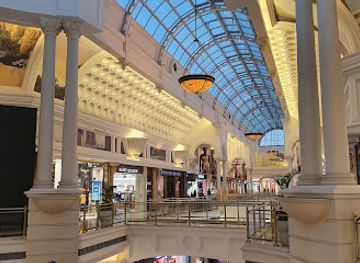
Explore Canal Walk Shopping Centre, Cape Town's premier shopping destination with over 400 stores, diverse dining options, and family-friendly entertainment.
-
Store
Mall of Africa
Experience shopping like never before at the Mall of Africa, where variety meets excitement in the heart of Midrand.
-
Shopping mall
Sandton City
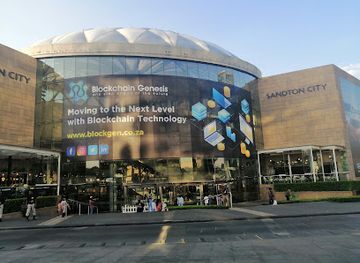
Experience the luxury of shopping, dining, and culture at Sandton City, South Africa's premier shopping mall in the heart of Sandton.
-
Shopping mall
Tyger Valley Shopping Centre
Discover a premier shopping destination in Cape Town with Tyger Valley Shopping Centre, featuring diverse stores, dining delights, and entertainment options.
Get your free copy of our complete guide to Battlefields, delivered straight to you.
Everything on this page, from attractions and restaurants to essentials and local phrases, in one PDF you can read offline, print or share.
Already have an account? Sign in
Your Battlefields guide is ready.
We'll send it to · Not you? Sign out

Getting your guide ready…
We are putting together a fresh copy of the Battlefields guide. This can take up to a minute.
This can take a few moments. If your browser asks, choose Allow so the download can start. You'll find the guide in your Downloads folder.
Nothing happened? Download it again
Sorry, the guide is taking longer than usual. Please try again in a minute, or get it by email instead.
Battlefields essentials
Currency and Payment
Safety
Emergency Situations
Do's and Don'ts
Local Tips
From Eve
Local phrases worth knowing
You don't need to get them perfect. A few words go a long way, and locals appreciate the effort.
Basics
| English | Local | Say it |
|---|---|---|
| Hello | Howzit | [Hah-wzit] |
| Goodbye | Cheers | [Cheerz] |
| Yes | Yebo | [Yeh-boh] |
| No | Naa | [Nah] |
| Please/You're welcome | No problem | [No prob-lum] |
| Thank you | Thanks | [Thangs] |
| Excuse me/Sorry | Sorry | [Sor-ree] |
| How are you? | Howzit going? | [Hah-wzit go-ing?] |
| Fine. And you? | Good, and you? | [Good, and you?] |
| Do you speak English? | Do you speak English? | [Do you speak English?] |
| I don't understand | I don't get it | [I don't get it] |
Eating & Drinking
| English | Local | Say it |
|---|---|---|
| I'd like to see the menu, please | Can I see the menu? | [Can I see the menu?] |
| I don't eat meat | I'm vegetarian | [I'm ve-ge-ta-ri-an] |
| Cheers! | Cheers! | [Cheerz!] |
| I would like to pay, please | Can I get the bill? | [Can I get the bill?] |
Emergencies
| English | Local | Say it |
|---|---|---|
| Help! | Help! | [Help!] |
| Go away! | Get lost! | [Get lost!] |
| Call the Police! | Call the cops! | [Call the cops!] |
| Call a doctor! | Get a doctor! | [Get a doctor!] |
| I'm lost | I'm lost | [I'm lost] |
| I'm ill | I'm not feeling well | [I'm not feeling well] |
Shopping
| English | Local | Say it |
|---|---|---|
| I'd like to buy... | I want to buy... | [I want to buy...] |
| I'm just looking | Just browsing | [Just brows-ing] |
| How much is it? | What’s the price? | [What’s the price?] |
| That's too expensive | That's too pricey | [That's too pricey] |
| Can you lower the price? | Can you make it cheaper? | [Can you make it cheaper?] |
Time & Numbers
| English | Local | Say it |
|---|---|---|
| What time is it? | What time is it? | [What time is it?] |
| It's one o'clock | It's one o'clock | [It's one o'clock] |
| Half past (10) | Half past ten | [Half past ten] |
| Morning | Morning | [Morning] |
| Afternoon | Afternoon | [Afternoon] |
| Evening | Evening | [Evening] |
| Yesterday | Yesterday | [Yesterday] |
| Today | Today | [Today] |
| Tomorrow | Tomorrow | [Tomorrow] |
| 1 | One | [One] |
| 2 | Two | [Two] |
| 3 | Three | [Three] |
| 4 | Four | [Four] |
| 5 | Five | [Five] |
| 6 | Six | [Six] |
| 7 | Seven | [Seven] |
| 8 | Eight | [Eight] |
| 9 | Nine | [Nine] |
| 10 | Ten | [Ten] |
Transport & Directions
| English | Local | Say it |
|---|---|---|
| Where's a/the...? | Where's the...? | [Where's the...?] |
| What's the address? | What's the address? | [What's the address?] |
| Can you show me (on the map)? | Can you show me on the map? | [Can you show me on the map?] |
| When's the next (bus)? | When's the next bus? | [When's the next bus?] |
| A ticket (to ....) | A ticket to... | [A ticket to...] |
History of Battlefields
Early settlement and the Zulu kingdom
The Battlefields lie within a region shaped by long histories of African settlement, cattle keeping, farming, migration and political change. During the early nineteenth century, the consolidation of the Zulu kingdom under Shaka and his successors transformed power relationships across what is now KwaZulu-Natal. The kingdom’s military organisation and political authority later became central to British imperial calculations. Many battlefield accounts focus on European forces, but the locations are also part of a living Zulu historical landscape in which royal authority, communities, oral memory and land remain important to interpretation.
Blood River and the Voortrekker-Zulu conflict, 1838
On 16 December 1838, Voortrekker forces defeated a Zulu army near the Ncome River after a period of conflict arising from migration, land claims and political rivalry. The event became known among Afrikaners as the Battle of Blood River and was later commemorated through religious and nationalist traditions. The site now contains interpretations on both sides of the river, reflecting the different memories attached to the battle. Its significance extends beyond the military encounter to the contested politics of settlement, sovereignty and historical commemoration in South Africa.
British expansion and the Anglo-Zulu War, 1879
British attempts to impose a wider political confederation on southern Africa contributed to the Anglo-Zulu War of 1879. At Isandlwana on 22 January, a large Zulu force overwhelmed a British column in one of the most serious defeats suffered by the British army during the nineteenth century. The same day, British troops and African auxiliaries defended the mission station at Rorke’s Drift. The contrasting outcomes became deeply embedded in imperial history, while the wider war also brought destruction, displacement and the eventual defeat of the independent Zulu kingdom.
Dundee, coal and the changing regional economy
The growth of Dundee as a coal-mining centre altered the region’s economy and settlement pattern during the late nineteenth and twentieth centuries. Mining brought railway connections, wage labour and new commercial activity to a previously predominantly rural landscape. The town’s Talana Museum preserves military material alongside social, industrial and local-history collections, helping visitors connect battlefield events with the economic structures that developed around them. Coal mining declined in importance over time, but its traces remain part of Dundee’s identity and of the region’s modern history.
The Second Anglo-Boer War, 1899–1902
The Battlefields again became a major theatre of war during the Second Anglo-Boer War. Ladysmith was besieged by Boer forces for more than three months between late 1899 and early 1900, while battles at Talana near Dundee and Spioenkop formed part of British efforts to relieve the town. The campaign involved regular troops, Boer commandos and African people whose roles included labour, scouting, transport and support. Military cemeteries, memorials, fortifications and museum collections across the region preserve evidence of a conflict that reshaped British imperial policy and South African politics.
Battlefield memory in modern South Africa
For much of the twentieth century, the region’s heritage was commonly presented through British imperial or Afrikaner commemorative traditions. Since the democratic transition, museums, guides and heritage organisations have increasingly placed those narratives alongside Zulu perspectives, African participation and the social consequences of conquest and colonial rule. The sites remain places of commemoration, but they are also spaces for questioning inherited versions of history. Today, battlefield tourism supports local guiding, accommodation and conservation while offering a more inclusive interpretation of KwaZulu-Natal’s past.
Battlefields in Photos
Browse through our photo collection highlighting the charm and character of the destination.
Neighbouring regions of Battlefields
The closest regions to Battlefields, if you have time for more than one.
-

-

-

-

-


Swipe for more regions
Explore more

Explore more of South Africa
Discover South Africa: A land of breathtaking landscapes, rich history, and diverse cultures, from bustling cities to world-renowned wildlife reserves.
Explore South Africa