

Free Grand Strand Travel Guide & Mobile App
Explore Grand Strand with free travel guides. Discover regional history, expert tips, proposed trips, and audio guides on web or mobile app.


Grand Strand travel combines South Carolina beaches, maritime parks, seafood, golf, live entertainment and Lowcountry heritage from Little River to Murrells Inlet.
Read more about Grand Strand
Getting to and around Grand Strand
How to get there
Transportation
Top city travel guides in Grand Strand
The cities of Grand Strand, and the easiest places to base yourself.

Swipe for more cities
Best attractions in Grand Strand
The Grand Strand’s attractions range from broad Atlantic beaches and amusement piers to protected marshes, gardens and historic properties. Myrtle Beach State Park preserves a valuable stretch of maritime forest and dune coastline south of the main resort, while Huntington Beach State Park combines beaches, lagoons, birdwatching and the historic Atalaya house, the former winter residence of Archer and Anna Hyatt Huntington. Brookgreen Gardens near Murrells Inlet brings together botanical gardens, one of the country’s notable collections of outdoor sculpture and interpretation of the area’s plantation past. In central Myrtle Beach, the Boardwalk, SkyWheel, family attractions, theatres and shopping complexes provide the densest concentration of entertainment. North Myrtle Beach offers beaches, miniature golf, water-based activities and live music, while Little River has inlet scenery and a long association with fishing. Golf courses are distributed throughout the coastal plain, and kayaking, paddleboarding, charter fishing and dolphin-spotting excursions make use of the region’s creeks and nearshore waters. Inland Conway adds museums, galleries and historic architecture, giving visitors a different perspective on the coast’s commercial and river-based history.
-
Aquarium
Ripley's Aquarium of Myrtle Beach
Experience the magic of the ocean at Ripley's Aquarium of Myrtle Beach, home to diverse marine life and interactive exhibits for all ages.
-
State park
Huntington Beach State Park
Explore Huntington Beach State Park: A Coastal Paradise for Nature Lovers in South Carolina with Scenic Trails, Wildlife, and Historic Attractions.
-
Tourist attraction
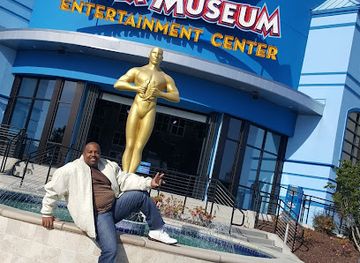
Hollywood Wax Museum
Discover lifelike wax figures, thrilling mazes, and spooky haunts at the Hollywood Wax Museum in Myrtle Beach, a perfect family-friendly attraction.
-
Tourist attraction
Ripley's Believe It or Not!
Experience the extraordinary at Ripley's Believe It or Not! in Myrtle Beach, where the bizarre and unusual come to life in a captivating attraction.



Best landmarks in Grand Strand
The Myrtle Beach Boardwalk is the Grand Strand’s best-known urban landmark, running beside the central oceanfront and linking piers, shops, amusements and the SkyWheel. Its significance lies less in age than in its representation of the modern American seaside resort. The Cherry Grove Fishing Pier in North Myrtle Beach reflects the coast’s long recreational and fishing culture, while the historic districts and waterfront setting of Conway provide an inland architectural counterpoint. Atalaya at Huntington Beach State Park is a distinctive Spanish-Moorish-inspired winter residence built in the 1930s for Archer and Anna Hyatt Huntington, and its surviving rooms and courtyards convey the scale of an early twentieth-century coastal estate. Brookgreen Gardens is marked by extensive sculpture landscapes and historic structures associated with former rice plantations. The natural landmarks of the region are equally important: the long barrier-beach shoreline, tidal marshes around Murrells Inlet, and the dunes and maritime forests protected in the state parks reveal the coastal environment beneath the resort development.
-
Shopping mall
Barefoot Landing
Discover shopping, dining, and entertainment at Barefoot Landing in North Myrtle Beach, a perfect destination for family fun and relaxation.
-
State park
Huntington Beach State Park
Discover the breathtaking beauty of Huntington Beach State Park, where pristine beaches, diverse wildlife, and rich history come together for an unforgettable experience.
-
Botanical garden
Brookgreen Gardens
Discover the breathtaking beauty of Brookgreen Gardens, where art, nature, and history unite in a stunning botanical paradise.
-
Zoo
Alligator Adventure
Explore Alligator Adventure in North Myrtle Beach, a thrilling zoo experience featuring alligators, exotic birds, and captivating wildlife encounters.


Explore Grand Strand on the map
Plan your trip on one map. See where the top cities, national parks and sights are, and book hotels and experiences in a few clicks.
Best hotels in Grand Strand
Best restaurants in Grand Strand
Seafood is central to Grand Strand dining, with menus commonly featuring shrimp, oysters, flounder, crab, grouper and other coastal staples, although the source and season of individual products vary. Murrells Inlet is particularly associated with marsh-front seafood restaurants and waterfront dining, while Myrtle Beach and North Myrtle Beach offer everything from casual fish shacks and oyster bars to steakhouses, international food and contemporary American cooking. Lowcountry influences appear in dishes built around rice, shellfish, sausage, corn and seasonal vegetables, linking the coast to the wider culinary traditions of South Carolina. Barbecue, fried seafood, biscuits and sweet tea reflect broader regional food culture rather than exclusively Grand Strand origins. Farmers’ markets, seafood markets and specialist shops are useful for local produce, sauces and prepared foods. The resort corridor also has many cafés, bakeries, breweries and family-friendly restaurants, while quieter communities provide traditional diners, rural inns and locally focused establishments.
-
Family-friendly
The Hangout
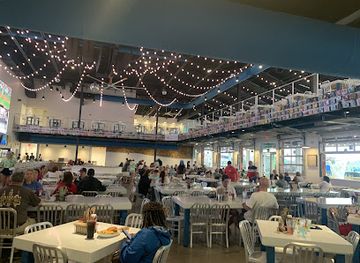
Discover The Hangout: Myrtle Beach's top family-friendly restaurant offering delicious meals and fun-filled atmosphere for all ages.
-
Seafood
Sea Captain's House
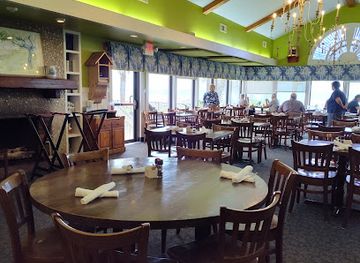
Discover culinary excellence at Sea Captain's House in Myrtle Beach - where fresh seafood meets breathtaking ocean views.
-
American
Carolina Roadhouse
Experience authentic American cuisine at Carolina Roadhouse in Myrtle Beach - where delicious meals meet Southern hospitality.
-
American
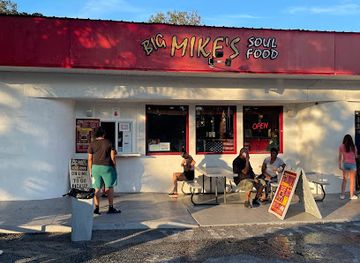
Big Mike's Soul Food
Discover authentic Southern flavors at Big Mike's Soul Food in Myrtle Beach - where comfort food meets warm hospitality.
Best bars in Grand Strand
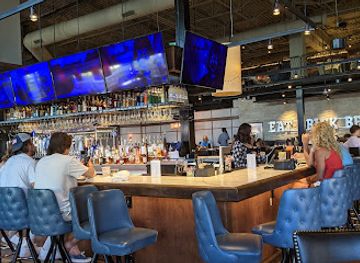
Evening life is concentrated in Myrtle Beach and North Myrtle Beach, where visitors find beachfront bars, sports bars, live music, comedy, theatres, family entertainment and seasonal concert venues. North Myrtle Beach has a particularly strong association with shag music and dancing, a regional beach-music tradition that developed in the Carolinas. Myrtle Beach’s central resort area offers the broadest choice of late-night venues, although its nightlife is mixed with restaurants, arcades and attractions rather than forming one single club district. Murrells Inlet is better known for waterfront restaurants, relaxed bars and live music than for large nightclubs. Across the Grand Strand, traditional pubs, breweries and hotel lounges provide quieter alternatives, while some venues change their schedules or audience with the tourist season. Check current arrangements locally, especially outside the central resort corridor, where evening options may be limited and car travel may be necessary.
-
American
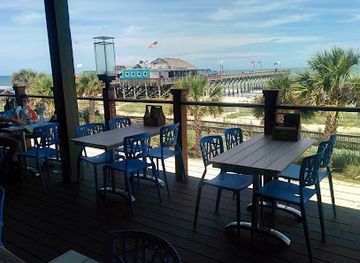
RipTydz Oceanfront Grille & Rooftop Bar
Experience the vibrant flavors and stunning ocean views at RipTydz Oceanfront Grille & Rooftop Bar in Myrtle Beach.
-
Restaurant
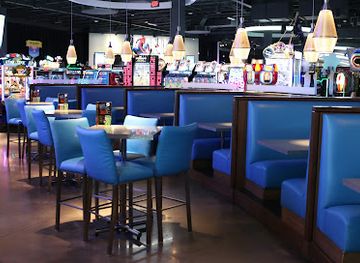
Dave & Buster's Myrtle Beach
Discover the thrill of dining and gaming at Dave & Buster's Myrtle Beach, the ultimate destination for fun and entertainment.
-
Live music bar
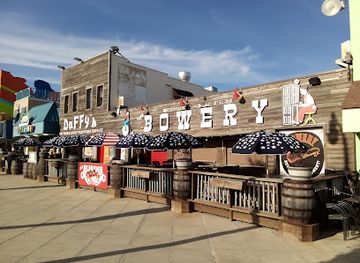
The Bowery
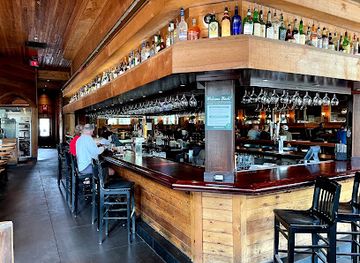
Experience the vibrant nightlife at The Bowery, Myrtle Beach's premier live music bar and grill, offering unforgettable entertainment and delicious dining.
-
American
Hard Rock Cafe
Discover the rock 'n' roll spirit at Hard Rock Cafe Myrtle Beach, where great food meets iconic music in a lively atmosphere.

Best nightclubs in Grand Strand
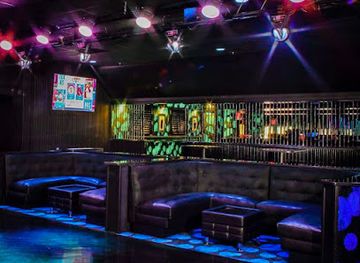
Evening life is concentrated in Myrtle Beach and North Myrtle Beach, where visitors find beachfront bars, sports bars, live music, comedy, theatres, family entertainment and seasonal concert venues. North Myrtle Beach has a particularly strong association with shag music and dancing, a regional beach-music tradition that developed in the Carolinas. Myrtle Beach’s central resort area offers the broadest choice of late-night venues, although its nightlife is mixed with restaurants, arcades and attractions rather than forming one single club district. Murrells Inlet is better known for waterfront restaurants, relaxed bars and live music than for large nightclubs. Across the Grand Strand, traditional pubs, breweries and hotel lounges provide quieter alternatives, while some venues change their schedules or audience with the tourist season. Check current arrangements locally, especially outside the central resort corridor, where evening options may be limited and car travel may be necessary.
-
Grill
Bar Louie - Broadway at the Beach
Experience the vibrant atmosphere and diverse menu at Bar Louie, the ultimate American grill and bar at Broadway at the Beach in Myrtle Beach.
-
Night club
Fat Harold's Beach Club
Dance the night away at Fat Harold's Beach Club, a vibrant night club and bar & grill in North Myrtle Beach, SC, known for its lively atmosphere and delicious cuisine.
-
Night club
3001 NIGHTLIFE
Dance the night away at 3001 Nightlife, Myrtle Beach's premier night club, featuring electrifying music and an unforgettable atmosphere.
-
Night club
Club Envy
Dive into an electrifying night at Club Envy, Myrtle Beach's premier night club with great music and vibrant atmosphere for an unforgettable party experience.


Best shops in Grand Strand
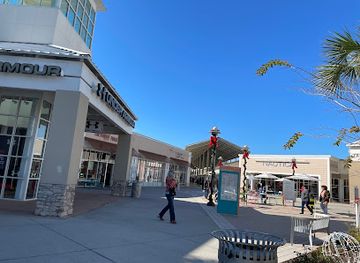
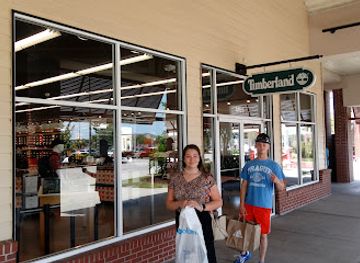
Shopping on the Grand Strand is concentrated in Myrtle Beach and North Myrtle Beach, where visitors find outlet retail, beachwear, surf shops, souvenir stores, large entertainment-and-shopping complexes and independent boutiques. Broadway at the Beach is a major mixed-use destination with shops, restaurants and attractions, while Barefoot Landing in North Myrtle Beach combines retail, dining and landscaped walking areas. These commercial centres are designed for visitors, whereas Conway’s historic centre offers antique shops, galleries, books, gifts and locally oriented independent businesses. Murrells Inlet is useful for coastal-themed gifts, art and food products, with additional small shops spread along the waterfront and inland roads. Seafood markets, farmers’ markets and specialist food shops can provide regional sauces, preserves, sweets and other edible souvenirs. Look for work by South Carolina artists, coastal photography, pottery and Lowcountry-inspired crafts, but check product labelling when seeking genuinely local goods rather than mass-produced beach merchandise.
-
Shopping mall
Broadway at the Beach
Explore Broadway at the Beach, Myrtle Beach's ultimate shopping and entertainment oasis, where fun, food, and fantastic experiences await every visitor.
-
Outlet mall
Tanger Outlets Myrtle Beach Hwy 17
Discover unbeatable deals and a diverse selection of your favorite brands at Tanger Outlets Myrtle Beach Hwy 17, the ultimate shopping destination.
-
Outlet mall
Tanger Outlets Myrtle Beach Hwy 501
Explore unbeatable savings at Tanger Outlets Myrtle Beach Hwy 501, your ultimate shopping destination with over 100 brand-name stores.
-
Shopping mall
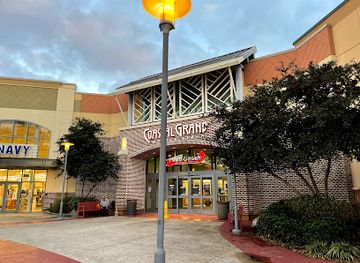
Coastal Grand Mall
Explore Coastal Grand Mall, Myrtle Beach's premier shopping destination with diverse stores, dining options, and entertainment for all ages.

Get your free copy of our complete guide to Grand Strand, delivered straight to you.
Everything on this page, from attractions and restaurants to essentials and local phrases, in one PDF you can read offline, print or share.
Already have an account? Sign in
Your Grand Strand guide is ready.
We'll send it to · Not you? Sign out

Getting your guide ready…
We are putting together a fresh copy of the Grand Strand guide. This can take up to a minute.
This can take a few moments. If your browser asks, choose Allow so the download can start. You'll find the guide in your Downloads folder.
Nothing happened? Download it again
Sorry, the guide is taking longer than usual. Please try again in a minute, or get it by email instead.
Grand Strand essentials
Currency and Payment
Safety
Emergency Situations
Do's and Don'ts
Local Tips
From Eve
Local phrases worth knowing
You don't need to get them perfect. A few words go a long way, and locals appreciate the effort.
Basics
| English | Local | Say it |
|---|---|---|
| Hello | Hey | [Hay] |
| Goodbye | Bye | [Bye] |
| Yes | Yea | [Yea] |
| No | Nah | [Nah] |
| Please/You're welcome | No problem | [No prob-lum] |
| Thank you | Thanks | [Thangs] |
| Excuse me/Sorry | Sorry 'bout that | [Sorry 'bout that] |
| How are you? | How ya doin'? | [How ya doin'?] |
| Fine. And you? | Good. You? | [Good. You?] |
| Do you speak English? | You speakin' English? | [You speakin' English?] |
| I don't understand | I don't get it | [I don't git it] |
Eating & Drinking
| English | Local | Say it |
|---|---|---|
| I'd like to see the menu, please | Can I see the menu? | [Can I see the menu?] |
| I don't eat meat | I don't eat meat | [I don't eat meat] |
| Cheers! | Cheers! | [Cheers!] |
| I would like to pay, please | Can I get the check? | [Can I git the check?] |
Emergencies
| English | Local | Say it |
|---|---|---|
| Help! | Help! | [Help!] |
| Go away! | Leave me alone! | [Leave me alone!] |
| Call the Police! | Call the cops! | [Call the cops!] |
| Call a doctor! | Get a doctor! | [Get a doctor!] |
| I'm lost | I'm lost | [I'm lost] |
| I'm ill | I'm not feelin' good | [I'm not feelin' good] |
Shopping
| English | Local | Say it |
|---|---|---|
| I'd like to buy... | I wanna buy... | [I wanna buy...] |
| I'm just looking | Just lookin' | [Just lookin'] |
| How much is it? | How much? | [How much?] |
| That's too expensive | That's too high | [That's too high] |
| Can you lower the price? | Can ya drop the price? | [Can ya drop the price?] |
Time & Numbers
| English | Local | Say it |
|---|---|---|
| What time is it? | What's the time? | [What's the time?] |
| It's one o'clock | It's one o'clock | [It's one o'clock] |
| Half past (10) | Half past ten | [Half past ten] |
| Morning | Mornin' | [Mornin'] |
| Afternoon | Afternoon | [Afternoon] |
| Evening | Evenin' | [Evenin'] |
| Yesterday | Yesterday | [Yesterday] |
| Today | Today | [Today] |
| Tomorrow | Tomorrow | [Tomorrow] |
| 1 | One | [One] |
| 2 | Two | [Two] |
| 3 | Three | [Three] |
| 4 | Four | [Four] |
| 5 | Five | [Five] |
| 6 | Six | [Six] |
| 7 | Seven | [Seven] |
| 8 | Eight | [Eight] |
| 9 | Nine | [Nine] |
| 10 | Ten | [Ten] |
Transport & Directions
| English | Local | Say it |
|---|---|---|
| Where's a/the...? | Where's the...? | [Where's the...?] |
| What's the address? | What's the address? | [What's the address?] |
| Can you show me (on the map)? | Can ya show me on the map? | [Can ya show me on the map?] |
| When's the next (bus)? | When's the next bus? | [When's the next bus?] |
| A ticket (to ....) | A ticket to... | [A ticket to...] |
History of Grand Strand
Indigenous Coastal Communities and Early Contact
Before European settlement, the Grand Strand was used by Indigenous peoples including communities associated with the Waccamaw and Winyah cultural areas. The coast’s rivers, estuaries, forests and barrier beaches provided fish, shellfish, game and plant resources, while waterways connected inland settlements with the Atlantic. European exploration and colonisation brought disease, displacement and disruption to Indigenous societies. Their presence remains part of the deeper history of the region, even though much of the modern coast is presented through the later story of plantations, timber and tourism.
Rice Plantations and the Lowcountry Economy
From the colonial period into the nineteenth century, the waterways around Murrells Inlet, the Waccamaw River and nearby Georgetown supported a rice-growing economy based on tidal wetlands. Wealthy landowners operated plantations with the forced labour of enslaved Africans and African Americans, whose agricultural knowledge and labour were central to the system. Brookgreen Gardens incorporates landscapes and buildings connected with former plantations, including the preserved Atalaya estate and traces of the wider rice-country past. This history is essential to understanding the region’s architecture, waterways and social inequalities.
Timber, Fishing and Coastal Trade
Outside the plantation districts, the coast developed through timber extraction, boatbuilding, fishing and small-scale maritime trade. The Waccamaw River and the Intracoastal Waterway later strengthened links between inland settlements and coastal communities. Conway grew as a transport and commercial centre on the Waccamaw, while Little River and Murrells Inlet retained connections with fishing and shellfish harvesting. These industries were less glamorous than the later resort economy but formed the practical foundation for settlement and transport across the Grand Strand.
Railways and the First Resort Development
The arrival of rail connections in the late nineteenth and early twentieth centuries made the coast more accessible from inland South Carolina and North Carolina. Myrtle Beach began to develop as a planned resort, with the creation of the Seaside Inn in 1901 and the later growth of hotels, cottages and recreational facilities. Tourism remained seasonal and relatively modest at first, but rail travel and improved roads gradually turned the beach into a regional holiday destination. The name Grand Strand came to express the long, continuous character of the developed coastline.
Roads, the Intracoastal Waterway and Post-war Growth
Improved roads, rising car ownership and the completion of the Intracoastal Waterway in the mid-twentieth century accelerated development along the coast. Myrtle Beach and neighbouring communities expanded from small resorts into a connected tourism corridor. Motels, amusement facilities, golf courses, restaurants and residential subdivisions multiplied, particularly after the Second World War. The waterway also remains important for recreational boating and separates much of the developed coast from inland communities and marshes.
African American Beach History and Integration
During segregation, African American visitors and residents faced restrictions in access to beaches, hotels and other public facilities. The area around what is now Atlantic Beach became an important Black beach resort, while the annual celebrations later associated with Atlantic Beach BikeFest reflected a long history of African American travel and community life on the coast. Desegregation changed access to the wider resort, but the region’s social history still includes debates about memory, public space, development and representation.
The Modern Grand Strand
From the late twentieth century onwards, the Grand Strand became one of the most heavily visited coastal resort areas in the southeastern United States. High-rise accommodation, golf, live entertainment, shopping and family attractions joined the older beach and fishing economies. At the same time, state parks, wildlife refuges and conservation organisations protected important stretches of dunes, maritime forest and marsh. Contemporary Grand Strand communities continue to balance tourism, retirement development, seasonal employment, environmental pressures and the preservation of Lowcountry heritage.
Grand Strand in Photos
Browse through our photo collection highlighting the charm and character of the destination.
Neighbouring regions of Grand Strand
The closest regions to Grand Strand, if you have time for more than one.
-

-

-

-

-


Swipe for more regions
Explore more

Explore more of South Carolina
Explore South Carolina: A blend of historic charm, natural beauty, and southern hospitality. From Charleston's cobblestone streets to Myrtle Beach's sandy shores, adventure awaits.
Explore South Carolina