

Free Lowcountry Travel Guide & Mobile App
Explore Lowcountry with free travel guides. Discover regional history, expert tips, proposed trips, and audio guides on web or mobile app.


Explore South Carolina's Lowcountry for Charleston heritage, Gullah Geechee culture, tidal marshes, sea islands, seafood and coastal wildlife.
Read more about Lowcountry
Getting to and around Lowcountry
How to get there
Transportation
Top city travel guides in Lowcountry
The cities of Lowcountry, and the easiest places to base yourself.
-

-

-

-

-


Swipe for more cities
Destinations in Lowcountry
Resorts, valleys and scenic spots worth a trip of their own.
-

-

-

-

-


Swipe for more destinations
Best attractions in Lowcountry
The Lowcountry combines historic urban districts, plantation landscapes, sea-island culture and protected coastal habitats. Charleston's historic peninsula provides museums, house interiors, gardens, churches and waterfront walks, while Fort Sumter National Historical Park places the opening of the Civil War within Charleston Harbour. Around the city, Magnolia Plantation and Gardens and Middleton Place interpret the architecture, gardens and plantation economy, though visitors should also attend to the history of enslaved communities. Beaufort offers waterfront streets, historic homes and access to nearby islands, while the Penn Center on St Helena Island preserves important African American history and education. Hilton Head Island is suited to beaches, cycling, golf, boating and wildlife observation, with the Coastal Discovery Museum providing context for the island's natural and cultural environment. Edisto Island, Hunting Island and the ACE Basin offer a quieter focus on beaches, maritime forest, tidal creeks, former rice fields and birdlife. Brookgreen Gardens near Murrells Inlet, in the northern part of the broader coastal Lowcountry, combines sculpture, gardens and local history. Kayaking, fishing, paddleboarding and guided boat trips reveal the region's tidal geography, but tides, heat and wildlife regulations should shape every outdoor itinerary.
-
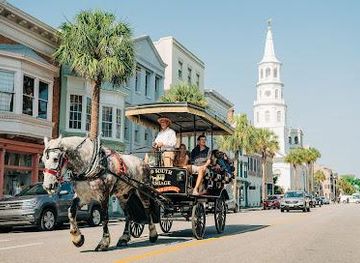
Carriage ride service
Old South Carriage Company
Discover the rich history and charm of Charleston, SC with Old South Carriage Company’s enchanting guided carriage rides through the city's historic streets.
-
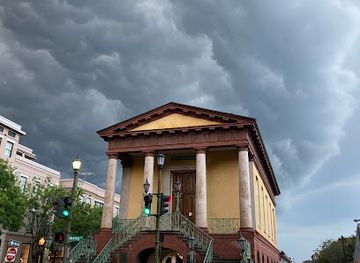
Tourist attraction
Charleston City Market
Discover the historic charm of Charleston City Market, a vibrant hub for local crafts, culinary delights, and Southern culture in the heart of Charleston.
-
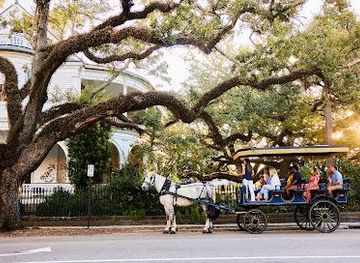
Tour operator
Palmetto Carriage Works
Discover the heart of Charleston with Palmetto Carriage Works, where history meets charm on guided carriage tours through the city's scenic streets.
-
Sightseeing tour agency
Bulldog Tours
Experience Charleston's history and charm with Bulldog Tours, where engaging storytelling meets unforgettable sightseeing adventures.
Best landmarks in Lowcountry
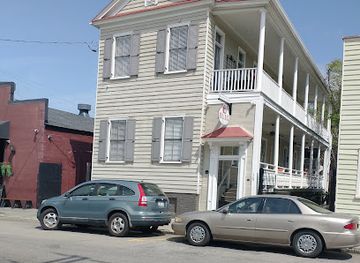
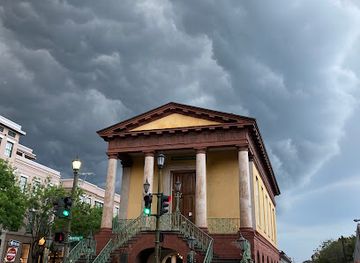
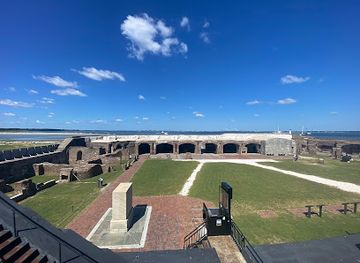
Charleston's historic peninsula is the Lowcountry's most concentrated architectural landmark, with rows of eighteenth- and nineteenth-century houses, churches, civic buildings and waterfront commercial structures shaped by the port city's colonial and mercantile history. Fort Sumter stands on an island in Charleston Harbour and is nationally significant as the site of the first major bombardment of the Civil War; Fort Moultrie on Sullivan's Island preserves a separate chapter of coastal defence. The Angel Oak on Johns Island is an exceptionally old Southern live oak and a powerful natural symbol of the coastal landscape. In Beaufort, the historic district's antebellum and Victorian buildings face waterways that helped make the town a maritime and military centre. The Hunting Island Lighthouse, rebuilt and relocated after storm damage, remains a recognisable coastal marker. On St Helena Island, the Penn Center's historic campus signifies the history of African American education and the Port Royal Experiment. Former rice fields in the ACE Basin are less monumental but equally important landmarks of the region's environmental and plantation past.
-
Historical landmark
Charleston City Market
Discover the historic Charleston City Market, where local artisans showcase unique crafts and delicious Southern cuisine in a vibrant atmosphere.
-
Historical place
Fort Sumter National Monument
Visit Fort Sumter National Monument to delve into America's Civil War history while enjoying stunning harbor views and engaging exhibits.
-
Tourist attraction
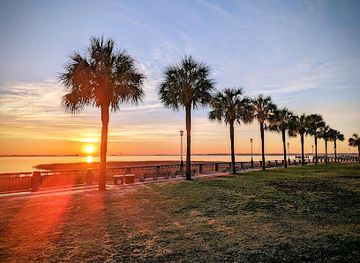
Waterfront Park
Discover the beauty and tranquility of Waterfront Park in Charleston, a stunning urban retreat with breathtaking harbor views and rich historical significance.
-
Park
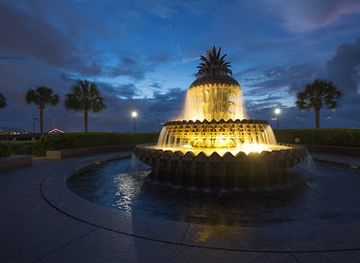
Joe Riley Waterfront Park
Experience the natural beauty and historical charm of Joe Riley Waterfront Park in Charleston, a perfect retreat for relaxation and scenic views.
Explore Lowcountry on the map
Plan your trip on one map. See where the top cities, national parks and sights are, and book hotels and experiences in a few clicks.
Best hotels in Lowcountry
Best restaurants in Lowcountry
Lowcountry cooking draws on tidal waters, rice agriculture and African, European and Caribbean culinary influences. Shrimp and grits, she-crab soup, oysters, blue crab, fried fish, okra, benne wafers and variations of Lowcountry boil are widely associated with the coast, although recipes and claims of local provenance differ between communities. Charleston has the greatest range, from seafood restaurants and oyster bars to cafés, bakeries, contemporary Southern kitchens and formal dining rooms. Beaufort, Edisto Island, Hilton Head Island and smaller waterfront communities offer fish camps, casual seafood restaurants, barbecue, country cooking and seasonal farm produce. Farmers' markets and roadside stands can provide tomatoes, peaches, beans and other South Carolina produce when in season. Menus may also reflect Gullah Geechee food traditions through rice dishes, seafood stews and techniques using local vegetables. Sweet tea, regional beer and American wines are common accompaniments, while visitors should look for clearly stated sourcing rather than assuming that every seafood dish is caught nearby.
-
Seafood
Hyman's Seafood
Discover the essence of Charleston dining at Hyman's Seafood – where fresh flavors meet Southern hospitality in every dish.
-
American
Page's Okra Grill
Experience the taste of Southern cuisine at Page's Okra Grill in Mt. Pleasant - a family-friendly restaurant serving delicious barbecue and American favorites.
-
Seafood
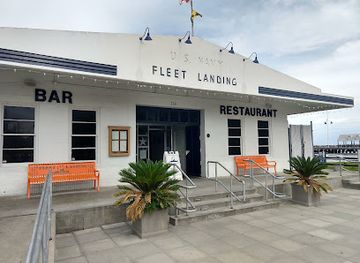
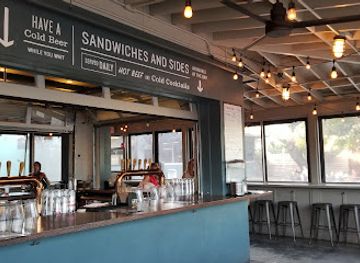
Fleet Landing Restaurant & Bar
Experience Charleston's vibrant seafood culture at Fleet Landing Restaurant & Bar with stunning waterfront views and delicious Southern cuisine.
-
Barbecue
Lewis Barbecue Charleston
Experience authentic Southern barbecue at Lewis Barbecue in Charleston – where smoky flavors meet vibrant local culture.

Best bars in Lowcountry
Evening life is concentrated in Charleston, where historic streets contain traditional pubs, cocktail bars, wine bars, breweries, live-music rooms and restaurants open into the night. The atmosphere ranges from polished urban venues to relaxed bars in converted historic buildings, and local licensing and noise rules shape closing times. Beaufort has a smaller scene centred on waterfront restaurants, pubs, independent bars and occasional live music, while Hilton Head Island focuses on resort bars, hotel lounges, restaurants and seasonal entertainment rather than a dense nightclub district. In rural and island communities, evenings are more likely to revolve around a pub, seafood restaurant, brewery, community performance or music venue than a late-night club. Summer and holiday periods can bring more activity, but visitors should check current arrangements rather than rely on assumptions about opening hours or events.
-
American
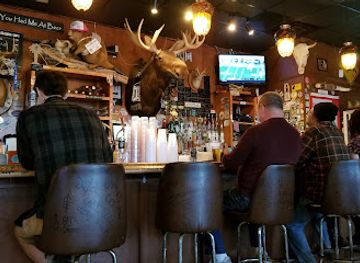
The Tattooed Moose
Discover The Tattooed Moose in North Charleston - a lively American restaurant offering delicious food, craft beers, and a vibrant local atmosphere.
-
American
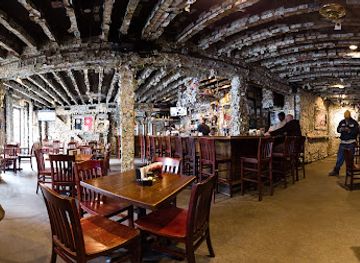
The Griffon
Experience the heart of Charleston at The Griffon, an American pub offering delicious food, craft beers, and a vibrant atmosphere in the historic French Quarter.
-
Pub
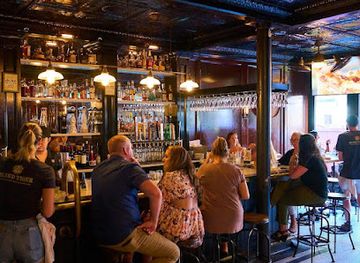
Blind Tiger Pub
Discover the lively ambiance and unique flavors of Blind Tiger Pub in Charleston's historic French Quarter, where craft cocktails and local brews await.
-
Grill
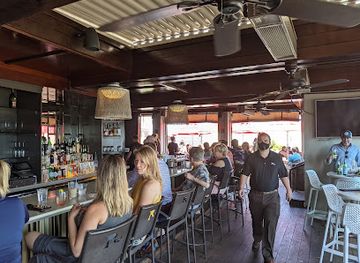
The Rooftop at the Vendue
Enjoy breathtaking views and delicious Southern cuisine at The Rooftop at the Vendue, a top dining destination in Charleston's historic French Quarter.
Best nightclubs in Lowcountry
Evening life is concentrated in Charleston, where historic streets contain traditional pubs, cocktail bars, wine bars, breweries, live-music rooms and restaurants open into the night. The atmosphere ranges from polished urban venues to relaxed bars in converted historic buildings, and local licensing and noise rules shape closing times. Beaufort has a smaller scene centred on waterfront restaurants, pubs, independent bars and occasional live music, while Hilton Head Island focuses on resort bars, hotel lounges, restaurants and seasonal entertainment rather than a dense nightclub district. In rural and island communities, evenings are more likely to revolve around a pub, seafood restaurant, brewery, community performance or music venue than a late-night club. Summer and holiday periods can bring more activity, but visitors should check current arrangements rather than rely on assumptions about opening hours or events.
-
 Grill
GrillThe Rooftop at the Vendue
Discover the perfect blend of breathtaking views and exquisite American cuisine at The Rooftop at the Vendue in Charleston.
-
Cocktail bar
Prohibition
Experience Charleston's vibrant nightlife at Prohibition, a cocktail bar blending live music and innovative drinks in an inviting lounge atmosphere.
-
Night club
Republic Garden & Lounge
Unleash your nightlife experience at Republic Garden & Lounge, where cocktails, tapas, and vibrant music create unforgettable moments in Charleston.
-
Night club
INK Rooftop & Lounge
Discover Charleston's vibrant nightlife at INK Rooftop & Lounge, where stunning views and lively ambiance come together for an unforgettable evening.
Best shops in Lowcountry
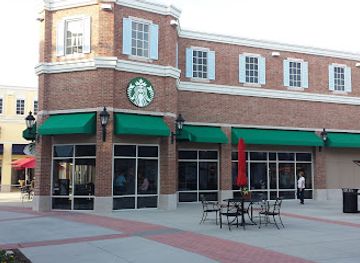
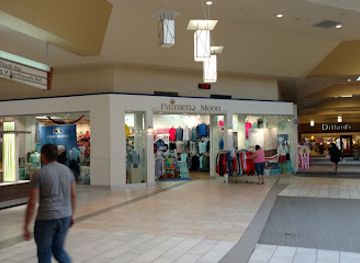
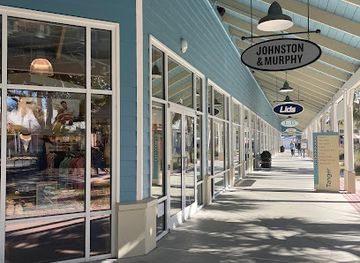
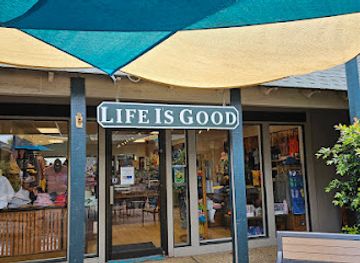
Shopping ranges from Charleston's historic commercial streets and independent boutiques to small-town high streets, island galleries and farmers' markets. Charleston is the strongest centre for books, design, clothing, antiques, art, jewellery and locally made food products, with much of the appeal coming from the character of the historic setting rather than large shopping centres. Beaufort offers galleries, craft shops, antiques, books and gifts around its compact downtown, while Hilton Head Island has resort-oriented retail, art galleries, outdoor equipment and island-themed products. On the sea islands and rural coast, look for produce stands, seafood businesses, basketry, pottery, textiles and crafts connected to local makers; sweetgrass basket traditions are especially associated with the Lowcountry, though authenticity and provenance should be considered carefully. Markets and farm stalls are seasonal, and smaller shops may keep limited hours outside the main visitor periods. Regional food products such as benne wafers, preserves, hot sauce, rice and locally roasted coffee make practical souvenirs.
-
Outlet mall
Tanger Outlets Charleston
Discover unbeatable deals at Tanger Outlets Charleston, the ultimate shopping destination with top brand outlets and diverse dining options.
-
Shopping mall
Northwoods Mall
Discover Northwoods Mall, a vibrant shopping center in North Charleston, SC, offering diverse stores and dining options for an unforgettable shopping experience.
-
Outlet mall
Tanger Outlets Hilton Head
Discover unbeatable deals and a delightful shopping experience at Tanger Outlets Hilton Head, your go-to destination for brand-name bargains.
-
Shopping mall
Coligny Plaza Shopping Center
Experience the best of shopping, dining, and entertainment at Coligny Plaza Shopping Center on Hilton Head Island, South Carolina.
Get your free copy of our complete guide to Lowcountry, delivered straight to you.
Everything on this page, from attractions and restaurants to essentials and local phrases, in one PDF you can read offline, print or share.
Already have an account? Sign in
Your Lowcountry guide is ready.
We'll send it to · Not you? Sign out

Getting your guide ready…
We are putting together a fresh copy of the Lowcountry guide. This can take up to a minute.
This can take a few moments. If your browser asks, choose Allow so the download can start. You'll find the guide in your Downloads folder.
Nothing happened? Download it again
Sorry, the guide is taking longer than usual. Please try again in a minute, or get it by email instead.
Lowcountry essentials
Currency and Payment
Safety
Emergency Situations
Do's and Don'ts
Local Tips
From Eve
Local phrases worth knowing
You don't need to get them perfect. A few words go a long way, and locals appreciate the effort.
Basics
| English | Local | Say it |
|---|---|---|
| Hello | Hey y'all | [Hay yawl] |
| Goodbye | See ya later | [See yah lay-tuh] |
| Yes | Yup | [Yup] |
| No | Nah | [Nah] |
| Please/You’re welcome | Please/No problem | [Pleez/No prob-lum] |
| Thank you | Thank you kindly | [Thank yuh kynd-lee] |
| Excuse me/Sorry | Pardon me/Sorry 'bout that | [Pahr-dun mee/Sor-ree bowt that] |
| How are you? | How y'all doin'? | [How yawl doin'?] |
| Fine. And you? | I'm doin' good. And you? | [I'm doin' gud. And yuh?] |
| Do you speak English? | Y'all speakin' English? | [Y'all spee-kin' Ing-lish?] |
| I don't understand | I don’t get it | [I don’t git it] |
Eating & Drinking
| English | Local | Say it |
|---|---|---|
| I’d like to see the menu, please | Can I see the menu, please? | [Can I see thuh men-yoo, pleez?] |
| I don't eat meat | I don’t eat meat | [I don’t eet meat] |
| Cheers! | Cheers! | [Cheers!] |
| I would like to pay, please | Can I settle up, please? | [Can I set-tle up, pleez?] |
Emergencies
| English | Local | Say it |
|---|---|---|
| Help! | Help! | [Help!] |
| Go away! | Leave me be! | [Leave me bee!] |
| Call the Police! | Call the cops! | [Call thuh cops!] |
| Call a doctor! | Get a doctor! | [Get a doc-tuh!] |
| I’m lost | I'm lost | [I'm lost] |
| I’m ill | I ain't feelin' good | [I ain't feelin' gud] |
Shopping
| English | Local | Say it |
|---|---|---|
| I’d like to buy... | I wanna buy... | [I wanna bye...] |
| I’m just looking | Just lookin' | [Just lookin'] |
| How much is it? | How much is this? | [How much is this?] |
| That’s too expensive | That’s a bit pricey | [That’s a bit pry-see] |
| Can you lower the price? | Can ya bring the price down? | [Can ya bring thuh price down?] |
Time & Numbers
| English | Local | Say it |
|---|---|---|
| What time is it? | What time is it? | [What time is it?] |
| It’s one o’clock | It's one o'clock | [It's one o'clock] |
| Half past (10) | Half past ten | [Half past ten] |
| Morning | Mornin' | [Mornin'] |
| Afternoon | Afternoon | [Afternoon] |
| Evening | Evenin' | [Evenin'] |
| Yesterday | Yesterday | [Yesterday] |
| Today | Today | [Today] |
| Tomorrow | Tomorrow | [Tomorrow] |
| 1 | One | [Wun] |
| 2 | Two | [Too] |
| 3 | Three | [Three] |
| 4 | Four | [For] |
| 5 | Five | [Five] |
| 6 | Six | [Six] |
| 7 | Seven | [Seven] |
| 8 | Eight | [Eight] |
| 9 | Nine | [Nine] |
| 10 | Ten | [Ten] |
Transport & Directions
| English | Local | Say it |
|---|---|---|
| Where's a/the...? | Where's the...? | [Where's thuh...?] |
| What’s the address? | What's the address? | [What's thuh ad-dress?] |
| Can you show me (on the map)? | Can you point it out for me? | [Can yuh point it out for me?] |
| When's the next (bus)? | When's the next bus? | [When's thuh next bus?] |
| A ticket (to ....) | A ticket to... | [A tick-it to...] |
History of Lowcountry
Indigenous Coastal Communities before European Colonisation
Long before European settlement, the South Carolina coast was inhabited by Indigenous peoples including the Cusabo-speaking communities encountered by early colonists. Rivers, estuaries and maritime forests supported fishing, shellfish gathering, hunting and farming, while established paths connected inland and coastal settlements. European diseases, warfare, enslavement and land dispossession profoundly altered these societies after contact. Archaeological sites, shell middens, place names and surviving cultural knowledge provide reminders that the Lowcountry's history did not begin with Charleston's founding.
Charleston and the Colonial Plantation Economy
Founded by English colonists in 1670 and initially established at Albemarle Point before moving to its present site, Charleston became a major port in the Carolina colony. The coastal plain's rivers and wetlands were adapted for rice cultivation, an agricultural system that depended heavily on the expertise and forced labour of enslaved Africans. Indigo later became another important export. Wealth from these commodities shaped Charleston's architecture, political influence and surrounding plantations, while the region's economy remained tied to Atlantic trade and the expansion of slavery.
The Gullah Geechee Cultural Formation
On the sea islands and coastal mainland, enslaved Africans and their descendants developed distinctive cultural forms often described today as Gullah Geechee. Relative isolation, African linguistic and agricultural knowledge, and the persistence of community networks helped shape traditions in language, storytelling, craft, music and food. After emancipation, many families maintained connections to island land and coastal occupations, although later development and land pressure caused substantial displacement. The Gullah Geechee Cultural Heritage Corridor now recognises this broader story across the coastal South.
Revolutionary War and the Siege of Charleston
The Lowcountry was a significant theatre during the American Revolutionary War. Charleston was besieged by British forces in 1780 and surrendered, making it one of the major Patriot defeats of the conflict. Fighting continued across the surrounding countryside, involving regular troops, militia and civilians. The region's strategic ports, waterways and plantations made control of the area important to both sides. Fort Moultrie on Sullivan's Island, whose palmetto-log defences famously resisted an earlier British attack in 1776, preserves part of this military history.
Civil War, Emancipation and Reconstruction
South Carolina occupied a central place in the crisis that led to the American Civil War, and Fort Sumter in Charleston Harbour became the site of the opening bombardment in April 1861. Much of the surrounding coast was affected by blockade, military occupation and plantation disruption. The Port Royal Experiment near Beaufort, begun after Union forces captured the Sea Islands in 1861, involved formerly enslaved people, educators and administrators testing new forms of paid labour, education and self-government. Emancipation brought freedom but not economic equality, and Reconstruction was followed by segregation and racial violence.
Maritime Trade, Rice Decline and the Port Economy
Charleston and smaller coastal ports remained connected to shipping, fishing and agricultural trade after the Civil War, but the old plantation economy declined. Rice cultivation suffered from emancipation, labour changes, storms and competition from other growing regions, and many former rice fields gradually became wetlands or wildlife habitat. Timber, naval stores and other goods also shaped the coastal economy. In the twentieth century, Charleston's modern port, naval facilities and later tourism became increasingly important, while smaller communities retained working waterfronts and agricultural traditions.
Twentieth-Century Tourism and Coastal Development
Improved roads, bridges and air travel transformed the Lowcountry during the twentieth century. Hilton Head Island developed from a relatively rural and timber-oriented island into a major resort destination, while beaches and waterfront communities attracted visitors from across the United States. Charleston's historic buildings also became central to a growing heritage-tourism economy, accompanied by preservation efforts and debates about representation, housing and displacement. Today the region balances tourism, port activity, conservation and residential growth against the vulnerability of marshes and barrier islands to hurricanes, flooding and sea-level rise.
Lowcountry in Photos
Browse through our photo collection highlighting the charm and character of the destination.
Neighbouring regions of Lowcountry
The closest regions to Lowcountry, if you have time for more than one.
-

-

-

-

-


Swipe for more regions
Explore more

Explore more of South Carolina
Explore South Carolina: A blend of historic charm, natural beauty, and southern hospitality. From Charleston's cobblestone streets to Myrtle Beach's sandy shores, adventure awaits.
Explore South Carolina