

Free Sea Islands Travel Guide & Mobile App
Explore Sea Islands with free travel guides. Discover regional history, expert tips, proposed trips, and audio guides on web or mobile app.


Explore South Carolina’s Sea Islands for tidal marshes, barrier beaches, Gullah Geechee culture, seafood and Lowcountry landscapes shaped by the sea.
Read more about Sea Islands
When is the best time to visit Sea Islands?
Best: April, October–November · 20–26°C| Month | High (°C) | Rainfall (mm) |
|---|---|---|
| January | 15 | 85 |
| February | 17 | 76 |
| March | 21 | 89 |
| April (best) | 25 | 78 |
| May | 29 | 93 |
| June | 33 | 135 |
| July | 34 | 147 |
| August | 34 | 149 |
| September | 31 | 137 |
| October (best) | 26 | 94 |
| November (best) | 20 | 81 |
| December | 16 | 86 |
Getting to and around Sea Islands
How to get there
Transportation
Top city travel guides in Sea Islands
The cities of Sea Islands, and the easiest places to base yourself.

Swipe for more cities
Destinations in Sea Islands
Resorts, valleys and scenic spots worth a trip of their own.
-

-


Swipe for more destinations
Best attractions in Sea Islands
The Sea Islands’ attractions are defined by the meeting of land and water. Beaches on Hilton Head, Kiawah, Seabrook, Edisto, Hunting and Fripp islands support swimming, cycling, birdwatching and long walks, while their dunes and maritime forests provide important wildlife habitat. Hunting Island State Park is one of the region’s best-known nature areas, with forest, beach and lagoon environments, while the ACE Basin offers extensive estuarine landscapes for paddling, wildlife watching and guided excursions. Heritage attractions include the Penn Center on St Helena Island, one of the country’s important sites associated with African American education and self-determination, as well as Gullah Geechee cultural programmes across the Lowcountry. Beaufort’s historic district, although on the mainland, is a practical cultural base for the southern islands. On Daufuskie, visitors encounter a quieter island environment reached by boat, with roads and services unlike those of resort-oriented Hilton Head. Golf, fishing, sailing, kayaking and dolphin-watching are widely available, but the strongest experiences often come from understanding tides, habitats and the people whose histories are rooted in these waterways.
-
Tourist attraction
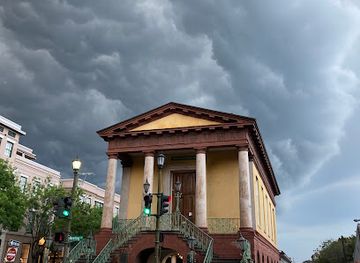
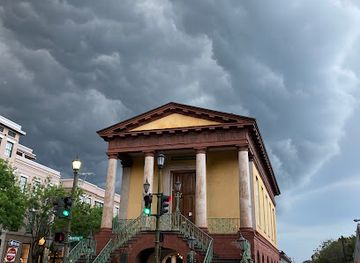
Charleston City Market
Discover the heart of Charleston at the historic City Market, where local artisans and flavors come together in a vibrant cultural experience.
-
Tourist attraction
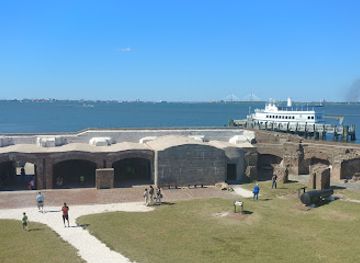
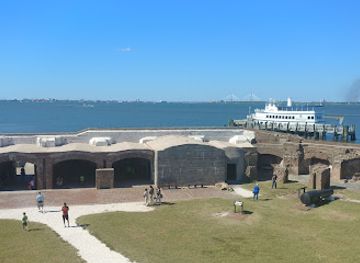
Fort Sumter National Monument
Explore the historic Fort Sumter National Monument, the birthplace of the Civil War, surrounded by scenic waters and rich history in South Carolina.
-
Tourist attraction
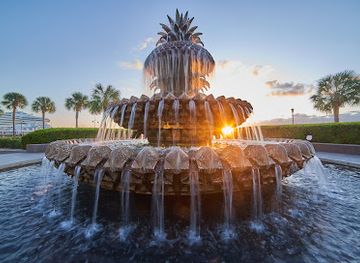
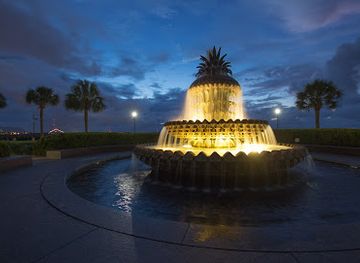
Waterfront Park
Explore the picturesque Waterfront Park in Charleston, SC, featuring stunning harbor views, lush gardens, and a delightful atmosphere for all visitors.
-
Tourist attraction
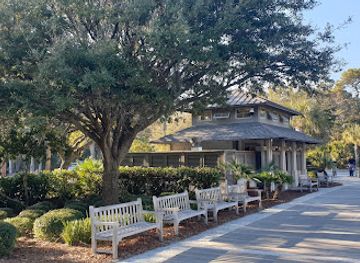
Coligny Beach Park
Discover the beauty of Coligny Beach Park, a coastal paradise on Hilton Head Island, perfect for sunbathing, water sports, and family fun.
Best landmarks in Sea Islands
The Sea Islands’ most significant landmarks combine cultural memory with coastal geography. The Penn Center on St Helena Island occupies the site of a historic school established during the Port Royal Experiment and remains an important place for understanding African American education, land and community life. Hunting Island’s lighthouse, rebuilt after hurricane damage and standing within the state park, is a recognisable marker of the coast, while the island’s dunes, maritime forest and beach express the region’s changing shoreline. The historic districts of Beaufort, on the mainland, contain antebellum and later buildings that reflect the commercial world connected to the islands, though Beaufort is not itself an island. On Hilton Head, the Harbour Town Lighthouse is a prominent modern coastal landmark within the resort landscape. Daufuskie’s historic churches, cemeteries and community sites are more meaningful than grand architecture, revealing the island’s African American history and relative isolation. Across the region, live oaks, tidal creeks, rice-field remnants and broad salt marshes are landmarks in their own right, shaped by both natural processes and human labour.
-
Historical landmark
Charleston City Market
Explore the vibrant Charleston City Market, a historic landmark filled with local crafts, delicious food, and cultural experiences in the heart of the city.
-
Historical place
Fort Sumter National Monument
Discover Fort Sumter National Monument, a historical landmark in Charleston Harbor where America's Civil War began and history comes alive.
-
Tourist attraction
Waterfront Park
Discover the tranquility of Waterfront Park in Charleston, SC, where scenic views, lush green spaces, and historic charm come together for an unforgettable experience.
-
Historical landmark
Angel Oak Tree
Discover the breathtaking Angel Oak Tree, a historic live oak in South Carolina, standing tall for centuries amidst captivating natural beauty.
Explore Sea Islands on the map
Plan your trip on one map. See where the top cities, national parks and sights are, and book hotels and experiences in a few clicks.
Best hotels in Sea Islands
Best restaurants in Sea Islands
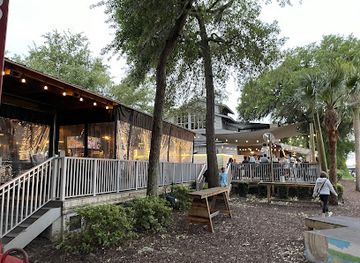
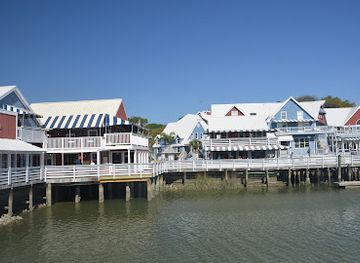
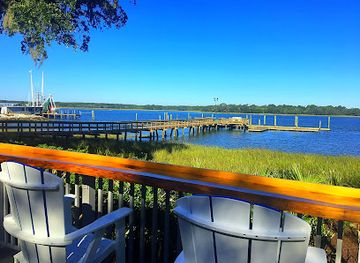
Sea Islands dining draws on the Lowcountry’s coastal larder and African American culinary traditions. Shrimp, crab, oysters, fish, clams and other seafood appear alongside rice, okra, tomatoes, corn, greens and benne seeds, the sesame seeds associated with West African foodways. Lowcountry preparations such as shrimp and grits, crab rice and seafood stews are found in many parts of the region, though recipes vary between households and restaurants. Hilton Head and the larger resort islands offer a broad choice of seafood restaurants, cafés and contemporary dining rooms, while Edisto, St Helena and the Beaufort area have a more dispersed mix of family-run restaurants, casual seafood counters and rural establishments. Farmers’ markets and roadside stands may offer seasonal peaches, tomatoes, local honey and baked goods from the wider South Carolina Lowcountry. Oysters are especially associated with cooler months, but availability depends on conditions and harvest regulations. Ask whether seafood is locally sourced, and remember that a familiar Lowcountry dish may reflect a regional tradition rather than a recipe belonging to one island alone.
-
Seafood
Skull Creek Boathouse
Discover fresh seafood and breathtaking views at Skull Creek Boathouse on Hilton Head Island - A culinary gem by the water.
-
Seafood
The Salty Dog Cafe
Discover fresh seafood delights at The Salty Dog Cafe in Hilton Head Island - where flavor meets coastal charm.
-
Seafood
Skull Creek Dockside
Discover the flavors of Hilton Head Island at Skull Creek Dockside - where fresh seafood meets stunning waterfront views.
-
American
Poe's Tavern
Discover Poe's Tavern on Sullivan's Island - where delicious American cuisine meets coastal charm in a vibrant atmosphere.
Best bars in Sea Islands
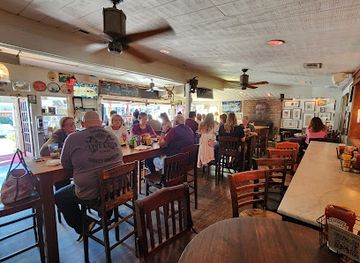
Evenings in the Sea Islands are generally centred on restaurants, hotel bars, breweries, waterfront patios and traditional pubs rather than a large nightclub circuit. Hilton Head has the broadest concentration of evening venues, including live music, casual bars and seasonal entertainment, while Beaufort provides a more town-based choice of historic inns, cocktail bars, restaurants and small music venues. On Kiawah, Seabrook, Fripp and other resort-oriented islands, nightlife is often linked to accommodation and dining complexes and can be quieter outside holiday periods. Edisto, St Helena and Daufuskie favour low-key evenings, with sunset outings, local gatherings and limited late-night options. In coastal communities, check transport arrangements before drinking, particularly where bridges are distant or boat access is involved. Seasonal events and live performances change regularly, so local listings are more reliable than assuming a permanent club scene.
-
American
RipTydz Oceanfront Grille & Rooftop Bar
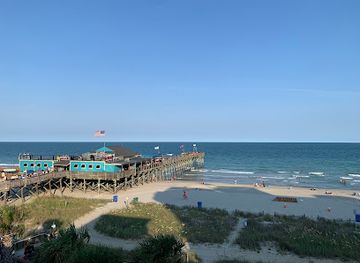
Experience the best of Myrtle Beach dining at RipTydz Oceanfront Grille & Rooftop Bar, where great food meets breathtaking ocean views.
-
Bar
Bummz Beach Cafe
Discover the vibrant flavors and lively atmosphere of Bummz Beach Cafe, your go-to destination for beachside dining and live music in Myrtle Beach.
-
Grill
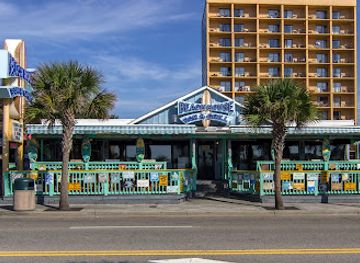
Beach House Bar & Grill
Experience the best of Myrtle Beach dining at Beach House Bar & Grill, where fresh seafood meets vibrant ocean views in a casual atmosphere.
-
Grill
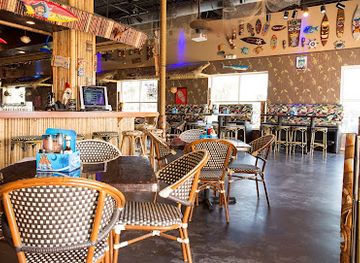
8th Ave Tiki Bar & Grill
Discover the ultimate beachside dining experience at 8th Ave Tiki Bar & Grill, where Mediterranean flavors meet vibrant nightlife.
Best nightclubs in Sea Islands
Evenings in the Sea Islands are generally centred on restaurants, hotel bars, breweries, waterfront patios and traditional pubs rather than a large nightclub circuit. Hilton Head has the broadest concentration of evening venues, including live music, casual bars and seasonal entertainment, while Beaufort provides a more town-based choice of historic inns, cocktail bars, restaurants and small music venues. On Kiawah, Seabrook, Fripp and other resort-oriented islands, nightlife is often linked to accommodation and dining complexes and can be quieter outside holiday periods. Edisto, St Helena and Daufuskie favour low-key evenings, with sunset outings, local gatherings and limited late-night options. In coastal communities, check transport arrangements before drinking, particularly where bridges are distant or boat access is involved. Seasonal events and live performances change regularly, so local listings are more reliable than assuming a permanent club scene.
-
Night club
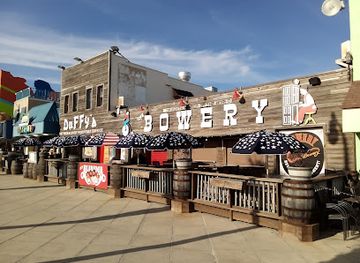
The Bowery
Experience the vibrant nightlife at The Bowery, Myrtle Beach's premier spot for live music, delicious dining, and unforgettable moments.
-
Seafood
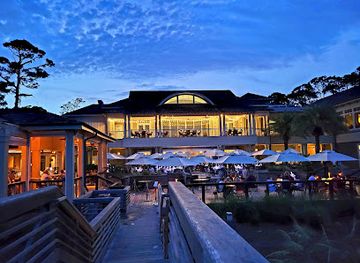
Sea Pines Beach Club
Discover the ultimate seafood experience at Sea Pines Beach Club, where coastal flavors and scenic views meet on Hilton Head Island.
-
Night club
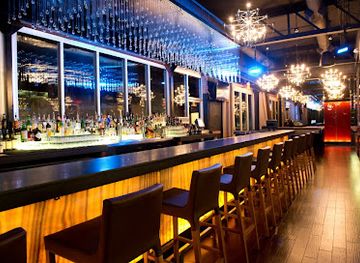
Republic Garden & Lounge
Discover the nightlife at Republic Garden & Lounge, a vibrant cocktail bar and tapas restaurant in the heart of Charleston, South Carolina.
-
Night club
The Commodore
Experience the vibrant atmosphere and live music at The Commodore, Charleston's premier nightlife destination offering unforgettable nights out.

Best shops in Sea Islands
Shopping in the Sea Islands ranges from resort retail to community markets and locally made craftwork. Hilton Head has the largest concentration of boutiques, galleries, outdoor shops, gift stores and shopping centres, with clothing, beach equipment, art and food products aimed at visitors and residents. Beaufort’s historic commercial streets provide independent galleries, bookshops, antiques and small design-led retailers, while Edisto, St Helena and other rural islands offer a more limited but distinctive selection of farm stands, craft outlets and locally produced goods. Look for sweetgrass baskets, whose weaving tradition is strongly associated with Gullah Geechee communities, but buy from recognised local makers and respect the cultural history attached to the craft. Regional food gifts may include benne wafers, hot sauces, honey, preserves, seafood seasoning and Lowcountry rice products. Markets and retail hours vary seasonally, and some small businesses accept cash more readily than larger stores. Avoid removing shells, plants or historic objects from beaches and heritage sites as souvenirs.
-
Outlet mall
Tanger Outlets Hilton Head
Experience unbeatable shopping deals at Tanger Outlets Hilton Head, where top brands meet irresistible prices in a picturesque setting.
-
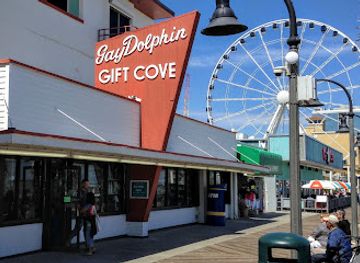
Gift shop
Gay Dolphin Gift Cove
Explore Gay Dolphin Gift Cove in Myrtle Beach for unique gifts, beach souvenirs, and delightful antiques that celebrate the coastal lifestyle.
-
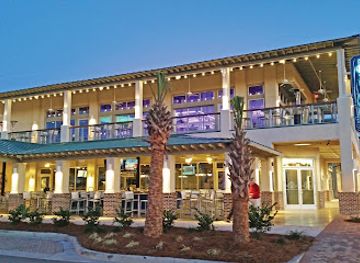
Business center
Shelter Cove Towne Centre
Experience the charm of Shelter Cove Towne Centre, where shopping, dining, and stunning waterfront views come together for an unforgettable vacation.
-
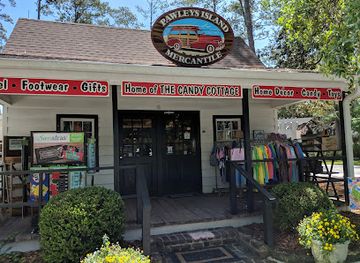
Shopping mall
Hammock Shops Village
Experience the unique charm of Hammock Shops Village in Pawleys Island, SC, with its artisan shops and delightful dining options.

Get your free copy of our complete guide to Sea Islands, delivered straight to you.
Everything on this page, from attractions and restaurants to essentials and local phrases, in one PDF you can read offline, print or share.
Already have an account? Sign in
Your Sea Islands guide is ready.
We'll send it to · Not you? Sign out

Getting your guide ready…
We are putting together a fresh copy of the Sea Islands guide. This can take up to a minute.
This can take a few moments. If your browser asks, choose Allow so the download can start. You'll find the guide in your Downloads folder.
Nothing happened? Download it again
Sorry, the guide is taking longer than usual. Please try again in a minute, or get it by email instead.
Sea Islands essentials
Currency and Payment
Safety
Emergency Situations
Do's and Don'ts
Local Tips
From Eve
Local phrases worth knowing
You don't need to get them perfect. A few words go a long way, and locals appreciate the effort.
Basics
| English | Local | Say it |
|---|---|---|
| Hello | Hey | [Hey] |
| Goodbye | Bye now | [Bye now] |
| Yes | Yup | [Yup] |
| No | Nah | [Nah] |
| Please/You're welcome | Please | [Please] |
| Thank you | Thank ya | [Thank ya] |
| Excuse me/Sorry | Pardon me | [Pardon me] |
| How are you? | How ya doin'? | [How ya doin'?] |
| Fine. And you? | I’m fine, and you? | [I’m fine, and you?] |
| Do you speak English? | Ya speakin' English? | [Ya speakin' English?] |
| I don't understand | I don’t get it | [I don’t get it] |
Eating & Drinking
| English | Local | Say it |
|---|---|---|
| I'd like to see the menu, please | Can I see the menu, please? | [Can I see the menu, please?] |
| I don't eat meat | I don’t eat no meat | [I don’t eat no meat] |
| Cheers! | Cheers! | [Cheers!] |
| I would like to pay, please | I wanna pay, please | [I wanna pay, please] |
Emergencies
| English | Local | Say it |
|---|---|---|
| Help! | Help! | [Help!] |
| Go away! | Get on outta here! | [Get on outta here!] |
| Call the Police! | Call the cops! | [Call the cops!] |
| Call a doctor! | Call a doc! | [Call a doc!] |
| I'm lost | I’m lost | [I’m lost] |
| I'm ill | I’m feelin' bad | [I’m feelin' bad] |
Shopping
| English | Local | Say it |
|---|---|---|
| I'd like to buy... | I wanna buy... | [I wanna buy...] |
| I'm just looking | I’m just lookin' | [I’m just lookin'] |
| How much is it? | How much it cost? | [How much it cost?] |
| That's too expensive | That’s too high | [That’s too high] |
| Can you lower the price? | Can ya bring down the price? | [Can ya bring down the price?] |
Time & Numbers
| English | Local | Say it |
|---|---|---|
| What time is it? | What time it be? | [What time it be?] |
| It's one o'clock | It’s one o'clock | [It’s one o'clock] |
| Half past (10) | Half past ten | [Half past ten] |
| Morning | Mornin' | [Mornin'] |
| Afternoon | Afternoon | [Afternoon] |
| Evening | Evenin' | [Evenin'] |
| Yesterday | Yesterday | [Yesterday] |
| Today | Today | [Today] |
| Tomorrow | Tomorrow | [Tomorrow] |
| 1 | One | [One] |
| 2 | Two | [Two] |
| 3 | Three | [Three] |
| 4 | Four | [Four] |
| 5 | Five | [Five] |
| 6 | Six | [Six] |
| 7 | Seven | [Seven] |
| 8 | Eight | [Eight] |
| 9 | Nine | [Nine] |
| 10 | Ten | [Ten] |
Transport & Directions
| English | Local | Say it |
|---|---|---|
| Where's a/the...? | Where that...? | [Where that...?] |
| What's the address? | What’s the address? | [What’s the address?] |
| Can you show me (on the map)? | Can ya show me on the map? | [Can ya show me on the map?] |
| When's the next (bus)? | When the next bus come? | [When the next bus come?] |
| A ticket (to ....) | A ticket to... | [A ticket to...] |
History of Sea Islands
Indigenous Coastal Communities Before European Settlement
Long before European colonisation, Indigenous peoples lived along South Carolina’s rivers, estuaries and islands, using the coast’s abundant fish, shellfish, game and plant resources. The Cusabo groups occupied much of the central and southern coastal area, while Catawba influence extended from the interior towards the Lowcountry. Shell middens, place names and archaeological evidence record sustained relationships with the tidal environment. Epidemics, warfare, enslavement and colonial expansion severely disrupted these communities, but Indigenous history remains part of the region’s deeper cultural landscape.
Plantations, Rice and Colonial Lowcountry Society
During the eighteenth century, colonists developed plantations across the coastal plain and islands, especially where tidal rivers could be controlled for rice cultivation. The plantation economy depended on the forced labour of enslaved Africans, many of whom came from West Africa and brought agricultural knowledge suited to wetlands. Indigo and later Sea Island cotton also shaped the economy. Wealth from these crops influenced Charleston and the surrounding Lowcountry, while the islands became places of both agricultural production and tightly controlled enslaved communities.
The Formation of Gullah Geechee Culture
The relative isolation of coastal plantations, the concentration of Africans and African Americans, and continued maritime connections helped distinctive Gullah Geechee culture develop across the Sea Islands. Its influences are visible in language, rice-based cooking, basketry, praise-house traditions, naming practices, music and oral history. After emancipation, African American families maintained communities on land that had been worked by their ancestors, although later land sales, taxation, development pressure and displacement threatened many of these holdings. Gullah Geechee culture remains central to the region’s identity.
The Civil War and the Port Royal Experiment
Union forces captured Port Royal and nearby Sea Islands in late 1861, causing many white plantation owners to flee. Enslaved people who remained sought freedom behind Union lines, and the area became the setting for the Port Royal Experiment. Northern teachers, missionaries and administrators worked with formerly enslaved communities on education, paid labour and land management. The experiment was incomplete and contested, but it offered an important early example of Black self-determination during the Civil War and Reconstruction era.
Emancipation, Land and Coastal African American Communities
After the Civil War, freedpeople in the Sea Islands built churches, schools, farms and family networks, often on small parcels or inherited plantation land. Isolation helped preserve cultural practices, but legal and economic pressures gradually reduced African American landownership. The settlement patterns visible on St Helena Island, Daufuskie Island and parts of the coastal mainland reflect this long history. Historic churches, cemeteries, praise houses, family lands and community stories provide important evidence of life after emancipation.
Military Bases, Roads and the Rise of Tourism
The twentieth century brought major changes as bridges, improved roads, military installations and new development connected the islands more closely to mainland markets. Hilton Head Island evolved from a timbering, fishing and farming landscape into a nationally known resort destination, while other islands followed different paths, from residential development to conservation and working communities. The opening of bridges and expansion of tourism created employment and infrastructure but also increased pressure on wetlands, beaches, historic communities and culturally significant land.
Conservation and Contemporary Coastal Change
Late twentieth- and early twenty-first-century conservation efforts protected important marshes, forests and beaches through wildlife refuges, land trusts, parks and carefully managed developments. Hunting Island, ACE Basin lands and other coastal preserves demonstrate the importance of habitat protection in a region vulnerable to erosion, hurricanes, sea-level rise and flooding. At the same time, Gullah Geechee residents and advocates continue to address land loss, cultural preservation and development pressure, linking environmental stewardship with the survival of historic coastal communities.
Sea Islands in Photos
Browse through our photo collection highlighting the charm and character of the destination.
Neighbouring regions of Sea Islands
The closest regions to Sea Islands, if you have time for more than one.
-

-

-

-

-


Swipe for more regions
Explore more

Explore more of South Carolina
Explore South Carolina: A blend of historic charm, natural beauty, and southern hospitality. From Charleston's cobblestone streets to Myrtle Beach's sandy shores, adventure awaits.
Explore South Carolina