

Free North Charleston Travel Guide & Mobile App
Plan your North Charleston trip with Evendo. Get free guides to top attractions, restaurants, hotels, and bars. Web access or download the mobile app.


North Charleston combines Lowcountry history, riverfront parks, maritime heritage, live music, local dining and easy access to Charleston's attractions.
A City Shaped by Water and Work
North Charleston lies just north of historic Charleston, where tidal rivers, marshes and transport corridors meet the wider Lowcountry. Although often used as a practical base for exploring the Charleston region, it has a character of its own: an industrial and maritime city with neighbourhoods, cultural venues and public spaces that reflect a more recent urban history. The Cooper and Ashley rivers frame its western and eastern edges, while the former Charleston Navy Base and its surrounding communities reveal the importance of shipbuilding, logistics and military employment to the city's development.Read more about North Charleston
Neighbourhoods and Cultural Life
Access to the Lowcountry
When is the best time to visit North Charleston?
Best: April, October–November · 22–26°C| Month | High (°C) | Rainfall (mm) |
|---|---|---|
| January | 15 | 89 |
| February | 18 | 92 |
| March | 22 | 100 |
| April (best) | 26 | 86 |
| May | 30 | 96 |
| June | 33 | 156 |
| July | 35 | 166 |
| August | 34 | 182 |
| September | 31 | 149 |
| October (best) | 26 | 106 |
| November (best) | 22 | 87 |
| December | 17 | 86 |
Getting to and around North Charleston
How to get there
Transportation
Best attractions in North Charleston
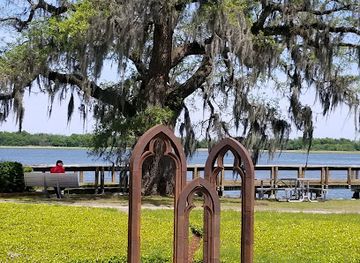
North Charleston's attractions reflect its maritime setting, industrial past and contemporary entertainment scene. Riverfront Park occupies part of the former Charleston Navy Base, with open lawns, Cooper River views and memorial features connected to the site's naval history. At the nearby Warren Lasch Conservation Center, the H.L. Hunley offers a carefully interpreted look at the Civil War-era submarine and the demanding archaeological work involved in conserving it. Park Circle provides a contrasting experience, with its broad central green, walkable streets and independent businesses around East Montague Avenue. The North Charleston Coliseum and Performing Arts Center brings touring music, comedy and sporting events to the city, while the South Carolina Stingrays play professional ice hockey there. Tanger Outlets Charleston supplies a large-scale shopping experience near the airport, and the Charleston Area Convention Center anchors the city's business and events infrastructure. Together, these places show North Charleston as more than an adjunct to Charleston's historic peninsula.
-
Garden
Magnolia Plantation and Gardens
Explore the enchanting Magnolia Plantation and Gardens in Charleston, SC, where history and natural beauty come together in a breathtaking landscape.
10 min drive · 3.5 km from city centre
-
Park
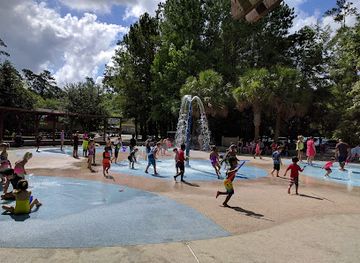
North Charleston Wannamaker County Park
Experience the natural splendor and recreational activities at North Charleston Wannamaker County Park, a serene escape in South Carolina.
24 min drive · 8.0 km from city centre
-
Historical landmark
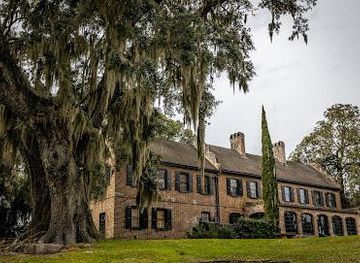
Middleton Place
Explore the historic beauty of Middleton Place in Charleston, SC, featuring stunning gardens, rich history, and Southern hospitality.
18 min drive · 6.2 km from city centre
-
Park
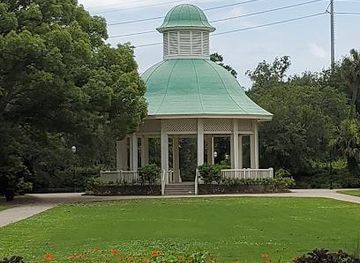
Hampton Park
Explore the beauty and history of Hampton Park, a serene oasis in Charleston, SC, perfect for picnics, strolls, and enjoying nature.
36 min drive · 16 km from city centre

Best landmarks in North Charleston
The former Charleston Navy Base is North Charleston's defining historic landscape, its surviving industrial structures and waterfront setting recalling the military and shipbuilding complex that shaped the city during the twentieth century. Riverfront Park provides the most accessible public vantage point over this changing shoreline and includes memorial interpretation linked to the naval site. The H.L. Hunley, conserved at the Warren Lasch Conservation Center, is a major maritime landmark: the submarine was associated with the Civil War and became the first combat submarine credited with sinking an enemy warship, though its own crew was lost. Park Circle is a civic landmark of a different kind, with a planned circular green that expresses the area's early industrial-era growth. The North Charleston City Hall and civic precinct represent the municipality's modern identity, while churches, established neighbourhoods and former base buildings add social and architectural layers beyond the tourist-facing sites.
-
Outlet mall
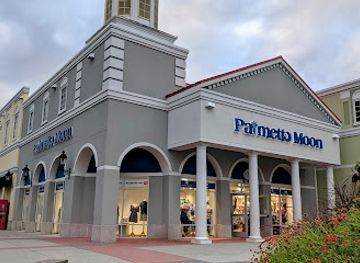
Tanger Outlets Charleston
Discover unbeatable deals and a delightful shopping experience at Tanger Outlets Charleston, a top destination for tourists in South Carolina.
19 min drive · 6.2 km from city centre
-
Garden
Magnolia Plantation and Gardens
Immerse yourself in the beauty and history of Magnolia Plantation and Gardens, a serene escape in Charleston rich with stunning landscapes and cultural heritage.
10 min drive · 3.5 km from city centre
-
Performing arts theater
North Charleston Coliseum & Performing Arts Center
Experience the vibrant arts scene at North Charleston Coliseum & Performing Arts Center, home to concerts, theater, and sporting events in a stunning venue.
20 min drive · 6.5 km from city centre
-
Park
Riverfront Park
Explore the natural beauty and rich history at Riverfront Park, a tranquil oasis along the Cooper River in North Charleston, perfect for relaxation and recreation.
31 min drive · 11 km from city centre
Explore North Charleston on the map
Plan your North Charleston trip on one map. See where the top attractions, landmarks, restaurants, bars and hotels are, find what's near where you're staying, and book hotels and experiences in a few clicks.
Best hotels in North Charleston
Best restaurants in North Charleston
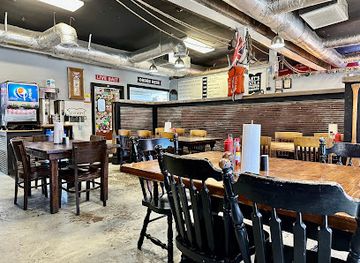
North Charleston's dining scene draws on the Lowcountry's coastal pantry while reflecting the city's diverse, working and suburban communities. Seafood is central, with shrimp, oysters, crab and locally familiar preparations appearing alongside the region's broader traditions of rice, corn, greens and smoked meats. Shrimp and grits, fried seafood and other Lowcountry dishes are common reference points, while Gullah Geechee culinary traditions provide an important cultural context for the food of the South Carolina coast. Park Circle and East Montague Avenue offer the city's most concentrated selection of independent restaurants, cafés, breweries and casual eateries, with further options along Rivers Avenue and near the airport. Food trucks, bakeries and contemporary restaurants add variety without erasing the area's Southern foundations. Dining ranges from relaxed counter-service meals to more polished kitchens, and menus frequently respond to seasonal produce and the nearby Atlantic catch.
-
Fish & Chips
The CODfather, Proper Fish & Chips
Savor authentic British fish & chips at The CODfather in North Charleston - where freshness meets tradition in every bite.
28 min drive · 9.4 km from city centre
-
Italian
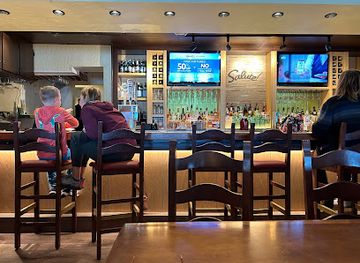
Olive Garden Italian Restaurant
Discover authentic Italian cuisine at Olive Garden in North Charleston - perfect for families and food lovers alike.
15 min drive · 4.9 km from city centre
-
American
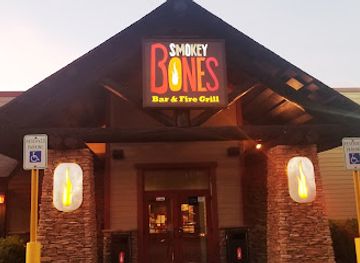
Smokey Bones N. Charleston
Experience authentic Southern barbecue at Smokey Bones in North Charleston – where great food meets lively atmosphere!
13 min drive · 4.4 km from city centre
-
Seafood
LoLA
Discover the vibrant flavors of contemporary Louisiana cuisine at LoLA in North Charleston – where seafood meets Cajun tradition.
28 min drive · 9.4 km from city centre
Best bars in North Charleston
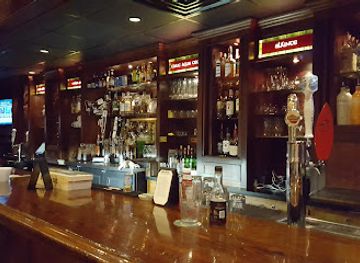
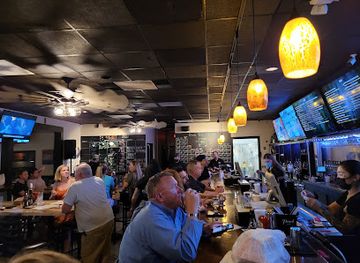
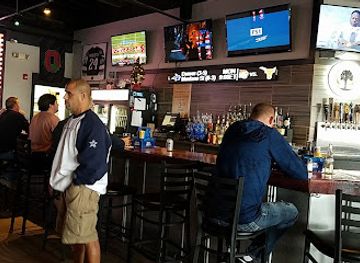
North Charleston's evening life is concentrated rather than sprawling, with Park Circle and East Montague Avenue providing the clearest choice of bars, breweries and relaxed social venues. The area suits casual evenings built around local beer, cocktails, live music and conversation rather than a single dense club district. Firefly Distillery, in the Park Circle area, is associated with spirits, events and outdoor entertainment, while the North Charleston Coliseum and Performing Arts Center presents touring concerts, comedy and other large-scale shows. Riverfront Park is primarily a daytime and early-evening public space, and industrial waterfront areas should not be treated as nightlife quarters. Visitors seeking a wider club, theatre and live-music selection can continue into downtown Charleston, but North Charleston's own culture after dark is more neighbourhood-oriented, event-led and connected to food, drink and performance venues.
-
Sports bar
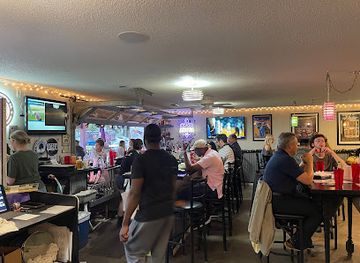
DIG In The Park
Experience the vibrant atmosphere and delicious menu at DIG In The Park, North Charleston's favorite sports bar and restaurant.
28 min drive · 9.4 km from city centre
-
Bar
Madra Rua Irish Pub
Discover the authentic taste of Ireland at Madra Rua Irish Pub in North Charleston, where hearty meals and local brews come together in a lively atmosphere.
28 min drive · 9.5 km from city centre
-
American
Neighborhood Tap House Greenridge
Experience the vibrant culinary scene at Neighborhood Tap House in North Charleston, offering delicious American fare and craft brews in a lively atmosphere.
18 min drive · 6.0 km from city centre
-
Sports bar
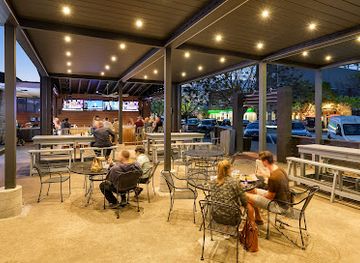
SportsBook of Charleston
Join the excitement at SportsBook of Charleston, where sports, delicious food, and vibrant atmosphere come together for an unforgettable experience.
18 min drive · 5.8 km from city centre
Best nightclubs in North Charleston
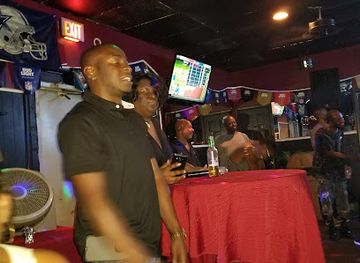
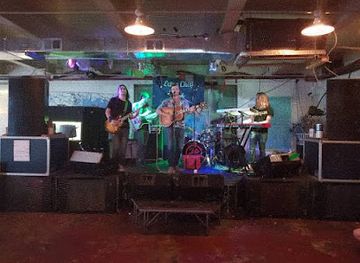
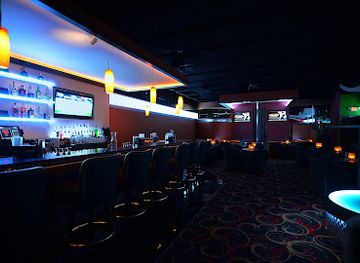
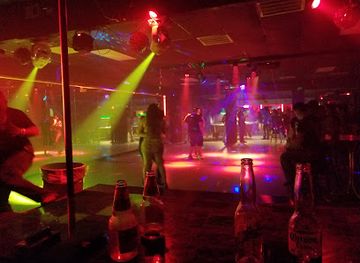
North Charleston's evening life is concentrated rather than sprawling, with Park Circle and East Montague Avenue providing the clearest choice of bars, breweries and relaxed social venues. The area suits casual evenings built around local beer, cocktails, live music and conversation rather than a single dense club district. Firefly Distillery, in the Park Circle area, is associated with spirits, events and outdoor entertainment, while the North Charleston Coliseum and Performing Arts Center presents touring concerts, comedy and other large-scale shows. Riverfront Park is primarily a daytime and early-evening public space, and industrial waterfront areas should not be treated as nightlife quarters. Visitors seeking a wider club, theatre and live-music selection can continue into downtown Charleston, but North Charleston's own culture after dark is more neighbourhood-oriented, event-led and connected to food, drink and performance venues.
-
Bar
Black Diamondz Lounge
Experience the vibrant nightlife at Black Diamondz Lounge, a lively bar in North Charleston offering great drinks and an inviting atmosphere.
30 min drive · 10 km from city centre
-
Bar
The Purple Buffalo
Discover The Purple Buffalo in North Charleston, where live music and affordable drinks create a vibrant nightlife experience for all visitors.
32 min drive · 12 km from city centre
-
Night club
King Street Cabaret
Discover the heart of Charleston nightlife at King Street Cabaret, where vibrant performances and an electrifying atmosphere await!
35 min drive · 15 km from city centre
-
Bar
Caliente
Discover the vibrant nightlife at Caliente, a lively bar in North Charleston, SC, offering delicious drinks and a welcoming atmosphere.
17 min drive · 5.7 km from city centre
Best shops in North Charleston
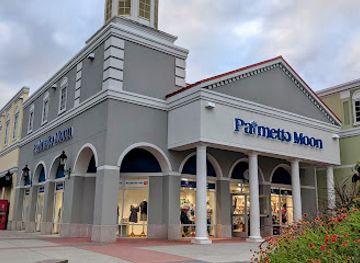
Shopping in North Charleston ranges from large commercial centres to the independent businesses clustered around Park Circle. Tanger Outlets Charleston, near Charleston International Airport, is the city's most prominent destination for outlet retail and attracts visitors who prefer a concentrated open-air shopping environment. Along East Montague Avenue and in surrounding Park Circle, smaller shops, cafés and local businesses create a more neighbourhood-scale experience, although the retail offer changes over time. Rivers Avenue and nearby commercial corridors contain further mainstream shops and services. For distinctive purchases, look for South Carolina food products, Lowcountry-inspired gifts, regional art and locally made goods rather than treating the city as a specialist craft market. Visitors seeking antiques, galleries or a broader artisan selection may find more concentrated options in downtown Charleston, while North Charleston's shopping character lies in its convenience, commercial scale and growing local-business scene.
-
Outlet mall
Tanger Outlets Charleston
Discover unbeatable deals and a wide selection of top brands at Tanger Outlets Charleston, the ultimate shopping destination in South Carolina.
19 min drive · 6.2 km from city centre
-
Shopping mall
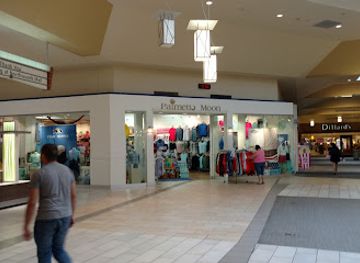
Northwoods Mall
Explore Northwoods Mall, North Charleston's premier shopping destination with diverse stores, dining, and family-friendly amenities for an unforgettable experience.
15 min drive · 4.9 km from city centre
-
Shopping mall
North Pointe Plaza
Experience shopping bliss and culinary delights at North Pointe Plaza, North Charleston's premier shopping mall with diverse offerings and a vibrant atmosphere.
15 min drive · 4.9 km from city centre
-
Shopping mall
North Rivers Towne Center
Explore North Rivers Towne Center, the ultimate shopping mall in North Charleston, offering diverse retail and dining options for a perfect day out.
14 min drive · 4.5 km from city centre
Get your free copy of our complete guide to North Charleston, delivered straight to you.
Everything on this page, from attractions and restaurants to essentials and local phrases, in one PDF you can read offline, print or share.
Already have an account? Sign in
Your North Charleston guide is ready.
We'll send it to · Not you? Sign out

Getting your guide ready…
We are putting together a fresh copy of the North Charleston guide. This can take up to a minute.
This can take a few moments. If your browser asks, choose Allow so the download can start. You'll find the guide in your Downloads folder.
Nothing happened? Download it again
Sorry, the guide is taking longer than usual. Please try again in a minute, or get it by email instead.
North Charleston essentials
Currency and Payment
Safety
Emergency Situations
Do's and Don'ts
Local Tips
From Eve
Local phrases worth knowing
You don't need to get them perfect. A few words go a long way, and locals appreciate the effort.
Basics
| English | Local | Say it |
|---|---|---|
| Hello | Hey y'all | [Hey yawl] |
| Goodbye | See ya later | [See ya later] |
| Yes | Yeah | [Yeah] |
| No | Nah | [Nah] |
| Please/You're welcome | Please/No problem | [Please/No problem] |
| Thank you | Thanks | [Thanks] |
| Excuse me/Sorry | Pardon me/My bad | [Pardon me/My bad] |
| How are you? | How yuh doin'? | [How yuh doin'] |
| Fine. And you? | I'm good. You? | [I'm good. You?] |
| Do you speak English? | Y'all speak English? | [Y'all speak English?] |
| I don't understand | I ain't gettin' it | [I ain't gettin' it] |
Eating & Drinking
| English | Local | Say it |
|---|---|---|
| I'd like to see the menu, please | Can I see the menu, please | [Can I see the menu, please] |
| I don't eat meat | I don't eat meat | [I don't eat meat] |
| Cheers! | Cheers! | [Cheers!] |
| I would like to pay, please | I wanna pay now, please | [I wanna pay now, please] |
Emergencies
| English | Local | Say it |
|---|---|---|
| Help! | Help! | [Help!] |
| Go away! | Go away! | [Go away!] |
| Call the Police! | Call the Po-lice! | [Call the Po-lice!] |
| Call a doctor! | Call a doc! | [Call a doc!] |
| I'm lost | I'm lost | [I'm lost] |
| I'm ill | I'm sick | [I'm sick] |
Shopping
| English | Local | Say it |
|---|---|---|
| I'd like to buy... | I wanna buy... | [I wanna buy...] |
| I'm just looking | I'm just lookin' | [I'm just lookin'] |
| How much is it? | How much is that? | [How much is that?] |
| That's too expensive | That's too much | [That's too much] |
| Can you lower the price? | Can you drop the price? | [Can you drop the price?] |
Time & Numbers
| English | Local | Say it |
|---|---|---|
| What time is it? | What time is it? | [What time is it?] |
| It's one o'clock | It's one o'clock | [It's one o'clock] |
| Half past (10) | Half past ten | [Half past ten] |
| Morning | Mornin' | [Mornin'] |
| Afternoon | Afternoon | [Afternoon] |
| Evening | Evenin' | [Evenin'] |
| Yesterday | Yestuhday | [Yestuhday] |
| Today | Today | [Today] |
| Tomorrow | Tomorruh | [Tomorruh] |
| 1 | One | [One] |
| 2 | Two | [Two] |
| 3 | Three | [Three] |
| 4 | Four | [Four] |
| 5 | Five | [Five] |
| 6 | Six | [Six] |
| 7 | Seven | [Seven] |
| 8 | Eight | [Eight] |
| 9 | Nine | [Nine] |
| 10 | Ten | [Ten] |
Transport & Directions
| English | Local | Say it |
|---|---|---|
| Where's a/the...? | Where's a/the...? | [Where's a/the...?] |
| What's the address? | What's the address? | [What's the address?] |
| Can you show me (on the map)? | Can you show me (on the map)? | [Can you show me (on the map)?] |
| When's the next (bus)? | When's the next (bus)? | [When's the next (bus)?] |
| A ticket (to ....) | A ticket (to ....) | [A ticket (to ....)] |
History of North Charleston
Indigenous Lowcountry Landscapes
The land now occupied by North Charleston formed part of the wider Lowcountry landscape inhabited and used by Indigenous peoples, including communities associated with the Cusabo peoples before English colonisation. Tidal creeks, pine forests, freshwater wetlands and river edges supported fishing, hunting, gathering and seasonal movement. European settlement brought land grants, plantation agriculture and profound disruption through disease, warfare, enslavement and displacement. The landscape's waterways later became essential to rice cultivation, timber extraction and transport, while surviving marshes and river corridors still reveal the environmental geography that shaped settlement long before the modern city existed.
Plantation Agriculture and Enslaved Labour
During the colonial and antebellum periods, the broader area north of Charleston developed through plantation agriculture, with rice and other crops produced through the forced labour of enslaved Africans and African Americans. The Lowcountry's tidal environment and engineered wetlands depended on specialised agricultural knowledge developed and maintained by enslaved communities. After the Civil War and emancipation, African American families, churches and neighbourhoods continued to shape the region's social and cultural life despite discriminatory laws and economic barriers. North Charleston's later industrial landscape obscured much of this earlier rural setting, but the history of slavery, freedom and Black community formation remains central to understanding the region.
The Navy Base Transforms the Area
The establishment of the Charleston Navy Base in 1901 changed the north-of-Charleston waterfront from a largely rural and agricultural zone into a major industrial and military centre. Ship construction, repair, supply work and naval employment encouraged residential growth and drew workers from across the region. New roads, rail connections and industrial facilities strengthened the area's links with Charleston and the national economy. The base also influenced the development of nearby communities, including Park Circle, whose planned layout and public green reflected the expansion of the early twentieth-century industrial city.
Incorporation and Industrial Growth
North Charleston was incorporated in 1972 from communities and developed areas north of Charleston, formalising a municipality that had grown around industry, transport and expanding suburbs. Manufacturing, warehouses, port-related activity and military employment remained important, while the city developed its own civic institutions, schools, commercial corridors and public facilities. The period also reflected the wider South's difficult history of segregation, civil-rights change and uneven suburban development. North Charleston's population and built environment expanded rapidly, giving it a more dispersed urban form than Charleston's historic peninsula.
Base Closure and Waterfront Renewal
The Charleston Navy Base closed in 1996 as part of a wider reduction in US military installations, leaving a large and strategically located waterfront area to be redeveloped. Former naval buildings, piers and industrial parcels became part of long-term plans for employment, housing, public space and cultural use. Riverfront Park now occupies part of this changing waterfront, while the Warren Lasch Conservation Center preserves the H.L. Hunley nearby. Contemporary North Charleston continues to balance industrial activity and transport infrastructure with neighbourhood revitalisation, environmental awareness and a stronger public identity within the Charleston metropolitan area.
North Charleston in Photos
Browse through our photo collection highlighting the charm and character of the destination.
Cities near North Charleston
The closest cities to North Charleston, if you have time for more than one stop.
-

-

-

-

-


Swipe for more cities
Explore more

Explore more of South Carolina
Explore South Carolina: A blend of historic charm, natural beauty, and southern hospitality. From Charleston's cobblestone streets to Myrtle Beach's sandy shores, adventure awaits.
Explore South Carolina