

Free Summerville Travel Guide & Mobile App
Plan your Summerville trip with Evendo. Get free guides to top attractions, restaurants, hotels, and bars. Web access or download the mobile app.


Summerville, South Carolina pairs historic Lowcountry streets, azalea gardens, sweet-tea lore and welcoming local culture with easy access to Charleston.
A Town Shaped by Gardens and Railways
Summerville lies inland from Charleston in South Carolina’s Lowcountry, where pine woodland, sandy soil and humid coastal air shape both the landscape and the pace of life. The town grew in the nineteenth century as a summer retreat for Charlestonians seeking relief from the coast’s heat and mosquitoes, later becoming an important railway community. Today, its identity is closely associated with azaleas, historic homes and a sociable downtown centred on Hutchinson Square.Read more about Summerville
Historic Streets and Everyday Culture
Beyond the Modern Town
When is the best time to visit Summerville?
Best: April, October–November · 21–27°C| Month | High (°C) | Rainfall (mm) |
|---|---|---|
| January | 14 | 94 |
| February | 17 | 100 |
| March | 21 | 110 |
| April (best) | 27 | 85 |
| May | 31 | 90 |
| June | 33 | 135 |
| July | 34 | 150 |
| August | 34 | 160 |
| September | 31 | 130 |
| October (best) | 26 | 100 |
| November (best) | 21 | 85 |
| December | 16 | 95 |
Getting to and around Summerville
How to get there
Transportation
Best attractions in Summerville
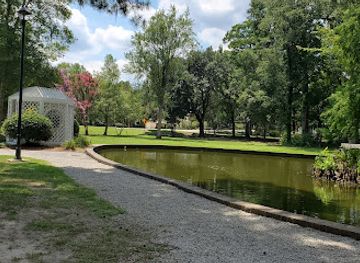
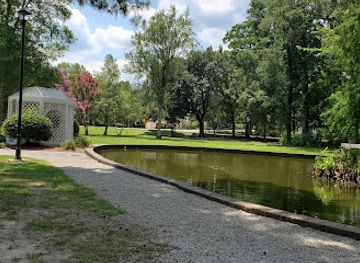
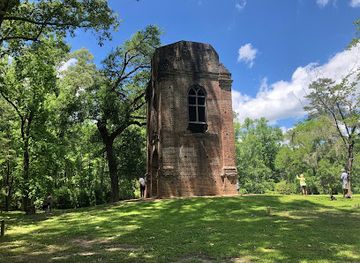
Summerville’s principal attractions combine gardens, local history and small-town public spaces. Azalea Park is the town’s signature outdoor sight, with winding paths, bridges, water features and extensive seasonal planting, especially during spring bloom. Around Hutchinson Square and Short Central, visitors find independent shops, cafés, public art and streets that reveal the character of the historic centre. The Summerville Dorchester Museum introduces local social and natural history through changing displays and community interpretation. At Colonial Dorchester State Historic Site, the ruins of St George’s Anglican Church and the remains of the colonial settlement create a more archaeological experience beside the Ashley River. The annual Flowertown Festival adds art, food and live entertainment to the town’s horticultural identity, although it is a busy event rather than a permanent attraction. Together these places offer a gentler, more local counterpoint to the grand historic destinations of nearby Charleston.
-
Tourist attraction
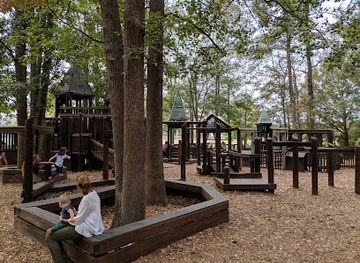
Gahagan Park
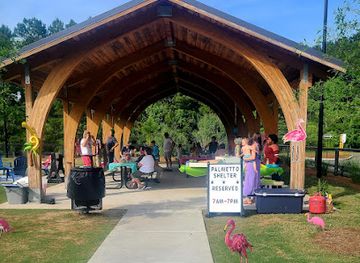
Explore the beauty of Gahagan Park in Summerville, SC, where nature meets recreation in a picturesque outdoor setting perfect for all ages.
16 min walk · 1.3 km from city centre
-
Tourist attraction
Azalea Park
Experience the beauty and tranquility of Azalea Park in Summerville, SC, where vibrant azaleas and serene landscapes await your discovery.
11 min walk · 0.9 km from city centre
-
Tourist attraction
Colonial Dorchester State Historic Site
Explore Colonial Dorchester State Historic Site, a historical gem in South Carolina, rich with colonial heritage and scenic beauty for all ages.
19 min drive · 6.5 km from city centre
-
Tourist attraction
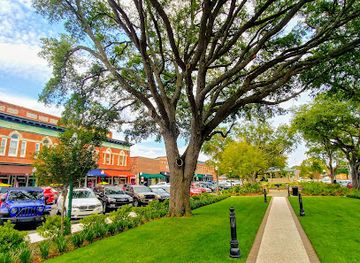
Hutchinson Square
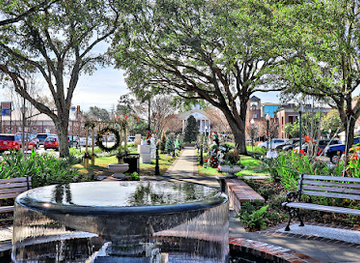
Explore Hutchinson Square in Summerville, SC, a vibrant park rich in local culture, beautiful landscapes, and community events perfect for tourists.
5 min drive · 1.5 km from city centre
Best landmarks in Summerville
Summerville’s landmarks reveal a town shaped by retreat, religion, railways and horticulture. The Summerville Historic District preserves a concentration of older homes and civic buildings associated with the community’s nineteenth- and early twentieth-century development. Hutchinson Square functions as the symbolic centre of the town, with mature trees, public gathering space and the civic architecture of the surrounding streets. Azalea Park is both a garden and a cultural landmark, expressing the planting tradition for which Summerville is known. The most significant historic remains are at Colonial Dorchester State Historic Site, where the tabby ruins of St George’s Anglican Church and traces of the colonial settlement stand beside the Ashley River. These structures connect the modern town to an earlier river community founded in the colonial period. The landmarks are comparatively intimate, but together they explain Summerville’s relationship with the Lowcountry landscape and Charleston’s hinterland.
-
Park
Azalea Park
Experience the breathtaking beauty of Azalea Park in Summerville, SC, where vibrant gardens and serene pathways create the perfect outdoor escape for all.
11 min walk · 0.9 km from city centre
-
State park
Colonial Dorchester State Historic Site
Explore the historical treasures and serene landscapes of Colonial Dorchester State Historic Site in Summerville, South Carolina.
19 min drive · 6.5 km from city centre
-
Park
Hutchinson Square
Discover Hutchinson Square in Summerville, SC, where lush landscapes and vibrant community events create a perfect escape for tourists seeking relaxation and charm.
5 min drive · 1.5 km from city centre
-
Park
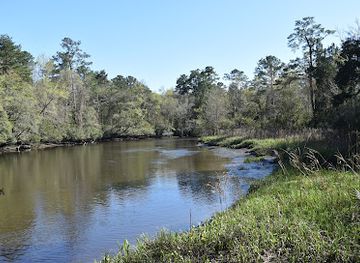
Ashley River Park
Explore the beauty of Ashley River Park in Summerville, SC – a perfect blend of nature, recreation, and relaxation for every traveler.
17 min drive · 5.6 km from city centre
Explore Summerville on the map
Plan your Summerville trip on one map. See where the top attractions, landmarks, restaurants, bars and hotels are, find what's near where you're staying, and book hotels and experiences in a few clicks.
Best hotels in Summerville
Best restaurants in Summerville
Summerville’s dining scene reflects the broader Lowcountry, where seafood, rice, seasonal vegetables and African, European and Caribbean influences have shaped South Carolina cooking. Menus may feature shrimp and grits, fried or grilled local fish, crab dishes, oysters when in season, barbecue, fried chicken, okra and other dishes associated with the coastal South. Downtown streets around Hutchinson Square provide cafés, bakeries, casual restaurants and independent eateries, while newer commercial areas offer a wider range of American and international food. Farmers’ markets and seasonal community events add local produce, preserves and prepared foods to the picture. Sweet tea is an important part of the town’s public identity and a frequent accompaniment to meals, though Summerville’s claim to have originated the drink is contested. Dining is generally informal, with Southern hospitality expressed through generous portions and unhurried service.
-
Fast Food
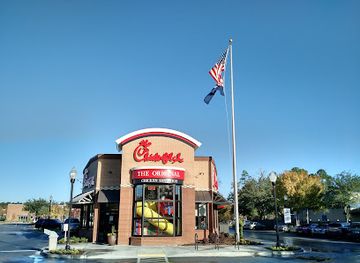
Chick-fil-A
Discover the flavors of Southern hospitality at Chick-fil-A in Summerville - where delicious chicken meets family-friendly dining.
12 min drive · 4.0 km from city centre
-
American
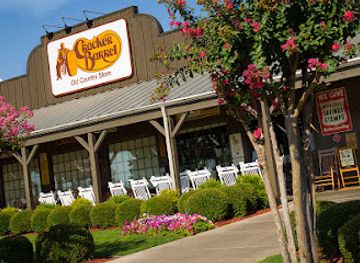
Cracker Barrel Old Country Store
Experience authentic Southern hospitality at Cracker Barrel Old Country Store in Summerville – where comfort food meets charm.
13 min drive · 4.2 km from city centre
-
Restaurant
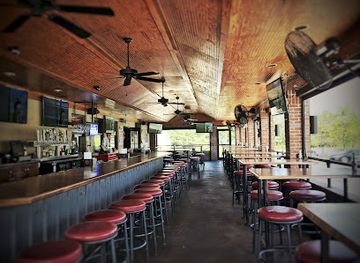
Carolina Ale House
Experience the best of American cuisine and sports culture at Carolina Ale House in Summerville – where every game feels like home!
15 min drive · 4.9 km from city centre
-
American
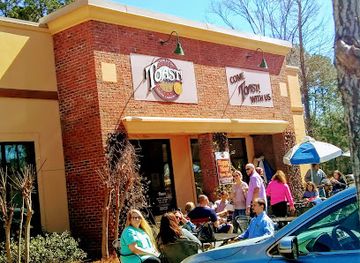
Toast! All Day
Discover the heart of Southern brunch at Toast! All Day in Summerville, SC - perfect for families and food lovers!
11 min drive · 3.7 km from city centre
Best bars in Summerville
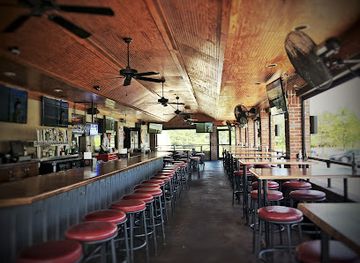
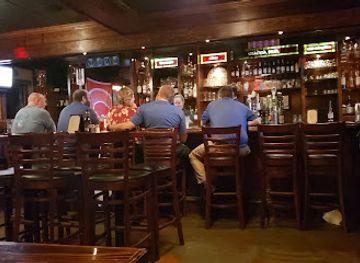
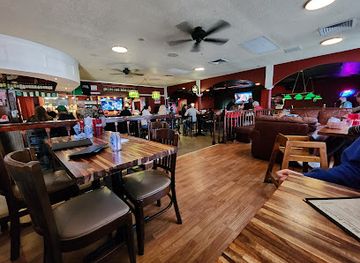
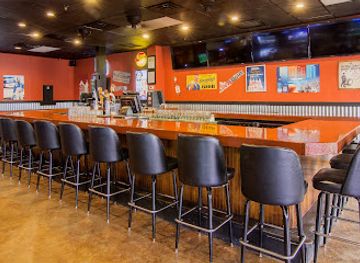
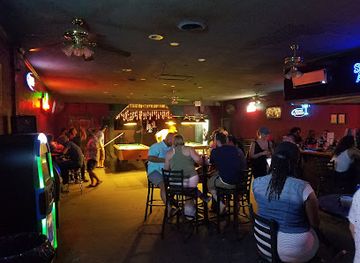
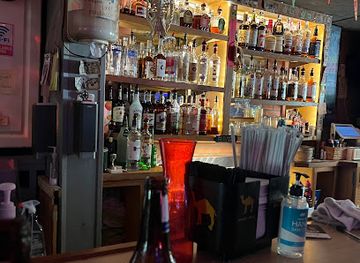
Summerville’s evening scene is modest and locally oriented rather than club-focused. Downtown restaurants and bars around Hutchinson Square and the surrounding central streets provide places for an early dinner, craft beer, cocktails, wine and live music, while breweries and casual venues in the wider town contribute to a relaxed social atmosphere. Community events, outdoor concerts and seasonal festivals often offer more characteristic evening entertainment than nightclubs. Visitors seeking larger concert programmes, theatre, late-night dancing or a denser bar scene generally travel towards Charleston or North Charleston, where the region’s main entertainment districts are located. As in the rest of South Carolina, alcohol service is governed by state and local regulations, and venues may have different age, identification and closing policies. Rideshare availability can vary outside central areas, making a planned return journey sensible.
-
Sports bar
Carolina Ale House
Discover Carolina Ale House: the ultimate sports bar in Summerville, SC, offering delicious food, refreshing drinks, and a lively atmosphere for all sports fans.
15 min drive · 4.9 km from city centre
-
Bar
Madra Rua Irish Pub
Discover the heart of Irish culture at Madra Rua Irish Pub in Summerville, where traditional cuisine meets vibrant atmosphere and friendly service.
22 min drive · 7.4 km from city centre
-
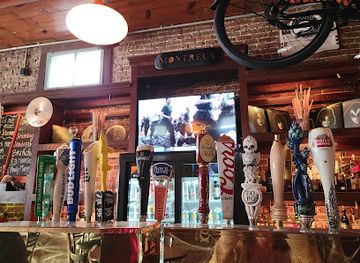
Bar
Montreux Bar & Grill
Experience the vibrant flavors of Summerville at Montreux Bar & Grill, where delicious food meets a lively atmosphere.
19 min walk · 1.5 km from city centre
-
Pub
The Knot Burger Pub
Discover the vibrant culinary scene at The Knot Burger Pub, where gourmet burgers meet creative cocktails in a cozy gastropub setting.
7 min drive · 2.3 km from city centre
Best nightclubs in Summerville
Summerville’s evening scene is modest and locally oriented rather than club-focused. Downtown restaurants and bars around Hutchinson Square and the surrounding central streets provide places for an early dinner, craft beer, cocktails, wine and live music, while breweries and casual venues in the wider town contribute to a relaxed social atmosphere. Community events, outdoor concerts and seasonal festivals often offer more characteristic evening entertainment than nightclubs. Visitors seeking larger concert programmes, theatre, late-night dancing or a denser bar scene generally travel towards Charleston or North Charleston, where the region’s main entertainment districts are located. As in the rest of South Carolina, alcohol service is governed by state and local regulations, and venues may have different age, identification and closing policies. Rideshare availability can vary outside central areas, making a planned return journey sensible.
-
Sports bar
Shenanigan's
Discover the ultimate sports bar experience at Shenanigan's in Summerville, SC, where great food and fun meet in a vibrant atmosphere.
17 min drive · 5.8 km from city centre
-
Grill
501 Bar & Grill
Experience the lively spirit of Summerville at 501 Bar & Grill, where delicious food and fun karaoke nights await!
21 min drive · 6.8 km from city centre
-
Pub
Knuckleheads Pub
Discover the lively atmosphere and delicious offerings at Knuckleheads Pub in Summerville, SC, a perfect spot for food, drinks, and entertainment.
11 min drive · 3.5 km from city centre
-
Bar
Fast Break Lounge
Experience the perfect blend of dining and entertainment at Fast Break Lounge in Summerville, SC, where the fun never stops and the food delights.
11 min drive · 3.7 km from city centre

Best shops in Summerville
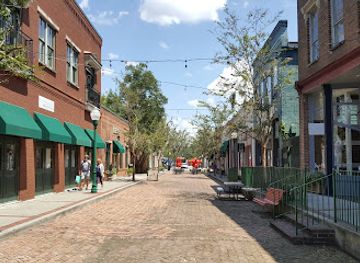
Shopping in Summerville is divided between the independent businesses of the historic centre and larger retail areas serving the expanding suburban population. Around Hutchinson Square, Main Street and Short Central, visitors can browse boutiques, gift shops, galleries, cafés and small specialist retailers, with local events often bringing additional craft and food stalls into the streets. Seasonal markets provide opportunities to buy regional produce, baked goods, preserves and handmade items, while the Flowertown Festival is particularly associated with artists, makers and outdoor vendors. The town’s most characteristic purchases are likely to be locally produced foods, garden-related goods, Lowcountry-inspired crafts and South Carolina souvenirs rather than a single signature handicraft. Contemporary shopping is more dispersed and generally requires a car, so the compact downtown is the best area for combining browsing with a walk through the town’s older streets.
-
Business center
North Main Market
Explore North Main Market in Summerville for a delightful shopping experience with local flavors and unique finds.
12 min drive · 3.9 km from city centre
-
Shopping mall
Summerville Galleria
Explore a diverse shopping experience at Summerville Galleria, where retail, dining, and entertainment come together in South Carolina.
15 min walk · 1.2 km from city centre
-
Furniture store
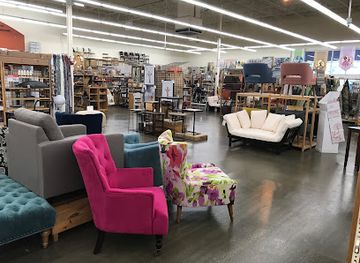
World Market
Discover a world of unique furniture, decor, and essentials at World Market Summerville - a global shopping experience awaits!
13 min drive · 4.4 km from city centre
-
Gift shop
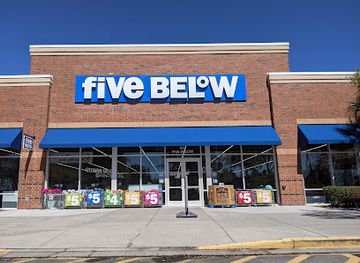
Five Below
Discover an exciting world of affordable fashion, toys, and gifts at Five Below in Summerville, where everything is $5 or less!
13 min drive · 4.2 km from city centre
Get your free copy of our complete guide to Summerville, delivered straight to you.
Everything on this page, from attractions and restaurants to essentials and local phrases, in one PDF you can read offline, print or share.
Already have an account? Sign in
Your Summerville guide is ready.
We'll send it to · Not you? Sign out

Getting your guide ready…
We are putting together a fresh copy of the Summerville guide. This can take up to a minute.
This can take a few moments. If your browser asks, choose Allow so the download can start. You'll find the guide in your Downloads folder.
Nothing happened? Download it again
Sorry, the guide is taking longer than usual. Please try again in a minute, or get it by email instead.
Summerville essentials
Currency and Payment
Safety
Emergency Situations
Do's and Don'ts
Local Tips
From Eve
Local phrases worth knowing
You don't need to get them perfect. A few words go a long way, and locals appreciate the effort.
Basics
| English | Local | Say it |
|---|---|---|
| Hello | Hey y'all | [Hey y'all] |
| Goodbye | See ya later | [See ya later] |
| Yes | Yep | [Yep] |
| No | Nah | [Nah] |
| Please/You're welcome | Please/No problem | [Please/No problem] |
| Thank you | Thank ya | [Thank ya] |
| Excuse me/Sorry | Pardon me/My bad | [Pardon me/My bad] |
| How are you? | How y'all doin'? | [How y'all doin'?] |
| Fine. And you? | Fine. And you? | [Fine. And you?] |
| Do you speak English? | Ya speak English? | [Ya speak English?] |
| I don't understand | I don't get it | [I don't get it] |
Eating & Drinking
| English | Local | Say it |
|---|---|---|
| I'd like to see the menu, please | Can I see the menu, please | [Can I see the menu, please] |
| I don't eat meat | I don't eat meat | [I don't eat meat] |
| Cheers! | Cheers! | [Cheers!] |
| I would like to pay, please | I'd like to pay, please | [I'd like to pay, please] |
Emergencies
| English | Local | Say it |
|---|---|---|
| Help! | Help! | [Help!] |
| Go away! | Git outta here! | [Git outta here!] |
| Call the Police! | Call the cops! | [Call the cops!] |
| Call a doctor! | Call a doc! | [Call a doc!] |
| I'm lost | I'm lost | [I'm lost] |
| I'm ill | I'm sick | [I'm sick] |
Shopping
| English | Local | Say it |
|---|---|---|
| I'd like to buy... | I wanna buy... | [I wanna buy...] |
| I'm just looking | I'm just lookin' | [I'm just lookin'] |
| How much is it? | How much is it? | [How much is it?] |
| That's too expensive | That's too much | [That's too much] |
| Can you lower the price? | Can ya do a deal? | [Can ya do a deal?] |
Time & Numbers
| English | Local | Say it |
|---|---|---|
| What time is it? | What time is it? | [What time is it?] |
| It's one o'clock | It's one o'clock | [It's one o'clock] |
| Half past (10) | Half past ten | [Half past ten] |
| Morning | Mornin' | [Mornin'] |
| Afternoon | Afternoon | [Afternoon] |
| Evening | Evenin' | [Evenin'] |
| Yesterday | Yesterday | [Yesterday] |
| Today | Today | [Today] |
| Tomorrow | Tomorrow | [Tomorrow] |
| 1 | One | [One] |
| 2 | Two | [Two] |
| 3 | Three | [Three] |
| 4 | Four | [Four] |
| 5 | Five | [Five] |
| 6 | Six | [Six] |
| 7 | Seven | [Seven] |
| 8 | Eight | [Eight] |
| 9 | Nine | [Nine] |
| 10 | Ten | [Ten] |
Transport & Directions
| English | Local | Say it |
|---|---|---|
| Where's a/the...? | Where's the...? | [Where's the...?] |
| What's the address? | What's the address? | [What's the address?] |
| Can you show me (on the map)? | Can ya show me (on the map)? | [Can ya show me (on the map)?] |
| When's the next (bus)? | When's the next (bus)? | [When's the next (bus)?] |
| A ticket (to ....) | A ticket (to ....) | [A ticket (to ....)] |
History of Summerville
Indigenous Lowcountry Homelands
Before European settlement, the wider Lowcountry was inhabited and used by Indigenous peoples, including communities associated with the historic Cusabo groups. The region’s rivers, wetlands, pine forests and coastal plain supported fishing, hunting, gathering and agriculture, while established paths connected inland areas with the coast. European colonisation brought profound disruption through disease, land seizure, warfare and enslavement. The landscape around present-day Summerville therefore carries a much older human history than the town’s surviving buildings suggest, although comparatively little of its Indigenous past is physically interpreted within the modern centre.
Colonial Dorchester on the Ashley
The settlement known as Dorchester was founded in 1696 by Congregationalists from Massachusetts and developed along the Ashley River. Its inhabitants built St George’s Anglican Church, completed in the early eighteenth century, using tabby, a Lowcountry material made from shells, lime and sand. Dorchester declined after the American Revolution as river conditions changed and the settlement’s commercial importance diminished. The ruins preserved at Colonial Dorchester State Historic Site provide a tangible connection with this colonial community and illustrate the role of waterways, churches and plantation agriculture in the development of South Carolina’s inland coastal plain.
Summerville as a Summer Retreat
Modern Summerville emerged in the late eighteenth and early nineteenth centuries as residents of Charleston sought a healthier summer setting inland. Its pine forests and relatively elevated ground made it attractive as a seasonal retreat, and the settlement gradually acquired permanent homes and civic institutions. The town’s early character was shaped by the plantation economy and by the labour of enslaved African Americans, whose work underpinned much of the region’s prosperity. The surviving historic districts and older houses reflect this transition from seasonal refuge to settled community, while also revealing the unequal society in which the town developed.
Railways and Town Growth
Rail connections in the nineteenth century strengthened Summerville’s links with Charleston and other Lowcountry communities, encouraging commerce, residential growth and the movement of visitors. The railway helped transform the settlement from a seasonal retreat into a more established town and supported the transport of agricultural products and local goods. After the Civil War, Summerville and the surrounding region faced the economic and social upheaval experienced across the South, including emancipation and Reconstruction. Over time, the town developed a civic identity distinct from Charleston while remaining closely connected to the metropolitan area.
Azaleas, Suburban Expansion and Community Identity
In the twentieth century, Summerville became increasingly known for ornamental planting, particularly azaleas, and for the gardens and public events that support that reputation. The town’s annual Flowertown Festival grew from this horticultural identity into a major arts and community gathering. Improved roads and post-war suburbanisation brought new residents, businesses and housing beyond the historic core, especially as the Charleston region expanded. Contemporary Summerville combines preserved civic and residential areas with newer commercial districts, while museums, public gardens and local festivals continue to connect present-day life with the town’s layered past.
Summerville in Photos
Browse through our photo collection highlighting the charm and character of the destination.
Cities near Summerville
The closest cities to Summerville, if you have time for more than one stop.
-

-

-

-

-


Swipe for more cities
Explore more

Explore more of South Carolina
Explore South Carolina: A blend of historic charm, natural beauty, and southern hospitality. From Charleston's cobblestone streets to Myrtle Beach's sandy shores, adventure awaits.
Explore South Carolina