

Lake Francis Case Travel Guide - Free Web & App
Your ultimate guide to Lake Francis Case. Discover top landmarks, proposed trips, and local tips. Free on the web or via the Evendo companion app.


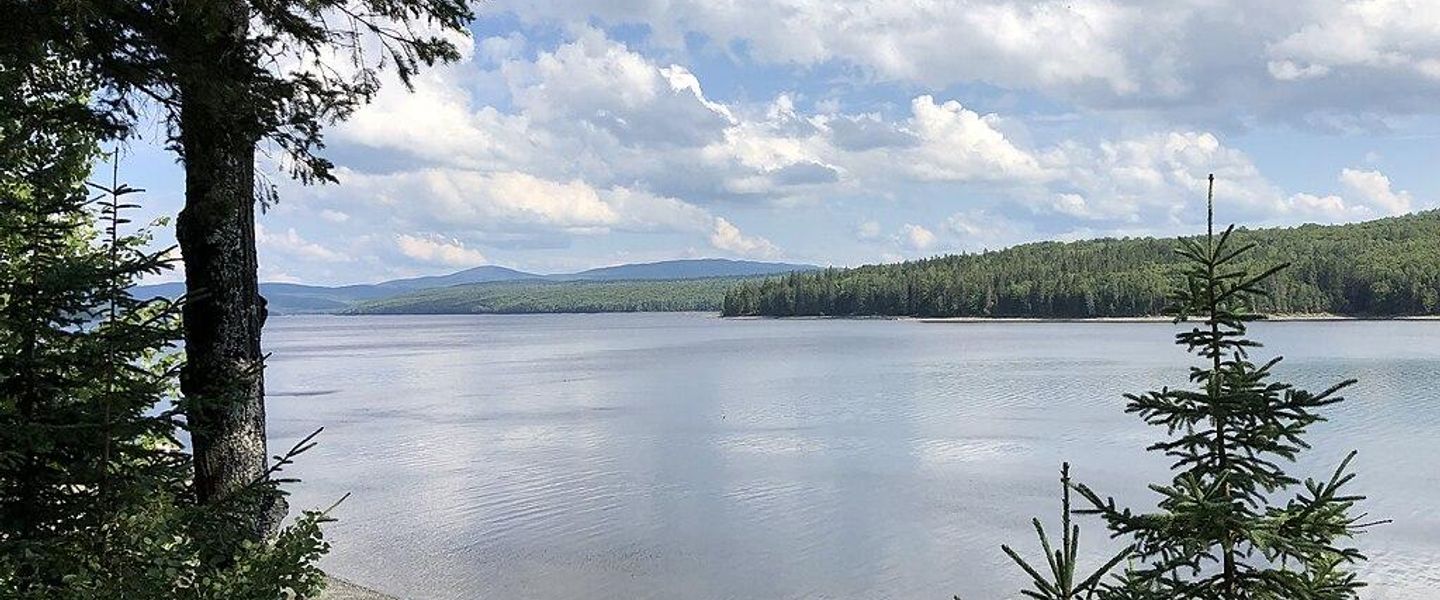


Explore the serene waters and stunning landscapes of Lake Francis Case in South Dakota, a perfect destination for relaxation, adventure, and wildlife enthusiasts.
Read more about Lake Francis Case
When is the best time to visit Lake Francis Case?
Best: June, August–September · 23–28°C| Month | High (°C) | Rainfall (mm) |
|---|---|---|
| January | 0 | 15 |
| February | 1 | 15 |
| March | 8 | 25 |
| April | 15 | 45 |
| May | 21 | 75 |
| June (best) | 26 | 85 |
| July | 29 | 75 |
| August (best) | 28 | 65 |
| September (best) | 23 | 45 |
| October | 16 | 35 |
| November | 6 | 25 |
| December | 0 | 15 |
Getting to and around Lake Francis Case
How to get there
Transportation
Best attractions in Lake Francis Case
Lake Francis Case in South Dakota offers visitors a unique blend of natural beauty and historical significance. From the stunning views of the Missouri River to the historic sites like Fort Randall and the Native American burial mounds, there is something for everyone to explore. Outdoor enthusiasts can enjoy fishing, boating, and hiking, while history buffs can delve into the rich heritage of the area. Whether you are looking for a relaxing getaway or an educational adventure, Lake Francis Case has it all.
-
State park
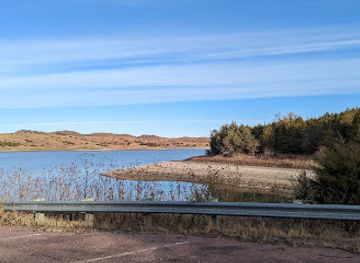
Pease Creek State Recreation Area
Discover the serene landscapes and outdoor adventures at Pease Creek State Recreation Area in South Dakota, a perfect escape into nature.
-
Tourist attraction
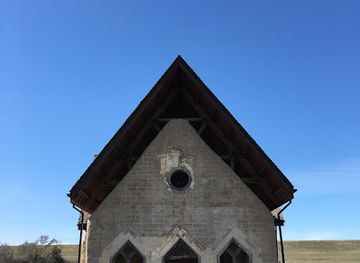
Historic Fort Randall & Chapel
Discover the historical significance of Fort Randall & Chapel in Lake Andes, SD, where history and nature intertwine for a memorable experience.
Explore Lake Francis Case on the map
Plan your trip on one map. See where the top attractions, landmarks, restaurants and hotels are, and book hotels and experiences in a few clicks.
Best hotels in Lake Francis Case
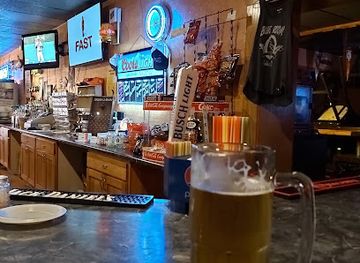
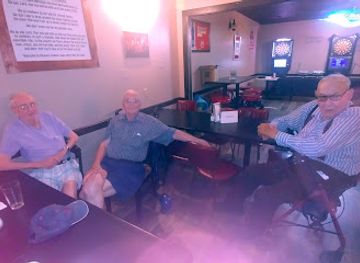
Best bars in Lake Francis Case
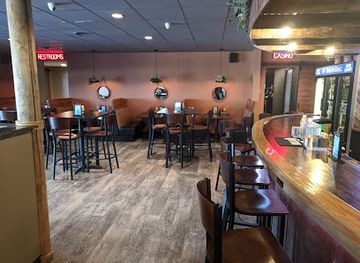
Experience the vibrant nightlife scene at Lake Francis Case, where visitors can enjoy a variety of bars and nightclubs offering live music, delicious cocktails, and a lively atmosphere. From waterfront lounges with stunning views to cozy pubs with a local charm, there is something for everyone to enjoy after a day of exploring the beautiful surroundings. Dance the night away, mingle with locals and fellow travelers, and create unforgettable memories in this hidden gem of South Dakota.
-
Grill
Knotheads Bar And Grill
Discover a delightful dining experience at Knotheads Bar And Grill, where South Dakota's flavors and hospitality come together.
-
Bar
Blue Room
Discover the vibrant Blue Room in Geddes, SD—your go-to bar for craft cocktails, local brews, and a lively atmosphere.
-
Grill
The Constitution Tavern
Experience the charm of Fairfax at The Constitution Tavern, a cozy bar and grill offering delicious grilled dishes and a warm atmosphere.
-
Grill
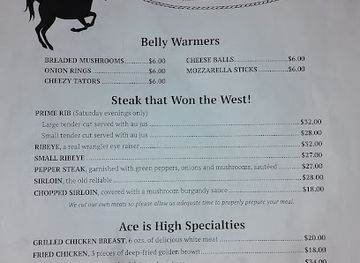
Two Spurs Steakhouse & Lounge
Experience the best of South Dakota dining at Two Spurs Steakhouse & Lounge, where delicious grilled steaks and warm hospitality await.
Best shops in Lake Francis Case
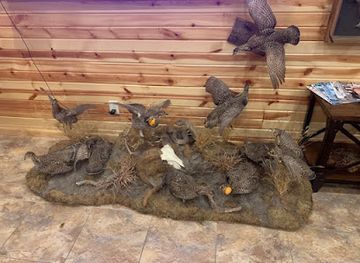
Experience the unique shopping scene at Lake Francis Case, where visitors can explore charming local boutiques offering handcrafted jewelry, pottery, and artwork inspired by the rich history and natural beauty of the area. From one-of-a-kind souvenirs to traditional Native American crafts, the shopping options here are as diverse and intriguing as the history of the region itself.
-
Lodge
Missouri River Lodge
Discover adventure and relaxation at Missouri River Lodge, your gateway to fishing, hunting, and breathtaking landscapes in South Dakota.
-
State park
Pease Creek State Recreation Area
Explore the breathtaking landscapes and outdoor adventures at Pease Creek State Recreation Area in South Dakota, a perfect getaway for nature lovers.
-
Grocery store
Cahoy's General Store
Discover the charm of Cahoy's General Store in Bonesteel, SD – a perfect blend of grocery and local goods in a friendly atmosphere.
-
 Children's clothing store
Wild Child Boutique
Discover stylish children's clothing at Wild Child Boutique in Bonesteel, South Dakota – a charming destination for families and fashion lovers.

Get your free copy of our complete guide to Lake Francis Case, delivered straight to you.
Everything on this page, from attractions and restaurants to essentials and local phrases, in one PDF you can read offline, print or share.
Already have an account? Sign in
Your Lake Francis Case guide is ready.
We'll send it to · Not you? Sign out

Getting your guide ready…
We are putting together a fresh copy of the Lake Francis Case guide. This can take up to a minute.
This can take a few moments. If your browser asks, choose Allow so the download can start. You'll find the guide in your Downloads folder.
Nothing happened? Download it again
Sorry, the guide is taking longer than usual. Please try again in a minute, or get it by email instead.
Lake Francis Case essentials
Currency and Payment
Safety
Emergency Situations
Do's and Don'ts
Local Tips
From Eve
Local phrases worth knowing
You don't need to get them perfect. A few words go a long way, and locals appreciate the effort.
Basics
| English | Local | Say it |
|---|---|---|
| Hello | Hau | [how] |
| Goodbye | Hečhiye | [he-chi-ye] |
| Yes | Heh | [heh] |
| No | Hinȟaŋ | [hin-haŋ] |
| Please/You're welcome | Iyakȟa | [ee-yak-ha] |
| Thank you | Pilamaya | [pee-la-ma-ya] |
| Excuse me/Sorry | Čhaŋté | [chahn-teh] |
| How are you? | Hečhel | [he-chel] |
| Fine. And you? | Blíčiye. Háčhe | [blee-chee-ye. hah-chay] |
| Do you speak English? | Iyéčhel uŋspéčičičeya kiŋ | [ee-ye-chel un-speh-chee-chee-chay-ya keeŋ] |
| I don't understand | Máze kiŋ héčhetu | [mah-zay keeŋ hay-chay-too] |
Eating & Drinking
| English | Local | Say it |
|---|---|---|
| I'd like to see the menu, please | Menu kiŋ héčhel, hena | [meh-noo keeŋ hay-chel, hay-na] |
| I don't eat meat | Wamníčhaŋ tȟawíčhayela | [wam-nee-chaŋ t-ha-wee-chah-ye-la] |
| Cheers! | Oyáte kiŋ héčhel | [oh-ya-teh keeŋ hay-chel] |
| I would like to pay, please | Wóphila kiŋ héčhel, hena | [wo-fee-la keeŋ hay-chel, hay-na] |
Emergencies
| English | Local | Say it |
|---|---|---|
| Help! | Aŋpétuhaŋ! | [ahng-peh-too-hahn] |
| Go away! | Háŋ tȟáwíčayela! | [hahng t-ha-wee-chah-ye-la] |
| Call the Police! | Wíyakša tawáškayela! | [wee-yak-shah t-ah-wah-shkah-ye-la] |
| Call a doctor! | Wíyakša wakȟáŋžiŋka! | [wee-yak-shah wahk-hahn-zhee-nga] |
| I'm lost | Wíŋyaŋkiyé | [weeng-yaŋ-kee-ye] |
| I'm ill | Šáŋ | [sh-ahn] |
Shopping
| English | Local | Say it |
|---|---|---|
| I'd like to buy... | Iyápi kiŋ héčhel... | [ee-ya-pee keeŋ hay-chel] |
| I'm just looking | Kiŋ hčhéla | [keeng h-chheh-la] |
| How much is it? | Háŋ kiŋ hčhéye? | [hahŋ keeng h-chheh-ye] |
| That's too expensive | Háŋ tȟawíčhayela | [hahŋ t-ha-wee-chah-ye-la] |
| Can you lower the price? | Cík’ala kiŋ hčhéye? | [cheek-ah-la keeng h-chheh-ye] |
Time & Numbers
| English | Local | Say it |
|---|---|---|
| What time is it? | Háŋl wíyakša hčhe? | [hahngl wee-yak-shah h-cheh] |
| It's one o'clock | Watȟé tȟawíčhayela | [wa-thay t-ha-wee-chah-ye-la] |
| Half past (10) | Nážiŋ | [na-zheeŋ] |
| Morning | Wówašte | [wo-wah-sh-tay] |
| Afternoon | Hokšíla | [hohk-shee-la] |
| Evening | Iyúškiŋyaŋ | [ee-yoo-shkee-yaŋ] |
| Yesterday | Okáǧažapi | [oh-kah-gha-gha-zah-pee] |
| Today | Líla | [lee-la] |
| Tomorrow | Wíyakša | [wee-yak-shah] |
| 1 | Nuŋpá | [noon-pah] |
| 2 | Náži | [na-zhee] |
| 3 | Yamní | [yahm-nee] |
| 4 | Topa | [toh-pah] |
| 5 | Zapté | [zahp-tay] |
| 6 | Šakpá | [shahk-pah] |
| 7 | Šakówi | [shah-koh-wee] |
| 8 | Šápa | [sh-ah-pah] |
| 9 | Oglála | [ohg-lah-lah] |
| 10 | Nážiŋše | [na-zheeŋ-sheh] |
Transport & Directions
| English | Local | Say it |
|---|---|---|
| Where's a/the...? | Hehanhan... | [heh-hahn-hahn] |
| What's the address? | Hehanhan wíyakša? | [heh-hahn-hahn wee-yak-shah] |
| Can you show me (on the map)? | Cík’ala kiŋ hčhéye? | [cheek-ah-la keeng h-chheh-ye] |
| When's the next (bus)? | Hehanhan wíyakša? | [heh-hahn-hahn wee-yak-shah] |
| A ticket (to ....) | Kíŋ olúpi (ki ...) | [keeng oh-loo-pee kee] |
History of Lake Francis Case
Creation of Lake Francis Case
Lake Francis Case was formed as a result of the construction of the Fort Randall Dam on the Missouri River. The dam, which was completed in 1956 by the U.S. Army Corps of Engineers, was part of the Pick-Sloan Plan for Missouri River development. This ambitious project aimed to provide flood control, hydroelectric power, irrigation, and navigation. The lake is named after former South Dakota Congressman Francis Higbee Case, who was instrumental in the development of the dam.
Impact on Indigenous Communities
The creation of Lake Francis Case had a profound impact on the indigenous communities in the region, particularly the Yankton Sioux Tribe. The flooding of the Missouri River basin for the reservoir submerged vast areas of their ancestral lands, displacing communities and disrupting their traditional way of life. Compensation and relocation efforts were often inadequate, leading to long-lasting effects on the social and economic well-being of the indigenous people.
Fort Randall Military History
The Fort Randall Dam is named after the historic Fort Randall, which was established in 1856 as a military post to protect settlers and facilitate westward expansion. The fort played a significant role during the Indian Wars, serving as a base for military operations against various Native American tribes. It was officially abandoned in 1892, but its legacy continues to influence the history of the region.
Environmental and Ecological Changes
The formation of Lake Francis Case brought significant environmental and ecological changes to the region. The reservoir created new habitats for fish and wildlife, transforming the local ecosystem. Species such as walleye, northern pike, and catfish thrive in the lake, making it a popular destination for anglers. However, the alteration of the natural flow of the Missouri River also led to changes in sediment transport and water quality, impacting downstream ecosystems.
Recreational Development
Since its creation, Lake Francis Case has developed into a major recreational area, attracting visitors for boating, fishing, camping, and other outdoor activities. The lake's scenic beauty and abundant outdoor opportunities make it a popular destination for tourists and locals alike. The U.S. Army Corps of Engineers manages several campgrounds and recreation areas around the lake, ensuring that visitors can enjoy the natural surroundings while preserving the environment.
Cultural Significance
Lake Francis Case holds cultural significance for the local communities, serving as a symbol of the region's history and development. Events such as the annual Fort Randall Pow Wow celebrate the heritage and traditions of the Native American tribes in the area. The lake and its surroundings also feature numerous historical markers and interpretive centers that educate visitors about the rich history and cultural legacy of the region.
Lake Francis Case in Photos
Browse through our photo collection highlighting the charm and character of the destination.
Neighbouring destination travel guides
The closest destinations to Lake Francis Case, if you have time for more than one.
-

-
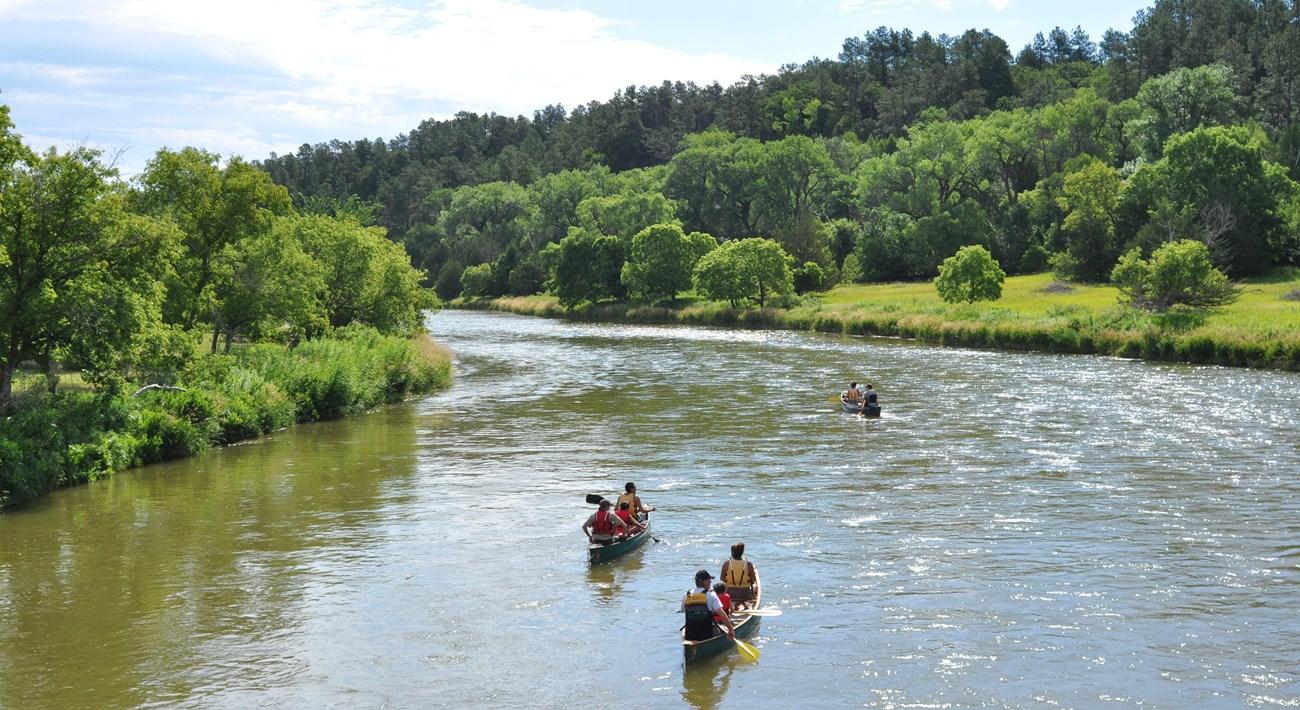 Niobrara National Scenic River
 in Nebraska offers canoeing, waterfalls, fossil-rich cliffs, wildlife and quiet Great Plains landscapes near Valentine.
Niobrara National Scenic River
Niobrara National Scenic River in Nebraska offers canoeing, waterfalls, fossil-rich cliffs, wildlife and quiet Great Plains landscapes near Valentine.
-
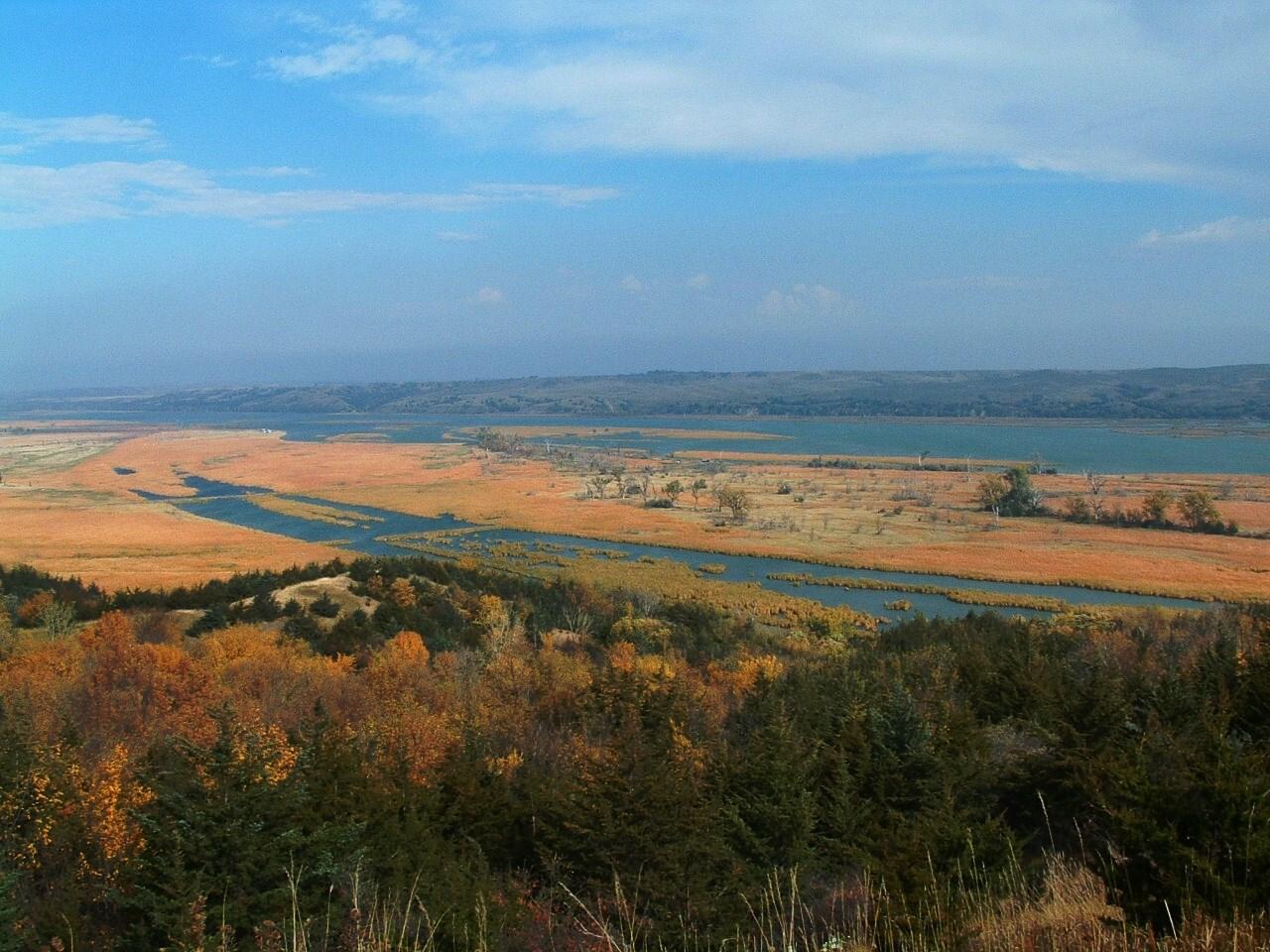 Niobrara River Valley
, Nebraska, offers scenic paddling, Smith Falls, Sandhills wildlife, ranch country and wide-open outdoor adventure in the USA.
Niobrara River Valley
Niobrara River Valley, Nebraska, offers scenic paddling, Smith Falls, Sandhills wildlife, ranch country and wide-open outdoor adventure in the USA.
-

-
 Gitchie Manitou State Preserve
, Iowa, protects Sioux quartzite outcrops, prairie and woodland near Larchwood for hiking, camping and quiet nature.
Gitchie Manitou State Preserve
Gitchie Manitou State Preserve, Iowa, protects Sioux quartzite outcrops, prairie and woodland near Larchwood for hiking, camping and quiet nature.


Swipe for more destinations
Explore more

Explore more of South Central South Dakota
Explore South Central South Dakota for Missouri River reservoirs, prairie landscapes, Indigenous heritage, museums and wide-open outdoor adventures.
Explore South Central South Dakota
Explore more of South Dakota
Discover South Dakota: From the iconic Mount Rushmore and Crazy Horse Memorial to the stunning Badlands and charming small towns, it's a land of history and natural beauty.
Explore South Dakota