
Gitchie Manitou State Preserve, Iowa Travel Guide
Discover Gitchie Manitou State Preserve: A blend of ancient geological marvels, serene natural landscapes, and rich Native American history in Iowa.
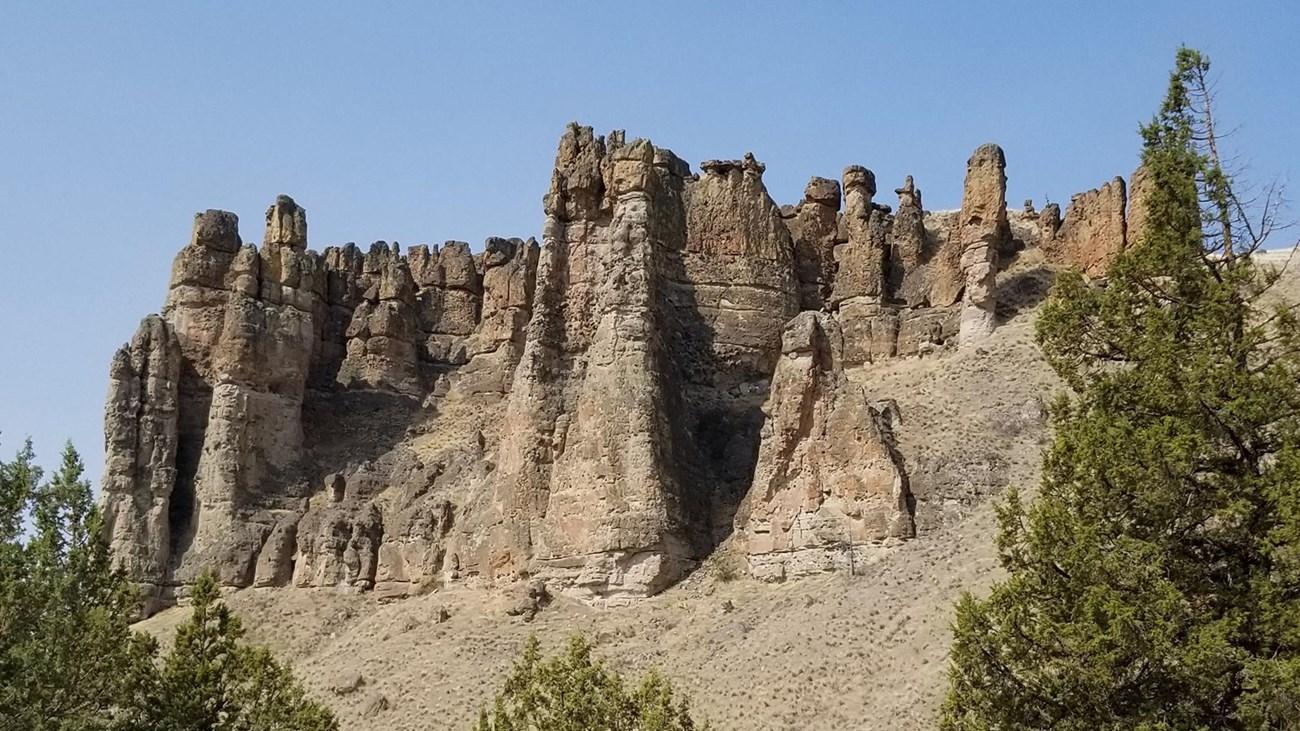
Gitchie Manitou State Preserve, located in the far northwestern corner of Iowa, offers a unique blend of natural beauty and historical significance. This serene preserve is known for its striking Sioux Quartzite outcroppings, which date back nearly 1.6 billion years. These ancient formations create a picturesque landscape that's perfect for hiking, photography, and quiet contemplation. Visitors to Gitchie Manitou will be captivated by the lush scenery and the gentle flow of the Big Sioux River, which meanders through the preserve. The area is also home to a diverse array of plant and wildlife species, making it a paradise for nature enthusiasts and bird watchers. The preserve's tranquil environment provides a peaceful escape from the hustle and bustle of everyday life. In addition to its natural wonders, Gitchie Manitou holds a poignant place in history. The preserve is the site of an ancient Native American quarry, where indigenous peoples once gathered to extract the beautiful pink Sioux Quartzite for tools and ceremonial objects. Visitors can explore these historical sites and gain a deeper understanding of the cultural significance of this special place.

Know before you go
Hi, I'm Eve. Here are a few practical things to know before exploring Gitchie Manitou State Preserve.
- Visit during the weekdays to avoid crowds and have a more peaceful experience.
- Wear sturdy hiking shoes as the terrain can be uneven and rocky in places.
- Bring binoculars for bird watching and spotting wildlife.
- Pack a picnic and enjoy a meal by the Big Sioux River.
- Respect the historical sites and do not disturb any artifacts you may come across.
Explore Gitchie Manitou State Preserve: Things to Do, Places to Eat, Hotels & More
Handpicked recommendations for top attractions, local dining, accommodations, and more

Best attractions in Gitchie Manitou State Preserve
Top-rated picks
Best Attractions

Falls Park
Explore the breathtaking waterfalls and rich history at Falls Park, a top tourist attraction in Sioux Falls, South Dakota.

Perry Nature Reserve
Experience the tranquility of Perry Nature Reserve in Sioux Falls, SD, a lush escape into nature with diverse wildlife and scenic trails.

Big Sioux River Trail Loop Trailhead
Discover the beauty of the Big Sioux River Trail Loop in Larchwood, Iowa, a perfect spot for hiking and enjoying nature's tranquility.

Northwestern Corner Of Iowa
Explore the rich history and serene landscapes of Northwestern Iowa, where every landmark tells a story of the past.


Best bars in Gitchie Manitou State Preserve

Best shops in Gitchie Manitou State Preserve
Top-rated picks
Best Shops

Gitchie Manitou State Preserve
Explore Gitchie Manitou State Preserve – a nature lover's paradise in Larchwood, Iowa, with trails, wildlife, and rich Native American history.
Northwestern Corner Of Iowa
Explore the rich heritage and serene landscapes of Northwestern Iowa at this captivating historical landmark, perfect for history enthusiasts and nature lovers.

Explore Gitchie Manitou State Preserve on the Map
A handpicked selection of must-see spots in Gitchie Manitou State Preserve, mapped for you.
Gitchie Manitou State Preserve Essentials
-
Gitchie Manitou State Preserve is located in northwest Iowa, near the border with South Dakota and Minnesota. The nearest major city is Sioux Falls, South Dakota, which has the Sioux Falls Regional Airport (FSD). From Sioux Falls, you can rent a car and drive approximately 40 miles southeast to reach the preserve. Alternatively, you can drive from Sioux City, Iowa, which is about 90 miles away.
-
The best way to explore Gitchie Manitou State Preserve and its surroundings is by car. There are no public transportation options directly to the preserve, so renting a car from nearby cities like Sioux Falls or Sioux City is recommended. The preserve itself is relatively small, so once you arrive, you can explore most areas on foot. Ensure your vehicle is in good condition and fuel up before heading out, as services may be limited in rural areas.
-
The official currency in the United States is the US Dollar (USD). Credit and debit cards are widely accepted in nearby towns and cities. However, it's advisable to carry some cash for smaller establishments, especially in rural areas. ATMs can be found in nearby towns like Sioux Falls or Larchwood, Iowa, so plan accordingly.
-
Gitchie Manitou State Preserve is generally a safe destination for visitors. Nonetheless, it's always wise to take standard precautions. Ensure your vehicle is locked and do not leave valuables in plain sight. As the preserve is in a rural area, it's best to visit during daylight hours and avoid isolated areas if you're alone. There are no specific high-crime areas targeting tourists, but always stay vigilant and aware of your surroundings.
-
In case of emergency, dial 911 for immediate assistance. The nearest medical facilities are located in Sioux Falls, South Dakota, which has several hospitals and urgent care clinics. It's recommended to have travel insurance that covers medical emergencies. For minor health issues, there are pharmacies in nearby towns where you can purchase over-the-counter medications.
-
Fashion: Do wear comfortable and weather-appropriate clothing, especially if you plan on hiking or exploring the natural areas. Avoid wearing high heels or dress shoes. Religion: There are no specific religious customs to follow within the preserve, but always be respectful of any cultural or historical sites. Public Transport: Public transport is not available; do rely on a rental car. Greetings: Do greet people with a friendly 'hello' or a nod. The local community is generally friendly. Eating & Drinking: Do bring your own snacks and water, as there are no food facilities within the preserve. Always pack out what you pack in to keep the area clean.
-
To experience Gitchie Manitou State Preserve like a local, consider visiting during the early morning or late afternoon when the lighting is perfect for photography and the preserve is less crowded. Bring a picnic and enjoy it by the scenic areas. Engage with locals in nearby towns who can share fascinating stories about the preserve's history. Don’t miss the unique quartzite rock formations and ancient Native American petroglyphs that make this preserve special.
When is the best time to visit Gitchie Manitou State Preserve?
Useful Local Phrases for Gitchie Manitou State Preserve
You don't need to speak the language perfectly. Even learning a few simple words can make conversations warmer—and locals usually appreciate the effort.
— Eve

Here are the phrases I use most often in Gitchie Manitou State Preserve. Try a few—you'll be surprised how far they go! 😊
❤️
-
- HelloBoozhoo
[Boo-zhoo] - GoodbyeBiindigen
[Been-dee-gen] - YesAaniin
[Ah-nee] - NoAaniish
[Ah-nee-sh] - Please/You're welcomeMiigwech
[Mee-gwetch] - Thank youMiigwech
[Mee-gwetch] - Excuse me/SorryAanii
[Ah-nee] - How are you?Boozhoo?
[Boo-zhoo] - Fine. And you?Mi iw
[Mee-eew] - Do you speak English?Gichi-aadizooke?
[Gee-chee-ah-dee-zoo-keh] - I don't understandNiwiikwegiin
[Nee-wee-kweh-gin]
- HelloBoozhoo
-
- I'd like to see the menu, pleaseGaa-waabamin menu, miigwech
[Gah-wah-bah-min men-oo, mee-gwetch] - I don't eat meatGaa-waabamin daga, miinawaa
[Gah-wah-bah-min dah-gah, mee-nah-wah] - Cheers!Boozhoo!
[Boo-zhoo] - I would like to pay, pleaseGaa-waabamin biizindan, miigwech
[Gah-wah-bah-min bee-zeen-dahn, mee-gwetch]
- I'd like to see the menu, pleaseGaa-waabamin menu, miigwech
-
- Help!Aaniin!
[Ah-nee!] - Go away!Biindigen!
[Been-dee-gen!] - Call the Police!Mashkikiwaabooz!
[Mah-shkee-kee-wah-booze!] - Call a doctor!Mashkiki!
[Mah-shkee-kee!] - I'm lostNiwiikwegiin
[Nee-wee-kweh-gin] - I'm illNiwiikwegiin
[Nee-wee-kweh-gin]
- Help!Aaniin!
-
- I'd like to buy...Gaa-waabamin ... gichi-aya'igan
[Gah-wah-bah-min ... gee-chee-ah-yah-ee-gahn] - I'm just lookingGaa-waabamin wiinawaa
[Gah-wah-bah-min wee-nah-wah] - How much is it?Waaseyaankwan?
[Wah-say-yahn-kwahn] - That's too expensiveAaniin enawaad ayaaya'igan
[Ah-nee-en-ah-waahd ah-yah-yah-ee-gahn] - Can you lower the price?Gichi-aya'igan ayaaya'igan?
[Gee-chee-ah-yah-ee-gahn ah-yah-yah-ee-gahn]
- I'd like to buy...Gaa-waabamin ... gichi-aya'igan
-
- What time is it?Giinwaa ezhiwebak?
[Gee-nwah eh-zhee-way-bahk?] - It's one o'clockBezhig niizh
[Beh-zheeg neezh] - Half past (10)Miisaanis
[Mee-sah-nees] - MorningWii-zaagichigewin
[Wee-zah-gee-chee-geh-win] - AfternoonNaanaage
[Nah-nah-geh] - EveningWaaban
[Wah-bahn] - YesterdayGikendaas
[Gee-ken-dahs] - TodayBiindaas
[Been-dahs] - TomorrowAazhinaa
[Ah-zhee-nah] - 1Bezhig
[Beh-zheeg] - 2Niizh
[Neezh] - 3Niswi
[Nee-swee] - 4Niiwin
[Nee-win] - 5Niiwinzh
[Nee-winzh] - 6Ningodwaaswi
[Nin-go-dwah-swee] - 7Ningwaakwe
[Nin-gwah-kweh] - 8Ningoding
[Nin-go-ding] - 9Zhingwaakwe
[Zheen-gwah-kweh] - 10Midaaswi
[Mee-dah-swee]
- What time is it?Giinwaa ezhiwebak?
-
- Where's a/the...?Gaa-inendam ...?
[Gah-ee-nen-dahm ...?] - What's the address?Gaa-inendam wiikwedong?
[Gah-ee-nen-dahm wee-kweh-dohng?] - Can you show me (on the map)?Gichi-maabam ...?
[Gee-chee-mah-bahm ...?] - When's the next (bus)?Aaniin ezhiwebak ...?
[Ah-nee eh-zhee-way-bahk ...?] - A ticket (to ....)Gichi-biizindang
[Gee-chee-bee-zeen-dahng]
- Where's a/the...?Gaa-inendam ...?
History of Gitchie Manitou State Preserve
-
Gitchie Manitou State Preserve is rich in Native American history, with evidence of human presence dating back thousands of years. The protected area was once a sacred site for the indigenous tribes, particularly the Dakota Sioux. The name 'Gitchie Manitou' translates to 'Great Spirit,' reflecting its spiritual significance. Artifacts such as pottery shards and stone tools have been uncovered, providing a glimpse into the lives and rituals of the area's earliest inhabitants.
-
One of the most intriguing features of Gitchie Manitou is the Spirit Mound. This natural formation was considered a powerful spiritual site by Native American tribes. They believed that the mound was inhabited by spirits and that it held a special connection to the earth and sky. The mound served as a place for ceremonies and gatherings, where tribes would come together to honor their ancestors and seek guidance from the Great Spirit.
-
European settlers arrived in the area in the 19th century, bringing significant changes to the landscape and its use. The land around Gitchie Manitou was transformed from a sacred site into farmland. Despite these changes, the preserve managed to retain its natural beauty and historical significance. In the early 20th century, the state of Iowa recognized the need to protect this unique area, leading to the establishment of the state preserve.
-
In the 1970s, Gitchie Manitou State Preserve was the site of a tragic and infamous crime. In November 1973, four teenagers were murdered in the preserve during a camping trip, and a fifth was severely injured but survived. The crime shocked the local community and led to a manhunt for the perpetrators. The case remains one of Iowa's most notorious criminal events, adding a somber chapter to the preserve's history.
-
Recognizing the area's historical and cultural importance, efforts have been made to preserve Gitchie Manitou State Preserve. The site was officially designated as a state preserve in 1969, ensuring that its natural and historical features would be protected for future generations. Conservation initiatives have focused on maintaining the landscape, protecting archaeological sites, and fostering a deeper understanding of the area's significance through educational programs.
Neighbouring destination travel guides
Browse our curated selection of top destinations, scenic points, and must-visit spots in the area.




Your all‑in‑one travel companion app
Explore expert travel guides, compare and book tours, experiences, hotels, and more—all from the palm of your hand. Download now for seamless trip planning wherever your wanderlust takes you.


Explore More of Northwest Iowa

Looking beyond Gitchie Manitou State Preserve? Discover Northwest Iowa for broader travel guides, local hot-spots, and regional highlights.
Explore Northwest IowaExplore More of Iowa

Looking beyond Gitchie Manitou State Preserve? Discover Iowa for broader travel guides, local hot-spots, and regional highlights.
Explore Iowa