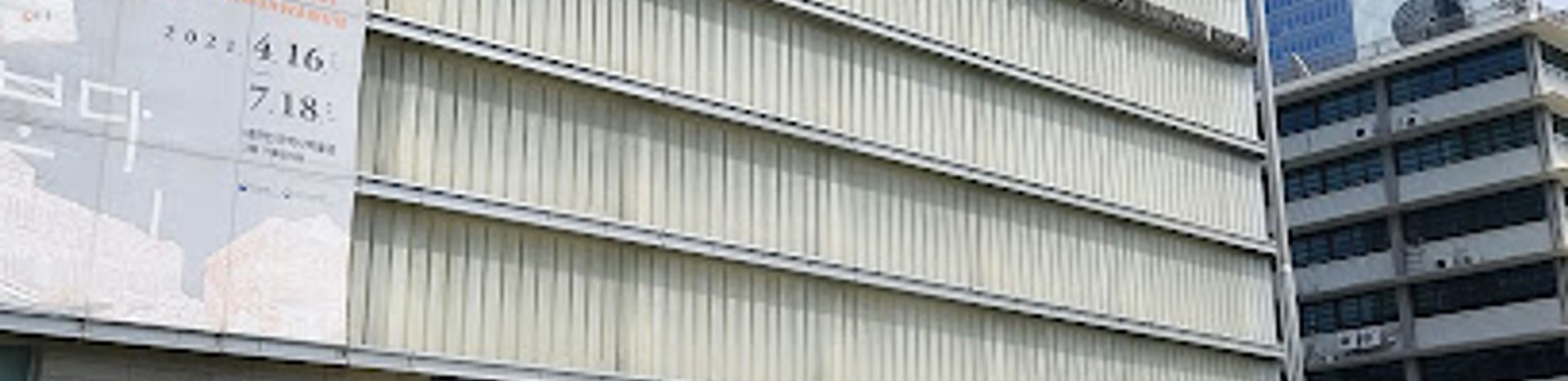
Explore the National Museum of Korean Contemporary History
Discover Korea's past at the National Museum of Korean Contemporary History, where modern history comes to life in the heart of Seoul.
The National Museum of Korean Contemporary History is a must-visit destination for tourists in Seoul, showcasing the rich tapestry of Korea's modern history through engaging exhibits and artifacts. With its stunning architecture and informative displays, visitors can immerse themselves in the events that have shaped contemporary Korea.
A brief summary to National Museum of Korean Contemporary History
- 198 Sejong-daero, Jongno District, Seoul, 03141, KR
- +822-3703-9200
- Visit website
- Monday 10 am-6 pm
- Tuesday 10 am-6 pm
- Wednesday 10 am-9 pm
- Thursday 10 am-6 pm
- Friday 10 am-6 pm
- Saturday 10 am-9 pm
- Sunday 10 am-6 pm
Local tips
- Visit the rooftop for stunning views of Gyeongbokgung Palace.
- Check the museum's schedule for special exhibitions and events.
- Plan your visit on a Wednesday or Saturday to enjoy extended hours.
- Engage with interactive displays for a more immersive experience.
- Take advantage of guided tours for deeper insights into the exhibits.

Getting There
-
Subway
If you're in downtown Seoul, head to the nearest subway station. Take Line 1 (the blue line) or Line 5 (the purple line) to 'Seoul Station'. From Seoul Station, transfer to Line 4 (the light blue line) and go towards 'Danggogae'. Get off at 'Gyeongbokgung Station'. Once you exit the station, follow the signs to Exit 2. As you come out, walk straight along Sejong-daero for approximately 10 minutes until you reach the National Museum of Korean Contemporary History located at 198 Sejong-daero.
-
Bus
From your current location, find the nearest bus stop. Look for buses heading towards 'Gwanghwamun' or 'City Hall'. Get on any of the buses that have these stops listed. Once you reach 'Gwanghwamun', disembark and walk towards the National Museum of Korean Contemporary History, which is about a 5-minute walk along Sejong-daero (198 Sejong-daero).
-
Walking
If you are staying nearby, you can simply walk to the National Museum of Korean Contemporary History. Head towards Sejong-daero street and walk straight. The museum is located at 198 Sejong-daero, Jongno District. It’s a prominent building and should be easily visible as you approach.
Discover more about National Museum of Korean Contemporary History
Iconic landmarks you can’t miss

Bigag
0.2 km
Explore Bigag in Jongno District, a vibrant blend of cultural heritage and modernity in the heart of Seoul, where every corner tells a story.
Heungnyemun Gate
0.3 km
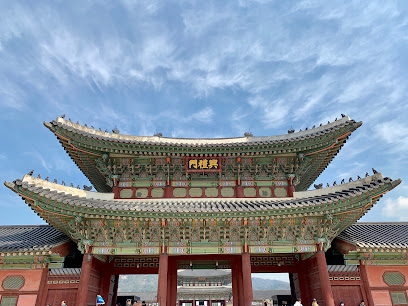
Explore Heungnyemun Gate, a beautiful historical landmark in Seoul, and immerse yourself in the rich heritage of Korea's Joseon Dynasty.
Jongno in Joseon Dynasty Well
0.5 km
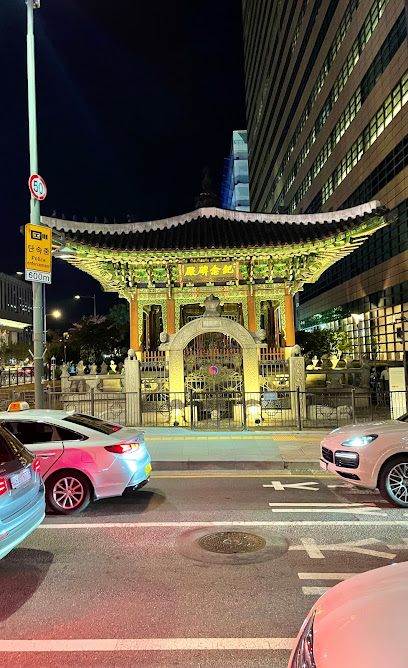
Explore the Jongno in Joseon Dynasty Well, a historical landmark in Seoul that unveils Korea's rich heritage and offers a serene escape in the urban landscape.
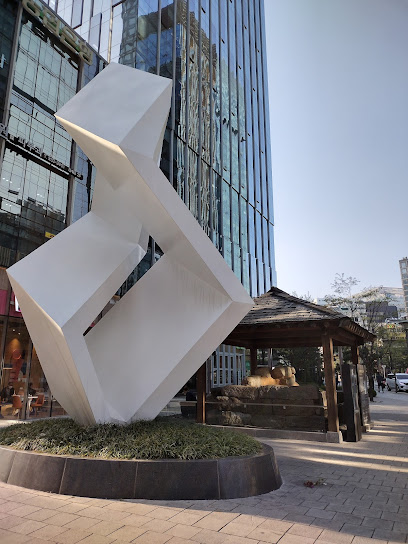
Hanok-gil (Insadong-gil)
0.5 km
Discover the cultural richness and architectural beauty of Hanok-gil in Insadong, the heart of traditional Seoul's art and history.
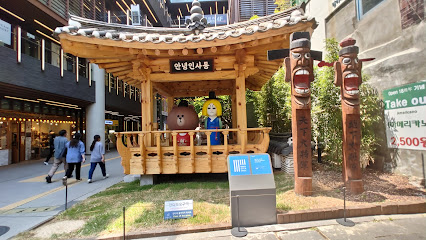
Insadong-gil
0.6 km
Discover the cultural heart of Seoul at Insadong-gil, where traditional arts, crafts, and culinary delights await travelers in a vibrant atmosphere.
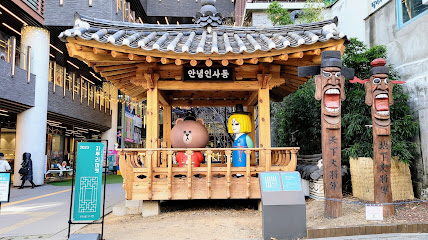
Gyeongbokgung Palace
0.6 km
Explore the grandeur of Gyeongbokgung Palace, Seoul's iconic cultural landmark showcasing Korea's rich history and stunning architecture.
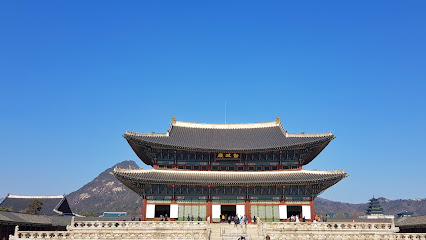
Yeongchumun (West Gate)
0.6 km
Discover the historical grandeur of Yeongchumun, the West Gate of Gyeongbokgung Palace, a must-see landmark in Seoul's rich cultural tapestry.
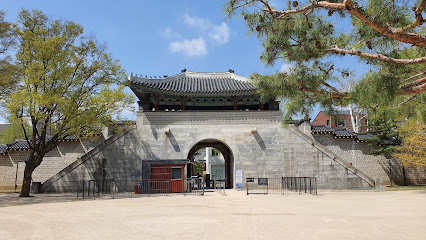
Jagyeongjeon
0.7 km
Explore Jagyeongjeon, a historical landmark in Seoul showcasing royal heritage and exquisite architecture amidst serene gardens.
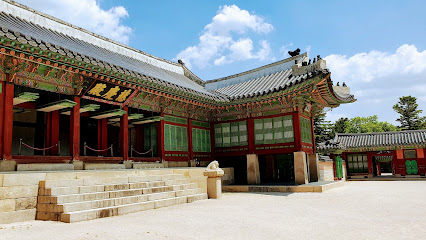
Insadong Culture Street
0.7 km
Experience the vibrant arts and rich culture of Seoul at Insadong Culture Street, a must-visit for tourists exploring South Korea's heritage.
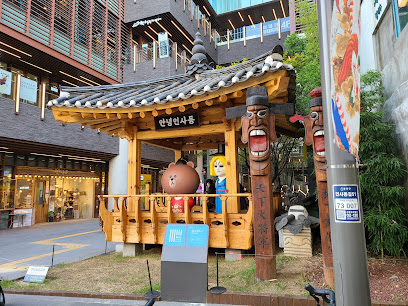
Seoul Cheonggyecheon Ruins
0.7 km
Explore the Cheonggyecheon Ruins in Seoul, a historical site where ancient culture meets urban beauty, ideal for history lovers and urban explorers alike.
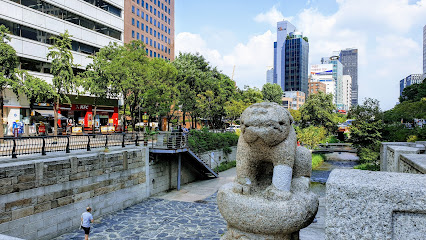
Seoul Museum of History
0.8 km
Explore Seoul's captivating history at the Seoul Museum of History, where the past comes alive through engaging exhibits and stunning architecture.
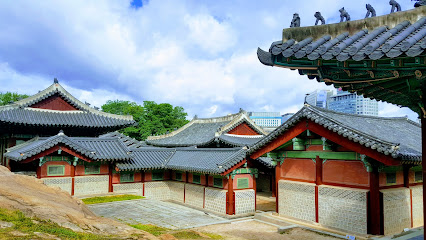
Neungseongwi Palace site
0.8 km
Explore the Neungseongwi Palace site in Seoul, a historical landmark showcasing Korea's royal heritage and stunning architecture amidst serene gardens.
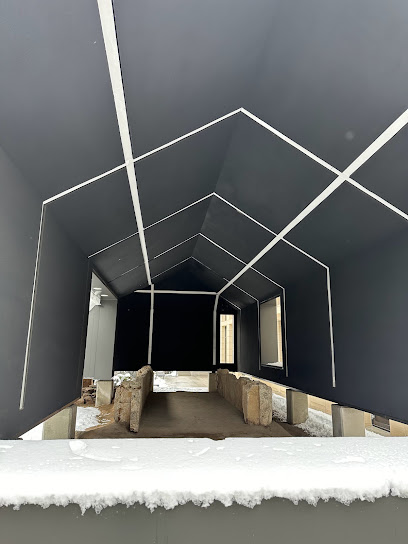
Seoul City Hall
0.8 km
Discover the architectural beauty and cultural significance of Seoul City Hall, a centerpiece of governance and public engagement in South Korea's vibrant capital.

Unhyeongung Palace
0.8 km
Discover the royal heritage of Korea at Unhyeongung Palace, a serene cultural landmark in the heart of Seoul, where history and beauty intertwine.
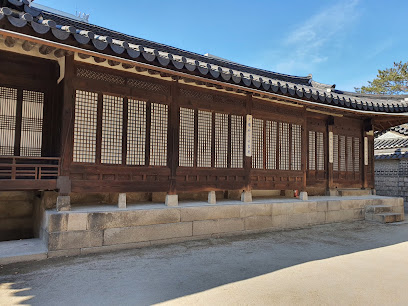
Road of Emperor Gojong
0.9 km
Explore Seoul's Road of Emperor Gojong, a historic pathway that beautifully blends the past with the present amidst stunning architecture and lush gardens.
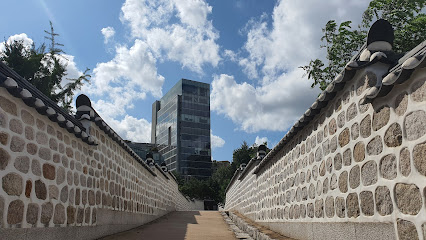
Unmissable attractions to see

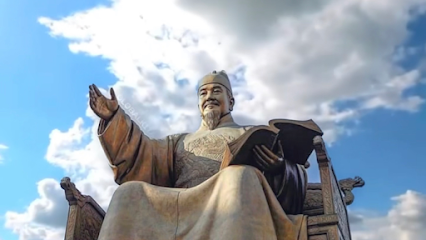
Statue of King Sejong the Great
0.2 km
Discover the rich history of Korea at the Statue of King Sejong the Great, a magnificent tribute to the beloved monarch and creator of the Korean alphabet.
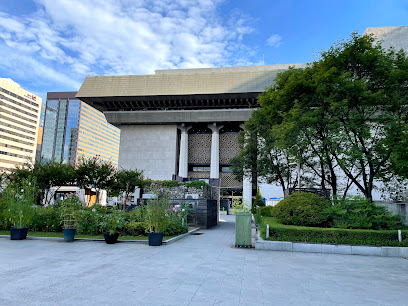
Sejong-ro Park
0.2 km
Experience the serene beauty of Sejong-ro Park in Seoul, an urban oasis blending nature, culture, and tranquility for every traveler.
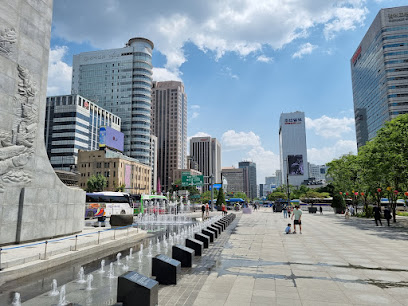
Gwanghwamun Square
0.2 km
Discover Gwanghwamun Square, a cultural landmark in Seoul where history meets modernity, surrounded by stunning architecture and vibrant public life.
Gwanghwamun Woldae (Elevated Platform)
0.2 km
Discover the historical essence of Seoul at Gwanghwamun Woldae, where tradition and modernity converge in a picturesque setting.
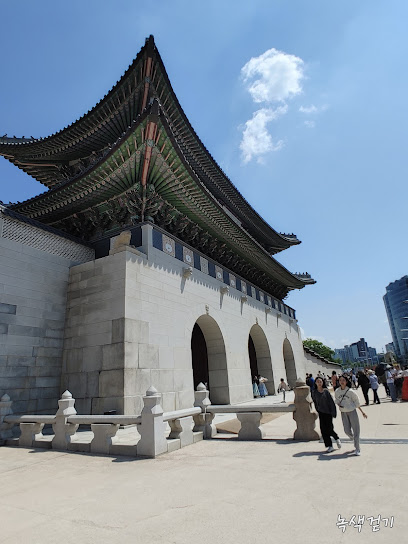
Gwanghwamun Gate
0.2 km
Explore the grandeur of Gwanghwamun Gate, a historical landmark that embodies Seoul's rich cultural heritage and architectural beauty.
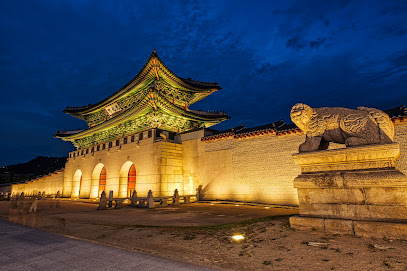
Sejong Center for the Performing Arts
0.3 km
Experience the heartbeat of Seoul's arts scene at the Sejong Center for the Performing Arts, where culture and creativity come to life.
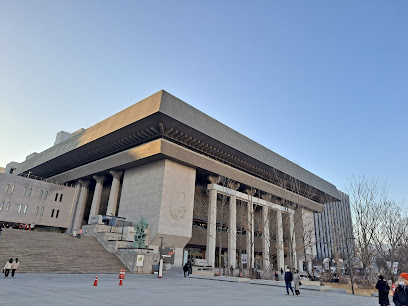
Dongsipjagak
0.3 km
Experience the historical beauty of Dongsipjagak, a must-visit landmark in Seoul that showcases Korea's rich cultural heritage.
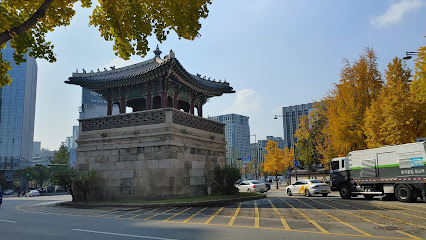
Seoul Hanbok Cafe
0.3 km
Discover the charm of Korean tradition at Seoul Hanbok Cafe, where coffee meets culture in a cozy ambiance.
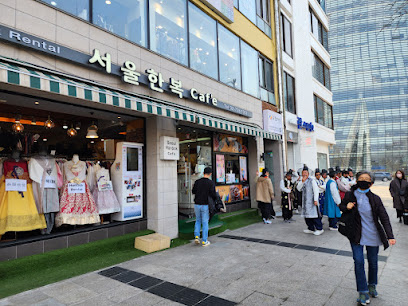
Jogyesa Geungnakjeon, Daeseolbeopjeon, Soseolbeopjeon Hall
0.3 km
Discover the serene beauty and cultural richness of Jogyesa Geungnakjeon, a heritage gem in the heart of Seoul.
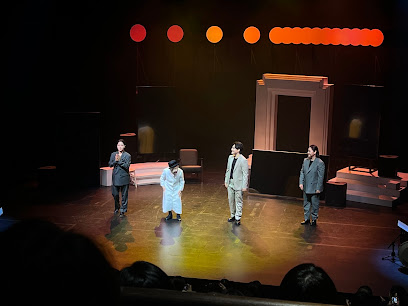
The Story of King Sejong and 'Chungmugong' Admiral Yi
0.3 km
Explore the profound legacies of King Sejong and Admiral Yi at this immersive exhibit in Seoul, where history comes alive.

세종문화회관 S씨어터
0.3 km
Experience the vibrant world of performing arts at S Theater, a cultural gem in the heart of Seoul's Sejong Center.
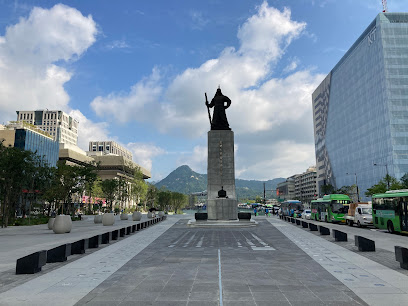
Statue of Admiral Yi Sun-sin
0.3 km
Discover the spirit of Korea at the iconic Statue of Admiral Yi Sun-sin, a cultural landmark celebrating the nation's naval hero.
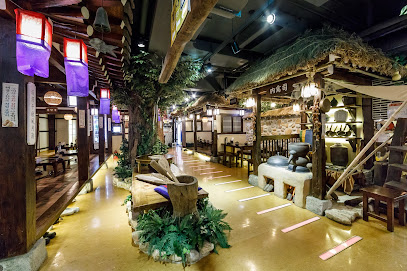
Gwanghwamun Hanok House
0.4 km
Discover the flavors of Korea in a traditional Hanok setting at Gwanghwamun Hanok House, an exceptional dining experience in Seoul.
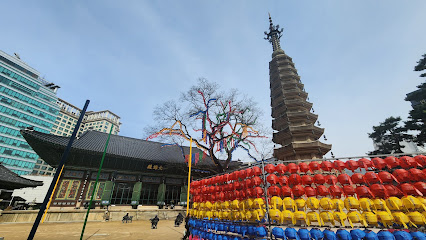
Buddhism Central Museum
0.4 km
Discover the rich heritage of Buddhism at the Buddhism Central Museum, a serene cultural sanctuary in the heart of Seoul, showcasing exquisite artifacts and art.
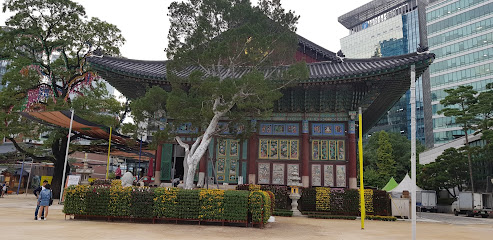
Jogyesa Temple
0.4 km
Experience the tranquil beauty and cultural richness of Jogyesa Temple, a serene Buddhist haven in the heart of Seoul, perfect for spiritual exploration.
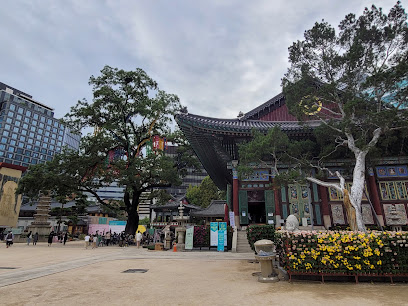
Essential places to dine

Dugahun
0.4 km
Experience authentic Italian flavors at Dugahun in Jongno District, Seoul – where culinary excellence meets vibrant atmosphere.
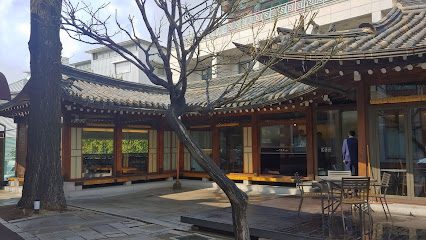
The Market Kitchen
0.4 km
Explore culinary excellence at The Market Kitchen in Seoul with an expansive buffet featuring global flavors and local specialties.
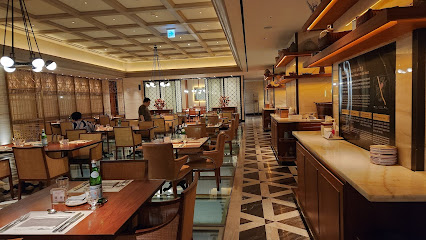
Akira Back
0.4 km
Experience culinary artistry at Akira Back in Seoul – where Canadian flavors meet Korean inspirations in a fine dining setting.
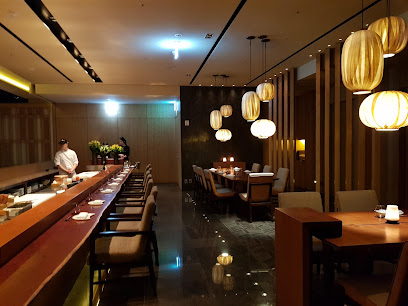
Korean Folk Village
0.5 km
Discover Korea's rich heritage at Korean Folk Village – an open-air museum showcasing traditional life with performances, crafts, and delicious cuisine.
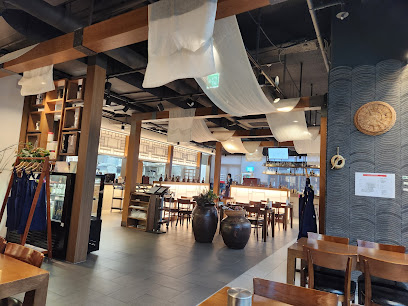
Insadong Geujip
0.6 km
Experience authentic Korean flavors at Insadong Geujip - where tradition meets culinary excellence in Seoul's historic district.
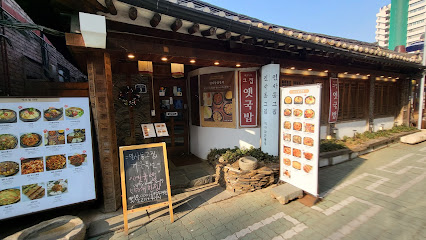
Sejong Village Food Street
0.6 km
Discover the rich flavors of Korea at Sejong Village Food Street – a culinary haven in the heart of Seoul's historic Jongno District.
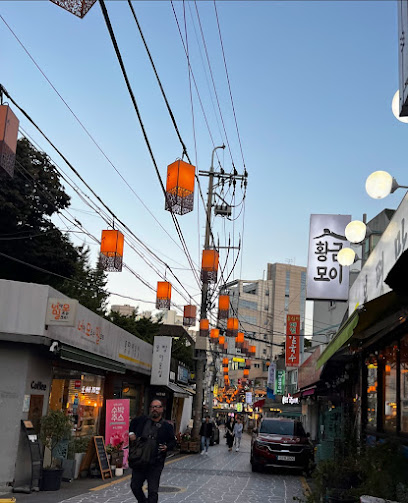
Ha-Yeon Korean Cuisine Restaurant
0.6 km
Savor authentic Korean traditional full-course meals at Ha-Yeon in Jongno-gu, where every dish tells a story.
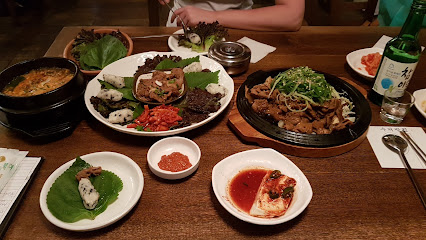
PyeongYang Gogitjip
0.7 km
Experience authentic Korean BBQ at PyeongYang Gogitjip in Jongno District, where flavors meet tradition in every grilled bite.
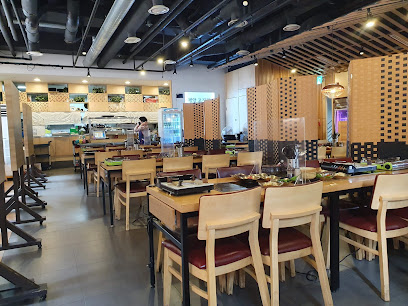
Doma Insadong
0.7 km
Discover authentic Korean flavors at Doma Insadong in Seoul's historic Insadong district – a perfect blend of tradition and taste.
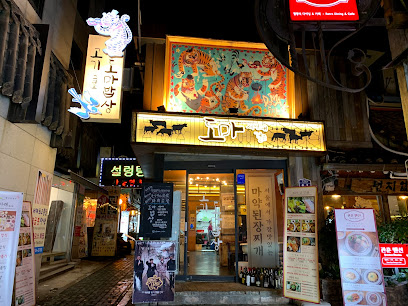
Sanchon
0.7 km
Discover authentic Korean vegetarian cuisine at Sanchon in Seoul's historic Insadong district—an unforgettable dining experience steeped in tradition.
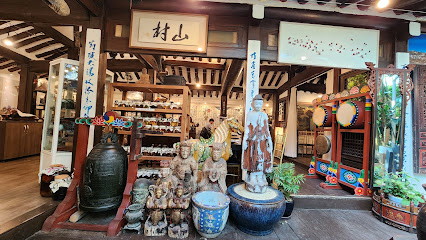
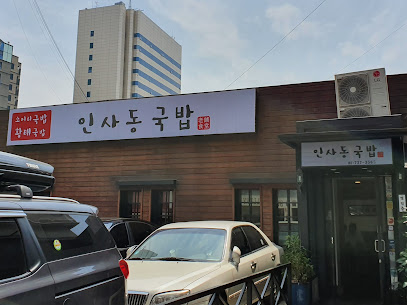
Insadong gukbap
0.7 km
Experience authentic Korean gukbap at Insadong Gukbap in Seoul - where tradition meets flavor in every bowl.
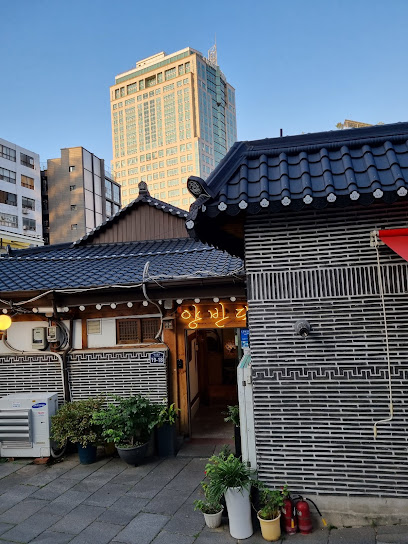
Yangbandaek
0.7 km
Experience authentic Korean flavors at Yangbandaek in Jongno District, where traditional cuisine meets warm hospitality.
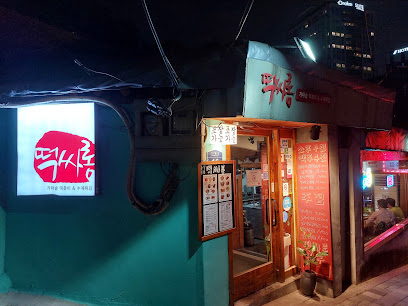
Tteok Salon Insadong
0.7 km
Experience authentic Korean rice cakes at Tteok Salon Insadong - a culinary gem in Seoul's historic Insadong district.
Korean Restaurant Doore
0.8 km
Experience the essence of traditional Korean dining at Doore - where every dish tells a story.
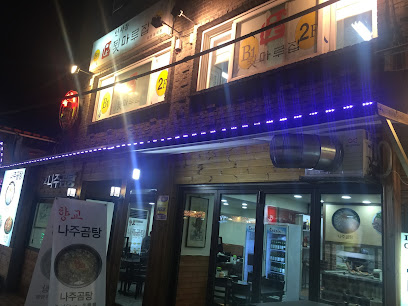
Tteulag
0.8 km
Discover Tteulag: A Culinary Haven in Seoul's Insadong District Offering Authentic Korean Flavors and Warm Hospitality.
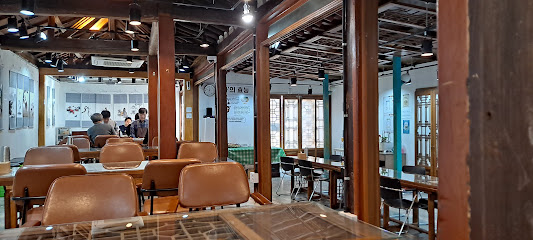
Markets, malls and hidden boutiques

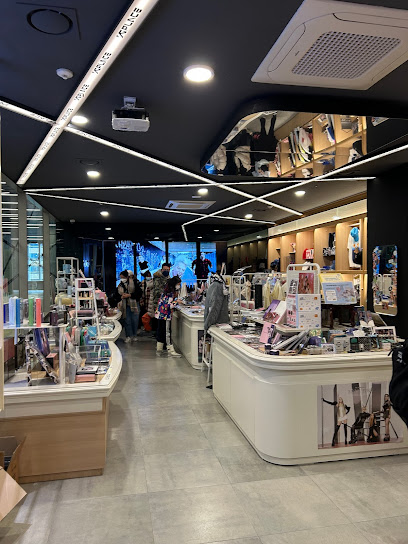
YG Place Insa Branch
0.5 km
Explore the vibrant world of K-pop at YG Place Insa Branch, Seoul's premier music store, offering exclusive merchandise and a taste of Korean music culture.
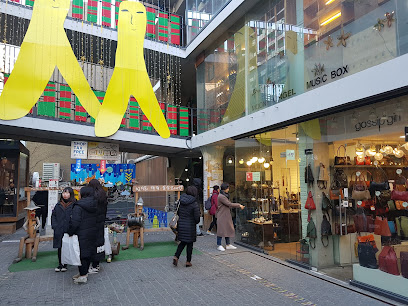
세령 (Korean HandMade Highclass Traditional Accessory)
0.6 km
Discover 세령: Your Destination for Exquisite Handmade Traditional Accessories in Seoul, Celebrating Korean Artistry and Culture.
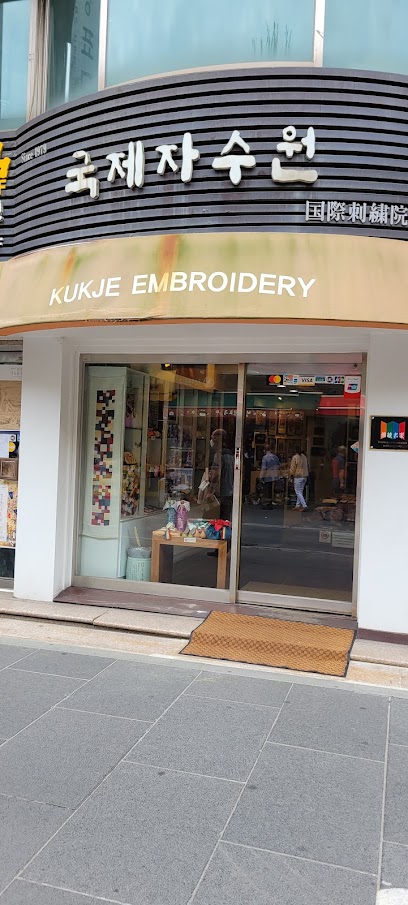
Kukje Embroidery
0.6 km
Discover the artistry of Korean embroidery at Kukje Embroidery, a unique gift shop in the heart of Seoul's Insa-dong district.
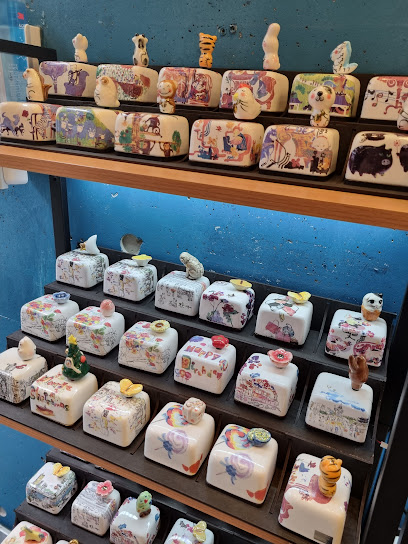
Moony Gongbang Music Box (무늬공방 도자기 오르골)
0.6 km
Discover the magic of handcrafted music boxes at Moony Gongbang in Seoul's Jongno District, where melodies and memories intertwine beautifully.
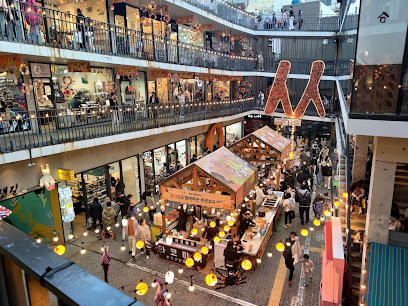
Ssamziegil
0.6 km
Explore the artistic heart of Seoul at Ssamziegil, where traditional crafts meet modern shopping in a vibrant cultural hub.
Etro Boutique
0.6 km
Discover the elegance of Italian fashion with unique prints and luxurious fabrics at Etro Boutique in Seoul, a must-visit for style enthusiasts.

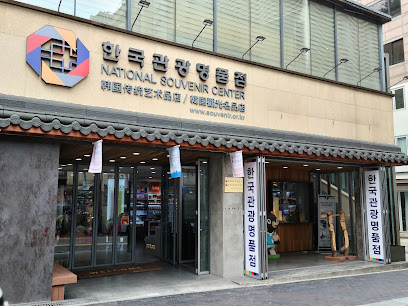
Korean National Souvenir Center
0.7 km
Explore the Korean National Souvenir Center for unique handcrafted gifts and authentic cultural experiences in the heart of Seoul.
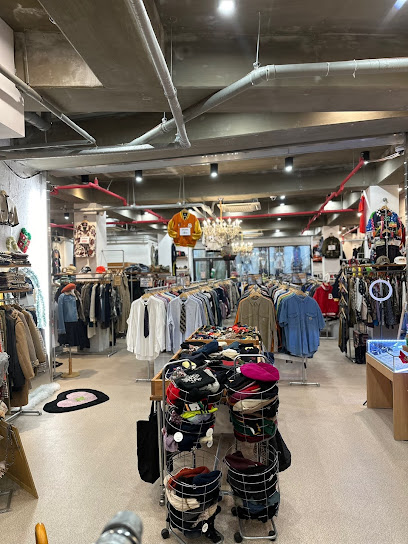
Insadong Vintage
0.7 km
Explore the rich tapestry of fashion history at Insadong Vintage, where each unique piece brings a story from the past to your wardrobe.
Yeon
0.7 km
Discover Yeon, a charming gift shop in Seoul, offering unique handmade products that reflect Korea's rich cultural heritage.
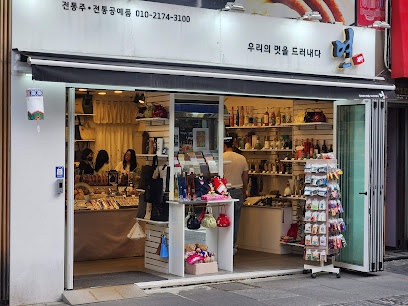
Insadong Bells and Wind Chimes Shop
0.8 km
Explore the enchanting Insadong Bells and Wind Chimes Shop in Seoul, a treasure trove of handcrafted gifts that capture the spirit of Korean culture.
인사1길
0.8 km
Explore the charm of Korean craftsmanship at Insa1-gil, a unique home goods store in Seoul's historic Insa-dong district.
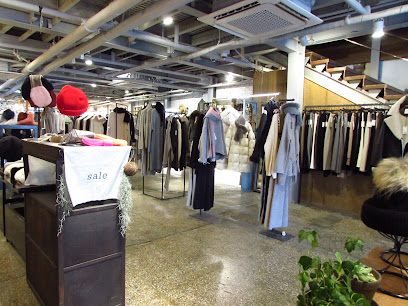
AEOL SSIGU MADANG
0.8 km
Explore vintage treasures at AEOL SSIGU MADANG in the heart of Seoul's Insa-dong, where retro fashion meets a vibrant cultural scene.
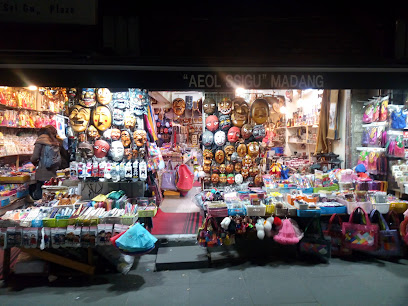
Damul
0.8 km
Explore Damul in Insa-dong, where traditional Korean fashion meets contemporary style in a vibrant shopping experience.
Korea Traditional Souvenir Center
0.8 km
Explore authentic Korean culture at the Korea Traditional Souvenir Center, home to unique handcrafted treasures and traditional memorabilia.
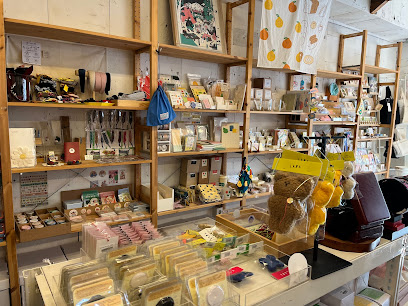
Object
0.8 km
Explore a charming souvenir store in Jongno District, Seoul, offering unique gifts and local crafts that reflect Korea's rich culture and heritage.
Essential bars & hidden hideouts

찰스 H Charles H.
0.4 km
Discover the perfect blend of elegance and modernity at Charles H. in Seoul, a sophisticated bar and dining experience.
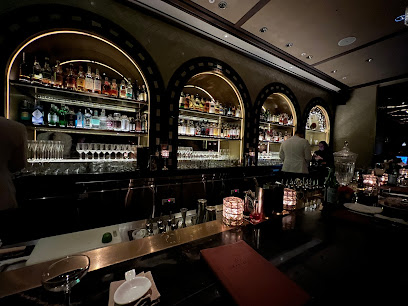
Tender Bar
0.6 km
Experience Seoul's nightlife at Tender Bar, a cocktail haven offering expertly crafted drinks and a vibrant atmosphere in Jongno District.
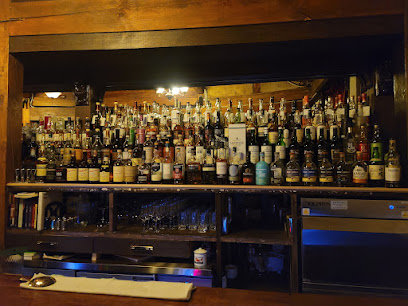
Cobbler
0.6 km
Experience the art of mixology at Cobbler, a premier cocktail bar in Seoul's Jongno District, where creativity and flavor intertwine.
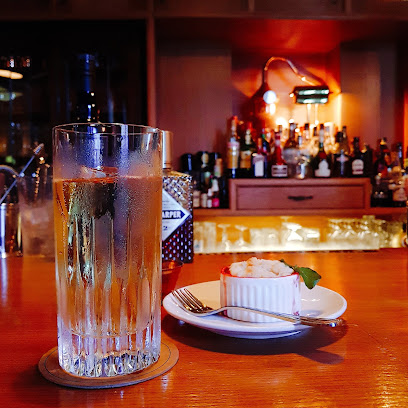
OB's Cabin
0.7 km
Experience the vibrant nightlife of Seoul at OB's Cabin, a live music bar where local talent shines in an intimate setting.
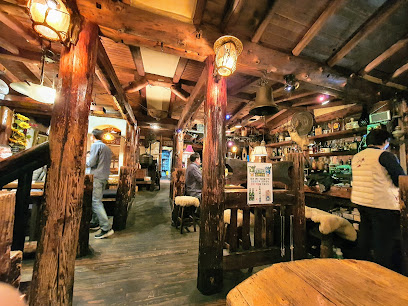
Tongkeun Imo
0.7 km
Discover the lively essence of Seoul's nightlife at Tongkeun Imo, a cozy bar in Insa-dong offering unique local drinks and a welcoming atmosphere.
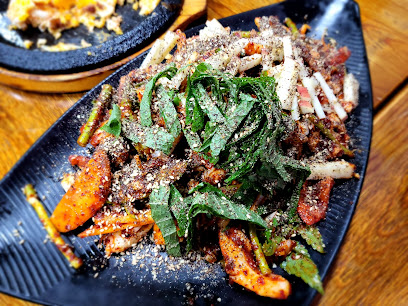
마당쇠호프
0.7 km
Discover the local charm of Seoul at 마당쇠호프, a popular bar in Insa-dong offering delicious drinks and a vibrant social atmosphere.
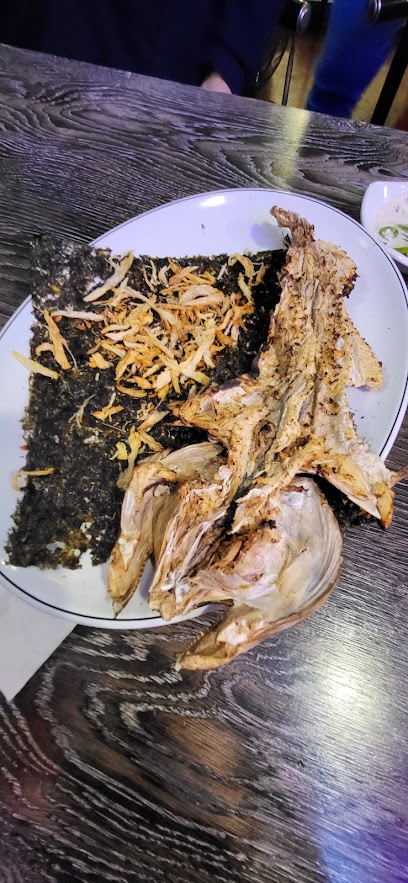
Seochon Dokkaebi
0.7 km
Discover Seochon Dokkaebi, a vibrant bar in Seoul that blends traditional Korean culture with modern nightlife, perfect for an unforgettable experience.
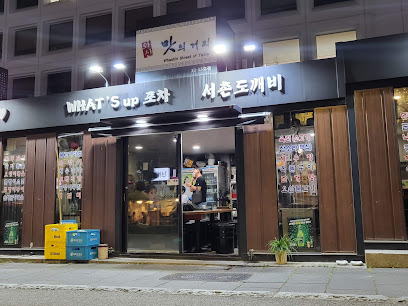
Tou
0.7 km
Experience the authentic taste of Korea at Tou, a Korean rice wine pub in Jongno District, where culture and flavor come alive.
I Love Pub
0.7 km
Experience the vibrant nightlife at I Love Pub in Jung-gu, Seoul, where friendly service meets a lively atmosphere and delicious drinks.
Insadong Nogari
0.7 km
Experience the vibrant nightlife of Seoul at Insadong Nogari, a traditional bar offering delicious drinks and a welcoming atmosphere in the heart of Insadong.
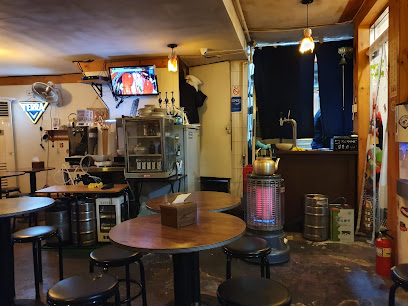
Jongnoilbeonzi
0.8 km
Discover the vibrant nightlife of Jongnoilbeonzi, a perfect bar to unwind in the heart of Seoul's cultural district, Insa-dong.
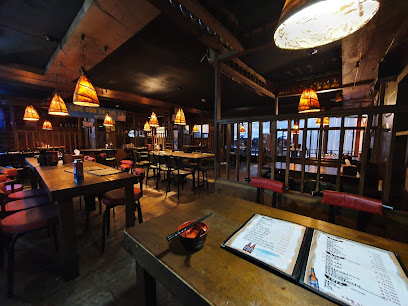
레벤호프
0.8 km
Immerse yourself in Seoul's nightlife at 레벤호프, where traditional charm meets modern mixology in the heart of Insa-dong.
Ghiwon22
0.8 km
Discover Ghiwon22: A chic cocktail bar in Myeong-dong, blending local Korean flavors with innovative drinks in a vibrant atmosphere.
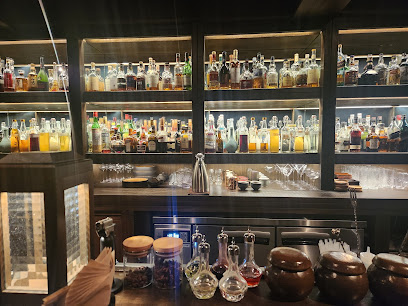
Haejeo
0.8 km
Discover Haejeo, a unique bar in Insa-dong, Seoul, where traditional culture meets modern mixology for an unforgettable experience.
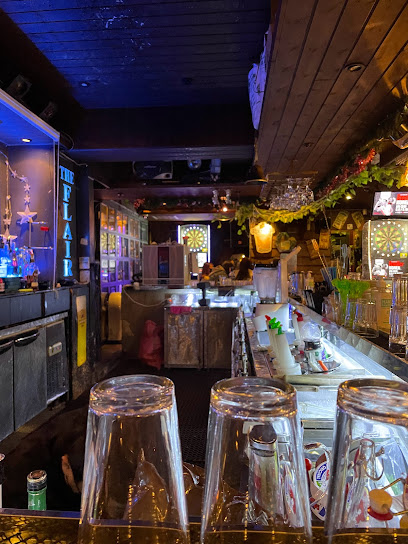
The Flair Bar
0.8 km
Discover The Flair Bar in Seoul - a lively nightlife destination offering innovative cocktails, a vibrant atmosphere, and a taste of local culture.