

South Jeolla Province, South Korea Travel Guide
Discover South Jeolla Province: Where Tradition Meets Nature in South Korea's Hidden Gem
South Jeolla Province, located in the southwestern part of South Korea, is a hidden gem that offers a rich blend of cultural heritage and natural beauty. Known for its picturesque landscapes and historical sites, this region is a paradise for nature lovers and history enthusiasts alike. One of the highlights of South Jeolla is the Suncheon Bay Wetland Reserve, a stunning ecological park that is home to a diverse range of flora and fauna. Visitors can enjoy peaceful walks along the wooden boardwalks, take boat rides through the reeds, and witness the breathtaking sunset over the wetlands. Another must-visit destination is the city of Gwangju, the cultural hub of the province. Gwangju is known for its vibrant art scene, historical landmarks, and delicious local cuisine. The Gwangju Biennale, an internationally acclaimed art festival, attracts artists and art lovers from around the world. For those seeking a glimpse into Korea's past, the Nagan Eupseong Folk Village is a preserved fortress village that offers a unique look into traditional Korean life. Stroll through the village's stone walls, thatched-roof houses, and experience the local customs and crafts. South Jeolla is also famous for its beautiful islands, such as the Boseong Green Tea Fields and the tranquil beaches of Wando and Jindo. These islands offer serene landscapes, perfect for relaxation and exploration.

Know before you go
Hi, I'm Eve. Here are a few practical things to know before exploring South Jeolla Province.
- Visit the Suncheon Bay Wetland Reserve early in the morning or late afternoon to avoid the crowds and enjoy the best lighting for photography.
- Try the local cuisine in Gwangju, especially the famous 'Gwangju Tteokgalbi' (grilled short rib patties) and 'Dolsot Bibimbap' (stone pot mixed rice).
- Check the schedule of the Gwangju Biennale before your visit to catch world-class art exhibitions and events.
- Wear comfortable walking shoes when visiting Nagan Eupseong Folk Village as the terrain can be uneven.
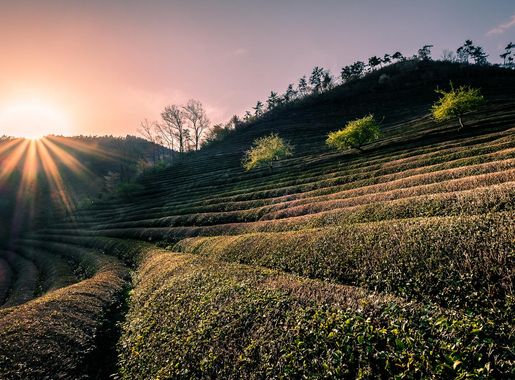
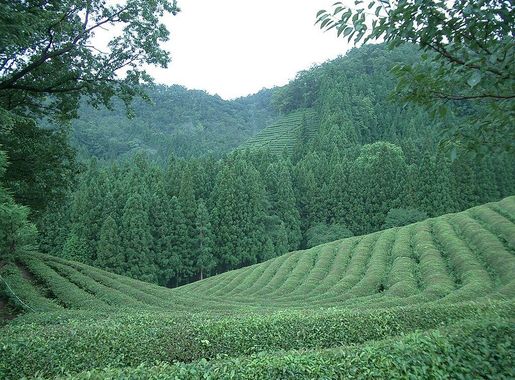
- Plan a day trip to the Boseong Green Tea Fields during spring or early summer for the most vibrant views and to experience tea-picking.
- Bring a lightweight jacket when visiting the islands, as the weather can be breezy even in warmer months.
Top City Travel Guides in South Jeolla Province
The cities of South Jeolla Province, and the easiest places to base yourself.


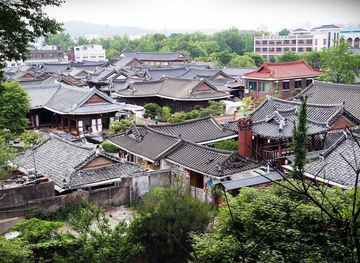
Destinations in South Jeolla Province
Resorts, valleys and scenic spots worth a trip of their own.


Explore South Jeolla Province: Things to Do, Places to Eat, Hotels & More
Handpicked recommendations for top attractions, local dining, accommodations, and more

Top Attractions & Sightseeing in South Jeolla Province
Top-rated picks
Best Attractions

Mokpo Marine Cable Car
Discover breathtaking views and thrilling experiences at Mokpo Marine Cable Car, a must-see destination for all travelers in Korea.

Hapcheon Movie Theme Park
Delve into a cinematic adventure at Hapcheon Movie Theme Park, where thrilling rides and movie magic await every visitor in South Korea.

Gokseong Seomjin train village
Experience the enchanting Gokseong Seomjin Train Village, a nostalgic journey through South Korea’s railway history set in picturesque landscapes.

The Gwangju Ecological Lake Park
Experience the harmony of nature at Gwangju Ecological Lake Park, where tranquility meets adventure in a lush urban oasis.

Best landmarks in South Jeolla Province
Top-rated picks
Best Landmarks

Gyeongbokgung Palace
Discover the majestic Gyeongbokgung Palace, a cultural landmark in Seoul where history, beauty, and tradition come alive.

Jeonju Hanok Village
Experience the rich cultural heritage and stunning architecture of Jeonju Hanok Village, a must-visit destination for every traveler in Korea.

Juknokwon (Bamboo Forest)
Discover the tranquil beauty of Juknokwon, a breathtaking bamboo forest in Damyang, South Korea, offering a serene escape for nature lovers and tourists alike.

Suncheon Bay Nature Reserve
Explore the stunning beauty of Suncheon Bay Nature Reserve, an ecological paradise rich in biodiversity and breathtaking landscapes in South Korea.

Best restaurants in South Jeolla Province
Top-rated picks
Best Restaurants

Hidden Bay Hotel
Experience breathtaking views and authentic Korean cuisine at Hidden Bay Hotel in Yeosu-si, your perfect retreat on Korea's beautiful coast.

나진국밥
Experience authentic Korean cuisine at 나진국밥 in Yeosu-si – where tradition meets flavor.

The Ocean Resort
Experience endless fun at The Ocean Resort - Yeosu's premier water park offering thrilling slides and relaxing pools for all ages.

Awabi
Discover Awabi in Yeosu: where fresh seafood meets authentic Korean flavors amidst stunning coastal views.

Best bars in South Jeolla Province
Top-rated picks
Best Bars
Hidden Bay Hotel
Experience the perfect blend of relaxation and adventure at Hidden Bay Hotel in picturesque Yeosu, Jeollanam-do.

Prost Pub & Grill, Seoul
Discover the lively Prost Pub & Grill in Seoul – a perfect blend of great food, drinks, and vibrant nightlife!

Bluebird by Magpie
Discover the vibrant nightlife of Jeju at Bluebird by Magpie, a lively bar offering craft beers and unique cocktails in a welcoming atmosphere.

The Ocean Resort
Discover endless fun and relaxation at The Ocean Resort, Yeosu-si's premier water park with thrilling attractions and scenic views.

Best nightclubs in South Jeolla Province
Top-rated picks
Best Nightclubs

The Ocean Resort
Experience luxury and adventure at The Ocean Resort, Yeosu's premier destination for relaxation, recreation, and unforgettable family fun.

Oh, Mae! Butterfly Island Beer
Experience the delightful fusion of local flavors and craft beers at Oh, Mae! Butterfly Island Beer in Yeosu, a culinary gem not to be missed.
DISCO
Discover the heart of Gwangju's nightlife at DISCO, where music, dancing, and local culture merge for an unforgettable experience.

Best shops in South Jeolla Province
Top-rated picks
Best Shops

Hongdae Shopping Street
Experience the youthful spirit of Seoul at Hongdae Shopping Street, a bustling hub for fashion, art, and nightlife.

Yeoju Premium Outlets
Discover unbeatable deals and luxury shopping at Yeoju Premium Outlets in Gyeonggi-do, the ultimate destination for fashion lovers and bargain hunters.

Hyangiram Hermitage
Experience spiritual serenity and breathtaking views at Hyangiram Hermitage, a tranquil Buddhist temple on the coast of Yeosu.

Metasequoia-lined Road
Discover the beauty of nature at Metasequoia-lined Road, a scenic pathway in Damyang perfect for leisurely strolls and stunning photography.

Explore South Jeolla Province on the Map
A handpicked selection of must-see spots in South Jeolla Province, mapped for you.
South Jeolla Province Essentials
-
South Jeolla Province is easily accessible from various parts of South Korea. The nearest international airport is Muan International Airport (MWX), which offers flights from several Asian countries. For domestic travelers, Gwangju Airport (KWJ) and Yeosu Airport (RSU) provide convenient options. High-speed KTX trains connect Seoul to Gwangju, the provincial capital, in about 2 hours. Regular buses also operate from major cities like Seoul and Busan to different parts of South Jeolla, ensuring comprehensive connectivity.
-
Public transportation within South Jeolla Province is efficient and affordable. Buses are the primary mode of intercity travel, and they connect even the smaller towns and villages. For urban travel, Gwangju has an extensive bus system and a metro line. Taxis are readily available and reasonably priced. For a more flexible travel experience, renting a car is recommended, especially if you plan to explore the countryside and coastal areas. Bicycles can also be rented in some cities for a leisurely exploration.
-
The official currency in South Korea is the South Korean Won (KRW). Credit cards are widely accepted in most hotels, restaurants, and shops. However, it is advisable to carry some cash, particularly when traveling to rural areas and smaller towns where card facilities might be limited. ATMs are widespread and many offer English language options. It's a good practice to inform your bank of your travel plans to avoid any issues with card transactions.
-
South Jeolla Province is generally safe for tourists. Violent crime is rare, but petty crimes like pickpocketing can occur, particularly in crowded areas. Always stay vigilant and keep your belongings secure. There are no specific high-crime areas targeting tourists, but it is prudent to avoid poorly lit areas at night. In emergencies, dial 112 for police assistance and 119 for fire or medical emergencies. Most emergency services have English-speaking operators.
-
In case of an emergency, dial 112 for police assistance and 119 for fire and medical emergencies. Most emergency services in South Korea have English-speaking operators. Major hospitals in cities like Gwangju and Yeosu have English-speaking staff and are well-equipped to handle medical emergencies. It is advisable to have travel insurance that covers medical emergencies. Pharmacies are widely available for minor health issues and over-the-counter medications.
-
Fashion: Do dress modestly, especially when visiting temples and religious sites. Avoid overly revealing clothing. Religion: Do respect local customs and traditions. Bowing slightly when greeting is appreciated, and always remove shoes when entering someone's home or a temple. Public Transport: Do be respectful and give up your seat to elderly passengers. Do not talk loudly on public transport or use your phone in a disruptive manner. Greetings: Do greet people with a slight bow and a handshake. Using both hands to offer or receive items is considered polite. Eating & Drinking: Do try local delicacies and accept food offerings graciously. Don't refuse hospitality, as it is considered impolite. Always use utensils provided and avoid using your fingers.
-
To experience South Jeolla Province like a local, visit traditional markets such as Nagan Folk Village and Gwangju Yangdong Market. Engage with locals, who are often friendly and willing to share stories about the region's history and culture. Do not miss the chance to explore the stunning coastal areas like Suncheon Bay and the islands of Dadohaehaesang National Park. For a unique cultural experience, participate in a traditional Korean tea ceremony or visit a local temple stay program.
When is the best time to visit South Jeolla Province?
Useful Local Phrases for South Jeolla Province
You don't need to speak the language perfectly. Even learning a few simple words can make conversations warmer—and locals usually appreciate the effort.
— Eve

Here are the phrases I use most often in South Jeolla Province. Try a few—you'll be surprised how far they go! 😊
❤️
-
- Hello안녕하세요
[annyeonghaseyo] - Goodbye안녕히 가세요
[annyeonghi gaseyo] - Yes네
[ne] - No아니요
[aniyo] - Please/You're welcome제발/천만에요
[jebal/cheonmaneyo] - Thank you감사합니다
[gamsahamnida] - Excuse me/Sorry죄송합니다
[joesonghamnida] - How are you?어떻게 지내세요?
[eotteoke jinaeseyo?] - Fine. And you?잘 지내요. 당신은요?
[jal jinaeyo. dangsineunyo?] - Do you speak English?영어 할 수 있어요?
[yeongeo hal su isseoyo?] - I don't understand이해하지 못해요
[ihaehaji mothaeyo]
- Hello안녕하세요
-
- I'd like to see the menu, please메뉴 좀 보여주세요
[menyu jom boyeojuseyo] - I don't eat meat저는 고기를 안 먹어요
[jeoneun gogireul an meogeoyo] - Cheers!건배!
[geonbae!] - I would like to pay, please계산해 주세요
[gyesanhae juseyo]
- I'd like to see the menu, please메뉴 좀 보여주세요
-
- Help!도와주세요!
[dowajuseyo!] - Go away!꺼져요!
[kkeojyeoyo!] - Call the Police!경찰을 불러주세요!
[gyeongchareul bulleojuseyo!] - Call a doctor!의사 불러주세요!
[uisa bulleojuseyo!] - I'm lost길을 잃었어요
[gireul ilheosseoyo] - I'm ill아파요
[apayo]
- Help!도와주세요!
-
- I'd like to buy...사고 싶어요...
[sago sipeoyo...] - I'm just looking그냥 보고 있어요
[geunyang bogo isseoyo] - How much is it?이거 얼마예요?
[igeo eolmayeyo?] - That's too expensive너무 비싸요
[neomu bissayo] - Can you lower the price?가격을 좀 깎아주세요
[gagyeogeul jom kkakkajuseyo]
- I'd like to buy...사고 싶어요...
-
- What time is it?지금 몇 시예요?
[jigeum myeot siyeyo?] - It's one o'clock한 시예요
[han siyeyo] - Half past (10)열 시 반이에요
[yeol si ban-ieyo] - Morning아침
[achim] - Afternoon오후
[ohu] - Evening저녁
[jeonyeok] - Yesterday어제
[eoje] - Today오늘
[oneul] - Tomorrow내일
[naeil] - 1하나
[hana] - 2둘
[dul] - 3셋
[set] - 4넷
[net] - 5다섯
[daseot] - 6여섯
[yeoseot] - 7일곱
[ilgop] - 8여덟
[yeodeol] - 9아홉
[ahop] - 10열
[yeol]
- What time is it?지금 몇 시예요?
-
- Where's a/the...?어디에 ... 있어요?
[eodie ... isseoyo?] - What's the address?주소가 뭐예요?
[jusoga mwoyeyo?] - Can you show me (on the map)?지도에서 보여줄 수 있어요?
[jidoeseo boyeojul su isseoyo?] - When's the next (bus)?다음 (버스)는 언제예요?
[daum (beoseu)neun eonjeyeyo?] - A ticket (to ....)표 (로 ...)
[pyo (ro ...)]
- Where's a/the...?어디에 ... 있어요?
History of South Jeolla Province
-
South Jeolla Province was once part of the ancient Kingdom of Baekje, which existed from 18 BC to 660 AD. Baekje was one of the Three Kingdoms of Korea, along with Goguryeo and Silla. The region was a significant political and cultural center that contributed to the development of Korean Buddhism, arts, and architecture. The Baekje Historic Areas, including important sites like the Mireuksa Temple and the Gwanbuk-ri relics, reflect the rich history of this ancient kingdom.
-
The Battle of Noryang, fought on December 16, 1598, was the final naval battle of the Japanese invasions of Korea (1592–1598). This significant battle took place near the Noryang Strait in South Jeolla Province. Admiral Yi Sun-sin, a revered Korean naval commander, led the Joseon fleet to a decisive victory against the Japanese forces, effectively ending their invasion. The battle is noted for its strategic brilliance and the heroic death of Admiral Yi Sun-sin.
-
Jeonju, now the capital of North Jeolla Province but historically significant to the entire Jeolla region, was the birthplace of the Joseon Dynasty (1392-1910). The dynasty's founder, King Taejo, was born here. The Jeonju Hanok Village, with its traditional Korean houses, offers a glimpse into the past and the cultural heritage of the Joseon era. The Gyeonggijeon Shrine, which houses the portrait of King Taejo, is a notable historical site.
-
During the Japanese colonization of Korea (1910-1945), South Jeolla Province was a hotbed of resistance against Japanese rule. The region produced many independence activists who played crucial roles in the Korean independence movement. Notable figures include Baek Nam-gi and Kim Gu, who are celebrated for their efforts in the struggle for Korean liberation. The history of resistance in South Jeolla is a testament to the province's enduring spirit and commitment to national sovereignty.
-
The Gwangju Uprising, also known as the Gwangju Democratization Movement, occurred in May 1980 in the city of Gwangju, South Jeolla Province. Citizens of Gwangju rose up against the authoritarian regime of Chun Doo-hwan, demanding democratic reforms and an end to martial law. The uprising was brutally suppressed by the military, resulting in numerous casualties. The event is a pivotal moment in South Korean history, symbolizing the people's struggle for democracy and human rights.
-
South Jeolla Province is renowned for its vibrant cultural heritage and numerous festivals. The Jeonju International Film Festival and the Gwangju Biennale are internationally recognized events showcasing contemporary art and cinema. The Namdo Food Festival celebrates the region's rich culinary traditions, including its famous dishes like Jeonju Bibimbap and Namdo Han-jeongsik. These cultural expressions reflect the province's deep-rooted traditions and its dynamic contemporary culture.
Neighbouring Regions of South Jeolla Province
The closest regions to South Jeolla Province, if you have time for more than one.


Your all‑in‑one travel companion app
Explore expert travel guides, compare and book tours, experiences, hotels, and more—all from the palm of your hand. Download now for seamless trip planning wherever your wanderlust takes you.


Explore More of South Korea

Looking beyond South Jeolla Province? Discover South Korea for broader travel guides, local hot-spots, and regional highlights.
Explore South KoreaSouth Jeolla Province in Photos
Browse through our photo collection highlighting the charm and character of the destination.




South Jeolla Province: A Tapestry of Tradition and Nature
South Jeolla Province, located in the southwestern part of South Korea, is a hidden gem that offers a rich blend of cultural heritage and natural beauty. Known for its picturesque landscapes and historical sites, this region is a paradise for nature lovers and history enthusiasts alike. One of the highlights of South Jeolla is the Suncheon Bay Wetland Reserve, a stunning ecological park that is home to a diverse range of flora and fauna. Visitors can enjoy peaceful walks along the wooden boardwalks, take boat rides through the reeds, and witness the breathtaking sunset over the wetlands. Another must-visit destination is the city of Gwangju, the cultural hub of the province. Gwangju is known for its vibrant art scene, historical landmarks, and delicious local cuisine. The Gwangju Biennale, an internationally acclaimed art festival, attracts artists and art lovers from around the world. For those seeking a glimpse into Korea's past, the Nagan Eupseong Folk Village is a preserved fortress village that offers a unique look into traditional Korean life. Stroll through the village's stone walls, thatched-roof houses, and experience the local customs and crafts. South Jeolla is also famous for its beautiful islands, such as the Boseong Green Tea Fields and the tranquil beaches of Wando and Jindo. These islands offer serene landscapes, perfect for relaxation and exploration.