

Free Jeju Island Travel Guide & Mobile App
Explore Jeju Island with free travel guides. Discover regional history, expert tips, proposed trips, and audio guides on web or mobile app.


Jeju Island pairs South Korea’s volcanic landscapes with coastal walks, haenyeo culture, Hallasan trails, seafood and distinctive island villages.
Read more about Jeju Island
When is the best time to visit Jeju Island?
Best: May, October–November · 17–22°C| Month | High (°C) | Rainfall (mm) |
|---|---|---|
| January | 9 | 52 |
| February | 10 | 61 |
| March | 13 | 81 |
| April | 17 | 115 |
| May (best) | 22 | 135 |
| June | 26 | 200 |
| July | 29 | 270 |
| August | 30 | 250 |
| September | 27 | 210 |
| October (best) | 22 | 130 |
| November (best) | 17 | 95 |
| December | 12 | 65 |
Getting to and around Jeju Island
How to get there
Transportation
Top city travel guides in Jeju Island
The cities of Jeju Island, and the easiest places to base yourself.

Swipe for more cities
Best attractions in Jeju Island
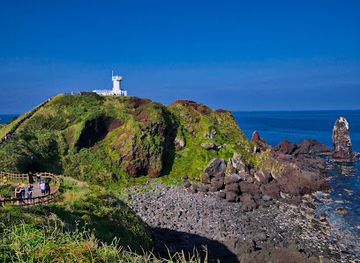
Jeju’s attractions are shaped more by geology and coastline than by a dense concentration of urban monuments. Hallasan National Park provides the island’s principal mountain experience, with forest paths, volcanic terrain and routes of varying difficulty subject to weather and access controls. Around the coast, visitors can follow sections of the Olle Trail, visit beaches and fishing settlements, and see waterfalls on the southern shore. Seongsan Ilchulbong, a tuff cone rising beside the sea, is one of the island’s defining volcanic landscapes, while Udo offers a compact island excursion with beaches, coastal roads and agricultural scenery. Lava tubes and volcanic formations reveal the processes that created Jeju, and museums explore subjects ranging from haenyeo culture and folk life to contemporary art. Inland oreum provide shorter hill walks and broad views across fields and villages. Jeju also has botanical gardens, forest recreation areas, family-oriented attractions and tea-growing landscapes, though their locations are widely dispersed. A well-planned itinerary can therefore combine natural heritage, cultural interpretation, rural scenery and seaside activities without treating the island as a single resort strip.
-
Scenic spot
Yongduam Rock
Explore Yongduam Rock, Jeju Island's breathtaking natural wonder shaped like a dragon's head, offering stunning coastal views and unique experiences.
-
Hyeopjae Beach
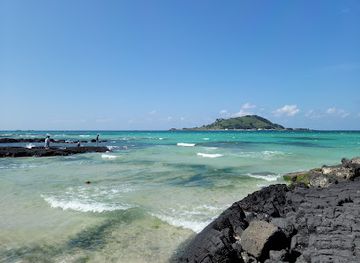
Experience the stunning beauty and tranquility of Hyeopjae Beach on Jeju Island, where adventure meets relaxation in a spectacular coastal setting.
-
Cheonjiyeon Waterfalls
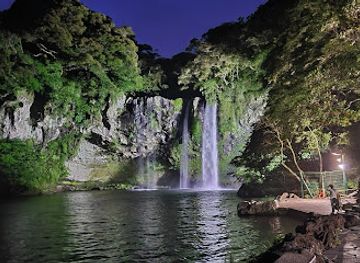
Discover the breathtaking beauty of Cheonjiyeon Waterfalls, a must-see natural wonder in Seogwipo, Jeju-do, perfect for nature lovers and peace seekers.
-
Theme park
Ecoland
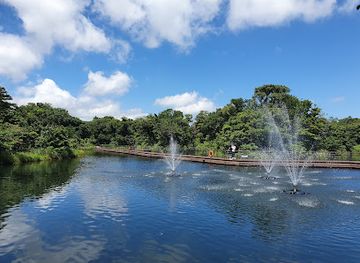
Discover the enchanting Ecoland theme park in Jeju, where nature meets fun for an unforgettable family adventure in paradise.

Best landmarks in Jeju Island
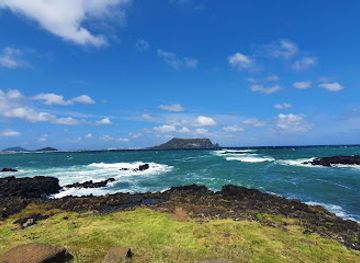
Hallasan is Jeju’s dominant natural landmark, visible from much of the island and central to its geography, ecology and cultural imagination. Seongsan Ilchulbong is equally recognisable: its steep volcanic rim and position beside the eastern sea make it a defining image of Jeju and part of the island’s UNESCO-listed volcanic heritage. The dol hareubang, basalt guardian figures found at entrances and cultural sites, have become symbols of Jeju’s visual identity. Across the countryside, batdam dry-stone walls divide fields and demonstrate how farmers adapted to wind, lava rock and limited arable land. Along the coast, black basalt shorelines, sea stacks, lava terraces and small harbours provide a changing sequence of natural landmarks. Jeju’s historic shrines and village stone structures are less monumental than mainland palaces, but they illuminate local religious and communal traditions. The Jeju April 3rd Peace Park is a significant commemorative landscape, designed to explain and remember the island’s modern political tragedy. Together these places show Jeju as a landscape where volcanic formation, maritime livelihoods, rural engineering and difficult history remain physically visible.
-
Museum
Osulloc Tea Museum
Discover the rich heritage of Korean tea culture at Osulloc Tea Museum on Jeju Island, where nature meets tradition in a serene setting.
-
Scenic spot
Seopjikoji
Discover the breathtaking coastal beauty and rich culture of Seopjikoji, a must-visit scenic spot on Jeju Island, South Korea.
-
Aquarium
Aqua Planet Jeju
Experience the largest aquarium in South Korea at Aqua Planet Jeju, where marine life and land animals come together in a breathtaking natural setting.
-
Botanical garden
Camellia Hill Botanical Garden
Explore the enchanting Camellia Hill Botanical Garden in Jeju Island, a paradise of over 6,000 camellias and diverse flora, perfect for nature lovers.
Explore Jeju Island on the map
Plan your trip on one map. See where the top cities, national parks and sights are, and book hotels and experiences in a few clicks.
Best hotels in Jeju Island
Best restaurants in Jeju Island
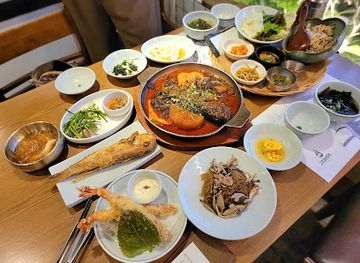
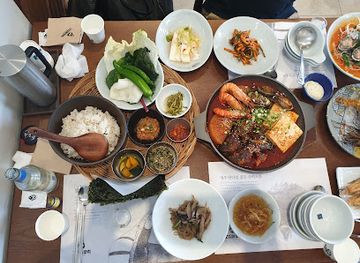
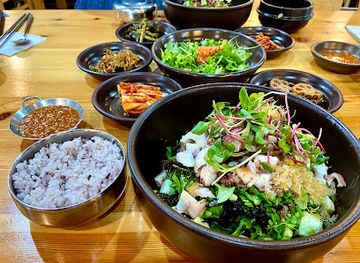
Jeju’s food culture draws heavily on the island’s sea, volcanic soil and agricultural traditions. Black pork is a widely recognised local speciality, while seafood restaurants serve abalone, cuttlefish, sea urchin, raw fish and seaweed dishes according to season and supply. Haenyeo associations and coastal villages remain closely connected to marine food traditions, although visitors should choose responsibly managed establishments and avoid assuming that every coastal display represents a working dive community. Tangerines and other citrus fruits are central to Jeju’s agricultural identity, appearing in markets, desserts and drinks. Buckwheat is also important, particularly in noodles and simple local dishes. Jeju City’s traditional markets provide an accessible introduction to prepared food and produce, while Seogwipo and smaller coastal settlements offer seafood-focused dining. Across the island, the choice ranges from modest noodle shops and family restaurants to cafés, hotel dining rooms and contemporary kitchens adapting island ingredients. Regional dishes sit within the broader Korean food culture, so familiar staples such as grilled meats, soups, rice dishes and fermented side dishes are also widely available.
-
Fish restaurant
Gozip Dol Wooluck Jungmun
Experience the best of Jeju Island's seafood at Gozip Dol Wooluck Jungmun - where fresh flavors meet stunning ocean views.
-
Korean
Gozip Dol Wooluck
Experience authentic Korean cuisine at Gozip Dol Wooluck in Jeju - where tradition meets flavor in every dish.
-
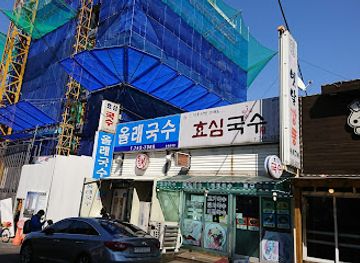
Noodle Shop
Ollae Guksu
Experience authentic Korean flavors at Ollae Guksu, Jeju's premier noodle shop offering handmade delights in a warm atmosphere.
-
Korean
Sangchunjae
Experience authentic Korean cuisine at Sangchunjae in Jeju - where tradition meets flavor in every dish.
Best bars in Jeju Island
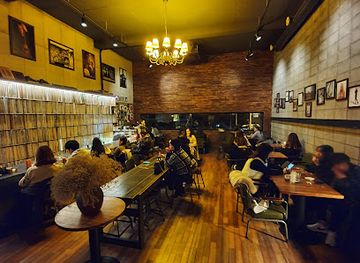
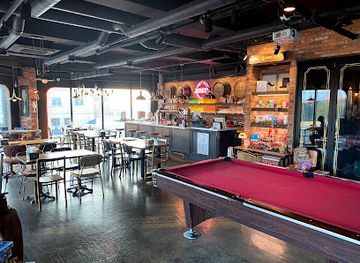
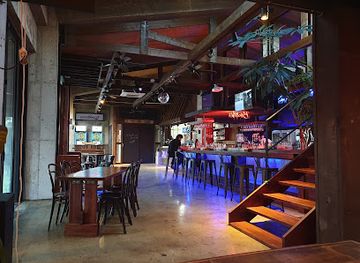
Jeju’s evening life is concentrated in Jeju City, Seogwipo and the larger resort and coastal areas rather than spread through a single island-wide nightlife district. Jeju City has the broadest selection of casual bars, Korean barbecue restaurants, cafés, karaoke rooms and late-opening venues, while Seogwipo combines harbour-side dining with pubs, hotel bars and quieter cafés. In rural villages, evenings are generally centred on restaurants, small local drinking places and accommodation rather than clubs. Craft beer, soju, makgeolli and cocktails are available in urban and tourist areas, and some venues offer live music or views across the coast. Nightclubs exist, but Jeju is better known for social dining, café culture and relaxed seaside evenings than for a large-scale club scene. Opening arrangements and venue status change, particularly outside the main towns, so visitors should check locally rather than rely on old listings.
-
Bar
Bluebird by Magpie
Experience the vibrant atmosphere of Bluebird by Magpie, a top bar in Jeju known for its unique craft beers and friendly vibe.
-
Cafe
Matilda
Experience the charm of Matilda, a cozy cafe in Jeju, offering delightful beverages and scenic views for a relaxing escape.
-
Bar
Jerry's Pub
Discover the vibrant nightlife at Jerry's Pub in Seogwipo-si, Jeju Island, where great drinks and friendly faces await.
-
Bar
Brooklyn Jeju
Discover the vibrant atmosphere of Brooklyn Jeju, a bar and grill that combines Irish pub charm with a lounge vibe in the heart of Aewol-eup.

Best nightclubs in Jeju Island
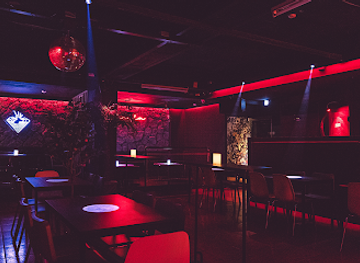
Jeju’s evening life is concentrated in Jeju City, Seogwipo and the larger resort and coastal areas rather than spread through a single island-wide nightlife district. Jeju City has the broadest selection of casual bars, Korean barbecue restaurants, cafés, karaoke rooms and late-opening venues, while Seogwipo combines harbour-side dining with pubs, hotel bars and quieter cafés. In rural villages, evenings are generally centred on restaurants, small local drinking places and accommodation rather than clubs. Craft beer, soju, makgeolli and cocktails are available in urban and tourist areas, and some venues offer live music or views across the coast. Nightclubs exist, but Jeju is better known for social dining, café culture and relaxed seaside evenings than for a large-scale club scene. Opening arrangements and venue status change, particularly outside the main towns, so visitors should check locally rather than rely on old listings.
-
Bar
할라산 (할라 제주)
Discover the vibrant nightlife at Hallasan Bar in Jeju, where local culture meets a lively atmosphere for an unforgettable experience.
-
Host club
Jeju Host bar Night Club
Discover Jeju's nightlife at Jeju Host Bar Night Club - where karaoke meets vibrant energy and unforgettable memories.
-
Bar
Monkey Beach
Discover the lively atmosphere of Monkey Beach, a vibrant bar in Jeju-do offering refreshing drinks and a perfect social scene for tourists.
-
Night club
제주나이트WT철이(제주밤밤철이)
Unleash the night at 제주나이트WT철이, Jeju's vibrant night club where dance, music, and unforgettable memories come together.


Best shops in Jeju Island
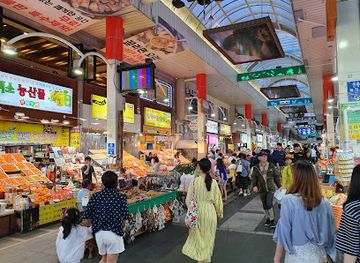
Shopping on Jeju ranges from traditional markets and farm produce stalls to modern department stores, airport retail and independent cafés with packaged island goods. Dongmun Traditional Market in Jeju City is a major place to browse seafood, fruit, prepared food and souvenirs, while Seogwipo Maeil Olle Market offers another urban market setting near the southern coast. Tangerines, citrus preserves, teas, snacks and locally produced food items are practical gifts, though fresh produce may be subject to transport and customs restrictions when leaving South Korea. Look for basalt-inspired crafts, ceramics, textiles, contemporary design and products referencing haenyeo or dol hareubang, while checking that an item is genuinely made on Jeju rather than simply carrying an island-themed label. Rural farm shops and roadside stalls can provide seasonal produce, but packaging and payment facilities vary. Jeju City has the widest range of mainstream retail, whereas smaller towns are better for local food, craft studios and market browsing. Shopping centres and branded stores are present, but the island’s most distinctive purchases are usually edible, handmade or connected to its volcanic and maritime culture.
-
Market
Seogwipo Olle Market
Explore the vibrant Seogwipo Olle Market, a cultural gem in Jeju offering delicious food, unique crafts, and a taste of local life.
-
Cosmetics store
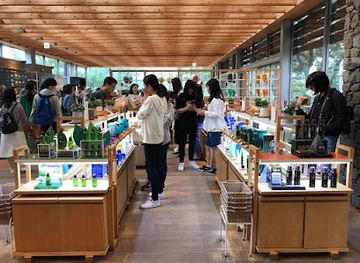
Innisfree Jeju House
Discover natural beauty at Innisfree Jeju House, where eco-friendly cosmetics meet the stunning landscapes of Jeju Island.
-
Shopping mall
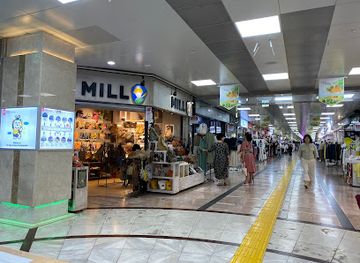
Jungang Underground Shopping Center
Explore the Jungang Underground Shopping Center in Jeju for a unique shopping experience filled with local culture, fashion, and delicious cuisine.
-
Duty free store
JTO Duty Free Shop
Discover a treasure trove of duty-free shopping at JTO Duty Free Shop, where luxury meets local charm in the heart of Jeju Island.

Get your free copy of our complete guide to Jeju Island, delivered straight to you.
Everything on this page, from attractions and restaurants to essentials and local phrases, in one PDF you can read offline, print or share.
Already have an account? Sign in
Your Jeju Island guide is ready.
We'll send it to · Not you? Sign out

Getting your guide ready…
We are putting together a fresh copy of the Jeju Island guide. This can take up to a minute.
This can take a few moments. If your browser asks, choose Allow so the download can start. You'll find the guide in your Downloads folder.
Nothing happened? Download it again
Sorry, the guide is taking longer than usual. Please try again in a minute, or get it by email instead.
Jeju Island essentials
Currency and Payment
Safety
Emergency Situations
Do's and Don'ts
Local Tips
From Eve
Local phrases worth knowing
You don't need to get them perfect. A few words go a long way, and locals appreciate the effort.
Basics
| English | Local | Say it |
|---|---|---|
| Hello | 안녕하세요 | [annyeonghaseyo] |
| Goodbye | 안녕히 가세요 | [annyeonghi gaseyo] |
| Yes | 네 | [ne] |
| No | 아니요 | [aniyo] |
| Please/You're welcome | 제발/천만에요 | [jebal/cheonmaneyo] |
| Thank you | 감사합니다 | [gamsahamnida] |
| Excuse me/Sorry | 죄송합니다 | [joesonghamnida] |
| How are you? | 잘 지내세요? | [jal jinaeseyo?] |
| Fine. And you? | 잘 지내요. 당신은요? | [jal jinaeyo. dangsin-eunyo?] |
| Do you speak English? | 영어 할 수 있어요? | [yeongeo hal su isseoyo?] |
| I don't understand | 이해하지 못해요 | [ihaehaji mothaeyo] |
Eating & Drinking
| English | Local | Say it |
|---|---|---|
| I'd like to see the menu, please | 메뉴 좀 보여주세요 | [menyu jom boyeojuseyo] |
| I don't eat meat | 고기를 먹지 않아요 | [gogireul meokji anayo] |
| Cheers! | 건배! | [geonbae!] |
| I would like to pay, please | 계산할게요 | [gyesanhalkkeyo] |
Emergencies
| English | Local | Say it |
|---|---|---|
| Help! | 도와주세요! | [dowajuseyo!] |
| Go away! | 꺼져요! | [kkeojyeoyo!] |
| Call the Police! | 경찰 불러주세요! | [gyeongchal bulleojuseyo!] |
| Call a doctor! | 의사 불러주세요! | [uisa bulleojuseyo!] |
| I'm lost | 길을 잃었어요 | [gireul ilheosseoyo] |
| I'm ill | 아파요 | [apayo] |
Shopping
| English | Local | Say it |
|---|---|---|
| I'd like to buy... | 사고 싶어요... | [sago sipeoyo...] |
| I'm just looking | 그냥 보고 있어요 | [geunyang bogo isseoyo] |
| How much is it? | 이거 얼마예요? | [igeo eolmayeyo?] |
| That's too expensive | 너무 비싸요 | [neomu bissayo] |
| Can you lower the price? | 가격을 깎아 줄 수 있어요? | [gagyeogeul kkaakka jul su isseoyo?] |
Time & Numbers
| English | Local | Say it |
|---|---|---|
| What time is it? | 지금 몇 시예요? | [jigeum myeot siyeyo?] |
| It's one o'clock | 한 시예요 | [han siyeyo] |
| Half past (10) | 10시 반이에요 | [10si ban-ieyo] |
| Morning | 아침 | [achim] |
| Afternoon | 오후 | [ohu] |
| Evening | 저녁 | [jeonyeok] |
| Yesterday | 어제 | [eoje] |
| Today | 오늘 | [oneul] |
| Tomorrow | 내일 | [naeil] |
| 1 | 하나 | [hana] |
| 2 | 둘 | [dul] |
| 3 | 셋 | [set] |
| 4 | 넷 | [net] |
| 5 | 다섯 | [daseot] |
| 6 | 여섯 | [yeoseot] |
| 7 | 일곱 | [ilgop] |
| 8 | 여덟 | [yeodeol] |
| 9 | 아홉 | [ahop] |
| 10 | 열 | [yeol] |
Transport & Directions
| English | Local | Say it |
|---|---|---|
| Where's a/the...? | 어디에...있어요? | [eodie...isseoyo?] |
| What's the address? | 주소가 뭐예요? | [jusoga mwoyeyo?] |
| Can you show me (on the map)? | 지도에서 보여줄 수 있어요? | [jidoe-seo boyeojul su isseoyo?] |
| When's the next (bus)? | 다음 (버스) 언제예요? | [daeum (beoseu) eonje-yeyo?] |
| A ticket (to ....) | 티켓 (으로...) | [tiket (euro...)] |
History of Jeju Island
Prehistoric Settlement and Early Communities
Archaeological evidence shows that people have lived on Jeju since prehistoric times, adapting to an island environment of volcanic stone, limited flat land and rich coastal resources. Early communities farmed, gathered shellfish and used the sea for transport and subsistence. Archaeological sites, including burial structures and settlements, indicate long-term connections between inland cultivation and maritime life. The island’s geology also shaped construction: basalt was used for walls, houses and field boundaries, creating the stone-lined landscapes still visible across rural Jeju.
Tamna and Early Maritime Networks
Jeju was known historically as Tamna, a polity that developed links with the Korean mainland, Japan and other parts of East Asia. Its position in southern waters made it a useful point in maritime exchange, while its relative separation encouraged a distinctive political and cultural identity. Tamna was incorporated into the expanding Korean state during the early medieval period, but the island retained particular customs, speech patterns and institutions. Memories of Tamna remain important to Jeju’s understanding of its pre-modern past.
Goryeo and Joseon Administration
Under successive Korean dynasties, Jeju became more closely integrated into mainland administration, taxation and military systems. During the Joseon period it was also used as a place of exile for certain officials and intellectuals, whose presence brought political and literary connections from the mainland. Fortifications, government buildings and transport arrangements reflected the island’s strategic position. Horse breeding and state-managed ranching were also significant, taking advantage of Jeju’s open uplands and leaving a lasting mark on its rural history.
Stone Culture, Maritime Livelihoods and Haenyeo
For centuries, Jeju communities made practical use of the island’s basalt, building dry-stone walls known as batdam around fields and settlements. Such walls protected crops from wind and helped define the agricultural landscape. Along the coast, women divers developed highly skilled techniques for collecting abalone, conch, seaweed and other marine products without modern breathing equipment. Haenyeo communities supported households and local economies, and their knowledge continues to be represented as a major element of Jeju’s cultural heritage.
Japanese Colonial Rule and Modernisation
Jeju, like the rest of Korea, was under Japanese colonial rule from 1910 to 1945. The period brought administrative change, extraction and new infrastructure, while also imposing broader colonial policies on island communities. Ports, roads and commercial networks were developed in ways linked to imperial interests. The experience formed part of the background to Jeju’s twentieth-century political, economic and social changes, including the disruption caused by the end of colonial rule and the subsequent division of the Korean Peninsula.
The Jeju April 3rd Events
From 1948 into the early 1950s, Jeju experienced severe political violence during the unrest known as the Jeju April 3rd events. Civilians, security forces and armed groups were involved in a prolonged period of repression and conflict, with extensive loss of life and the destruction of villages. For decades, public discussion was constrained, but later investigation and commemoration brought the history into wider national recognition. The Jeju April 3rd Peace Park and Memorial Hall provide important context for understanding this painful chapter.
Tourism, Agriculture and Contemporary Jeju
From the late twentieth century, improved air links, roads and public investment transformed Jeju into one of South Korea’s leading domestic and international tourism destinations. Tourism developed alongside agriculture, especially tangerine cultivation, and the growth of resorts, cafés, museums and outdoor recreation. The island has also promoted its volcanic heritage, walking routes and traditional culture. Contemporary Jeju therefore combines a highly visited holiday economy with continuing farming, fishing and village life, while facing familiar pressures concerning development, traffic and environmental protection.
Jeju Island in Photos
Browse through our photo collection highlighting the charm and character of the destination.
Neighbouring regions of Jeju Island
The closest regions to Jeju Island, if you have time for more than one.
-

-
-
-
-


Swipe for more regions
Explore more

Explore more of South Korea
Discover South Korea: A land where ancient traditions meet futuristic innovations, offering diverse experiences from bustling cities to serene natural landscapes.
Explore South Korea