

Free North Jeolla Province Travel Guide & Mobile App
Explore North Jeolla Province with free travel guides. Discover regional history, expert tips, proposed trips, and audio guides on web or mobile app.


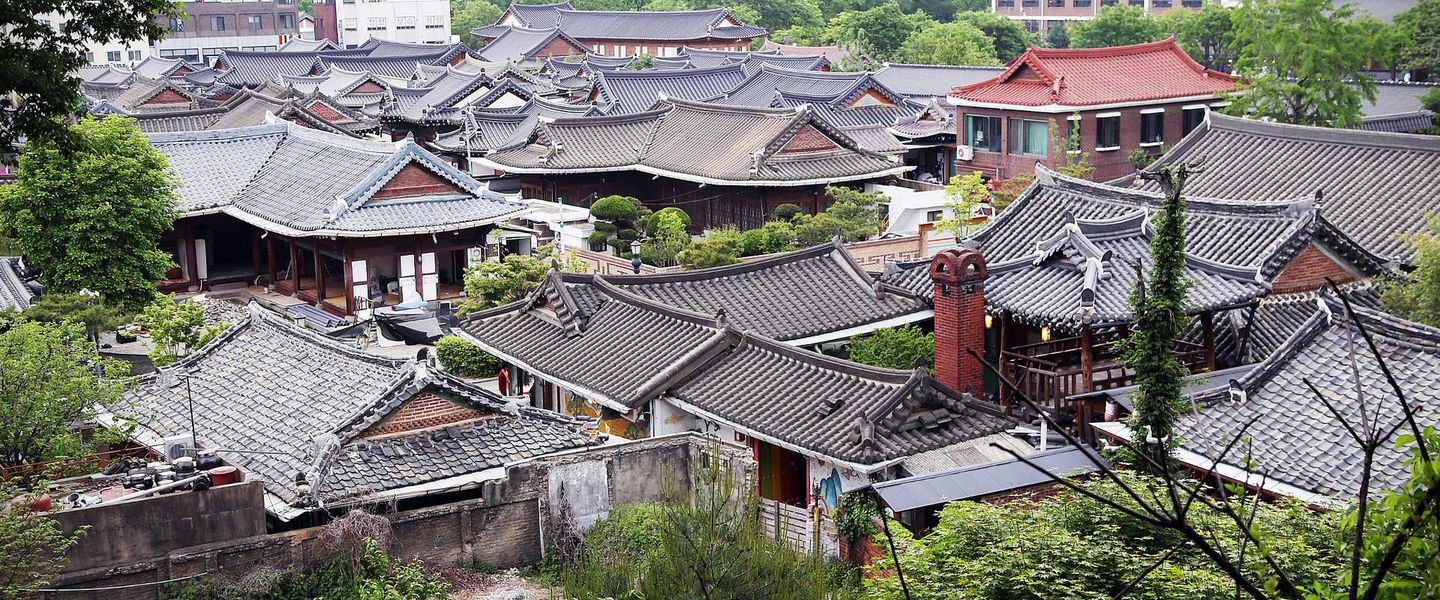


Explore North Jeolla’s hanok heritage, Baekje archaeology, coastal landscapes, mountain parks and celebrated rice-based cuisine across South Korea.
Read more about North Jeolla Province
When is the best time to visit North Jeolla Province?
Best: May, September–October · 21–26°C| Month | High (°C) | Rainfall (mm) |
|---|---|---|
| January | 6 | 25 |
| February | 9 | 30 |
| March | 13 | 45 |
| April | 18 | 60 |
| May (best) | 24 | 80 |
| June | 27 | 100 |
| July | 30 | 140 |
| August | 30 | 130 |
| September (best) | 26 | 90 |
| October (best) | 21 | 50 |
| November | 14 | 35 |
| December | 8 | 25 |
Getting to and around North Jeolla Province
How to get there
Transportation
Top city travel guides in North Jeolla Province
The cities of North Jeolla Province, and the easiest places to base yourself.
-

-

-


Swipe for more cities
Destinations in North Jeolla Province
Resorts, valleys and scenic spots worth a trip of their own.
-
-

-


Swipe for more destinations
Best attractions in North Jeolla Province
North Jeolla offers an unusually broad range of attractions for a province of its size. Jeonju’s Hanok Village is the best-known cultural centre, combining traditional architecture with craft studios, museums, food stalls and nearby historic institutions. Iksan’s Mireuksaji presents the archaeological grandeur of Baekje, while Gochang’s dolmen landscape provides insight into Korea’s Bronze Age communities. Gunsan offers port history, modern museums and colonial-era architecture interpreted within the city’s changing urban story. In the west, Buan’s Byeonsanbando area brings together mountain trails, coastal scenery, beaches and temples, with the tidal flats and islands of the Yellow Sea adding a strong maritime dimension. Inland, Naejangsan is valued for autumn foliage and forest walks, and Muju provides access to Deogyusan’s highland environment and winter recreation. Namwon combines local literary traditions with routes towards Jirisan, while agricultural plains and traditional markets give the province a quieter, everyday dimension. The attraction landscape is therefore less about one single monument than about moving between archaeological sites, historic towns, productive countryside, coast and mountain environments.
-
Ecological park
Suncheon Bay Nature Reserve
Explore the breathtaking landscapes and diverse wildlife at Suncheon Bay Nature Reserve, an ecological paradise in South Korea.
-
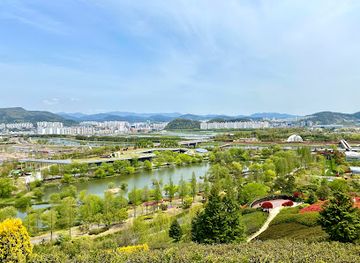
Suncheon Bay National Garden
Experience the breathtaking beauty of Suncheon Bay National Garden, a stunning blend of nature and artistry in Korea's Jeollanam-do region.
-
Daejeon O-World
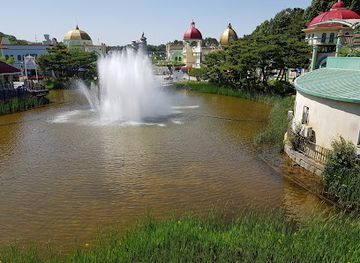
Discover Daejeon O-World: an exhilarating theme park blending adventure, entertainment, and captivating experiences in South Korea.
-
Metasequoia-lined Road
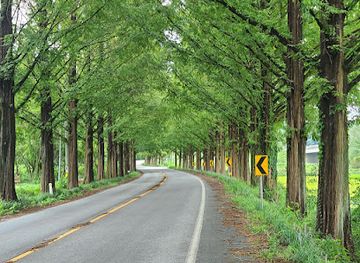
Explore the captivating Metasequoia-Lined Road in Damyang-gun, a serene escape showcasing Korea's stunning natural beauty and cultural heritage.
Best landmarks in North Jeolla Province
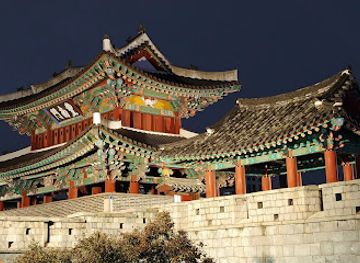
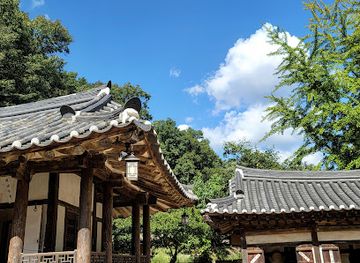
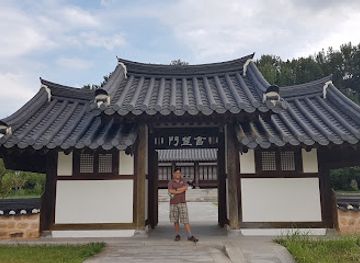
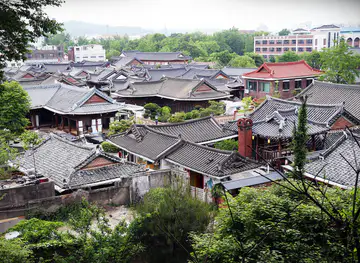
Jeonju Hanok Village is North Jeolla’s most recognisable architectural landmark, with dense clusters of tiled-roof houses that express the visual language of traditional urban Korea, although the district also contains modern businesses and should be understood as a living neighbourhood rather than a preserved stage set. In Iksan, the stone pagoda at Mireuksaji is a major surviving symbol of Baekje religious architecture, while the surrounding temple site conveys the former scale of the complex. Gochang’s dolmen fields are distinctive geographical and archaeological landmarks, their large stones marking a prehistoric ritual and burial landscape. Gunsan’s old port quarter contains warehouses and civic buildings associated with the colonial-era expansion of the city, offering a complicated architectural record of trade and exploitation. Buan’s Naesosa Temple, set amid forested slopes, represents the province’s long Buddhist heritage, and the cliffs, beaches and wooded ridges of Byeonsanbando provide a natural counterpoint to the built landmarks. In the eastern interior, the mountain silhouettes of Deogyusan and Naejangsan define North Jeolla’s landscape as strongly as its temples and historic towns.
-
Tourist attraction
Jeonju Hanok Village
Explore Jeonju Hanok Village, where tradition meets modernity in a vibrant cultural experience of Korea's rich heritage and exquisite cuisine.
-
 Landmark
Bukchon Hanok Village
Discover the rich heritage and stunning architecture of Bukchon Hanok Village, a cultural gem in the heart of Seoul's vibrant landscape.
-
Tourist attraction
Korean Folk Village
Explore the heart of Korean culture at the Korean Folk Village, where history, tradition, and scenic beauty unite for an unforgettable experience.
-
Forest resort
Juknokwon (Bamboo Forest)
Discover the enchanting Juknokwon Bamboo Forest, a tranquil oasis in Damyang-gun, where nature and culture intertwine for a serene escape.
Explore North Jeolla Province on the map
Plan your trip on one map. See where the top cities, national parks and sights are, and book hotels and experiences in a few clicks.
Best hotels in North Jeolla Province
Best restaurants in North Jeolla Province
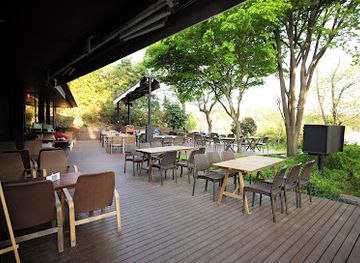
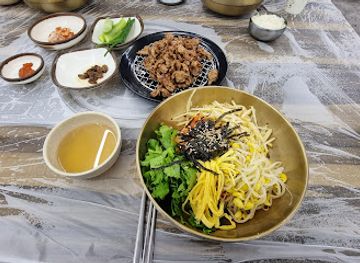
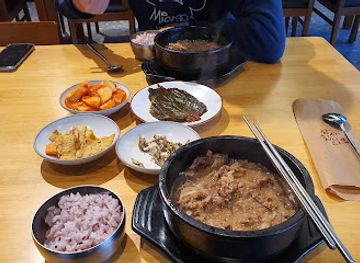
North Jeolla is widely regarded within South Korea for the quality and variety of its food, supported by fertile rice-growing plains, vegetable farms, freshwater produce and western coastal fisheries. Jeonju is associated with bibimbap and kongnamul-gukbap, a bean-sprout soup with rice, while its traditional table settings often feature numerous small side dishes known as banchan. Iksan and the surrounding plains are strongly connected to rice production, and rural restaurants frequently emphasise seasonal vegetables, fermented pastes and locally sourced ingredients. Along the coast in Gunsan and Buan, seafood and shellfish appear in soups, stews and simple grilled dishes. Market stalls, noodle shops, family-run restaurants and traditional hansik dining rooms offer different levels of formality, while cafés and bakeries are particularly plentiful in Jeonju. Visitors should treat regional food as broader than a single signature dish: the province’s culinary identity lies in the combination of fresh produce, careful fermentation, rice culture and generous shared meals.
-
Paradiso Perduto Italian Cafe & Kitchen
Experience authentic Italian cuisine at Paradiso Perduto Cafe & Kitchen in Gunsan-si - where every meal is a delightful journey through Italy.
-
Restaurant
Mujuhyang
Discover authentic Korean flavors at Mujuhyang, a must-visit restaurant nestled in beautiful Muju-gun, Jeollabuk-do.
-
Family Yard
Discover Family Yard in Muju: A delightful restaurant offering fresh flavors and a cozy atmosphere perfect for family dining.
-
Korean
Ansigdang
Experience authentic Korean cuisine at Ansigdang in Muju-gun - a culinary journey through flavors and traditions.

Best bars in North Jeolla Province
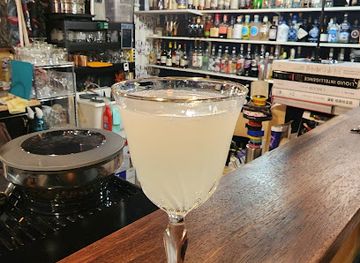
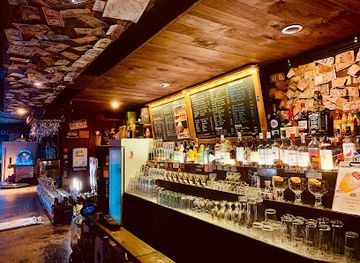
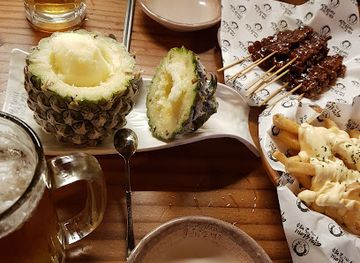
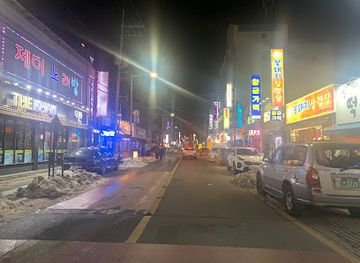
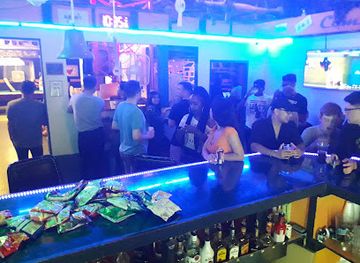
Evening life in North Jeolla is concentrated in Jeonju, Gunsan and Iksan rather than spread evenly across the province. Jeonju offers traditional makgeolli houses, casual Korean pubs, cafés, craft beer venues and small live-music spaces, with activity around university and central commercial areas. Gunsan and Iksan have similar urban choices, including restaurants that remain open late, karaoke rooms and bars serving soju, beer and regional snacks. In Namwon and the smaller county towns, nightlife is quieter and usually centres on family restaurants, traditional taverns, cafés and local drinking establishments rather than large clubs. Rural areas may become very still after dinner, while coastal resorts and festival periods can bring more seasonal activity. Visitors need not drink to participate in the evening culture: night markets, illuminated heritage streets, late meals and riverside walks are also part of the province’s after-dark character.
-
Bar Cold Dawn
Discover the delightful cocktails and vibrant ambiance at Bar Cold Dawn, a top cocktail bar in Jeonju, South Korea.
-
Deepin
Discover Deepin in Jeonju - a lively pub blending local and international flavors in a cozy atmosphere, perfect for night owls and sports fans alike.
-
Korean
역전할머니맥주 평화점
Explore 역전할머니맥주 평화점, a vibrant pub in Jeonju offering a wide array of craft beers and delicious local snacks in a lively setting.
-
Korean
안행광장
Discover the lively spirit of Jeonju at 안행광장, a bar that combines local flavors with a vibrant atmosphere, perfect for unwinding and socializing.
Best nightclubs in North Jeolla Province
Evening life in North Jeolla is concentrated in Jeonju, Gunsan and Iksan rather than spread evenly across the province. Jeonju offers traditional makgeolli houses, casual Korean pubs, cafés, craft beer venues and small live-music spaces, with activity around university and central commercial areas. Gunsan and Iksan have similar urban choices, including restaurants that remain open late, karaoke rooms and bars serving soju, beer and regional snacks. In Namwon and the smaller county towns, nightlife is quieter and usually centres on family restaurants, traditional taverns, cafés and local drinking establishments rather than large clubs. Rural areas may become very still after dinner, while coastal resorts and festival periods can bring more seasonal activity. Visitors need not drink to participate in the evening culture: night markets, illuminated heritage streets, late meals and riverside walks are also part of the province’s after-dark character.
-
Muju Anseong CC
Explore the serene landscapes of Muju Anseong Country Club, a premier destination for golf and relaxation in Jeollabuk-do.
-
Bar
TLC (Magic Bar)
Discover the enchanting TLC (Magic Bar) in Gunsan-si for an unforgettable nightlife experience filled with magic, cocktails, and fun.
-
Dragon's Den
Enjoy a vibrant nightlife at Dragon's Den, a bar in Gunsan-si, renowned for its welcoming atmosphere and extensive drink selection.
-
Bar
The Grid
Experience the vibrant nightlife at The Grid, a top bar in Gunsan-si, serving exceptional drinks and a lively atmosphere.
Best shops in North Jeolla Province
Shopping in North Jeolla is strongest in traditional markets, independent high streets and specialist food districts rather than luxury retail. Jeonju’s central areas around Hanok Village and Nambu Market offer local snacks, craft goods, hanji paper products, textiles, ceramics and packaged foods, while its modern commercial streets provide clothing, cosmetics and cafés. Gunsan’s older commercial quarters are useful for regional food products and small independent shops, and Iksan is associated with jewellery manufacture as well as ordinary urban retail. Farmers’ markets and town markets across the province sell rice, dried vegetables, fermented foods, fruit and seasonal produce, although opening days vary. Good practical souvenirs include roasted or packaged local grains, traditional sauces, teas, confectionery and handmade paper or craft items. Shoppers should distinguish durable regional products from generic Korean merchandise, compare prices in small shops, and carry reusable bags when visiting markets.
-
Bakery
enhypen niki
Discover delightful pastries and local flavors at Enhypen Niki Bakery in Muju, a must-visit spot for every traveling foodie.
-
Home goods store
Lugar assombrado
Explore Lugar Assombrado in Muju for unique home goods that reflect local culture and charm, perfect for gifts or personal treasures.
-
Shopping mall
Gangnam Seoul
Discover the vibrant shopping, nightlife, and cultural scene in Gangnam, Seoul's trendsetting district that blends modernity and tradition.
-
Toiletries store
tienda de bt21
Explore the whimsical world of BT21 at Tienda de BT21 in Muju, where adorable character-themed toiletries meet vibrant shopping experiences.

Get your free copy of our complete guide to North Jeolla Province, delivered straight to you.
Everything on this page, from attractions and restaurants to essentials and local phrases, in one PDF you can read offline, print or share.
Already have an account? Sign in
Your North Jeolla Province guide is ready.
We'll send it to · Not you? Sign out

Getting your guide ready…
We are putting together a fresh copy of the North Jeolla Province guide. This can take up to a minute.
This can take a few moments. If your browser asks, choose Allow so the download can start. You'll find the guide in your Downloads folder.
Nothing happened? Download it again
Sorry, the guide is taking longer than usual. Please try again in a minute, or get it by email instead.
North Jeolla Province essentials
Currency and Payment
Safety
Emergency Situations
Do's and Don'ts
Local Tips
From Eve
Local phrases worth knowing
You don't need to get them perfect. A few words go a long way, and locals appreciate the effort.
Basics
| English | Local | Say it |
|---|---|---|
| Hello | 안녕하세요 | [annyeonghaseyo] |
| Goodbye | 안녕히 가세요 | [annyeonghi gaseyo] |
| Yes | 네 | [ne] |
| No | 아니요 | [aniyo] |
| Please/You're welcome | 제발/천만에요 | [jebal/chunmaneyo] |
| Thank you | 감사합니다 | [gamsahamnida] |
| Excuse me/Sorry | 죄송합니다 | [joesonghamnida] |
| How are you? | 어떻게 지내세요? | [eotteoke jinaeseyo?] |
| Fine. And you? | 좋아요. 당신은요? | [joayo. dangsineunyo?] |
| Do you speak English? | 영어 할 수 있어요? | [yeongeo hal su isseoyo?] |
| I don't understand | 이해하지 못해요 | [ihaehaji mothaeyo] |
Eating & Drinking
| English | Local | Say it |
|---|---|---|
| I'd like to see the menu, please | 메뉴 좀 보여 주세요 | [menyu jom boyeo juseyo] |
| I don't eat meat | 고기를 안 먹어요 | [gogireul an meogeoyo] |
| Cheers! | 건배! | [geonbae!] |
| I would like to pay, please | 계산해 주세요 | [gyesanhae juseyo] |
Emergencies
| English | Local | Say it |
|---|---|---|
| Help! | 도와주세요! | [dowajuseyo!] |
| Go away! | 가세요! | [gaseyo!] |
| Call the Police! | 경찰을 불러주세요! | [gyeongchareul bulleojuseyo!] |
| Call a doctor! | 의사를 불러주세요! | [uisareul bulleojuseyo!] |
| I'm lost | 길을 잃었어요 | [gireul ilheosseoyo] |
| I'm ill | 아파요 | [apayo] |
Shopping
| English | Local | Say it |
|---|---|---|
| I'd like to buy... | 구매하고 싶어요... | [gumaehago sipeoyo...] |
| I'm just looking | 그냥 보고 있어요 | [geunyang bogo isseoyo] |
| How much is it? | 이거 얼마에요? | [igeo eolmaeyo?] |
| That's too expensive | 너무 비싸요 | [neomu bissayo] |
| Can you lower the price? | 가격 좀 깎아 주실래요? | [gagyeok jom ggakka jushillaeyo?] |
Time & Numbers
| English | Local | Say it |
|---|---|---|
| What time is it? | 지금 몇 시예요? | [jigeum myeot siyeyo?] |
| It's one o'clock | 지금 1시예요 | [jigeum ilshiyeyo] |
| Half past (10) | 10시 반이에요 | [sipsi ban-ieyo] |
| Morning | 아침 | [achim] |
| Afternoon | 오후 | [ohu] |
| Evening | 저녁 | [jeonyeok] |
| Yesterday | 어제 | [eoje] |
| Today | 오늘 | [oneul] |
| Tomorrow | 내일 | [naeil] |
| 1 | 하나 | [hana] |
| 2 | 둘 | [dul] |
| 3 | 셋 | [set] |
| 4 | 넷 | [net] |
| 5 | 다섯 | [daseot] |
| 6 | 여섯 | [yeoseot] |
| 7 | 일곱 | [ilgop] |
| 8 | 여덟 | [yeodeol] |
| 9 | 아홉 | [ahop] |
| 10 | 열 | [yeol] |
Transport & Directions
| English | Local | Say it |
|---|---|---|
| Where's a/the...? | 어디에...있어요? | [eodie...isseoyo?] |
| What's the address? | 주소가 뭐예요? | [jusoga mwoyeyo?] |
| Can you show me (on the map)? | 지도에서 보여줄 수 있어요? | [jidoeseo boyeojul su isseoyo?] |
| When's the next (bus)? | 다음 (버스)는 언제예요? | [daum (beoseu)neun eonjeyeyo?] |
| A ticket (to ....) | 표 (로 ...) 하나 주세요 | [pyo (ro ...) hana juseyo] |
History of North Jeolla Province
Prehistoric Dolmens and Early Settlement
The fields around Gochang contain an exceptional concentration of dolmens, megalithic tombs erected during Korea’s Bronze Age. Their size and variety indicate organised communities capable of moving large stones and maintaining social and ritual structures. The dolmens are not isolated curiosities: they form part of a wider prehistoric cultural landscape that also includes settlement traces and agricultural development. Their preservation helps explain how organised farming societies emerged in the western and southwestern Korean peninsula long before the formation of unified states.
Baekje and the Rise of Iksan
During the Three Kingdoms period, much of present-day North Jeolla was connected with Baekje, the western Korean kingdom whose political and cultural influence extended across the peninsula and towards East Asia. Iksan became an important royal and religious centre, reflected in the remains of Mireuksaji Temple and the large stone pagoda associated with the site. The scale of the complex demonstrates the resources invested in Buddhism and royal authority. Excavated artefacts and architectural remains also reveal Baekje’s sophisticated links with China and Japan.
Unified Silla, Later States and Buddhist Culture
After Silla unified much of the Korean peninsula in the seventh century, the region remained connected to changing political centres and expanding Buddhist networks. Mountain monasteries and religious sites developed in valleys and foothills, where their secluded settings supported meditation and education. Some surviving temples and pagodas have been rebuilt or altered over time, but their locations preserve the long association between North Jeolla’s mountains and Korean Buddhist practice. The later emergence of Goryeo and Joseon institutions further integrated the province into national administrative and cultural systems.
Joseon Jeonju and Confucian Scholarship
Under the Joseon dynasty, Jeonju held particular importance as the ancestral home of the Yi royal family, the dynasty’s ruling house. The city also became a centre for preserving royal genealogies and copies of the Annals of the Joseon Dynasty, which were stored at Jeonju’s archive before the upheavals of the Japanese invasions in the 1590s. Confucian academies, local offices and aristocratic residences shaped the surrounding social landscape. Today, Jeonju’s historic districts and surviving cultural institutions reflect this combination of royal association, scholarship and regional administration.
The Donghak Peasant Revolution, 1894
North Jeolla was central to the Donghak Peasant Revolution, which began in 1894 as a movement against corruption, burdensome taxation and social inequality. Jeon Bong-jun and other leaders mobilised rural communities, and battles and negotiations unfolded across the province and neighbouring Jeolla districts. The movement was eventually defeated, but its demands became an important chapter in Korea’s late nineteenth-century history and contributed to political instability that opened the way to wider foreign intervention. Memorials and historical sites in the region commemorate the participants and their reformist aspirations.
Ports, Colonial Rule and Gunsan
Gunsan expanded as a port during the period of Japanese colonial rule from 1910 to 1945, when its warehouses, roads and rail connections supported the export of agricultural products, especially rice. This development brought modern infrastructure but also intensified exploitative land and labour systems under colonial control. Parts of the old port district retain Japanese-era commercial and administrative buildings, now interpreted through museums and heritage displays. The city’s architecture therefore documents both industrial change and the unequal economic structures imposed on Korea during the colonial period.
Industrialisation and the Contemporary Province
After the Korean War, North Jeolla remained strongly associated with agriculture while its cities expanded through manufacturing, education and transport investment. Iksan developed as a railway and industrial centre, Jeonju grew as an administrative and cultural hub, and Gunsan retained its role as a major western port and industrial city. Rural depopulation and the ageing of farming communities have accompanied these changes, alongside efforts to develop heritage tourism, food industries, renewable energy and nature-based travel. The province’s present identity reflects this balance between historic landscapes, productive farmland and modern urban development.
North Jeolla Province in Photos
Browse through our photo collection highlighting the charm and character of the destination.
Neighbouring regions of North Jeolla Province
The closest regions to North Jeolla Province, if you have time for more than one.
-

-
-

-

-


Swipe for more regions
Explore more

Explore more of South Korea
Discover South Korea: A land where ancient traditions meet futuristic innovations, offering diverse experiences from bustling cities to serene natural landscapes.
Explore South Korea