

Free Honam Region Travel Guide & Mobile App
Explore Honam Region with free travel guides. Discover regional history, expert tips, proposed trips, and audio guides on web or mobile app.


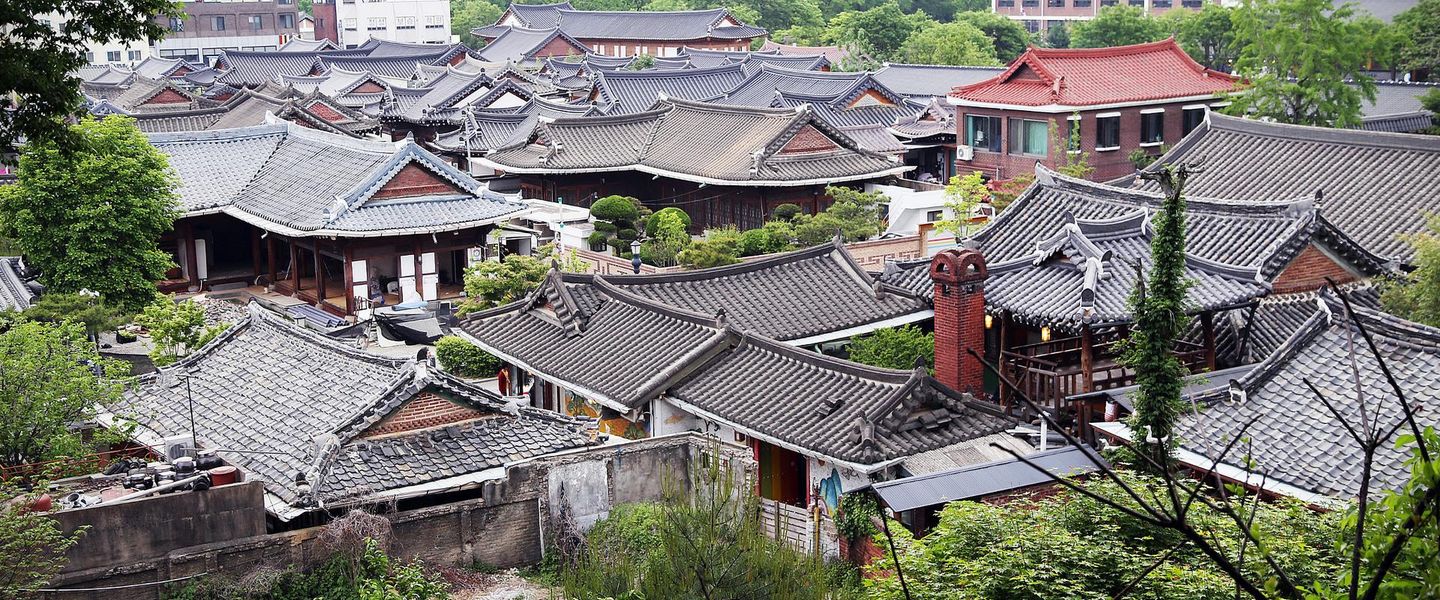


Explore Honam in South Korea for Jeonju heritage, Gwangju culture, green-tea hills, wetlands, rice fields and island-fringed coastal scenery.
Read more about Honam Region
When is the best time to visit Honam Region?
Best: April–May, October · 18–23°C| Month | High (°C) | Rainfall (mm) |
|---|---|---|
| January | 5 | 29 |
| February | 7 | 34 |
| March | 12 | 52 |
| April (best) | 18 | 75 |
| May (best) | 23 | 93 |
| June | 27 | 158 |
| July | 30 | 259 |
| August | 30 | 210 |
| September | 27 | 158 |
| October (best) | 21 | 60 |
| November | 14 | 54 |
| December | 7 | 32 |
Getting to and around Honam Region
How to get there
Transportation
Top city travel guides in Honam Region
The cities of Honam Region, and the easiest places to base yourself.
-

-

-

-

-


Swipe for more cities
Destinations in Honam Region
Resorts, valleys and scenic spots worth a trip of their own.
-
-

-

-


Swipe for more destinations
Best attractions in Honam Region
Honam’s attractions range from archaeological and royal heritage to wetlands, mountains and working coastlines. Jeonju’s hanok village provides a concentrated introduction to traditional houses, food culture and craft, while Iksan’s Mireuksaji temple remains and the nearby Wanggung-ri archaeological landscape illuminate Baekje history. Gwangju combines contemporary art institutions with museums and memorial sites connected to the May 18 democratic movement. In Jeollabuk-do, Naejangsan National Park is known for wooded valleys and autumn colour, and Byeonsanbando National Park brings together forest, coastline and historic temples. South of Gwangju, Damyang’s bamboo landscapes and Boseong’s tea fields offer distinctive rural scenery. Suncheon Bay’s reedbeds and tidal wetlands support birdlife and ecological interpretation, while the city’s garden provides a more formal counterpart. Mokpo’s maritime museums and waterfront explain the region’s relationship with its islands, and ferries lead towards a vast archipelago of fishing communities and coastal landscapes. These experiences are spread over substantial distances, so the region is better understood through several complementary journeys than through a single sightseeing circuit.
-
Tourist attraction
Everland
Discover the magic of Everland, where thrilling rides, beautiful gardens, and cultural experiences await every visitor in South Korea's largest theme park.
-
Tourist attraction
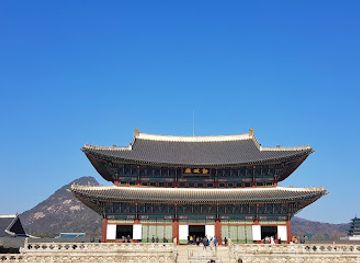
Gyeongbokgung Palace
Explore Gyeongbokgung Palace, the largest and most iconic palace in Seoul, offering breathtaking architecture and a deep dive into Korea's royal history.
-
Tourist attraction
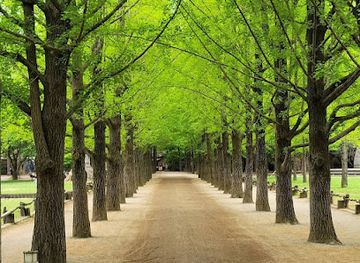
Nami Island
Discover the breathtaking beauty and cultural richness of Nami Island, a must-visit natural haven in South Korea, perfect for all types of travelers.
-
Tourist attraction
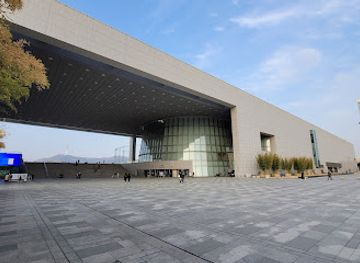
National Museum of Korea
Discover Korea’s rich heritage at the National Museum of Korea, showcasing artifacts that narrate the story of the Korean peninsula’s history.
Best landmarks in Honam Region
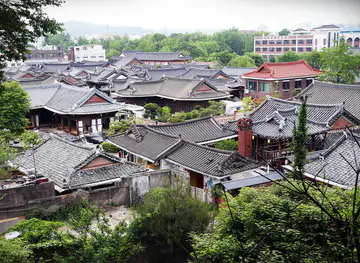
Honam’s landmarks express the region’s layered religious, political, maritime and democratic history. The stone pagoda and reconstructed archaeological setting at Mireuksaji in Iksan are among the clearest surviving symbols of Baekje’s Buddhist culture. Jeonju Hanok Village, with its tiled roofs, narrow lanes and traditional urban fabric, is a recognisable emblem of the city’s historic identity, while Jeonju’s Gyeonggijeon Shrine commemorates the Joseon dynasty’s royal lineage. In Namwon, Gwanghallu Pavilion is associated with the Chunhyang story and the literary culture of the Joseon period. Gwangju’s May 18 National Cemetery is a solemn modern landmark dedicated to those connected with the 1980 uprising. On the coast, Mokpo’s Gatbawi sea stacks provide a distinctive natural landmark shaped by weathering, and the city’s old port setting reflects Honam’s maritime connections. Suncheon Bay’s broad reedbeds and tidal horizon are less architectural but equally emblematic, showing how estuaries and wetlands form part of the region’s visual identity. Several major sites are dispersed, making rail or road connections important when planning visits.
-
Amusement park
Everland
Explore Everland, South Korea's largest theme park, where thrilling rides, captivating shows, and beautiful gardens create unforgettable family adventures.
-
Tourist attraction
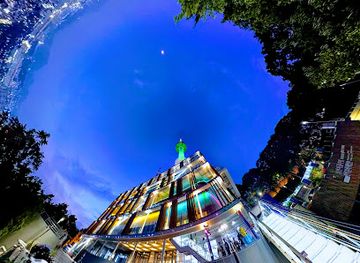
N Seoul Tower
Experience breathtaking views and romantic ambiance at N Seoul Tower, a must-visit landmark in the heart of Seoul offering unforgettable moments.
-
Cultural landmark
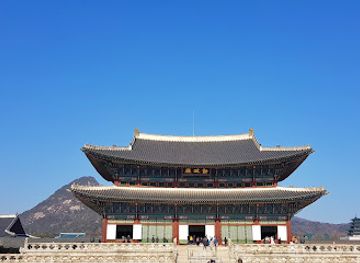
Gyeongbokgung Palace
Discover the majestic Gyeongbokgung Palace, a cultural landmark in Seoul showcasing Korea's royal history and exquisite architecture.
-
Theme park
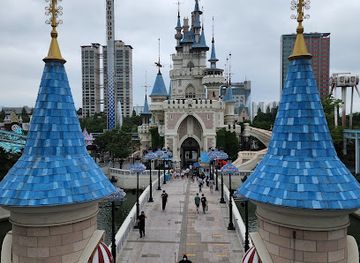
Lotte World
Experience the magic of Lotte World, Seoul's iconic theme park offering thrilling rides, cultural shows, and unforgettable family adventures.
Explore Honam Region on the map
Plan your trip on one map. See where the top cities, national parks and sights are, and book hotels and experiences in a few clicks.
Best hotels in Honam Region
Best restaurants in Honam Region
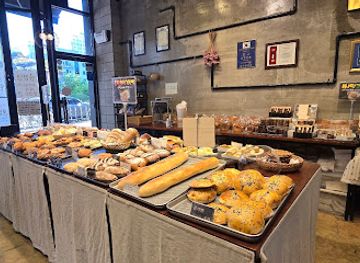
Honam is widely associated with generous, produce-led cooking, although individual dishes and flavours vary between inland plains, mountain districts and the coast. Jeonju is celebrated for bibimbap served with carefully prepared vegetables, fermented condiments and numerous side dishes, while Gwangju is known for a broad table of banchan and robust southern-style seasoning. Rice, vegetables, beans, fermented seafood and jang sauces are central to the regional pantry. Coastal cities such as Mokpo and Gunsan offer abundant fish, shellfish and dishes made with ingredients from tidal waters, while island communities reflect local fishing and aquaculture traditions. Boseong contributes green tea and tea-based products; markets across the region are good places to encounter seasonal fruit, grains, dried seafood and prepared foods. Traditional markets, modest local restaurants, noodles, grilled fish, stews and family-style meals often provide a more representative introduction than formal dining alone. As elsewhere in South Korea, side dishes may arrive automatically with a meal and are generally shared at the table.
-
Restaurant
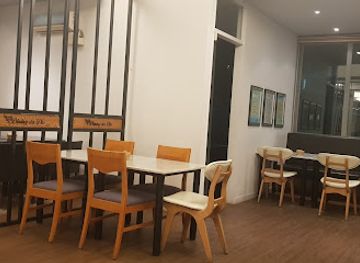
Dining Da Dio
Experience authentic Korean flavors at Dining Da Dio in Gwangju – a culinary gem offering diverse dishes in a warm atmosphere.
-
Restaurant
Restaurant
Discover Jeonju's culinary heritage at this renowned restaurant featuring authentic Korean dishes and local flavors.
Best bars in Honam Region
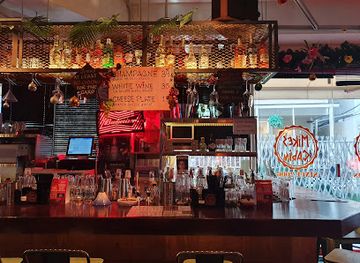
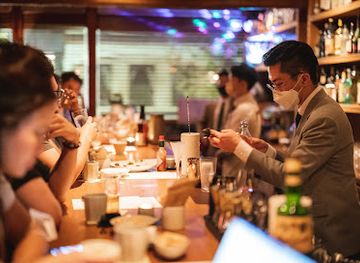
Nightlife in Honam is concentrated in Gwangju, Jeonju and the larger coastal cities rather than spread uniformly across the countryside. Gwangju has the broadest choice of late-opening restaurants, cafés, bars, live-music venues and student-oriented areas, while Jeonju combines traditional makgeolli houses with modern cafés, beer bars and small venues. In Mokpo and Yeosu, evening activity often centres on seafood restaurants, waterfront cafés and bars rather than large club districts. Smaller towns generally rely on neighbourhood pubs, soju restaurants and singing rooms, with a quieter pace outside weekends and holidays. Traditional markets and historic streets may become lively in the evening but do not necessarily remain open late. Visitors should check current arrangements locally, particularly in rural areas and on islands, and should not assume that a prominent daytime tourist area has an extensive night scene.
-
Bar
Mike's Cabin
Discover the charm of Mike's Cabin, a cozy bar in Mapo-gu, Seoul, offering a unique blend of local brews and friendly vibes for an unforgettable night out.
-
Cocktail bar
Bar Cham
Discover Bar Cham, a cocktail bar in Jongno District, Seoul, offering innovative drinks and a cozy atmosphere for an unforgettable night out.
-
Bar
The Timber House Park Hyatt Seoul
Discover the elegance of The Timber House at Park Hyatt Seoul, where exquisite cocktails and fine wines create an unforgettable experience in Gangnam.
-
Grill
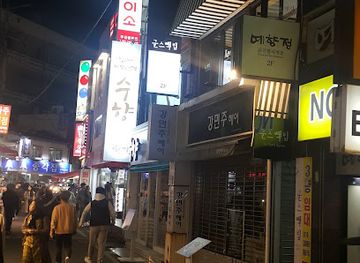
군스빽립 by Lord Byron's
Savor the flavors of Busan at 군스빽립 by Lord Byron's, an exquisite grill destination perfect for culinary adventurers.

Best nightclubs in Honam Region
Nightlife in Honam is concentrated in Gwangju, Jeonju and the larger coastal cities rather than spread uniformly across the countryside. Gwangju has the broadest choice of late-opening restaurants, cafés, bars, live-music venues and student-oriented areas, while Jeonju combines traditional makgeolli houses with modern cafés, beer bars and small venues. In Mokpo and Yeosu, evening activity often centres on seafood restaurants, waterfront cafés and bars rather than large club districts. Smaller towns generally rely on neighbourhood pubs, soju restaurants and singing rooms, with a quieter pace outside weekends and holidays. Traditional markets and historic streets may become lively in the evening but do not necessarily remain open late. Visitors should check current arrangements locally, particularly in rural areas and on islands, and should not assume that a prominent daytime tourist area has an extensive night scene.
-
Night club
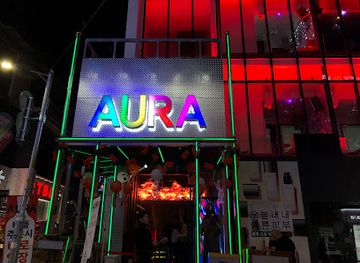
Hongdae Club Aura
Discover the heartbeat of Seoul's nightlife at Hongdae Club Aura, where music and atmosphere blend for an unforgettable experience.
-
Night club
Octagon Club
Dive into the electrifying nightlife of Seoul at Octagon Club, a premier destination for dance, music, and unforgettable experiences.
-
Jazz
Boogie Woogie
Discover the enchanting world of live jazz at Boogie Woogie, a premier jazz club in Seoul's vibrant Yongsan District, where every night is a celebration of music.
-
Night club
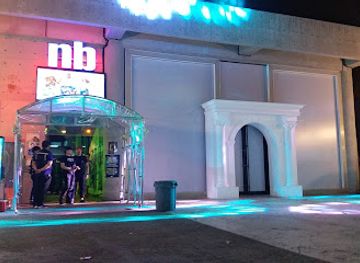
NB2
Discover the electrifying nightlife at NB2, a premier night club and pub in Mapo-gu, Seoul, where the beats never stop and the fun begins.

Best shops in Honam Region
Shopping in Honam is strongest in traditional markets, independent streets and food-producing districts rather than in a single regional luxury centre. Jeonju offers hanji paper goods, craftwork, traditional clothing, food products and packaged versions of local specialities around its historic quarters, while Gwangju has larger department stores, modern retail streets, galleries and the long-established Yangdong Market. Iksan is associated with jewellery and craft industries, although visitors should distinguish permanent businesses from temporary market stalls. Coastal markets in Mokpo, Gunsan and other port towns sell dried seafood, seaweed, shellfish products and regional foods; handling and transport requirements should be considered before purchasing perishable items. Boseong is a natural place to buy green tea, tea sweets and related products, while Damyang is known for bamboo goods and local foodstuffs. Rural markets may operate on particular traditional market days rather than daily, and smaller shops may accept cash more readily than major urban retailers. For edible souvenirs, sealed products with Korean labelling are usually easiest to carry and explain at borders.
-
Department store
Gwangju Shinsegae Department Store
Discover luxury shopping and local treasures at Gwangju Shinsegae Department Store, the ultimate destination for beauty and fashion enthusiasts.
-
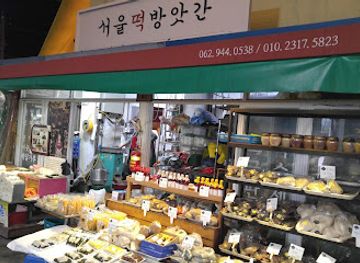
Traditional market
1913 Songjeong Station Market
Experience the heart of Gwangju at 1913 Songjeong Station Market, where tradition meets culinary delight in a vibrant atmosphere.
-
Shopping mall
SQUARE1
Experience the ultimate shopping adventure at SQUARE1 in Incheon, where modern retail meets diverse dining in a vibrant atmosphere.
-
Shopping mall
Starfield City Myeongji
Discover unparalleled shopping, dining, and entertainment at Starfield City Myeongji, Busan's ultimate destination for a memorable experience.

Get your free copy of our complete guide to Honam Region, delivered straight to you.
Everything on this page, from attractions and restaurants to essentials and local phrases, in one PDF you can read offline, print or share.
Already have an account? Sign in
Your Honam Region guide is ready.
We'll send it to · Not you? Sign out

Getting your guide ready…
We are putting together a fresh copy of the Honam Region guide. This can take up to a minute.
This can take a few moments. If your browser asks, choose Allow so the download can start. You'll find the guide in your Downloads folder.
Nothing happened? Download it again
Sorry, the guide is taking longer than usual. Please try again in a minute, or get it by email instead.
Honam Region essentials
Currency and Payment
Safety
Emergency Situations
Do's and Don'ts
Local Tips
From Eve
Local phrases worth knowing
You don't need to get them perfect. A few words go a long way, and locals appreciate the effort.
Basics
| English | Local | Say it |
|---|---|---|
| Hello | 안녕하세요 | [annyeonghaseyo] |
| Goodbye | 안녕히 가세요 | [annyeonghi gaseyo] |
| Yes | 네 | [ne] |
| No | 아니요 | [aniyo] |
| Please/You're welcome | 제발/천만에요 | [jebal/cheonmaneyo] |
| Thank you | 감사합니다 | [gamsahamnida] |
| Excuse me/Sorry | 죄송합니다 | [joesonghamnida] |
| How are you? | 잘 지내세요? | [jal jinaeseyo?] |
| Fine. And you? | 잘 지내요. 당신은요? | [jal jinaeyo. dangsineunyo?] |
| Do you speak English? | 영어 할 수 있어요? | [yeongeo hal su isseoyo?] |
| I don't understand | 이해하지 못해요 | [ihaehaji mothaeyo] |
Eating & Drinking
| English | Local | Say it |
|---|---|---|
| I'd like to see the menu, please | 메뉴 좀 보여주세요 | [menyu jom boyeojuseyo] |
| I don't eat meat | 저는 고기를 안 먹어요 | [jeoneun gogireul an meogeoyo] |
| Cheers! | 건배! | [geonbae!] |
| I would like to pay, please | 계산해 주세요 | [gyesanhae juseyo] |
Emergencies
| English | Local | Say it |
|---|---|---|
| Help! | 도와주세요! | [dowajuseyo!] |
| Go away! | 가세요! | [gaseyo!] |
| Call the Police! | 경찰을 불러주세요! | [gyeongchareul bulleojuseyo!] |
| Call a doctor! | 의사를 불러주세요! | [uisareul bulleojuseyo!] |
| I'm lost | 길을 잃었어요 | [gireul ilheosseoyo] |
| I'm ill | 아파요 | [apayo] |
Shopping
| English | Local | Say it |
|---|---|---|
| I'd like to buy... | 구매하고 싶어요... | [gumhaehago sipeoyo...] |
| I'm just looking | 그냥 보고 있어요 | [geunyang bogo isseoyo] |
| How much is it? | 얼마예요? | [eolmayeyo?] |
| That's too expensive | 너무 비싸요 | [neomu bissayo] |
| Can you lower the price? | 가격을 깎아줄 수 있어요? | [gagyeogeul kkaegajul su isseoyo?] |
Time & Numbers
| English | Local | Say it |
|---|---|---|
| What time is it? | 지금 몇 시예요? | [jigeum myeot siyeyo?] |
| It's one o'clock | 한 시예요 | [han siyeyo] |
| Half past (10) | 10시 반이에요 | [10si ban-ieyo] |
| Morning | 아침 | [achim] |
| Afternoon | 오후 | [ohu] |
| Evening | 저녁 | [jeonyeok] |
| Yesterday | 어제 | [eoje] |
| Today | 오늘 | [oneul] |
| Tomorrow | 내일 | [naeil] |
| 1 | 1 | [il] |
| 2 | 2 | [i] |
| 3 | 3 | [sam] |
| 4 | 4 | [sa] |
| 5 | 5 | [o] |
| 6 | 6 | [yuk] |
| 7 | 7 | [chil] |
| 8 | 8 | [pal] |
| 9 | 9 | [gu] |
| 10 | 10 | [sip] |
Transport & Directions
| English | Local | Say it |
|---|---|---|
| Where's a/the...? | 어디에 ... 있어요? | [eodie ... isseoyo?] |
| What's the address? | 주소가 뭐예요? | [jusoga mwoyeyo?] |
| Can you show me (on the map)? | 지도에서 보여줄 수 있어요? | [jidoeseo boyeojul su isseoyo?] |
| When's the next (bus)? | 다음 (버스)는 언제예요? | [da-eum (beoseu)neun eonjeyeyo?] |
| A ticket (to ....) | ....행 티켓 하나 주세요 | [....haeng tiket hana juseyo] |
History of Honam Region
Mahan Confederacies and Early Kingdoms
Before the consolidation of the Three Kingdoms, south-western Korea was home to communities commonly associated with the Mahan confederacies. Archaeological sites and burial mounds across the plains and river basins record complex societies engaged in agriculture, craft production and regional exchange. Baekje gradually extended its influence across much of present-day Jeollabuk-do and Jeollanam-do, leaving important remains at Iksan and other former centres. This early history helps explain why Honam contains some of Korea’s most significant archaeological landscapes outside the capital region.
Baekje and the Mireuksaji Temple Complex
Iksan became a major Baekje religious and political centre, traditionally linked with the royal city of Sabi-era Baekje and the large Mireuksaji temple complex. The surviving stone pagoda and excavated foundations show the scale and sophistication of Buddhist architecture in the seventh century. Mireuksaji forms part of the Baekje Historic Areas recognised by UNESCO, and its remains demonstrate how temples served not only as places of worship but also as statements of royal authority, engineering ability and international cultural connections.
Goryeo and Joseon Agricultural Landscapes
Following the unification of much of the peninsula under Silla, the south-west remained an important agricultural and maritime zone through the Goryeo and Joseon periods. The broad Honam plains supplied grain, while ports and islands connected the region with coastal trade. Under Joseon, Jeonju held particular importance as the ancestral home of the Yi royal family and as a centre for preserving royal records. Confucian academies, local estates, market towns and fortified settlements left a historical pattern that remains visible in parts of Jeollabuk-do and Jeollanam-do.
Confucian Culture, Local Elites and Popular Literature
During the Joseon dynasty, education and local administration shaped towns such as Jeonju, Namwon and Naju. Confucian institutions supported scholarship and ritual, while folk performance, storytelling and regional literature developed alongside elite culture. Namwon became permanently associated with Chunhyangjeon, one of Korea’s best-known love stories, which presents both romance and a critique of social hierarchy. The continuing popularity of pansori, a narrative musical form, is especially relevant to Honam, where several important performers and traditions were nurtured.
Ports, Railways and Colonial Modernity
From the late nineteenth century into the Japanese colonial period, ports including Gunsan and Mokpo grew in importance as rice, agricultural products and other goods entered expanding commercial networks. Railways and modern harbour infrastructure connected the Honam plains with other Korean cities and overseas markets, while colonial development also brought dispossession and unequal economic control. Historic streets and buildings in Gunsan and Mokpo preserve fragments of this difficult period. Their architecture should be read alongside the stories of local workers, farmers, merchants and communities affected by colonial rule.
The Gwangju Uprising of 1980
Gwangju occupies a central place in South Korea’s modern democratic history because of the May 18 Democratic Uprising of 1980. Citizens protested against military rule, and the state’s violent suppression caused many deaths and injuries. For years, public discussion was restricted, but the movement later became an important force in the country’s democratisation. The May 18 National Cemetery, archives and memorial sites preserve testimony and invite careful reflection. Visitors should approach these places as sites of remembrance rather than ordinary tourist attractions.
Honam in Contemporary South Korea
Since the late twentieth century, Honam has experienced both modernisation and demographic change. Gwangju developed as a centre for education, design and contemporary art, while Jeonju built a strong cultural-tourism profile around food, film and traditional architecture. Coastal areas continue to depend on fishing, aquaculture, salt production and port activity, although island and rural communities face population decline. Food, craft, heritage conservation and ecological tourism now form important parts of the region’s contemporary identity alongside agriculture and manufacturing.
Honam Region in Photos
Browse through our photo collection highlighting the charm and character of the destination.
Neighbouring regions of Honam Region
The closest regions to Honam Region, if you have time for more than one.
-

-
-
-

-


Swipe for more regions
Explore more

Explore more of South Korea
Discover South Korea: A land where ancient traditions meet futuristic innovations, offering diverse experiences from bustling cities to serene natural landscapes.
Explore South Korea