

Free Hoseo Region Travel Guide & Mobile App
Explore Hoseo Region with free travel guides. Discover regional history, expert tips, proposed trips, and audio guides on web or mobile app.


Explore South Korea's Hoseo Region for Baekje heritage, mountain temples, modern science, regional food and Yellow Sea landscapes.
Read more about Hoseo Region
When is the best time to visit Hoseo Region?
Best: May–June, September · 23–28°C| Month | High (°C) | Rainfall (mm) |
|---|---|---|
| January | 5 | 30 |
| February | 7 | 35 |
| March | 12 | 45 |
| April | 18 | 55 |
| May (best) | 23 | 65 |
| June (best) | 28 | 75 |
| July | 30 | 85 |
| August | 30 | 85 |
| September (best) | 25 | 75 |
| October | 20 | 55 |
| November | 13 | 45 |
| December | 8 | 35 |
Getting to and around Hoseo Region
How to get there
Transportation
Top city travel guides in Hoseo Region
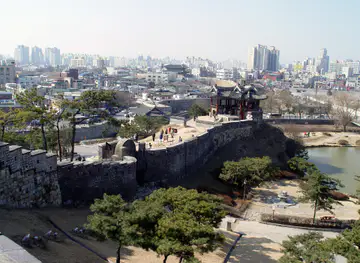
The cities of Hoseo Region, and the easiest places to base yourself.
-

-

-

-
-

-


Swipe for more cities
Destinations in Hoseo Region
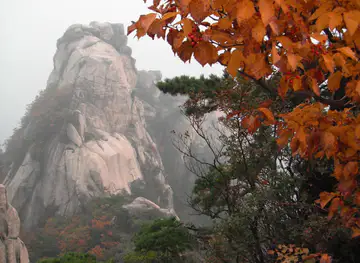
Resorts, valleys and scenic spots worth a trip of their own.
-

-
-

-


Swipe for more destinations
Best attractions in Hoseo Region
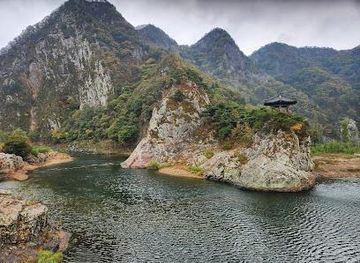
Hoseo's attractions range from royal-era archaeological landscapes to science museums and coastal nature. Gongju and Buyeo form the region's essential Baekje circuit, with Gongsanseong Fortress, the Royal Tombs of Songsan-ri, the Buyeo National Museum and the remains around Busosanseong presenting different aspects of a former kingdom. Daejeon offers a contrasting urban programme centred on research, technology and museums, including the National Science Museum and the Expo Science Park area, while nearby Yuseong is known for its longstanding hot-spring district. Sejong provides contemporary civic architecture and broad urban open spaces. Nature is equally varied: Songnisan National Park is known for wooded mountain scenery and Beopjusa Temple, Gyeryongsan National Park combines forested ridges with religious heritage, and Taean National Marine Park protects a fragmented western coastline of islands, beaches and tidal landscapes. Cheongju's museums and craft institutions add a cultural dimension, while rural areas offer walking, cycling and seasonal agricultural scenery. Because sites are widely dispersed, the region rewards several shorter excursions rather than a single compressed itinerary.
-
Historical place
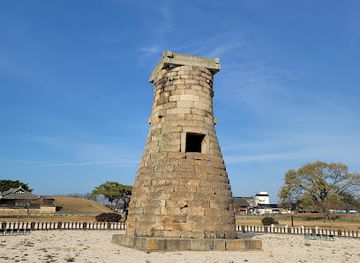
Cheomseongdae Observatory
Explore Cheomseongdae Observatory, a historic marvel that showcases Korea's ancient astronomy and architectural brilliance amidst serene landscapes.
-
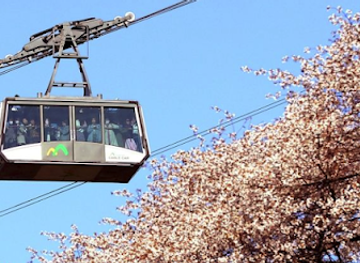
Namsan Cable Car
Discover breathtaking views of Seoul with a ride on the Namsan Cable Car, the gateway to stunning panoramas and the iconic N Seoul Tower.
-
Mountain cable car
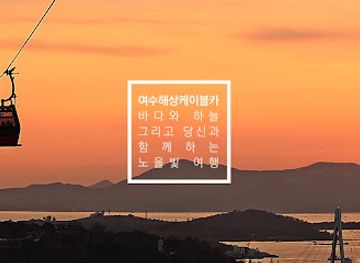
Yeosu Cable Car Dolsan Station
Experience breathtaking views and thrilling adventures at Yeosu Cable Car, your gateway to the stunning landscapes of South Korea's coastal gem.
-
Historical landmark
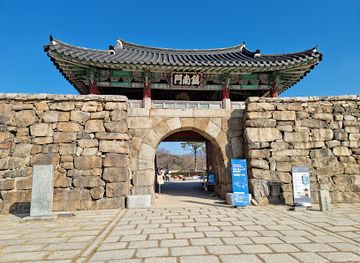
Haemi Eupseong Fortress
Explore Haemi Eupseong Fortress, a remarkable historical landmark showcasing Korea's rich heritage and captivating architecture amidst stunning natural beauty.
Best landmarks in Hoseo Region
Gongsanseong Fortress is one of Hoseo's most recognisable landmarks, its walls following a wooded ridge above the Geum River and recalling Gongju's role as Baekje's capital. In Buyeo, Busosanseong Fortress occupies a strategic hill beside the river, while the nearby Five-Story Stone Pagoda at Jeongnimsa Temple site is a distinctive surviving symbol of Baekje craftsmanship. The Baekje Royal Tombs at Songsan-ri provide a further visual and archaeological link with the ancient capital. Beopjusa's giant bronze Maitreya and wooden Palsangjeon pagoda stand within the forested setting of Songnisan and express the region's long Buddhist tradition. Magoksa's temple buildings and valley setting offer a quieter architectural landmark near Gongju. Daejeon's Expo Bridge and the elevated Hanbat Arboretum area represent the region's modern scientific and civic identity, while Sejong's government complex and planned boulevards show a more recent phase of national administration. Along the coast, Taean's beaches, headlands and island-fringed waters function as natural landmarks rather than monumental architecture.
-
Bridge
Expo Bridge
Discover the architectural beauty and stunning views of Expo Bridge in Daejeon, a must-visit landmark for every traveler.
-
State park
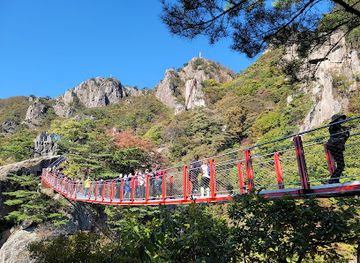
Daedunsan Provincial Park
Explore the breathtaking landscapes and serene trails of Daedunsan Provincial Park, a natural gem in Jeollabuk-do, South Korea.
-
Theme park
Seodongyo Theme Park
Experience endless fun at Seodongyo Theme Park, a family-friendly destination in Buyeo-gun, Chungcheongnam-do, South Korea.
-
Mountain peak
Wollyu-bong
Discover the breathtaking Wollyu-bong Peak in Yeongdong, a paradise for hiking enthusiasts and nature lovers seeking stunning views and tranquility.

Explore Hoseo Region on the map
Plan your trip on one map. See where the top cities, national parks and sights are, and book hotels and experiences in a few clicks.
Best hotels in Hoseo Region
Best restaurants in Hoseo Region
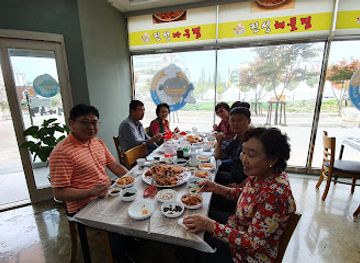
Hoseo's food reflects the meeting of fertile inland plains, mountain produce and the Yellow Sea. In Gongju, chestnuts appear in confectionery and other local products, while Cheonan is associated with walnut sweets that are widely sold as travel gifts. Daejeon and Cheongju have broad restaurant scenes covering Korean barbecue, noodles, soups, rice dishes and contemporary cafés, with traditional markets offering snacks and prepared foods. Along the Chungcheongnam-do coast, shellfish, fish and other seafood are central to local dining, although the exact catch and seasonal availability vary by port. Inland areas make greater use of rice, vegetables, mushrooms and mountain greens, and temple districts around major monasteries provide opportunities to encounter simpler Buddhist-influenced meals. Rural restaurants may specialise in one or two preparations rather than an extensive menu, so visual menus, translation applications or help from a hotel can be useful. Farmers' markets and regional food halls are good places to find fruit, chestnuts, grains and packaged specialities without confusing them with dishes exclusive to Hoseo.
-
Holiday home
Log House
Discover tranquility at Log House in Jeollabuk-do—your perfect holiday home with delicious Western cuisine awaits!
-
Restaurant
Restaurant
Discover authentic Korean cuisine at its finest in DongGyeryong-si's hidden gem restaurant.
-
 Restaurant
Mumbai to Malaysia
Discover the exquisite culinary journey from Mumbai's vibrant streets to Malaysia's flavorful kitchens.
-
Guest house
Muju Clouds Pension
Discover tranquility at Muju Clouds Pension - your gateway to nature's beauty in Jeollabuk-do.

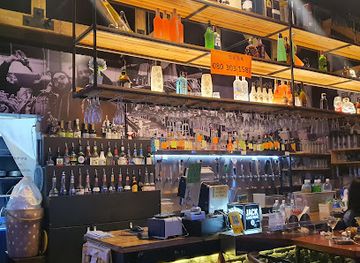
Best bars in Hoseo Region
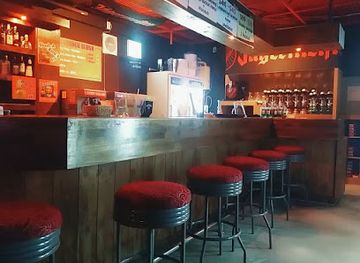
Evening life in Hoseo is concentrated in Daejeon, Cheongju, Cheonan and university areas rather than spread evenly across the countryside. Daejeon's districts around major commercial streets offer Korean dining rooms, casual beer houses, cafés, karaoke rooms and a growing selection of cocktail-oriented venues, while Yuseong combines restaurants and bars with hotel and spa activity. Cheongju and Cheonan have similarly accessible urban nightlife, including late dining and student-oriented venues. In Sejong, the evening scene is more dispersed and generally linked to restaurants, cafés and residential commercial areas. Smaller towns and coastal communities tend to close earlier, with traditional pubs, grilled-fish restaurants and local drinking establishments providing the main options. Seasonal seaside activity can increase around popular beaches, but it should not be mistaken for a permanent club culture. In mountain villages and near temples, evenings are quiet and focused on accommodation, food and rest rather than nightlife.
-
Bar restaurant furniture store
IDK Bar
Experience the lively nightlife at IDK Bar in Pyeongtaek, where great drinks and a vibrant atmosphere await.
-
Bar
Olounge Humphreys
Discover Olounge Humphreys, a vibrant bar in Pyeongtaek offering a lively atmosphere and delicious drinks for a memorable night out.
-
Bar
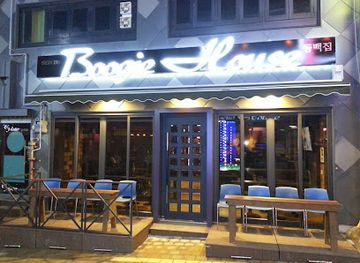
Boogie House (부기 하우스)
Unwind at Boogie House, Pyeongtaek's lively bar, offering an eclectic atmosphere, great cocktails, and a taste of local nightlife.
-
Bar
Bar
Explore the vibrant bar scene in Daegu, where lively nightlife meets unique local culture and unforgettable experiences await.

Best nightclubs in Hoseo Region
Evening life in Hoseo is concentrated in Daejeon, Cheongju, Cheonan and university areas rather than spread evenly across the countryside. Daejeon's districts around major commercial streets offer Korean dining rooms, casual beer houses, cafés, karaoke rooms and a growing selection of cocktail-oriented venues, while Yuseong combines restaurants and bars with hotel and spa activity. Cheongju and Cheonan have similarly accessible urban nightlife, including late dining and student-oriented venues. In Sejong, the evening scene is more dispersed and generally linked to restaurants, cafés and residential commercial areas. Smaller towns and coastal communities tend to close earlier, with traditional pubs, grilled-fish restaurants and local drinking establishments providing the main options. Seasonal seaside activity can increase around popular beaches, but it should not be mistaken for a permanent club culture. In mountain villages and near temples, evenings are quiet and focused on accommodation, food and rest rather than nightlife.
-
Night club
Hongdae Club Aura
Experience the electrifying nightlife at Hongdae Club Aura, a premier night club in Seoul's artistic district, perfect for music lovers and party seekers.
-
Night club
Octagon Club
Dive into the electrifying nightlife of Gangnam at Octagon Club, where world-class DJs and a luxurious atmosphere create unforgettable experiences.
-
Resort hotel
Muju Ilsung Resort
Discover tranquility and adventure at Muju Ilsung Resort, a perfect blend of nature and comfort in Jeollabuk-do, South Korea.
-
Night club
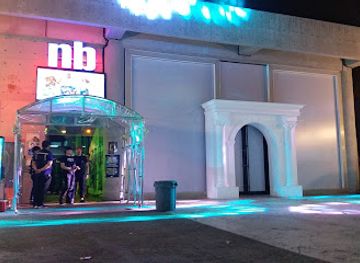
NB2
Experience the electrifying nightlife at NB2 in Mapo-gu, a premier night club and pub that guarantees an unforgettable evening in Seoul.


Best shops in Hoseo Region
Shopping in Hoseo is strongest in city centres, traditional markets and specialist food outlets rather than in one dominant regional retail district. Daejeon and Cheongju provide department stores, modern high streets, underground shopping areas, bookshops and cafés, while Sejong's newer commercial areas have a more planned and dispersed character. Traditional markets in the larger towns are useful for fruit, vegetables, prepared foods, household goods and everyday local life. Gongju is a good place to look for chestnut products and Baekje-related cultural merchandise, and Cheonan is widely associated with packaged walnut confectionery. Museum shops and craft venues in Cheongju can offer ceramics, paper goods and contemporary interpretations of Korean craft traditions. Near Taean and other western coastal towns, visitors may find dried seafood, seaweed and locally processed marine products, subject to seasonal availability. Packaged foods, teas, rice products and regional agricultural goods make practical souvenirs; check labelling and transport restrictions before buying fresh produce or seafood for an international journey.
-
Outlet mall
Hyundai Premium Outlets Songdo
Experience unmatched shopping and dining at Hyundai Premium Outlets Songdo in Incheon, where luxury meets affordability.
-
Tourist attraction
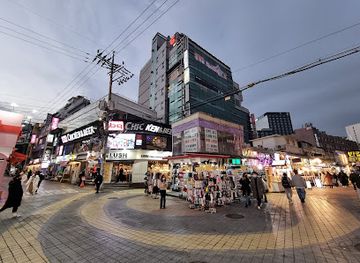
Hongdae Shopping Street
Discover the lively Hongdae Shopping Street in Seoul, a vibrant hub of fashion, beauty, and cultural experiences that showcases the city's youthful spirit.
-
General store
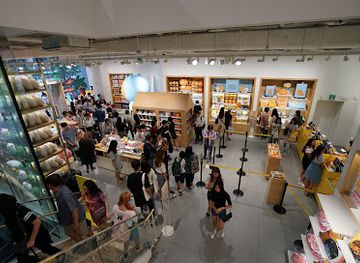
Kakao Friends Hongdae Flagship Store
Experience the charm of Kakao Friends at the flagship store in Hongdae, a must-visit for K-Pop fans and souvenir hunters in Seoul.
-
Outlet mall
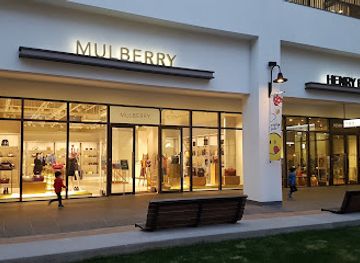
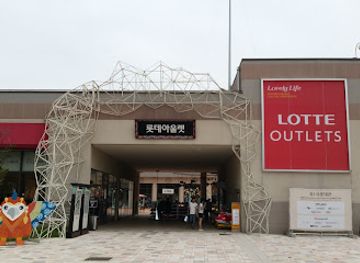
LOTTE Outlet
Explore LOTTE Outlet, a vibrant shopping destination blending modern and traditional Korean architecture, offering unique finds and culinary delights.
Get your free copy of our complete guide to Hoseo Region, delivered straight to you.
Everything on this page, from attractions and restaurants to essentials and local phrases, in one PDF you can read offline, print or share.
Already have an account? Sign in
Your Hoseo Region guide is ready.
We'll send it to · Not you? Sign out

Getting your guide ready…
We are putting together a fresh copy of the Hoseo Region guide. This can take up to a minute.
This can take a few moments. If your browser asks, choose Allow so the download can start. You'll find the guide in your Downloads folder.
Nothing happened? Download it again
Sorry, the guide is taking longer than usual. Please try again in a minute, or get it by email instead.
Hoseo Region essentials
Currency and Payment
Safety
Emergency Situations
Do's and Don'ts
Local Tips
From Eve
Local phrases worth knowing
You don't need to get them perfect. A few words go a long way, and locals appreciate the effort.
Basics
| English | Local | Say it |
|---|---|---|
| Hello | 안녕하세요 | [annyeonghaseyo] |
| Goodbye | 안녕히 가세요 | [annyeonghi gaseyo] |
| Yes | 네 | [ne] |
| No | 아니요 | [aniyo] |
| Please/You’re welcome | 제발/천만에요 | [jebal/cheonmaneyo] |
| Thank you | 감사합니다 | [gamsahamnida] |
| Excuse me/Sorry | 죄송합니다 | [joesonghamnida] |
| How are you? | 어떻게 지내세요? | [eotteoke jinaeseyo?] |
| Fine. And you? | 괜찮아요. 당신은요? | [gwaenchanhayo. dangsineunyo?] |
| Do you speak English? | 영어를 할 수 있어요? | [yeongeoreul hal su isseoyo?] |
| I don't understand | 이해하지 못해요 | [ihaehaji mothaeyo] |
Eating & Drinking
| English | Local | Say it |
|---|---|---|
| I’d like to see the menu, please | 메뉴 좀 보여주세요 | [menyu jom boyeojuseyo] |
| I don't eat meat | 저는 고기를 먹지 않아요 | [jeoneun gogireul meokji anayo] |
| Cheers! | 건배! | [geonbae!] |
| I would like to pay, please | 계산해 주세요 | [gyesanhae juseyo] |
Emergencies
| English | Local | Say it |
|---|---|---|
| Help! | 도와주세요! | [dowajuseyo!] |
| Go away! | 꺼져요! | [kkeojyeoyo!] |
| Call the Police! | 경찰을 불러주세요! | [gyeongchareul bulleojuseyo!] |
| Call a doctor! | 의사를 불러주세요! | [uisareul bulleojuseyo!] |
| I’m lost | 길을 잃었어요 | [gireul ilheosseoyo] |
| I’m ill | 아파요 | [apayo] |
Shopping
| English | Local | Say it |
|---|---|---|
| I’d like to buy... | 사고 싶어요... | [sago sipeoyo...] |
| I’m just looking | 그냥 보고 있어요 | [geunyang bogo isseoyo] |
| How much is it? | 이거 얼마예요? | [igeo eolmayeyo?] |
| That’s too expensive | 너무 비싸요 | [neomu bissayo] |
| Can you lower the price? | 가격을 좀 내려줄 수 있나요? | [gagyeogeul jom naeryeojul su innayo?] |
Time & Numbers
| English | Local | Say it |
|---|---|---|
| What time is it? | 지금 몇 시예요? | [jigeum myeot siyeyo?] |
| It’s one o'clock | 지금 한 시예요 | [jigeum han siyeyo] |
| Half past (10) | 열 시 반 | [yeol si ban] |
| Morning | 아침 | [achim] |
| Afternoon | 오후 | [ohu] |
| Evening | 저녁 | [jeonyeok] |
| Yesterday | 어제 | [eoje] |
| Today | 오늘 | [oneul] |
| Tomorrow | 내일 | [naeil] |
| 1 | 하나 | [hana] |
| 2 | 둘 | [dul] |
| 3 | 셋 | [set] |
| 4 | 넷 | [net] |
| 5 | 다섯 | [daseot] |
| 6 | 여섯 | [yeoseot] |
| 7 | 일곱 | [ilgop] |
| 8 | 여덟 | [yeodeol] |
| 9 | 아홉 | [ahop] |
| 10 | 열 | [yeol] |
Transport & Directions
| English | Local | Say it |
|---|---|---|
| Where's a/the...? | 어디에 ...이/가 있나요? | [eodie ...i/ga innayo?] |
| What's the address? | 주소가 뭐예요? | [jusoga mwoyeyo?] |
| Can you show me (on the map)? | 지도에서 보여줄 수 있어요? | [jidoeseo boyeojul su isseoyo?] |
| When's the next (bus)? | 다음 (버스)는 언제예요? | [daeum (beoseu)neun eonjeeyo?] |
| A ticket (to ....) | 티켓 (....) 하나 주세요 | [tiket (....) hana juseyo] |
History of Hoseo Region
Early Settlements and the Geum River
The Geum River basin and the central western plain supported human settlement from prehistoric times. Archaeological remains across Chungcheong include Neolithic and Bronze Age sites, evidence of farming communities, fortified settlements and evolving exchange networks. The river corridors were important not only for agriculture but also for movement between the western coast and the interior. These early patterns helped make the area strategically significant during the formation of the ancient polities that later became the Three Kingdoms of Korea.
Baekje in Gongju and Buyeo
Hoseo is closely connected with the later history of Baekje. After the fall of Hanseong, the kingdom moved its capital to Ungjin, present-day Gongju, in 475 and later to Sabi, present-day Buyeo, in 538. The period saw advances in Buddhism, art, urban planning and diplomacy, particularly with China and Japan. Gongsanseong, royal tombs, Busosanseong and temple sites preserve traces of these capitals. The Baekje Historic Areas are recognised together as a UNESCO World Heritage property.
Unified Silla and Buddhist Mountain Culture
Following Baekje's defeat in the seventh century, the region became part of Unified Silla and later dynastic states. Buddhism remained a major cultural force, expressed through temples, sculpture and mountain practice. Monasteries such as Beopjusa in Songnisan and Magoksa near Gongju developed within landscapes that connected religious life with forests and valleys. Their surviving buildings, scriptures and artistic traditions illustrate the long influence of Korean Buddhism beyond the royal capitals.
Joseon Roads, Academies and Market Towns
During the Joseon dynasty, central Chungcheong occupied an important position between the capital and the southern provinces. Official roads, river crossings and market towns supported administration, commerce and the movement of officials and goods. Confucian academies and local schools shaped elite education, while farming villages developed around rice fields and upland crops. Historic settlements in the region retain elements of this relationship between agricultural production, scholarship, local administration and transport.
Late Joseon Reform and the Independence Movement
The late nineteenth and early twentieth centuries brought new political pressures, Christian missions, commercial change and resistance to Japanese rule. Chungcheong was involved in the wider independence movement, and Cheonan is home to the Independence Hall of Korea, a major national institution documenting the history of Korean resistance and state formation. Rural communities, students and religious organisations also participated in the March First Movement and related campaigns, linking local history to the modern national narrative.
Industrialisation, Science and Administrative Change
After the Korean War, Hoseo changed rapidly from a predominantly agricultural region into a major centre of manufacturing, education, research and public administration. Daejeon became associated with national research institutes and science policy, while Cheongju, Cheonan and other cities expanded through industry and transport. Sejong was established in the twenty-first century as an administrative city, adding a planned urban landscape to a region already shaped by historic capitals, market towns and rural provinces.
Hoseo Region in Photos
Browse through our photo collection highlighting the charm and character of the destination.
Neighbouring regions of Hoseo Region
The closest regions to Hoseo Region, if you have time for more than one.
-

-
-

-

-


Swipe for more regions
Explore more

Explore more of South Korea
Discover South Korea: A land where ancient traditions meet futuristic innovations, offering diverse experiences from bustling cities to serene natural landscapes.
Explore South Korea