

El Carmen (Valencia) Travel Guide - Free
Explore El Carmen in Valencia with Evendo's free guide. Find the best shops, historic streets, restaurants, and gems on web or mobile.


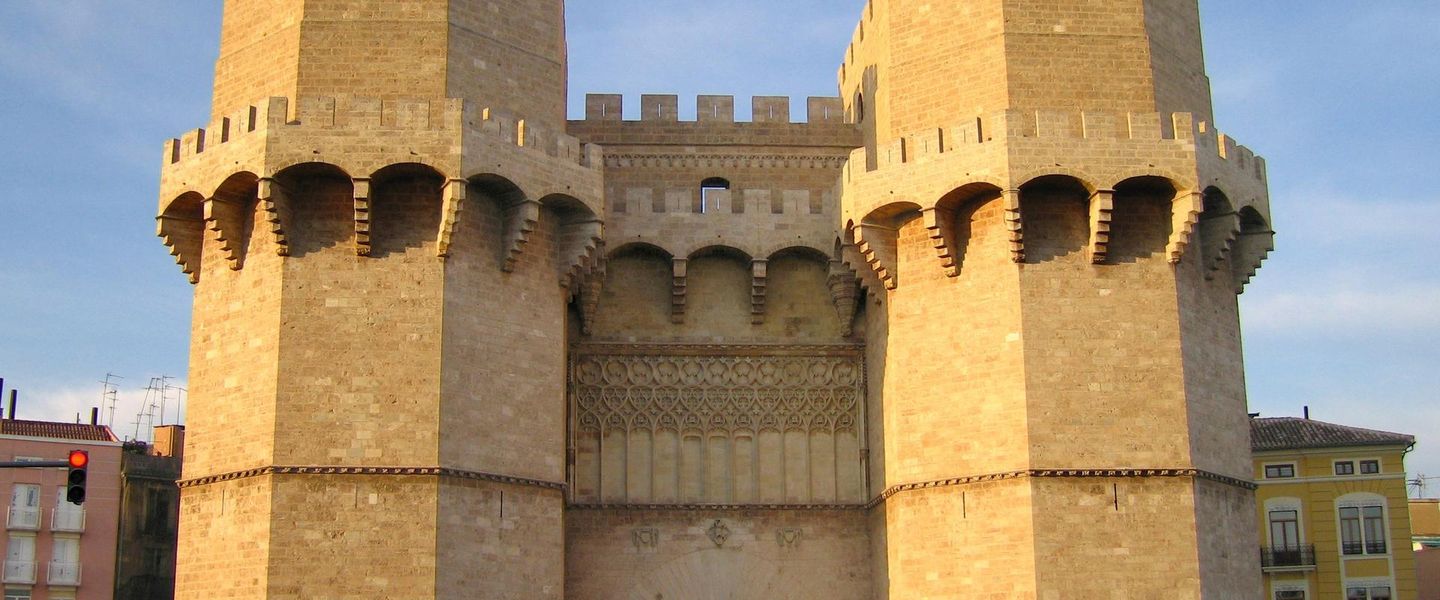


El Carmen in Valencia blends medieval lanes, street art, landmark towers, museums, markets, tapas bars and lively evenings in the historic centre of Spain.
Medieval Streets and City Walls
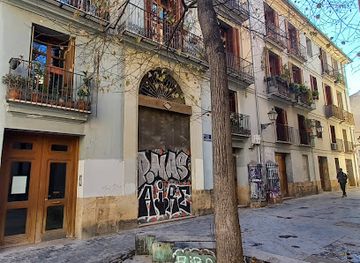
El Carmen occupies the north-western part of Ciutat Vella, Valencia’s old town, within the former circuit of medieval walls. Its irregular lanes, shaded plazas and surviving gateways reveal a district shaped long before the city’s modern avenues. The Torres de Serranos and Torres de Quart stand at opposite edges of the historic quarter, while the Portal de la Valldigna marks the memory of the old Islamic and Christian city. Many streets still follow historic routes, though ground-floor cafés, galleries and bars now animate buildings that were once homes, workshops, convents and small businesses.Read more about El Carmen
Culture Among the Courtyards
Plazas, Food and Evening Life
Best attractions in El Carmen
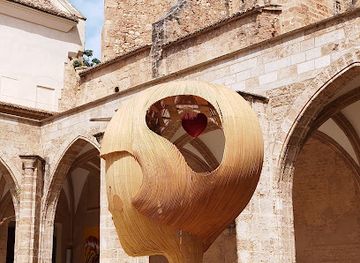
El Carmen’s attractions are concentrated within a walkable historic fabric rather than a single monumental avenue. The Torres de Serranos provide a dramatic northern entrance to the old city, while the Torres de Quart preserve the western gateway and still show damage associated with past conflicts. At the Centre del Carme Cultura Contemporània, former convent courtyards and chapels frame changing exhibitions and cultural programming. La Beneficència brings together the Museu de Prehistòria de València and L’ETNO, the Valencian Museum of Ethnology, in a former charitable institution on Carrer de la Corona. Casa-Museo Benlliure offers a more domestic artistic setting, and the Portal de la Valldigna gives a compact reminder of the medieval city’s layered history. Between these institutions, visitors encounter Plaça del Tossal, fragments of former walls, independent galleries and widely photographed street art.
-
Tourist attraction
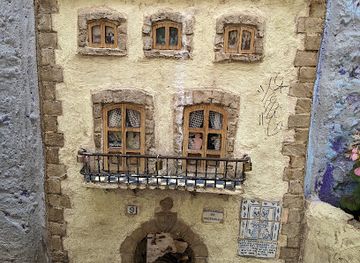
House of Cats
Experience the enchanting House of Cats in Valencia, where playful felines and a cozy atmosphere await every visitor.
1 min walk · 0.1 km from neighbourhood centre
-
Tourist attraction
Barri del Carme
Explore the vibrant streets of Barri del Carme, Valencia's artistic heart filled with history, culture, and culinary delights for every traveler.
1 min walk · 0.1 km from neighbourhood centre
-
Tourist attraction
Cruisterminal
Experience the vibrant maritime culture at Cruisterminal, Valencia's essential gateway for cruise travelers and cultural explorers alike.
2 min walk · 0.2 km from neighbourhood centre
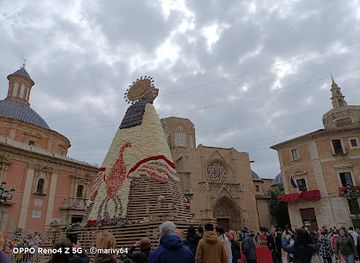

Best landmarks in El Carmen
El Carmen’s landmarks form a remarkably readable record of Valencia’s fortified and religious past. The Torres de Serranos, a substantial late-medieval gateway, face the former river crossing and remain one of the neighbourhood’s defining silhouettes. At the opposite side, the Torres de Quart mark the old western entrance and retain visible traces from periods when the city’s walls were under attack. The Portal de la Valldigna is smaller but historically precise, opening through the former Muslim wall in 1400. The Centre del Carme occupies a former Carmelite convent whose courtyards and ecclesiastical spaces now have a cultural role, while La Beneficència represents the institutional architecture of nineteenth-century charitable provision. Casa-Museo Benlliure adds a domestic landmark linked to Valencian painting. Together these places show how El Carmen grew through gates, religious foundations, civic institutions and ordinary streets rather than around one central monument.
-
Cultural center
CCCC (Centre del Carme Cultura Contemporània)
Experience the fusion of history and modernity at CCCC, Valencia's premier center for contemporary culture and art.
1 min walk · 0.1 km from neighbourhood centre
-
Historical landmark
La Casa dels Gats
Discover the enchanting La Casa dels Gats, a historical landmark in Valencia's Ciutat Vella, where culture and charm converge for an unforgettable experience.
1 min walk · 0.1 km from neighbourhood centre
-
Historical landmark
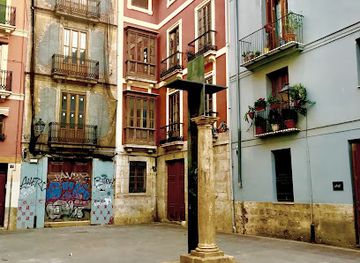
Plaça de la Santa Creu
Explore the enchanting Plaça de la Santa Creu, a historical landmark in Valencia that showcases the city's rich cultural heritage and vibrant street life.
2 min walk · 0.1 km from neighbourhood centre
-
Historical landmark
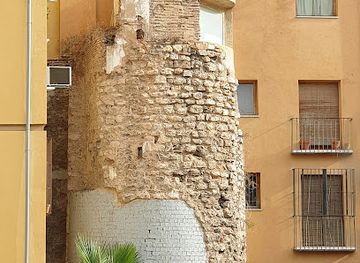
City walls of València
Discover the historic city walls of Valencia, a magnificent landmark showcasing centuries of architectural heritage and cultural significance in Spain.
2 min walk · 0.2 km from neighbourhood centre
Explore El Carmen on the map
A handpicked selection of must-see spots in El Carmen, mapped for you.
Best hotels in El Carmen
Best restaurants in El Carmen
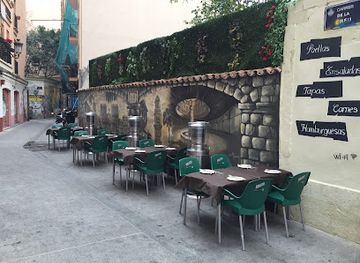
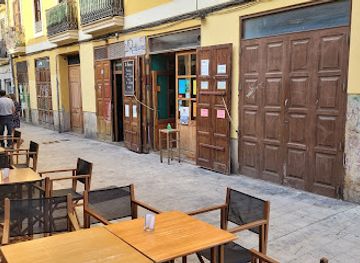
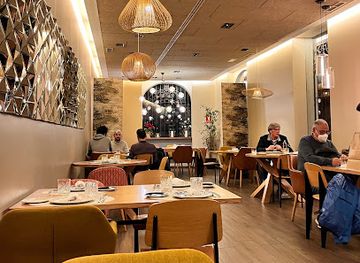
Eating in El Carmen reflects the mixed character of Valencia’s old centre, with traditional Valencian cooking, tapas, cafés and newer small-plate restaurants sharing streets around Plaça del Tossal, Carrer dels Serrans and the lanes near the Centre del Carme. Rice dishes and seasonal Mediterranean ingredients belong to the wider Valencian culinary tradition, while the neighbourhood’s historic setting supports plenty of informal places for a drink and a quick meal. Visitors will find menus aimed at both residents and the cultural crowd, including vegetarian and international influences alongside familiar local flavours. The most rewarding approach is to look beyond the busiest terraces: smaller streets often reveal bakeries, coffee spots and family-run establishments that give the quarter a daily rhythm distinct from the market-focused food scene elsewhere in Ciutat Vella. Reservations may be useful for popular evening restaurants, but the area also suits an unplanned tapas wander.
-
Restaurant
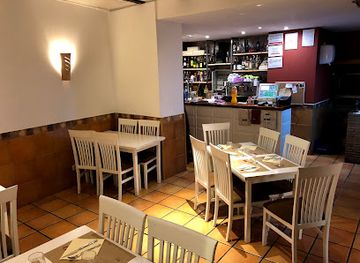
Restaurant Yuso
Experience authentic Mediterranean cuisine at Restaurant Yuso in Valencia's historic Ciutat Vella - where tradition meets taste.
1 min walk · 0.1 km from neighbourhood centre
-
Mediterranean
Yuso
Discover the vibrant flavors of Mediterranean cuisine at Yuso in Valencia's historic Ciutat Vella.
2 min walk · 0.2 km from neighbourhood centre
-
Tavern
Bodega La Rentaora
Discover authentic Spanish flavors at Bodega La Rentaora in Valencia - your go-to destination for exquisite tapas and vibrant atmosphere.
3 min walk · 0.2 km from neighbourhood centre
-
Restaurant
Blanqueries
Discover Blanqueries: A culinary delight in Valencia offering modern twists on traditional Spanish dishes.
2 min walk · 0.1 km from neighbourhood centre
Best bars in El Carmen
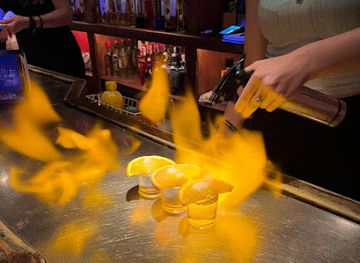
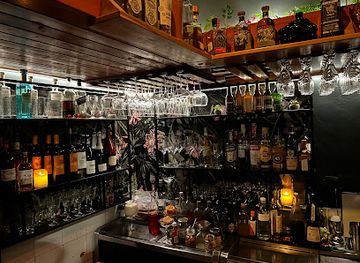
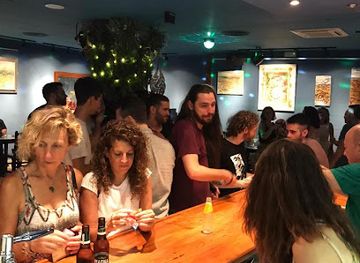
El Carmen is one of Valencia’s established evening quarters, although its nightlife is more varied than a dedicated club district. Bars and terraces cluster around Plaça del Tossal, Plaça del Negrito and nearby lanes, with options ranging from traditional meeting places to cocktail bars, late cafés and venues associated with live music. Café Negrito is a longstanding reference point around the square of the same name, while Radio City has been associated with music and late-night entertainment on the edge of the old quarter. The atmosphere changes by street: central plazas can become sociable and noisy, whereas residential lanes remain comparatively quiet. Nightlife is mixed with dining and cultural events, so an evening may involve a gallery or performance followed by drinks rather than a single destination. Local residents share these streets, making consideration for noise and doorways particularly important.
-
Pub
Espit Chupitos Carmen
Discover the nightlife of Valencia at Espit Chupitos Carmen, where unique shots and vibrant atmosphere create unforgettable experiences.
2 min walk · 0.2 km from neighbourhood centre
-
Pub
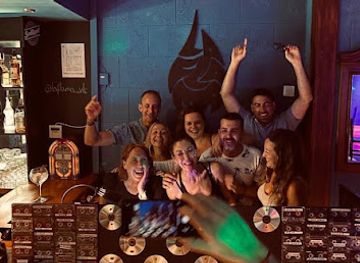
La Flama. Monólogos de Humor y Música en Directo
La Flama: Valencia's top destination for live music and hilarious comedy performances in a vibrant pub atmosphere.
2 min walk · 0.2 km from neighbourhood centre
-
Cocktail bar
Botanista Bar
Discover the vibrant nightlife of Valencia at Botanista Bar, where innovative cocktails meet a chic atmosphere in the heart of Ciutat Vella.
2 min walk · 0.1 km from neighbourhood centre
Best nightclubs in El Carmen
El Carmen is one of Valencia’s established evening quarters, although its nightlife is more varied than a dedicated club district. Bars and terraces cluster around Plaça del Tossal, Plaça del Negrito and nearby lanes, with options ranging from traditional meeting places to cocktail bars, late cafés and venues associated with live music. Café Negrito is a longstanding reference point around the square of the same name, while Radio City has been associated with music and late-night entertainment on the edge of the old quarter. The atmosphere changes by street: central plazas can become sociable and noisy, whereas residential lanes remain comparatively quiet. Nightlife is mixed with dining and cultural events, so an evening may involve a gallery or performance followed by drinks rather than a single destination. Local residents share these streets, making consideration for noise and doorways particularly important.
-
Jazz
Jimmy Glass Jazz Bar
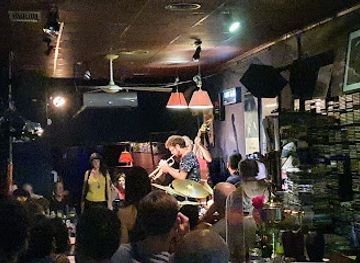
Discover the heart of Valencia's jazz scene at Jimmy Glass Jazz Bar, where live music and vibrant atmosphere create unforgettable nights.
3 min walk · 0.2 km from neighbourhood centre
-
Pub
Espit Chupitos Carmen
Experience Valencia's nightlife at Espit Chupitos Carmen, renowned for its creative shots and vibrant atmosphere, perfect for an unforgettable night out.
2 min walk · 0.2 km from neighbourhood centre
-
Pub
La Flama. Monólogos de Humor y Música en Directo
Discover the joy of live music and laughter at La Flama, Valencia's premier pub for an unforgettable night out in the heart of the city.
2 min walk · 0.2 km from neighbourhood centre
Best shops in El Carmen
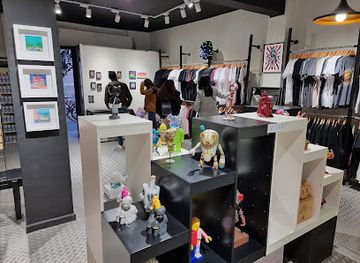
Shopping in El Carmen is mainly independent and small-scale, woven into streets that also contain homes, cafés, galleries and cultural venues. The lanes around Carrer dels Serrans, Carrer de la Corona and Plaça del Tossal offer boutiques, design-led shops, vintage clothing, crafts, books and locally oriented gifts, although the precise mix changes as businesses open and close. Visitors interested in ceramics, illustration and Valencian design may find more character here than in international high-street chains. The larger Central Market lies nearby in Ciutat Vella rather than inside the core of El Carmen, and is useful for understanding the city’s food culture without mistaking it for a neighbourhood market. Street art is part of the visual shopping environment, but murals and façades should be treated as part of the local streetscape rather than as surfaces for visitors to touch or alter.
-
Art gallery
CAOS COMMUNITY
Explore the vibrant CAOS COMMUNITY in Valencia, where art, fashion, and creativity converge in a unique cultural experience.
1 min walk · 0.1 km from neighbourhood centre
El Carmen essentials
Getting There
Getting Around
Safety
Emergency Situations
Do's and Don'ts
Local Tips

From Eve
Local phrases worth knowing
You don't need to get them perfect. A few words go a long way, and locals appreciate the effort.
Basics
| English | Local | Say it |
|---|---|---|
| Hello | Hola | [oh-lah] |
| Goodbye | Adiós | [ah-dee-ohs] |
| Yes | Sí | [see] |
| No | No | [noh] |
| Please/You're welcome | Por favor/De nada | [por fah-vor/deh nah-dah] |
| Thank you | Gracias | [grah-thee-ahs] |
| Excuse me/Sorry | Perdón/Lo siento | [pehr-dohn/loh see-ehn-toh] |
| How are you? | ¿Cómo estás? | [koh-moh ehs-tahs] |
| Fine. And you? | Bien. ¿Y tú? | [byehn. ee too] |
| Do you speak English? | ¿Hablas inglés? | [ah-blahs een-glehs] |
| I don't understand | No entiendo | [noh ehn-tee-ehn-doh] |
Eating & Drinking
| English | Local | Say it |
|---|---|---|
| I'd like to see the menu, please | Me gustaría ver la carta, por favor | [meh goos-tah-ree-ah behr lah kahr-tah, por fah-vor] |
| I don't eat meat | No como carne | [noh koh-moh kahr-neh] |
| Cheers! | ¡Salud! | [sah-loohd] |
| I would like to pay, please | Me gustaría pagar, por favor | [meh goos-tah-ree-ah pah-gar, por fah-vor] |
Emergencies
| English | Local | Say it |
|---|---|---|
| Help! | ¡Ayuda! | [ah-yoo-dah] |
| Go away! | ¡Vete! | [veh-teh] |
| Call the Police! | ¡Llama a la policía! | [yah-mah ah lah poh-lee-see-ah] |
| Call a doctor! | ¡Llama a un médico! | [yah-mah ah oon meh-dee-koh] |
| I'm lost | Estoy perdido/a | [ehs-toy pehr-dee-doh/dah] |
| I'm ill | Estoy enfermo/a | [ehs-toy ehn-fehr-moh/dah] |
Shopping
| English | Local | Say it |
|---|---|---|
| I'd like to buy... | Me gustaría comprar... | [meh goos-tah-ree-ah kohm-prahr] |
| I'm just looking | Solo estoy mirando | [soh-loh ehs-toy mee-rahn-doh] |
| How much is it? | ¿Cuánto cuesta? | [kwan-toh kwehs-tah] |
| That's too expensive | Esto es demasiado caro | [ehs-toh ehs deh-mah-syah-doh kah-roh] |
| Can you lower the price? | ¿Puede bajar el precio? | [pweh-deh bah-har ehl pree-syoh] |
Time & Numbers
| English | Local | Say it |
|---|---|---|
| What time is it? | ¿Qué hora es? | [keh oh-rah ehs] |
| It's one o'clock | Es la una en punto | [ehs lah oo-nah ehn poon-toh] |
| Half past (10) | Las diez y media | [lahs dyehs ee meh-dee-ah] |
| Morning | Mañana | [mah-nyah-nah] |
| Afternoon | Tarde | [tahr-deh] |
| Evening | Noche | [noh-cheh] |
| Yesterday | Ayer | [ah-yehr] |
| Today | Hoy | [oy] |
| Tomorrow | Mañana | [mah-nyah-nah] |
| 1 | Uno | [oo-noh] |
| 2 | Dos | [dohs] |
| 3 | Tres | [trehs] |
| 4 | Cuatro | [kwah-troh] |
| 5 | Cinco | [seen-koh] |
| 6 | Seis | [says] |
| 7 | Siete | [syeh-teh] |
| 8 | Ocho | [oh-choh] |
| 9 | Nueve | [nweh-veh] |
| 10 | Diez | [dyehs] |
Transport & Directions
| English | Local | Say it |
|---|---|---|
| Where's a/the...? | ¿Dónde está...? | [dohn-deh ehs-tah] |
| What's the address? | ¿Cuál es la dirección? | [kwahl ehs lah dee-rehk-syohn] |
| Can you show me (on the map)? | ¿Puedes mostrarme (en el mapa)? | [pweh-dehs mohs-trahr-meh (ehn ehl mah-pah)] |
| When's the next (bus)? | ¿Cuándo es el próximo (autobús)? | [kwan-doh ehs ehl proh-ksee-moh (ow-toh-boos)] |
| A ticket (to ....) | Un billete (a ...) | [oon bee-yeh-teh (ah ...)] |
History of El Carmen
From Islamic Suburb to Walled Quarter
The area now known as El Carmen developed within and around the northern side of Valencia’s historic core, whose urban form was strongly shaped during the Islamic period and after the Christian conquest of 1238. The neighbourhood’s name is linked to the Carmelite convent established here in the medieval period, although the quarter’s streets also preserve earlier layers of settlement. With the expansion of the Christian city, religious institutions, homes, workshops and small commercial premises filled the spaces between older routes and the city wall. The district was not an isolated enclave: it connected the central market area, northern gates and routes towards the river and surrounding settlements.
Gates, Convents and Medieval Defences
Valencia’s late-medieval walls gave El Carmen much of its lasting physical identity. The Torres de Serranos, completed in the late fourteenth century, controlled an important northern entrance, while the Torres de Quart, built at the end of the fifteenth century, guarded the western approach. Religious foundations also shaped the quarter, including the Carmelite complex that gives El Carmen its name and the buildings now occupied by the Centre del Carme Cultura Contemporània. The Portal de la Valldigna, opened in 1400 through the former Muslim wall, records the gradual joining of different urban zones within the growing Christian city.
Urban Change and the Surviving Walls
During the nineteenth century, Valencia’s old defensive circuit lost much of its practical purpose and large sections of the wall were demolished as the city expanded. El Carmen retained important fragments and gateways, but its internal fabric changed as houses were subdivided, workshops appeared and established institutions adapted older buildings. The quarter’s proximity to the riverbed, markets and central civic areas kept it closely connected to everyday urban life. The survival of the Serranos and Quart towers is therefore especially significant: they are not isolated monuments, but remnants of the infrastructure that once regulated movement through the neighbourhood.
Conservation and Cultural Renewal
In the twentieth century, parts of El Carmen experienced physical deterioration and population change, followed by conservation, refurbishment and the arrival of cultural institutions and new businesses. The former Carmen convent became the Centre del Carme, while La Beneficència developed into an important museum and cultural complex on the quarter’s western side. From the late twentieth century onwards, restored buildings, nightlife, galleries, restaurants and street art altered the visitor profile of the area. That renewal also brought the familiar tensions of historic-centre regeneration, as a lived-in neighbourhood acquired a stronger cultural and leisure economy while continuing to retain residential streets and local services.
El Carmen in Photos
Browse through our photo collection highlighting the charm and character of the destination.
Neighbourhoods near El Carmen
The closest neighbourhoods to El Carmen, if you have time for more than one stop.
-

-

-


Swipe for more neighbourhoods
Explore more

Explore more of Valencia
Valencia offers Mediterranean beaches, Gothic streets, paella, the Turia Gardens and the City of Arts and Sciences in one richly layered Spanish city.
Explore Valencia