

Kegalle District, Sri Lanka Travel Guide
Discover Kegalle District: A picturesque blend of lush landscapes, ancient temples, and vibrant wildlife, offering a serene escape into Sri Lanka's natural and cultural beauty.
Nestled between the bustling cities of Colombo and Kandy, Kegalle District in Sri Lanka offers a serene escape into nature and culture. The district is renowned for its lush landscapes, rolling hills, and an abundance of wildlife, making it a haven for nature enthusiasts. One of the most famous attractions here is the Pinnawala Elephant Orphanage, where visitors can witness the gentle giants in a natural setting and even participate in feeding and bathing them. Kegalle is also home to a plethora of ancient temples and historical sites that reflect the rich cultural heritage of Sri Lanka. The Aluth Nuwara Devalaya and the Dedigama Kota Vehera are must-visit sites for those interested in history and architecture. These sacred places offer a glimpse into the island's Buddhist traditions and architectural marvels. For those seeking adventure, the district does not disappoint. The beautiful waterfalls such as Asupini Ella and the hiking trails in the surrounding hills provide ample opportunities for outdoor activities. The scenic beauty of Kegalle is best experienced through its numerous trekking paths and nature trails that lead to breathtaking viewpoints. In addition to its natural and cultural attractions, Kegalle is known for its warm and hospitable locals who are eager to share their traditions and stories with visitors. Whether you are a nature lover, a history buff, or simply looking to immerse yourself in local culture, Kegalle District offers a unique and memorable experience.

Know before you go
Hi, I'm Eve. Here are a few practical things to know before exploring Kegalle District.
- Visit Pinnawala Elephant Orphanage early in the morning to avoid crowds and get the best views of the elephants.
- Wear comfortable hiking shoes if you plan to explore the trekking paths and nature trails in the district.
- Bring a camera to capture the breathtaking scenery and wildlife encounters.
- Try local delicacies at small eateries to experience authentic Sri Lankan flavors.
- Respect local customs and dress modestly when visiting temples and religious sites.
Top City Travel Guides in Kegalle District
The cities of Kegalle District, and the easiest places to base yourself.

Destinations in Kegalle District
Resorts, valleys and scenic spots worth a trip of their own.


Explore Kegalle District: Things to Do, Places to Eat, Hotels & More
Handpicked recommendations for top attractions, local dining, accommodations, and more

Top Attractions & Sightseeing in Kegalle District
Top-rated picks
Best Attractions

Sri Dalada Maligawa
Discover the spiritual heart of Kandy at Sri Dalada Maligawa, a remarkable Buddhist temple housing the sacred Tooth Relic of Lord Buddha.

Ambuluwawa Temple - අම්බුළුවාව විහාරය
Experience the breathtaking views and spiritual tranquility of Ambuluwawa Temple, a hidden gem in Gampola, Sri Lanka.

Ambuluwawa Biodiversity Complex
Discover the breathtaking Ambuluwawa Biodiversity Complex, a unique blend of nature, culture, and adventure nestled in the scenic hills of Sri Lanka.

Udawatta Kele Sanctuary
Discover the lush beauty and serene tranquility of Udawatta Kele Sanctuary, a hidden gem in Kandy, perfect for nature lovers and wildlife enthusiasts.

Best landmarks in Kegalle District
Top-rated picks
Best Landmarks

Pinnawala Elephant Orphanage
Dive into the heart of Sri Lanka's wildlife conservation at Pinnawala Elephant Orphanage, where orphaned elephants find love, care, and a second chance.

Arthur's Seat View Point, Kandy
Discover stunning vistas and cultural richness at Arthur's Seat View Point in Kandy, a must-visit destination for every traveler.

Nalagana Falls
Discover the enchanting beauty of Nalagana Falls, a stunning waterfall in Dedugala, Sri Lanka, perfect for nature lovers and adventure seekers alike.

Kandy view point
Discover stunning vistas and the rich heritage of Kandy from the breathtaking Kandy View Point, a must-visit for every traveler.

Best restaurants in Kegalle District
Top-rated picks
Best Restaurants

Awanhala
Discover authentic Sri Lankan flavors at Awanhala Restaurant in Ambepussa, where every dish tells a story.
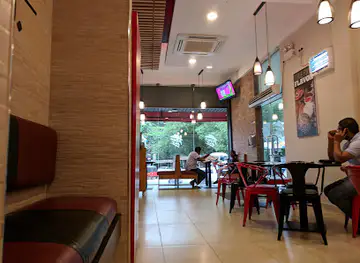
Pizza Hut - Kegalle
Experience delicious pizzas at Pizza Hut in Kegalle - where taste meets tradition in the heart of Sri Lanka.

Thirst Aid Station
Experience authentic Sri Lankan cuisine amidst breathtaking landscapes at Thirst Aid Station.

Channa
Explore the vibrant flavors of Sri Lanka at Channa, where culinary fusion meets delightful dining experiences.

Best bars in Kegalle District
Top-rated picks
Best Bars

Salika Inn Hotel
Discover the flavors of Sri Lanka at Salika Inn Hotel, a charming restaurant and bakery nestled in Kegalle along the scenic Kandy-Colombo Road.

Nipuna Restaurant (The Burger Shop)
Experience the best gourmet burgers in Kegalle at Nipuna Restaurant, where every bite is a taste of local flavor and international flair.

Tavern 29 Rooftop Bar
Discover breathtaking views and a vibrant atmosphere at Tavern 29 Rooftop Bar in Kandy, perfect for relaxation and socializing.

Pinnawala Reach Hotel
Experience serene stays and delightful dining at Pinnawala Reach Hotel, your gateway to Sri Lanka's elephant haven.

Best nightclubs in Kegalle District
Top-rated picks
Best Nightclubs

Slightly Chilled Lounge Bar and Restaurant
Experience the vibrant culinary scene at Slightly Chilled Lounge Bar and Restaurant, where Asian fusion delights meet a cozy lounge atmosphere in Kandy.

Club Concept Elephant Riding
Immerse yourself in an unforgettable elephant experience at Club Concept Elephant Riding in Rambukkana, Sri Lanka, where adventure meets conservation.

Old Trinitian's Sports Club
Discover Kandy's vibrant nightlife at Old Trinitian's Sports Club, where friendships flourish and unforgettable memories are made.

Pinnawala Reach Hotel
Discover the elegance of Pinnawala Reach Hotel, a perfect blend of luxury and Sri Lankan hospitality amidst nature's beauty.

Best shops in Kegalle District
Top-rated picks
Best Shops

Sriyani Dress Point - Kegalle
Discover Sri Lankan fashion at Sriyani Dress Point, Kegalle - offering a blend of traditional and modern clothing for every style.

NOLIMIT
Explore NOLIMIT in Kegalle for a unique shopping experience with a diverse collection of fashionable clothing and accessories.

CIB - Kegalle
Discover local fashion at CIB - Kegalle, a clothing store offering a blend of traditional and modern attire in a vibrant shopping atmosphere.

Opara
Discover the vibrant fashion scene at Opara in Kegalle, offering a unique blend of local and contemporary clothing styles.

Explore Kegalle District on the Map
A handpicked selection of must-see spots in Kegalle District, mapped for you.
Kegalle District Essentials
-
Kegalle District is located in the Sabaragamuwa Province of Sri Lanka. The nearest major airport is Bandaranaike International Airport (CMB) in Colombo, which is about 90 kilometers away. From Colombo, you can take a bus, taxi, or rent a car to reach Kegalle. The journey by road typically takes around 2 to 3 hours depending on traffic. Alternatively, you can take a train from Colombo to Kegalle, which offers a scenic and comfortable journey through the countryside.
-
Within Kegalle District, public transportation options include buses and three-wheelers (tuk-tuks). Buses connect major towns and villages within the district, and tuk-tuks are readily available for shorter trips. Taxis can be hired for longer distances or more comfortable travel. Renting a car is also an option if you prefer the flexibility to explore at your own pace. Note that driving in Sri Lanka requires an International Driving Permit (IDP).
-
The official currency in Sri Lanka is the Sri Lankan Rupee (LKR). Credit and debit cards are accepted in most hotels, restaurants, and larger shops, but it is advisable to carry cash for smaller establishments and rural areas. ATMs are available in major towns within Kegalle District. It is recommended to have some local currency on hand for convenience.
-
Kegalle District is generally safe for tourists, but it is always wise to take standard precautions. Avoid walking alone at night in unfamiliar areas and keep your belongings secure in crowded places. While there are no specific high-crime areas targeting tourists, it is always best to stay vigilant and aware of your surroundings. Petty crimes like pickpocketing can occur, so be cautious.
-
In case of emergency, dial 119 for police assistance and 110 for medical emergencies. There are several hospitals and clinics within Kegalle District where you can seek medical help. It is recommended to have travel insurance that covers medical emergencies. For minor health issues, pharmacies are available in most towns where you can purchase over-the-counter medications.
-
Fashion: Do dress modestly, especially when visiting religious sites. Avoid wearing revealing clothing. Religion: Do respect local customs and traditions. Always remove your shoes and cover your head when entering temples. Public Transport: Do be respectful and give up your seat to elderly passengers. Don't eat or drink on public transport. Greetings: Do greet people with a smile and a slight bow or a handshake. Eating & Drinking: Do try local delicacies and accept food offerings graciously. Don't refuse hospitality, as it is considered impolite.
-
To experience Kegalle District like a local, visit the local markets where you can buy fresh produce and traditional Sri Lankan goods. Engage with locals, as they are often friendly and willing to share stories about the area's history and culture. Don't miss visiting the Pinnawala Elephant Orphanage, which is a popular attraction in the district. For a unique experience, take a hike to the Bible Rock (Bathalegala), offering stunning views of the surrounding landscape.
When is the best time to visit Kegalle District?
Useful Local Phrases for Kegalle District
You don't need to speak the language perfectly. Even learning a few simple words can make conversations warmer—and locals usually appreciate the effort.
— Eve

Here are the phrases I use most often in Kegalle District. Try a few—you'll be surprised how far they go! 😊
❤️
-
- Helloආයුබෝවන්
[Āyubōvan] - Goodbyeආයුබෝවන්
[Āyubōvan] - Yesඔව්
[Ov] - Noනැහැ
[Næhæ] - Please/You're welcomeකරුණාකර/සතුටුයි
[Karunākara/Satuṭuyi] - Thank youස්තූතියි
[Stūtiyi] - Excuse me/Sorryකණගාටුයි
[Kaṇagāṭuyi] - How are you?ඔබට කෙසේද?
[Obata kesēda?] - Fine. And you?හොඳයි. ඔබට?
[Hoṇḍayi. Obata?] - Do you speak English?ඔබට ඉංග්රීසි කතා කරන්න පුළුවන්ද?
[Obata iṅgrīsi kathā karanna puḷuvanda?] - I don't understandමට තේරෙන්නෙ නැහැ
[Maṭa thērēnnē næhæ]
- Helloආයුබෝවන්
-
- I'd like to see the menu, pleaseකරුණාකර මෙනුව බලන්න
[Karunākara menuva balanna] - I don't eat meatමා මස් කෑම නොකරනවා
[Mā mas kāma nokarana] - Cheers!චියර්ස්!
[Chiyars!] - I would like to pay, pleaseකරුණාකර ගෙවන්න
[Karunākara gewanna]
- I'd like to see the menu, pleaseකරුණාකර මෙනුව බලන්න
-
- Help!ආධාරය!
[Ādhāraya!] - Go away!ඉවතට යන්න!
[Iwatata yanna!] - Call the Police!පොලිසිය කැඳවන්න!
[Polisiya kændavanna!] - Call a doctor!ඩොක्टरය කැඳවන්න!
[Ḍokṭaraya kændavanna!] - I'm lostමම අහිමි වෙලා
[Mama ahimi velā] - I'm illමම රෝගී වෙලා
[Mama rōgī velā]
- Help!ආධාරය!
-
- I'd like to buy...මට මිලදී ගන්න ඕනෙ...
[Maṭa milādī ganna ōne...] - I'm just lookingමම බලන්න පමණයි
[Mama balanna pamaṇayi] - How much is it?මෙය කොච්චරද?
[Meya kochchara da?] - That's too expensiveඑය බොහොම මිල අධිකයි
[Eya bohoma mila adhikayi] - Can you lower the price?මිල අඩු කරන්න පුළුවන්ද?
[Mila aḍu karanna puḷuvanda?]
- I'd like to buy...මට මිලදී ගන්න ඕනෙ...
-
- What time is it?මෙය කීයක්ද?
[Meya kīyakda?] - It's one o'clockඑය එක් පැයක්
[Eya ek pæyak] - Half past (10)එකේ සහ පනස්
[Ekē saha pana] - Morningආපන
[Āpana] - Afternoonපස්බැසීම
[Pasbæsīma] - Eveningසි sunset
[Si sunset] - Yesterdayඊයේ
[Īyē] - Todayඅද
[Ada] - Tomorrowහෙට
[Hæṭa] - 11
[1] - 22
[2] - 33
[3] - 44
[4] - 55
[5] - 66
[6] - 77
[7] - 88
[8] - 99
[9] - 1010
[10]
- What time is it?මෙය කීයක්ද?
-
- Where's a/the...?කොහෙද...?
[Koheda...?] - What's the address?ලිපිනය කුමක්ද?
[Lipinaya kumakda?] - Can you show me (on the map)?මට ප mapas මැද පෙන්වන්න පුළුවන්ද?
[Maṭa p mapas mæda penvanna puḷuvanda?] - When's the next (bus)?ආපසු (බස්) කවදද?
[Āpasu (bas) kawadada?] - A ticket (to ....)පොතක් (ට ....)
[Pothak (ṭa ....)]
- Where's a/the...?කොහෙද...?
History of Kegalle District
-
Kegalle District, nestled in the Sabaragamuwa Province of Sri Lanka, boasts a rich history dating back to ancient times. Archaeological evidence suggests that this region was inhabited by early settlers during the prehistoric period. The presence of ancient tools and artifacts in the area indicates a flourishing civilization that thrived on agriculture and trade.
-
In the 16th century, Kegalle District became part of the Kingdom of Kandy, one of the last independent kingdoms in Sri Lanka. The strategic location of Kegalle made it a crucial area for the Kandyan kings, who used it as a buffer zone against European colonizers. The district's dense forests and rugged terrain provided natural defense, and many battles were fought in this region to protect the sovereignty of the Kandyan kingdom.
-
The arrival of the British in the early 19th century marked a significant shift in the history of Kegalle District. The British colonial administration introduced large-scale plantation agriculture, particularly the cultivation of rubber. Kegalle's fertile soil and favorable climate made it an ideal location for rubber plantations, leading to economic transformation and the influx of laborers. The rubber industry played a pivotal role in shaping the socio-economic landscape of the district.
-
Kegalle District is a melting pot of culture and tradition. The region is renowned for its vibrant festivals, including the annual Esala Perahera, which is celebrated with grand processions, traditional dances, and elaborate rituals. The district is also home to numerous ancient temples and shrines, such as the Warakapola Rajamaha Viharaya and the Pinnawala Devalaya, which are significant cultural landmarks and attract pilgrims and tourists alike.
-
One of the most iconic attractions in Kegalle District is the Pinnawala Elephant Orphanage, established in 1975. This sanctuary was created to provide care and protection to orphaned and injured elephants. Over the years, it has become a symbol of wildlife conservation and a major tourist destination, offering visitors a unique opportunity to observe and interact with elephants in a natural setting.
-
In recent decades, Kegalle District has witnessed significant developments in infrastructure, education, and healthcare. The district has embraced modernization while preserving its rich cultural heritage. Efforts to promote eco-tourism and sustainable practices have gained momentum, ensuring that the natural beauty and historical significance of Kegalle continue to be cherished by future generations.
Neighbouring Regions of Kegalle District
The closest regions to Kegalle District, if you have time for more than one.



Your all‑in‑one travel companion app
Explore expert travel guides, compare and book tours, experiences, hotels, and more—all from the palm of your hand. Download now for seamless trip planning wherever your wanderlust takes you.


Explore More of Sri Lanka

Looking beyond Kegalle District? Discover Sri Lanka for broader travel guides, local hot-spots, and regional highlights.
Explore Sri LankaKegalle District in Photos
Browse through our photo collection highlighting the charm and character of the destination.


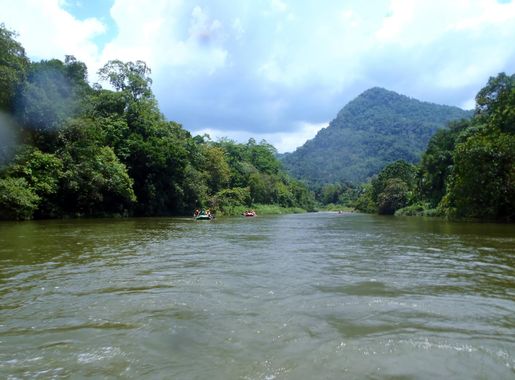
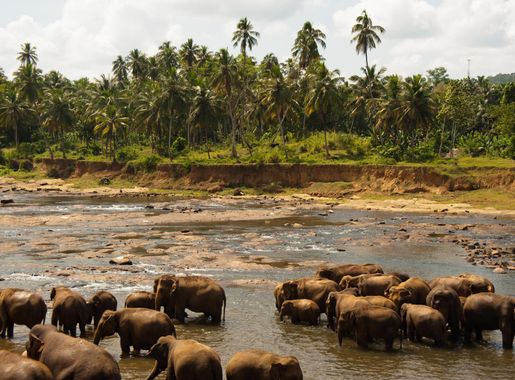


Enchanting Kegalle: The Heart of Sri Lanka's Nature and Culture
Nestled between the bustling cities of Colombo and Kandy, Kegalle District in Sri Lanka offers a serene escape into nature and culture. The district is renowned for its lush landscapes, rolling hills, and an abundance of wildlife, making it a haven for nature enthusiasts. One of the most famous attractions here is the Pinnawala Elephant Orphanage, where visitors can witness the gentle giants in a natural setting and even participate in feeding and bathing them. Kegalle is also home to a plethora of ancient temples and historical sites that reflect the rich cultural heritage of Sri Lanka. The Aluth Nuwara Devalaya and the Dedigama Kota Vehera are must-visit sites for those interested in history and architecture. These sacred places offer a glimpse into the island's Buddhist traditions and architectural marvels. For those seeking adventure, the district does not disappoint. The beautiful waterfalls such as Asupini Ella and the hiking trails in the surrounding hills provide ample opportunities for outdoor activities. The scenic beauty of Kegalle is best experienced through its numerous trekking paths and nature trails that lead to breathtaking viewpoints. In addition to its natural and cultural attractions, Kegalle is known for its warm and hospitable locals who are eager to share their traditions and stories with visitors. Whether you are a nature lover, a history buff, or simply looking to immerse yourself in local culture, Kegalle District offers a unique and memorable experience.