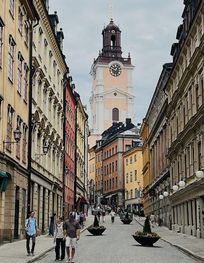
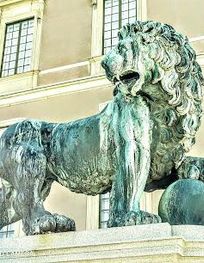
The Royal Palace, Gotaland Travel Guide
One of Europe’s largest working palaces — ceremonial rooms, crown jewels and medieval vaults at the heart of Stockholm’s old town.
Dominating the eastern edge of Gamla stan, The Royal Palace (Kungliga slottet) is the official residence of Sweden’s monarch and one of Europe’s largest palaces, containing over 600 rooms and several on-site museums including the Treasury and Livrustkammaren. Built largely in 18th‑century baroque style on the site of the medieval Tre Kronor castle, the palace blends ceremonial state rooms, working offices and museum displays for a layered experience of Swedish history and court life.
A brief summary to The Royal Palace
- Kungliga slottet, Stockholm, 107 70, SE
- Click to display
- Click to display
- Duration: 1 to 4 hours
- Mid ranged
-
 Mixed
Mixed
- Mobile reception: 5 out of 5
- Monday 10 am-5 pm
- Tuesday 10 am-5 pm
- Wednesday 10 am-5 pm
- Thursday 10 am-5 pm
- Friday 10 am-5 pm
- Saturday 10 am-5 pm
- Sunday 10 am-5 pm

Know before you go
Hi, I'm Eve. Here are a few practical things to know before exploring The Royal Palace.
- Allow at least 2 hours to see a mix of the State Apartments, the Treasury and Livrustkammaren; wear comfortable shoes for stone floors and long galleries.
- Check the palace’s official schedule for special closures and seasonal opening-hour changes before planning museum visits.
- Listen for formal sounds — trumpets or marching steps — around guard ceremonies; they’re best experienced from the outer courtyards where views are unobstructed.
Do you manage this location?
Take control to get all the benefits, like improved information, better appearance, and stronger visibility across AI-powered discovery. Learn more about listing your business on Evendo
Activate your presenceOther nearby places you may find interesting
The closest places of the same kind, if this one is not quite what you had in mind.

Explore The Royal Palace on the Map
A handpicked selection of must-see spots near The Royal Palace, mapped for you.
Unlock the Best of The Royal Palace
Buy tickets
-
No tickets available
Book tours with entry


Getting There
-
Metro + Walk
Take the Stockholm metro to Gamla stan station (Red Line); from the station allow a 6–12 minute walk across cobbled streets; note that central Gamla stan is pedestrianised with stone surfaces that can be uneven and busy during peak season; metro single fares in Stockholm typically range from 38–55 SEK depending on ticket type and time.
-
Tram / Bus
Use local tram or bus services that serve central Stockholm and disembark at a stop serving the waterfront or Gamla stan; expect a 10–20 minute onward walking approach from main stops because roads close to the palace are stepped and narrow; single public transport fares are typically 38–55 SEK and peak service frequency varies by route and time of day.
-
Guided walking tour
Join a guided walking tour of Gamla stan that includes the Royal Palace; typical tours last 1–2 hours and cost from about 200–600 SEK per person depending on whether entry tickets to palace museums are included; tours operate frequently in daytime but may be seasonal and prebooking is advised for guaranteed inclusion of interior visits.
For the on-the-go comforts that matter to you
-
 Restrooms
-
 Drink Options
-
 Food Options
-
 Seating Areas
-
 Information Boards
-
 Visitor Center
Discover more about The Royal Palace
Architectural presence and royal function
The Royal Palace stands as a monumental 18th‑century baroque ensemble designed by Nicodemus Tessin the Younger, assembled as a city‑facing palace with austere façades and ornate parade rooms inside. Constructed on the footprint of the medieval Tre Kronor castle that burned in 1697, the present palace was intended both as a residence for the monarch and as a centre for state ceremony, giving it a dual character: formal, processional rooms used for representation and more private, workaday wings for offices and administrative functions.Parade floors and ceremonial interiors
The palace’s grand state apartments — sometimes called the representation floors — contain richly decorated reception halls, throne rooms and saved ceremonial furniture that reflect successive eras of style from rococo through neoclassical and 19th‑century historicism. Heavy draperies, gilded mouldings, painted ceilings and carved woodwork set the scene for formal audiences and state events; many of these rooms retain furnishings or layouts that still accommodate official receptions when the royal household uses them.Museums and treasures beneath the roof
Beneath the palace’s public face lie several distinct museum experiences: the Treasury, housing crowns, regalia and historic royal liturgical and ceremonial objects; the Armory (Livrustkammaren), presenting royal clothing, parade armour, and theatrical costumes; and the Museum Tre Kronor with its surviving medieval vaults and remains of the original castle’s defensive wall. Each museum frames a different story — ceremonial power, material culture and the layered archaeology of Stockholm’s medieval fortress.Daily life, ceremony and the changing guard
Although the palace remains a working royal residence and administrative hub, visible ceremonial practices animate its exterior: the guard detachment and the scheduled changing of the guards provide a rhythmic, public expression of continuity and pageantry. These routines create moments when the courtyard and approaches feel like a stage where uniformed detachments, drums and banners punctuate the stone architecture.Textures, atmosphere and sensory details
Move from the bright winter light that washes the exterior façades into the palace’s interior and you encounter a different world: polished parquet, cold marble thresholds, and the faintly metallic smell that often clings to display cases in the Treasure. Acoustic changes are striking — the hollow echo of a high state hall versus the muted hush of gallery rooms — and seasonal light through tall windows alters how gilding and painted ornamentation resolve into colour and shadow.Significance and continuity
The Royal Palace functions as an institutional symbol of the monarchy and of Swedish state ceremony while also serving as a cultural repository accessible to the public through its museum spaces. Its complex of rooms, vaults and displays offers a concentrated view of centuries of royal material culture and civic history, where artifacts and architecture combine to communicate lineage, taste and statecraft across eras.












Your all‑in‑one travel companion app
Explore expert travel guides, compare and book tours, experiences, hotels, and more—all from the palm of your hand. Download now for seamless trip planning wherever your wanderlust takes you.


Explore More of Gotaland
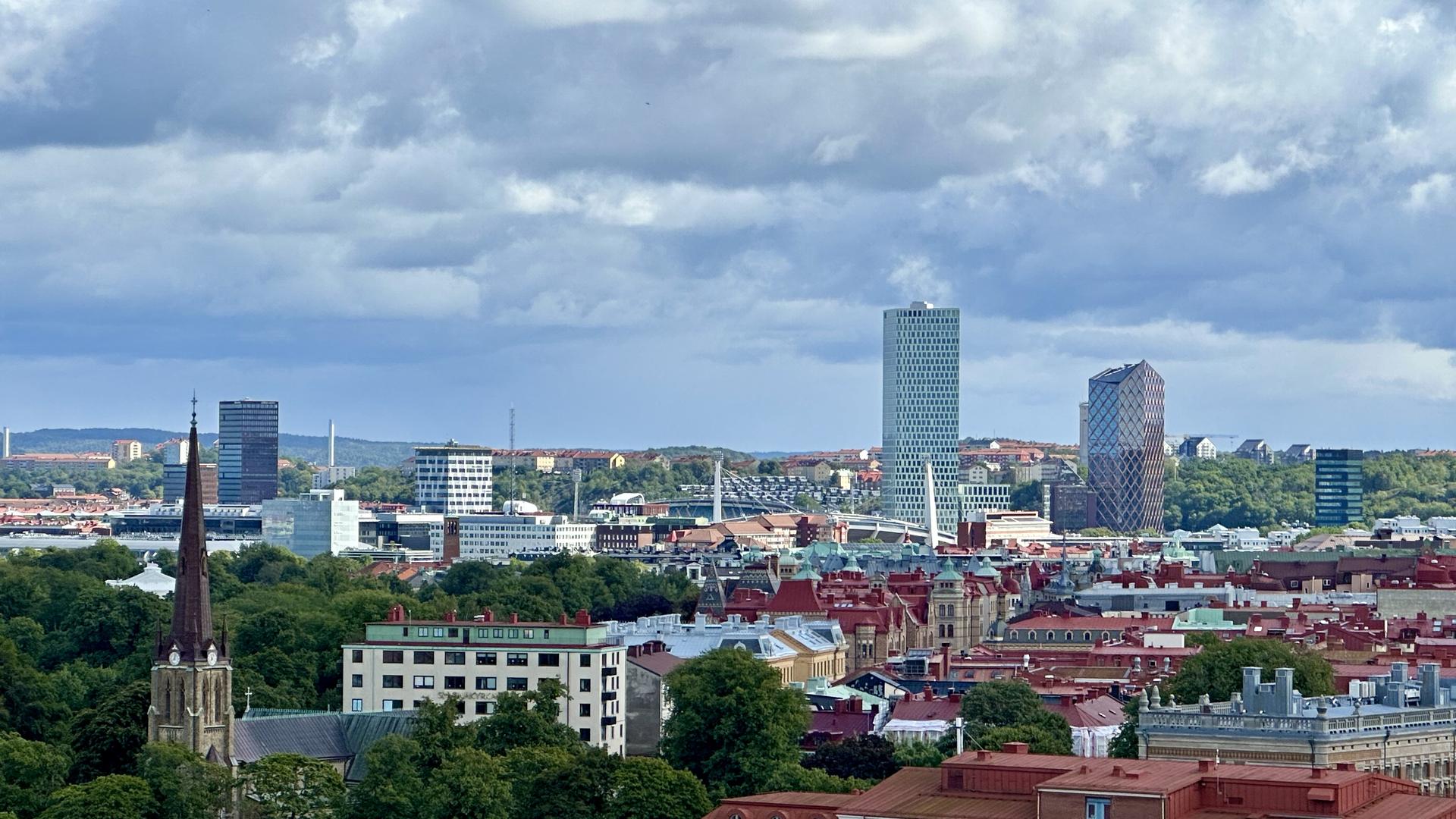
Looking beyond The Royal Palace? Discover Gotaland for broader travel guides, local hot-spots, and regional highlights.
Explore Gotaland