
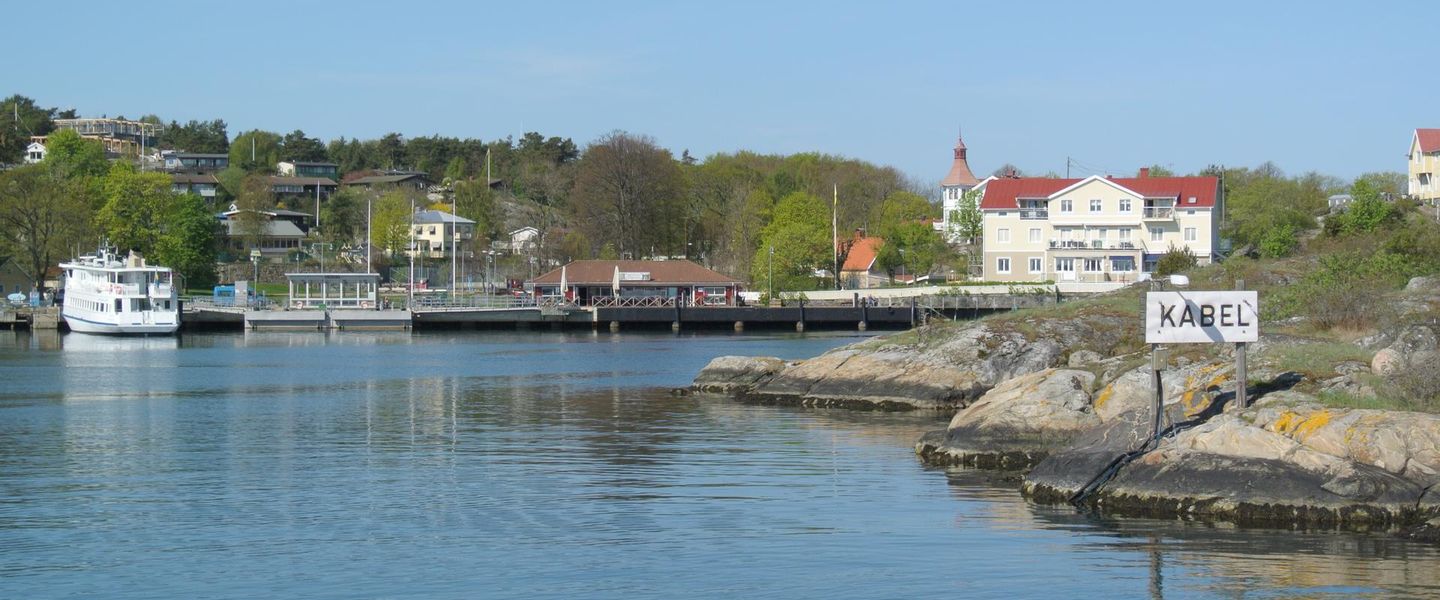
Gothenburg Archipelago, Sweden Travel Guide
Discover Sweden's coastal gem: The Gothenburg Archipelago, where pristine nature, charming villages, and rich history converge in a stunning maritime setting.
The Gothenburg Archipelago, located just off the coast of Sweden's second-largest city, is a haven for nature lovers and adventure seekers alike. This stunning collection of over 20 islands offers visitors an escape into serene landscapes, where rugged cliffs meet sandy beaches, and charming fishing villages dot the shorelines. Explore the islands by hopping on one of the many ferries that connect them. Each island has its own unique charm, from the bustling Styrsö with its historical sites and quaint cafes, to the tranquil Vrångö, which is perfect for hiking and bird watching. The archipelago is also a paradise for water activities such as kayaking, sailing, and fishing. History enthusiasts will enjoy the rich cultural heritage of the islands, with their ancient stone carvings and traditional Swedish architecture. The local cuisine is a treat, with fresh seafood being a highlight. Don’t miss trying the local fish dishes at one of the waterfront restaurants while enjoying the sunset over the North Sea.

Know before you go
Hi, I'm Eve. Here are a few practical things to know before exploring Gothenburg Archipelago.
- Check the ferry schedules in advance as they can vary, especially in off-peak seasons.
- Wear comfortable walking shoes; many islands are best explored on foot.
- Bring a picnic; some islands have limited dining options, but offer beautiful spots for a meal.
- Visit during the summer for the best weather and extended daylight hours.
- Don’t forget your camera; the archipelago offers countless photo opportunities.
Explore Gothenburg Archipelago: Things to Do, Places to Eat, Hotels & More
Handpicked recommendations for top attractions, local dining, accommodations, and more

Best attractions in Gothenburg Archipelago
Top-rated picks
Best Attractions
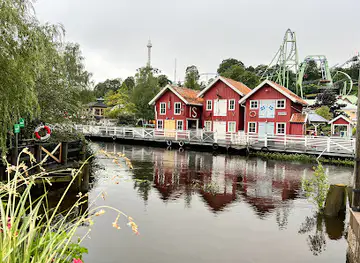
Liseberg
A dynamic century-old amusement park in Gothenburg where high thrills, family fun and seasonal festivals meet under lantern-lit avenues.

Slottsskogen
Gothenburg’s sprawling urban park — historic woodland, free zoo exhibits and wide lawns for play, nature and festivals year‑round.
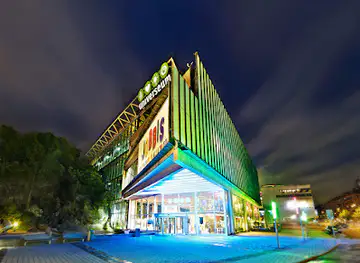
Universeum
Äventyr i natur, hav, rymd och vetenskap – hela världen i ett hus mitt i Göteborg för nyfikna själar.

Helix
A twisting, multi-launch steel coaster that threads through Liseberg for fast airtime, tight turns and dramatic near-miss thrills.

Best landmarks in Gothenburg Archipelago
Top-rated picks
Best Landmarks

Älvsborgsbron
A graceful mid-century suspension bridge that frames Gothenburg’s harbour and offers panoramic views of the Göta älv and port activity.
Nya Älvsborg Fortress
Impregnable 17th-century island fortress guarding Gothenburg's harbor: bastions, battles, and breathtaking sea views await on Kyrkogårdsholmen.

Oscar II Fort
Discover Sweden's preserved coastal bastion: tunnels, moats, and guns guarding Gothenburg's gateway, open select days for raw military history.

Rune Lighthouse
Historic beacon on Musskären's shores, where North Sea winds whisper tales of Göteborg's seafaring legacy amid stunning coastal panoramas.

Best restaurants in Gothenburg Archipelago
Top-rated picks
Best Restaurants

Heaven 23
A sky‑high Gothenburg classic: seasonal Nordic dishes, crafted cocktails and panoramic 23rd‑floor views.

2112
A rock‑leaning, late‑night burger bar in Gothenburg serving hearty patties, crisp sides and a wide beer selection in a compact, music‑driven space.

Sjömagasinet Sverige
Historic harbor warehouse turned seafood haven: fresh West Coast catches, classical finesse, and sweeping inlet views in Gothenburg's culinary crown jewel.

Långedrag Värdshus
Harbour-front seafood restaurant and event venue with panoramic archipelago views and a large waterside banquet hall.

Best bars in Gothenburg Archipelago
Top-rated picks
Best Bars

Steampunk Bar
Steg in i Nordens första steampunk-värld: rykande gin-cocktails, mekaniska underverk och industrialiserad charm i Göteborgs centrum.

Port Arthur
A cosy Lindholmen pub with maritime character, hearty classics and a broad beer list—perfect for relaxed meals or lively weekend evenings.

Rockbaren
Gothenburg's ultimate rock haven: live bands, hearty eats, and late-night vibes on Kristinelundsgatan.

Henriksberg
Gothenburg's hillside haven: rooftop views, burgers, beats, and harbor vibes from sunset to late-night club energy.

Best nightclubs in Gothenburg Archipelago
Top-rated picks
Best Nightclubs

Yaki-Da Restaurang & Nattklubb
Gothenburg's legendary public house: late-night bistro bites, live bands, and world-class clubbing on vibrant Storgatan.

Park Lane
Göteborg's electrifying krogshow and nightclub fusion: dinner theater magic morphs into pulsating dance floors on vibrant Avenyn.

Melody Club
Private karaoke studios with pro sound, costumes and cocktails — a theatrical dinner‑club for groups and celebrations in central Gothenburg.

Gretas
Sweden's oldest gay nightclub pulses with inclusive energy across two dance floors and three bars, blending retro disco downstairs with house upstairs—open weekends till 5am.

Best shops in Gothenburg Archipelago
Top-rated picks
Best Shops

Swedish Souvenir Haga
Authentic Swedish handicrafts and folk art treasures from local artists, tucked into Gothenburg's historic Haga Nygata street.

Flying Tiger Copenhagen
Dive into a whirlwind of colorful, affordable Danish designs where quirky toys, gadgets, and home finds spark joy on every shelf in Gothenburg's lively heart.

SOUVENIR GOTHENBURG
Central, reliable souvenir shop on Lilla Kungsgatan offering classic Swedish keepsakes, seasonal gift sets and practical amenities for visitors.

Kawaii.se (Gothenburg)
A compact, color‑filled boutique on Haga Nygata specialising in kawaii stationery, plush and gifts — perfect for small, joyful souvenirs.

Explore Gothenburg Archipelago on the Map
A handpicked selection of must-see spots in Gothenburg Archipelago, mapped for you.
Gothenburg Archipelago Essentials
-
The Gothenburg Archipelago is accessible from Gothenburg city. The nearest international airport is Gothenburg Landvetter Airport (GOT), approximately 25 kilometers from the city center. From the airport, you can take a bus, taxi, or shuttle service to Gothenburg. Once in Gothenburg, several ferries operate from Saltholmen ferry terminal to various islands in the archipelago. Public transportation, including trams and buses, can take you to the Saltholmen terminal from different parts of the city.
-
Within the Gothenburg Archipelago, transportation is primarily by ferry, bicycle, or foot. The ferries are operated by Västtrafik and connect most of the inhabited islands. Bicycles can be rented on some islands, providing a convenient way to explore. Cars are generally not allowed on the southern islands, enhancing the tranquil atmosphere. On the northern islands where cars are allowed, renting a car or using local taxis is an option. Some islands also have local buses.
-
The official currency in Sweden is the Swedish Krona (SEK). Credit and debit cards are widely accepted throughout the Gothenburg Archipelago, including in restaurants, shops, and for transportation. However, it is advisable to carry some cash for small purchases or in places where card payments might not be available. ATMs are available on some of the larger islands, but it is recommended to withdraw cash while in Gothenburg city.
-
The Gothenburg Archipelago is generally a safe destination for tourists. Crime rates are low, but it's always wise to take standard precautions. Keep an eye on your belongings, especially in crowded areas and on public transportation. There are no specific high-crime areas targeting tourists in the archipelago. Always follow local regulations and guidelines to ensure a safe and enjoyable visit.
-
In case of emergency, dial 112 for immediate assistance. This number connects you to police, fire, and medical services. Some islands have local medical clinics, while more serious medical emergencies may require transportation to Gothenburg. It is advisable to have travel insurance that covers medical emergencies. Pharmacies are available in Gothenburg and on some of the larger islands for minor health issues.
-
Fashion: Do dress in layers and bring a waterproof jacket, as the weather can be unpredictable. Don't wear high heels or impractical shoes, as many paths are uneven. Religion: Do respect the local customs and any religious practices you may encounter. Public Transport: Do be punctual for ferry departures and respect the queue. Don't eat or drink on public transport. Greetings: Do greet locals with a friendly 'Hej' (Hi) or 'God dag' (Good day). Eating & Drinking: Do try local seafood and traditional dishes. Don't leave a large tip, as service charges are usually included.
-
To experience the Gothenburg Archipelago like a local, visit during the off-peak seasons of late spring or early autumn. Engage with the locals, who are often friendly and willing to share stories about their islands. Explore the less touristy islands to find hidden gems and enjoy quieter beaches. Participate in local events and festivals to immerse yourself in the island culture. Don’t miss out on trying the fresh seafood, especially the shrimp and herring, which are local specialties.
When is the best time to visit Gothenburg Archipelago?
Useful Local Phrases for Gothenburg Archipelago
You don't need to speak the language perfectly. Even learning a few simple words can make conversations warmer—and locals usually appreciate the effort.
— Eve

Here are the phrases I use most often in Gothenburg Archipelago. Try a few—you'll be surprised how far they go! 😊
❤️
-
- HelloHej
[hey] - GoodbyeAdjö
[ad-yo] - YesJa
[yah] - NoNej
[nay] - Please/You're welcomeVarsågod
[var-saw-good] - Thank youTack
[tahck] - Excuse me/SorryUrsäkta mig/Förlåt
[oor-sak-ta me/fur-lot] - How are you?Hur mår du?
[hoor mor doo] - Fine. And you?Bra. Och du?
[bra. ock doo] - Do you speak English?Pratar du engelska?
[pra-tar doo eng-els-ka] - I don't understandJag förstår inte
[yag fur-stor in-te]
- HelloHej
-
- I'd like to see the menu, pleaseJag skulle vilja se menyn, tack
[yag shool-la vil-ya say meny, tahck] - I don't eat meatJag äter inte kött
[yag a-ter in-te shoot] - Cheers!Skål!
[skawl] - I would like to pay, pleaseJag skulle vilja betala, tack
[yag shool-la vil-ya be-ta-la, tahck]
- I'd like to see the menu, pleaseJag skulle vilja se menyn, tack
-
- Help!Hjälp!
[yelp] - Go away!Gå iväg!
[go ee-vayg] - Call the Police!Ring polisen!
[ring po-lee-sen] - Call a doctor!Ring en läkare!
[ring en ler-ka-re] - I'm lostJag är vilse
[yag air vill-se] - I'm illJag är sjuk
[yag air shoook]
- Help!Hjälp!
-
- I'd like to buy...Jag skulle vilja köpa...
[yag shool-la vil-ya choppa] - I'm just lookingJag tittar bara
[yag tee-tar ba-ra] - How much is it?Vad kostar det?
[vad koss-tar deht] - That's too expensiveDet är för dyrt
[deht air fur deert] - Can you lower the price?Kan du sänka priset?
[kan doo sang-ka prees-et]
- I'd like to buy...Jag skulle vilja köpa...
-
- What time is it?Vad är klockan?
[vad air klok-an] - It's one o'clockKlockan är ett
[klok-an air ayt] - Half past (10)Halv tio
[halv tee-o] - MorningMorgon
[mor-gon] - AfternoonEftermiddag
[ef-ter-mee-dag] - EveningKväll
[kvel] - YesterdayIgår
[ee-gor] - TodayIdag
[ee-dag] - TomorrowImorgon
[ee-mor-gon] - 1Ett
[ayt] - 2Två
[tvo] - 3Tre
[treh] - 4Fyra
[fy-rah] - 5Fem
[fem] - 6Sex
[seks] - 7Sju
[shoo] - 8Åtta
[ot-ta] - 9Nio
[nee-o] - 10Tio
[tee-o]
- What time is it?Vad är klockan?
-
- Where's a/the...?Var finns en/the...?
[var fins ayn/the] - What's the address?Vad är adressen?
[vad air a-driss-en] - Can you show me (on the map)?Kan du visa mig (på kartan)?
[kan doo vee-sa mey (po kart-an)] - When's the next (bus)?När går nästa (buss)?
[nayr gor nes-ta (boos)] - A ticket (to ....)En biljett (till ....)
[en beel-yet (teel)]
- Where's a/the...?Var finns en/the...?
History of Gothenburg Archipelago
-
The Gothenburg Archipelago was inhabited during the Viking Age, around the 9th to 11th centuries. Evidence of these early settlers can be found in the form of ancient runestones and burial mounds scattered across the islands. The strategic location of the archipelago made it a vital area for maritime navigation and trade routes during this period.
-
By the medieval period, the archipelago had developed into a series of thriving fishing villages. The residents relied heavily on herring fishing, which became the backbone of their economy. Remnants of these early fishing communities can still be seen today, with traditional wooden houses and fishing huts preserved in villages like Vrångö and Styrsö.
-
During the 17th and 18th centuries, the Gothenburg Archipelago played a crucial role in Sweden's military defense strategy. The islands' strategic location along the Kattegat sea route made them essential for protecting the western coast of Sweden. Fortifications and military structures, such as the Carlsten Fortress on Marstrand Island, were established to defend against potential naval threats.
-
In the 18th century, the archipelago experienced a significant economic boost during the herring boom. The abundant herring stocks attracted fishermen from across Europe, leading to a population increase and the establishment of new industries, including fish processing and export businesses. This period of prosperity left an indelible mark on the cultural and economic landscape of the islands.
-
Maritime traditions have been a cornerstone of life in the Gothenburg Archipelago for centuries. Traditional boatbuilding techniques and seafaring skills were passed down through generations. Today, these traditions are celebrated through various festivals, such as the annual Styrsö Boat Day, where locals showcase their historical vessels and maritime heritage.
-
In the late 19th and early 20th centuries, the Gothenburg Archipelago began to attract tourists seeking natural beauty and tranquility. The advent of steamships and improved transportation made the islands more accessible, leading to the development of guesthouses and resorts. This shift marked the beginning of the archipelago's transformation into a popular tourist destination.
-
In recent decades, there has been a strong focus on preserving the natural environment and unique biodiversity of the Gothenburg Archipelago. Conservation efforts have been implemented to protect the delicate ecosystems of the islands, including marine reserves and protected areas. These initiatives aim to balance tourism with sustainable practices, ensuring the archipelago remains a pristine destination for future generations.
Cities in Gothenburg Archipelago
Browse our curated selection of top destinations, scenic points, and must-visit spots in the area.

Neighbouring destination travel guides
Browse our curated selection of top destinations, scenic points, and must-visit spots in the area.


Your all‑in‑one travel companion app
Explore expert travel guides, compare and book tours, experiences, hotels, and more—all from the palm of your hand. Download now for seamless trip planning wherever your wanderlust takes you.


Explore More of Bohuslän
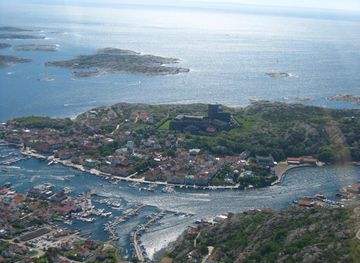
Looking beyond Gothenburg Archipelago? Discover Bohuslän for broader travel guides, local hot-spots, and regional highlights.
Explore BohuslänExplore More of Sweden
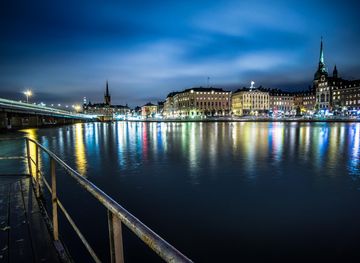
Looking beyond Gothenburg Archipelago? Discover Sweden for broader travel guides, local hot-spots, and regional highlights.
Explore SwedenGothenburg Archipelago in Photos
Browse through our photo collection highlighting the charm and character of the destination.


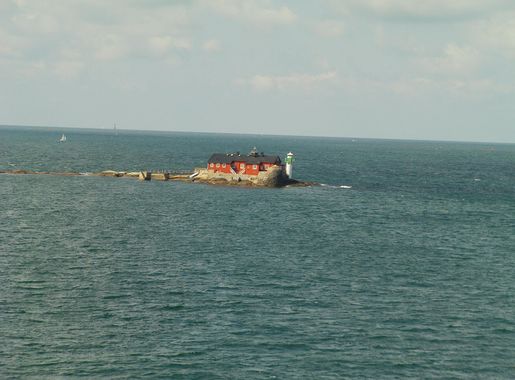


The Enchanting Gothenburg Archipelago
The Gothenburg Archipelago, located just off the coast of Sweden's second-largest city, is a haven for nature lovers and adventure seekers alike. This stunning collection of over 20 islands offers visitors an escape into serene landscapes, where rugged cliffs meet sandy beaches, and charming fishing villages dot the shorelines. Explore the islands by hopping on one of the many ferries that connect them. Each island has its own unique charm, from the bustling Styrsö with its historical sites and quaint cafes, to the tranquil Vrångö, which is perfect for hiking and bird watching. The archipelago is also a paradise for water activities such as kayaking, sailing, and fishing. History enthusiasts will enjoy the rich cultural heritage of the islands, with their ancient stone carvings and traditional Swedish architecture. The local cuisine is a treat, with fresh seafood being a highlight. Don’t miss trying the local fish dishes at one of the waterfront restaurants while enjoying the sunset over the North Sea.