

Læsø Travel Guide - Free Web & App
Your ultimate guide to Læsø. Discover top landmarks, proposed trips, and local tips. Free on the web or via the Evendo companion app.


Læsø, Denmark offers Kattegat beaches, saltworks, seaweed-roofed farms, quiet villages, cycling, nature walks and distinctive island heritage.
An Island Shaped by Sea and Salt
Læsø lies in the Kattegat between northern Jutland and Sweden, a low-lying Danish island of shifting dunes, heath, woodland, salt marshes and broad beaches. Its settlements are modest and widely spaced: Byrum forms the inland centre, while Vesterø Havn and Østerby Havn are working harbour communities on opposite sides of the island. The surrounding waters, shallow coastlines and open horizons give Læsø a distinct sense of distance from mainland Denmark.Read more about Læsø
Nature and Coastal Landscapes
A Strong Island Identity
When is the best time to visit Læsø?
Best: June–August · 18–21°C| Month | High (°C) | Rainfall (mm) |
|---|---|---|
| January | 3 | 31 |
| February | 2 | 27 |
| March | 5 | 25 |
| April | 8 | 31 |
| May | 13 | 35 |
| June (best) | 18 | 39 |
| July (best) | 21 | 41 |
| August (best) | 21 | 39 |
| September | 17 | 36 |
| October | 13 | 35 |
| November | 9 | 31 |
| December | 5 | 33 |
Getting to and around Læsø
How to get there
Transportation
Best attractions in Læsø
Læsø’s attractions range from working heritage to open coastal nature. Læsø Saltsyderi near Byrum demonstrates traditional salt making and is one of the island’s most distinctive cultural experiences. The Læsø Museum and local historic buildings introduce domestic life, farming and maritime traditions, while the old churches and seaweed-roofed farms reveal the character of the island’s rural architecture. Around the southern coast, Rønnerne forms a broad landscape of salt meadows, shallow waters and bird habitat, best appreciated on foot or by bicycle where access permits. Danzigmann and the northern shoreline offer dunes, sand and a more exposed coastal atmosphere, while Læsø Klitplantage provides woodland routes in a landscape shaped partly by later planting. Vesterø Havn and Østerby Havn remain active visitor bases, with boats, working harbour scenery and access to beaches and coastal excursions. Byrum’s central position makes it a practical point for combining museums, local services and island-wide exploration.
-
Læsø Saltsyderi
Living saltworks on remote Læsø where smoke, steam and medieval craft turn briny groundwater into Denmark’s most distinctive sea salt.
-
Farm household tour
Storhavens Gårdbutik
Cosy Læsø farm shop and visitor yard where homemade ice cream, woollen treasures and friendly animals turn a simple stop into a relaxed island experience.
-
Danish
Læsø Marina Park
Relaxed island holiday park just behind Østerby Havn’s marina, blending simple cabins, harbour life and easy access to Læsø’s beaches and coastal landscapes.
-
 Hotel
HotelHotel Havnebakken
Laid-back harbour hill hotel on Læsø with sea views, local seafood dining and easy access to Vesterø Havn’s beach, marina and bike-friendly island landscapes.
Best landmarks in Læsø
The most recognisable landmarks of Læsø are closely tied to its landscape and working history. The saltworks at Læsø Saltsyderi represent the industry that once shaped the island’s economy and woodland resources, while the old seaweed-roofed farms preserve an architectural response to scarce timber and abundant coastal materials. Rønnerne is a defining natural landmark: a low, open expanse of salt meadows and shallow coastal terrain on the southern side of the island. Danzigmann marks a more exposed northern coastal landscape of dunes and sand, and Læsø Klitplantage reflects later efforts to establish woodland on an island where deforestation had long altered the environment. The churches at Byrum, Vesterø and Østerby, together with the harbours at Vesterø Havn and Østerby Havn, connect the island’s rural, religious and maritime histories.
-
Tourist attraction
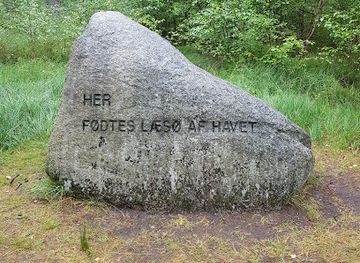
Læsø stenen
A modest boulder in a quiet forest clearing marking the ancient seabed where Læsø first rose from the sea, telling the island’s deep geological tale.
-
Nature preserve
Hornfiskrøn
Denmark's wild tidal islet: pristine marshes, migratory birds, and timeless coastal solitude.
Explore Læsø on the map
Plan your trip on one map. See where the top attractions, landmarks, restaurants and hotels are, and book hotels and experiences in a few clicks.
Best hotels in Læsø
Best restaurants in Læsø
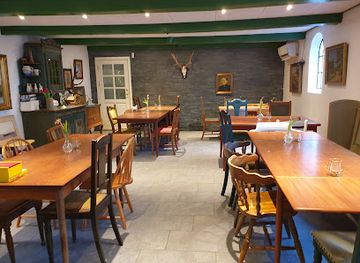
Læsø’s food culture reflects its island setting, with seafood, local produce and traditional Danish cooking found in cafés, inns, restaurants and seasonal food businesses concentrated mainly in Byrum, Vesterø Havn and Østerby Havn. Salt is an especially meaningful local product because the island’s historic salt industry remains part of its identity, while farm produce and regional specialities connect dining with Læsø’s agricultural landscape. Harbour areas are the natural places to look for fish and maritime influences, although menus and opening patterns vary through the year. Farm shops and small producers may offer opportunities to buy island-made food for picnics or self-catering, but visitors heading to remote beaches or nature areas should not expect nearby catering. Denmark’s familiar open sandwiches, baked goods and coffee culture also fit naturally into a day of cycling or coastal sightseeing.
-
Danish
Læsø Marina Park
Waterfront Danish dining and accommodation where marina views meet island hospitality in Læsø's vibrant harbor.
-
Restaurant
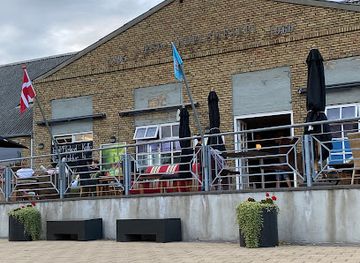
Læsø Antik & Retro
Island café, antique shop, and activity hub serving local Galloway beef burgers and fresh fish on Læsø.
-
Bistro
Læsøfærgens Bistro
Relaxed ferry‑terminal bistro at Vesterø Havn, serving classic Danish comfort food, breakfast to hot dishes, with long hours and views over Læsø’s busy harbor.
-
Hotel
Hotel Havnebakken
Small seaside hotel on a low hill above Vesterø Havn, pairing bright Nordic rooms and local seafood dining with big harbour views and easy access to Læsø’s beaches.
Best bars in Læsø
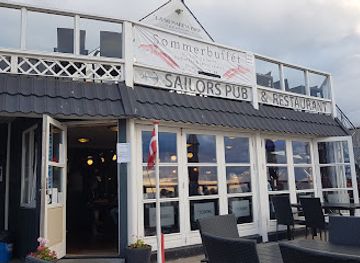
Læsø is not a late-night destination and has no concentrated club scene comparable with Denmark’s larger towns. Evening life is more likely to centre on traditional pubs, restaurants and informal hospitality in Byrum or the two harbour settlements, where the atmosphere follows the rhythms of a small island and the seasonal visitor population. Vesterø Havn and Østerby Havn can provide a maritime setting for a quiet drink or meal, while cultural events may add occasional evening interest depending on the calendar. Outside the villages, darkness, open landscapes and the sound of the sea are part of the experience rather than a backdrop to nightlife. Visitors should check current local arrangements rather than assume that every venue operates throughout the year, particularly outside the main holiday period.
-
Bar
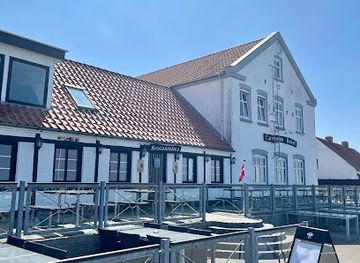
Carlsens Hotel
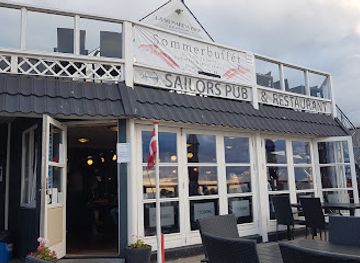
Harbor-front bar, restaurant and simple seaside hotel on Læsø, pairing old-school Danish pub charm with wide views over Vesterø Havn and the Kattegat.
-
Bar
Læsø Mejeri
Unpretentious island creamery and bar in Byrum, where Læsø’s local milk, cheeses and everyday life come together in a relaxed, village setting.
-
Stand bar
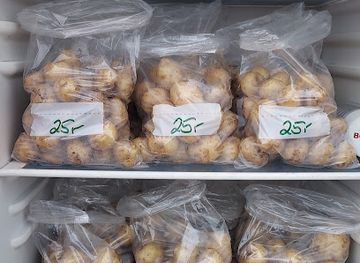
Bergs Kartofler
Tiny harborfront stand bar on Læsø’s Vesterø Havn, serving simple drinks, sea views and a slice of everyday island harbor life in an easygoing setting.
Best shops in Læsø
Shopping on Læsø is small-scale and locally focused rather than built around a large retail centre. Byrum offers the broadest concentration of everyday services, while Vesterø Havn and Østerby Havn have visitor-oriented businesses associated with harbour life and seasonal tourism. Local salt is the most characteristic purchase, and visitors may also find island food products, crafts, artwork, textiles and items inspired by the seaweed-roofed building tradition through local producers and independent businesses. Farm shops and food outlets can provide regional produce for self-catering, although opening patterns and availability vary. The island’s modest shops are best approached as part of its rural economy: products often reflect salt making, farming, seafaring and the surrounding coastal landscape rather than mass-produced souvenirs. Larger general shopping requirements are better dealt with on the mainland before crossing.
-
Supermarket
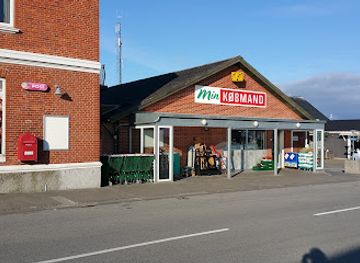
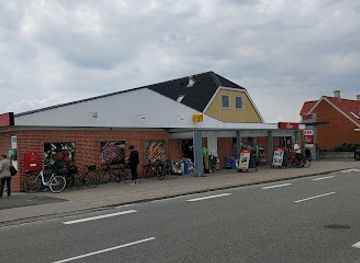
Min Købmand Læsø
Østerby Havn’s reliable all-year supermarket, keeping island visitors and locals stocked with groceries, fresh bake-off bread and everyday essentials by the harbour.
-
Supermarket
Dagli'Brugsen
Harbour-front supermarket on Læsø, combining fresh bread, groceries, fuel and island essentials just steps from the ferry, marina and broad sandy beach.
-
Knit shop
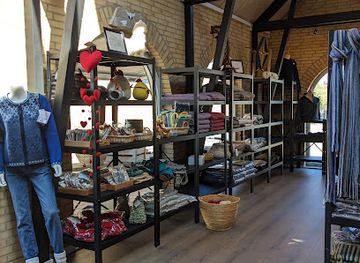
Læsø Uldstue ApS
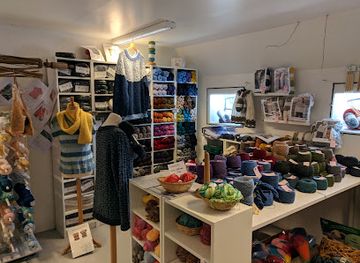
Cosy island wool house in Byrum, where traditional Læsø knitwear, soft home textiles and local delicacies meet under one warmly lit, wool-scented roof.
-
Gift shop
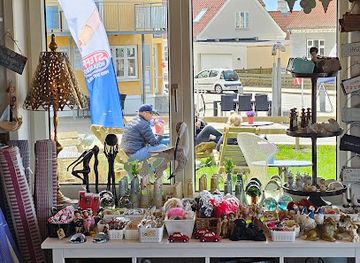
Mormor's Kræmmerhus
Nostalgic ice-cream cafe and cosy gift shop perched above Vesterø Havn, serving classic Danish summer treats with harbour views on tranquil Læsø.
Get your free copy of our complete guide to Læsø, delivered straight to you.
Everything on this page, from attractions and restaurants to essentials and local phrases, in one PDF you can read offline, print or share.
Already have an account? Sign in
Your Læsø guide is ready.
We'll send it to · Not you? Sign out

Getting your guide ready…
We are putting together a fresh copy of the Læsø guide. This can take up to a minute.
This can take a few moments. If your browser asks, choose Allow so the download can start. You'll find the guide in your Downloads folder.
Nothing happened? Download it again
Sorry, the guide is taking longer than usual. Please try again in a minute, or get it by email instead.
Læsø essentials
Currency and Payment
Safety
Emergency Situations
Do's and Don'ts
Local Tips
From Eve
Local phrases worth knowing
You don't need to get them perfect. A few words go a long way, and locals appreciate the effort.
Basics
| English | Local | Say it |
|---|---|---|
| Hello | Hej | [hey] |
| Goodbye | Farvel | [far-vel] |
| Yes | Ja | [ya] |
| No | Nej | [ney] |
| Please/You're welcome | Vær så god | [ver so god] |
| Thank you | Tak | [tak] |
| Excuse me/Sorry | Undskyld | [oon-skuld] |
| How are you? | Hvordan har du det? | [vor-dan har doo deh] |
| Fine. And you? | Godt. Og dig? | [goht. oh dey] |
| Do you speak English? | Taler du engelsk? | [tah-ler doo en-gelsk] |
| I don't understand | Jeg forstår ikke | [yay for-stor ee-keh] |
Eating & Drinking
| English | Local | Say it |
|---|---|---|
| I'd like to see the menu, please | Jeg vil gerne se menuen, tak | [yay veal geer-ne se menu-en tahk] |
| I don't eat meat | Jeg spiser ikke kød | [yay spee-ser ee-keh kuhd] |
| Cheers! | Skål! | [skohl] |
| I would like to pay, please | Jeg vil gerne betale, tak | [yay veal geer-ne beh-tah-leh tahk] |
Emergencies
| English | Local | Say it |
|---|---|---|
| Help! | Hjælp! | [yelp] |
| Go away! | Gå væk! | [go vek] |
| Call the Police! | Ring til politiet! | [ring teel po-lee-tee-eh] |
| Call a doctor! | Ring efter en læge! | [ring ef-ter en lay-eh] |
| I'm lost | Jeg er tabt | [yay air tahbt] |
| I'm ill | Jeg er syg | [yay air sook] |
Shopping
| English | Local | Say it |
|---|---|---|
| I'd like to buy... | Jeg vil gerne købe... | [yay veal geer-ne kuh-beh] |
| I'm just looking | Jeg kigger bare | [yay kee-ger bah-reh] |
| How much is it? | Hvor meget koster det? | [vor meh-yet koh-ster deh] |
| That's too expensive | Det er for dyrt | [deh air for deert] |
| Can you lower the price? | Kan du sænke prisen? | [kan doo sen-keh pree-sen] |
Time & Numbers
| English | Local | Say it |
|---|---|---|
| What time is it? | Hvad er klokken? | [vad air kloh-ken] |
| It's one o'clock | Klokken er et | [kloh-ken air eht] |
| Half past (10) | Halv ti | [halv tee] |
| Morning | Morgen | [mor-gen] |
| Afternoon | Eftermiddag | [ef-ter-mee-dag] |
| Evening | Aften | [af-ten] |
| Yesterday | I går | [ee gaw] |
| Today | I dag | [ee day] |
| Tomorrow | I morgen | [ee mor-gen] |
| 1 | En | [en] |
| 2 | To | [toh] |
| 3 | Tre | [treh] |
| 4 | Fire | [fee-reh] |
| 5 | Fem | [fem] |
| 6 | Seks | [seks] |
| 7 | Syv | [suv] |
| 8 | Otto | [oh-toh] |
| 9 | Ni | [nee] |
| 10 | Ti | [tee] |
Transport & Directions
| English | Local | Say it |
|---|---|---|
| Where's a/the...? | Hvor er en/the...? | [vor air en/the] |
| What's the address? | Hvad er adressen? | [vad air ad-rehs-sen] |
| Can you show me (on the map)? | Kan du vise mig (på kortet)? | [kan doo vee-seh meeh (poh kor-teh)] |
| When's the next (bus)? | Hvornår er næste (bus)? | [vor-nor air nay-steh (boos)] |
| A ticket (to ....) | En billet (til ....) | [en bee-let (teel)] |
History of Læsø
An Island Built by the Kattegat
Læsø’s physical character developed through long-term coastal processes in the shallow Kattegat. Sand movement, changing shorelines and the interaction of sea, wind and low-lying land created dunes, salt meadows and offshore shoals that continue to shape the island. These conditions influenced where people settled, how they travelled and which areas could be farmed. The island’s fragmented coastline and exposed position also made maritime knowledge essential to local life, while its distance from the mainland encouraged a strong, self-reliant community identity.
Medieval Settlement and Salt Making
Læsø was settled and farmed during the medieval period, and salt became one of its most important resources. Seawater was concentrated in brine and boiled in salt works, using large quantities of wood as fuel. The industry brought economic importance but placed intense pressure on the island’s woodland. Medieval religious institutions and the Danish Crown held interests on Læsø, and the island’s churches and surviving farm landscapes reflect the development of an organised rural society shaped by both agriculture and maritime activity.
Deforestation and Landscape Change
The expansion of salt production, together with household fuel use and farming, contributed to the depletion of Læsø’s woodland over several centuries. As tree cover declined, wind erosion and drifting sand became increasingly significant environmental problems. The altered landscape affected agriculture and settlement, demonstrating how closely the island’s economy was connected to its natural resources. Later woodland planting helped stabilise parts of Læsø and created the forest landscapes that visitors now encounter in areas such as Læsø Klitplantage.
Seaweed Roofs and Island Architecture
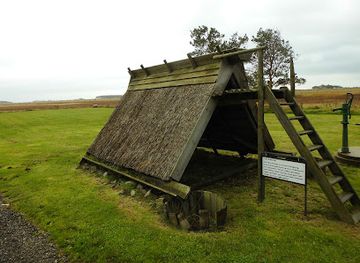
With timber scarce and coastal materials readily available, some Læsø farmers developed the distinctive practice of roofing houses with layers of eelgrass, commonly called seaweed. These thick roofs suited the island’s conditions and became a characteristic feature of traditional farm architecture. The technique declined as materials and building practices changed, but surviving historic farms preserve an important record of Læsø’s resourcefulness. Their design also reflects the close relationship between local building culture, the surrounding sea and the island’s limited supply of woodland.
From Working Island to Heritage Destination
Læsø’s economy continued to combine farming, fishing, seafaring and small-scale trade, with Vesterø Havn and Østerby Havn developing as important harbour communities. In the modern period, improved ferry connections and interest in coastal recreation broadened the island’s visitor economy. Historic buildings, salt making and traditional landscapes became central to cultural conservation, while wetlands, dunes and shorelines gained importance for nature management. Present-day Læsø therefore brings together a working island heritage with tourism based on beaches, cycling, walking, local food and a carefully maintained sense of place.
Læsø in Photos
Browse through our photo collection highlighting the charm and character of the destination.
Neighbouring destination travel guides
The closest destinations to Læsø, if you have time for more than one.
-

-

-

-

-


Swipe for more destinations
Explore more
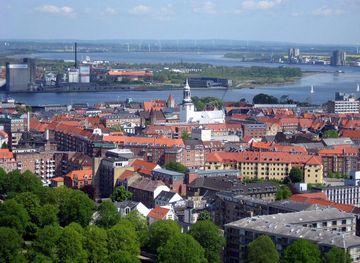
Explore more of North Jutland
Explore North Jutland for Skagen’s sea meeting, Aalborg’s culture, Limfjord islands, windswept beaches and distinctive Danish coastal heritage.
Explore North Jutland
Explore more of Denmark
Discover Denmark: A perfect blend of history, modern design, and the cozy concept of hygge. Explore vibrant cities, serene landscapes, and world-class cuisine.
Explore Denmark