Fröjel Kastal Travel Guide
Free Guide: A compact medieval kastal on western Gotland — low, solid stone set in windswept coastal heath, where defence and burial meet the sea.


A brief summary of Fröjel Kastal
A compact medieval kastal on western Gotland — low, solid stone set in windswept coastal heath, where defence and burial meet the sea.
Fröjel Kastal is the low, stout medieval defensive tower and burial chapel near Klintehamn on western Gotland, set in a windswept coastal landscape of rock and heath. Dating from the Middle Ages, the stone structure reads as both fortress and small sacred building: thick walls, narrow openings and an intimate interior that once held tombs and ritual activity. Its compact presence and coastal setting make it a calm, atmospheric stop for history-minded walkers and quiet photographers.
On-site amenities
 Seating areas
 Information boards
 Trash bins
Opening hours
- Every dayOpen 24 hours
Opening hours as listed on the venue’s Google Business Profile. Hours can change for services and special events, so check with the venue before you go.
- Address
- 623 55 Klintehamn
- Website
Getting there
By car
Bus and walk
Bicycle
Discover more about Fröjel Kastal
A compact sentinel of Gotland
Fröjel Kastal stands as a compact stone sentinel just inland from the coast near Klintehamn. Built in the medieval period, the structure combines defensive and funerary functions: its thick masonry, small apertures and squat silhouette are the visible traces of an age when sea-borne threats and local power shaped small fortified chapels and kastals across Gotland. The building sits low to the ground and reads as a deliberate, purposeful work of stone rather than as an ornate church.
Architectural character and materials
The kastal’s massing is simple and severe — thick limestone walls, a modest doorway and slit windows that admit narrow shafts of light into its interior. Weathering and centuries of sea air have softened the stone’s surface, giving it a silvered patina against which occasional patches of lichen and moss stand out. Internally the space is intimate: the feeling is of close, cool stone and echoing quiet rather than vast ecclesiastical lofty heights. Any surviving masonry details are functional rather than decorative, emphasizing solidity and endurance.
Landscape and setting
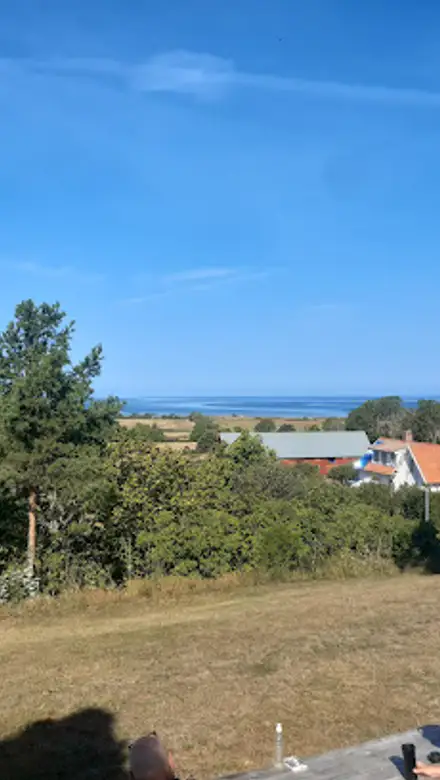
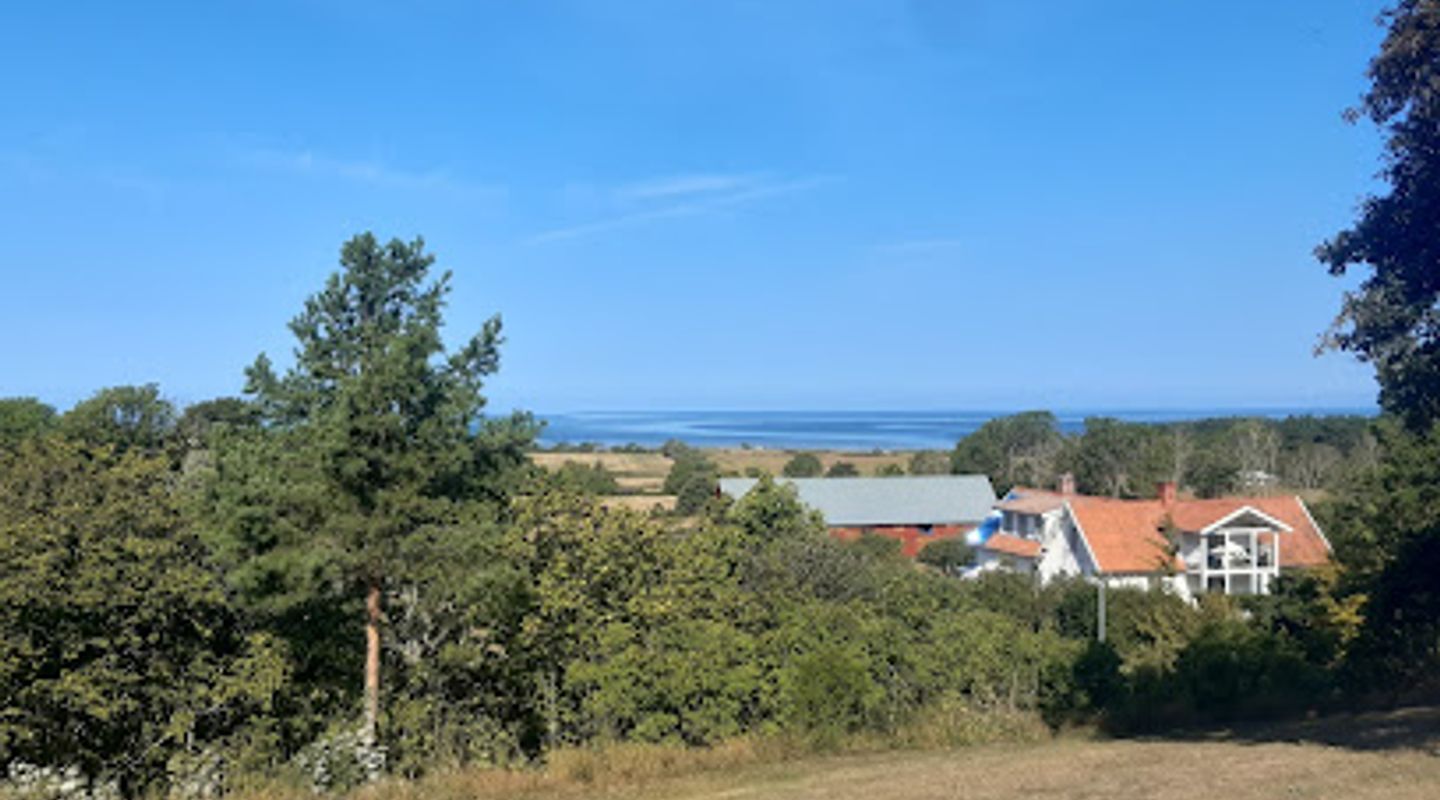
Fröjel Kastal is set in a coastal patchwork of low scrub, exposed bedrock and grassland that rolls toward the Baltic shore. The immediate ground is uneven and marked by the island’s glacial geology; on clear days the sea and distant shoreline frame the kastal and make the building read as part of a wider island seascape. The absence of tall trees close to the structure leaves it exposed to wind and light, so the mood shifts rapidly: a bright, tactile clarity in sunlight and a quieter, more austere atmosphere under cloud or sea mist.
Cultural role through time
The kastal belongs to a wider constellation of medieval sites on Gotland where small fortifications, churches and burial monuments cluster within the rural landscape. Historically such buildings could serve multiple functions — as a refuge, as a marked grave place, and as a visible claim to land and community identity. Fröjel Kastal’s modest scale reflects local needs and resources and preserves a direct material link to medieval island life: stone shaped to shelter people, objects and memory.
Visitor experience and sensory notes
Approaching the kastal you will notice the weight of the stone underfoot and the steady presence of the building against the sky. Sounds are dominated by wind and bird calls; on calm days the silence is punctuated by the distant rush of surf. The small interior feels cool and tactile; running a hand along the wall reveals the smoothness worn by centuries of weather. Light through the narrow openings creates strong contrasts, modelled patches that change as the sun moves.
Nearby historical landscape and continuity
Fröjel Kastal is part of a landscape rich in archaeological layering — contemporary churches, field monuments and traces of medieval settlement lie within the surrounding area. The kastal’s survival is a reminder of Gotland’s long habitation and its role in Baltic trade and coastal life. As an elemental stone structure in an open coastal setting, it offers an immediate encounter with the island’s long human presence and the simple, enduring architecture that marked it.
Evendo Review Centre
 Google
Guest reviews
Best time to go
Quietest: Jan, Feb & Dec · before 7am or at 9pm
Busy times are Evendo estimates for a typical year, to help you plan. Actual crowds vary with events, school holidays and the weather.
Explore Fröjel Kastal on the map
A handpicked selection of must-see spots near Fröjel Kastal, mapped for you.
Get your free copy of our complete guide to Fröjel Kastal, delivered straight to you.
Everything on this page, from opening hours and how to get there to Eve’s tips and the best time to go, in one PDF you can read offline, print or share.
Already have an account? Sign in
Your Fröjel Kastal guide is ready.
We'll send it to · Not you? Sign out

Getting your guide ready…
We are putting together a fresh copy of the Fröjel Kastal guide. This can take up to a minute.
This can take a few moments. If your browser asks, choose Allow so the download can start. You'll find the guide in your Downloads folder.
Nothing happened? Download it again
Sorry, the guide is taking longer than usual. Please try again in a minute, or get it by email instead.
Other nearby places you may find interesting
The closest places of the same kind, if this one is not quite what you had in mind.
-
-
-
-
-


Swipe for more places
More to explore near Fröjel Kastal

 Best experiences near Fröjel Kastal
 Best hotels near Fröjel Kastal
 Best landmarks near Fröjel Kastal
 Best attractions near Fröjel Kastal
 Best shops near Fröjel Kastal
 Best restaurants near Fröjel Kastal
 Best bars near Fröjel Kastal
Do you manage this location?
Take control to get all the benefits, like improved information, better appearance, and stronger visibility across AI-powered discovery.
Explore more

Explore more of Gotland
Explore Gotland, Sweden's largest island, known for its medieval charm, stunning natural landscapes, and vibrant cultural scene in the heart of the Baltic Sea.
Explore Gotland
Explore more of Sweden
Discover Sweden's breathtaking landscapes, vibrant cities, and rich cultural heritage. From the Northern Lights to historic castles, experience the essence of Scandinavia.
Explore Sweden