
Karlsvärd Fortress, Gotland Travel Guide
Pentagonal Baltic ruin on Enholmen: 18th-century fortress guarding Slite with bastions, batteries, and echoes of Swedish military ambition.
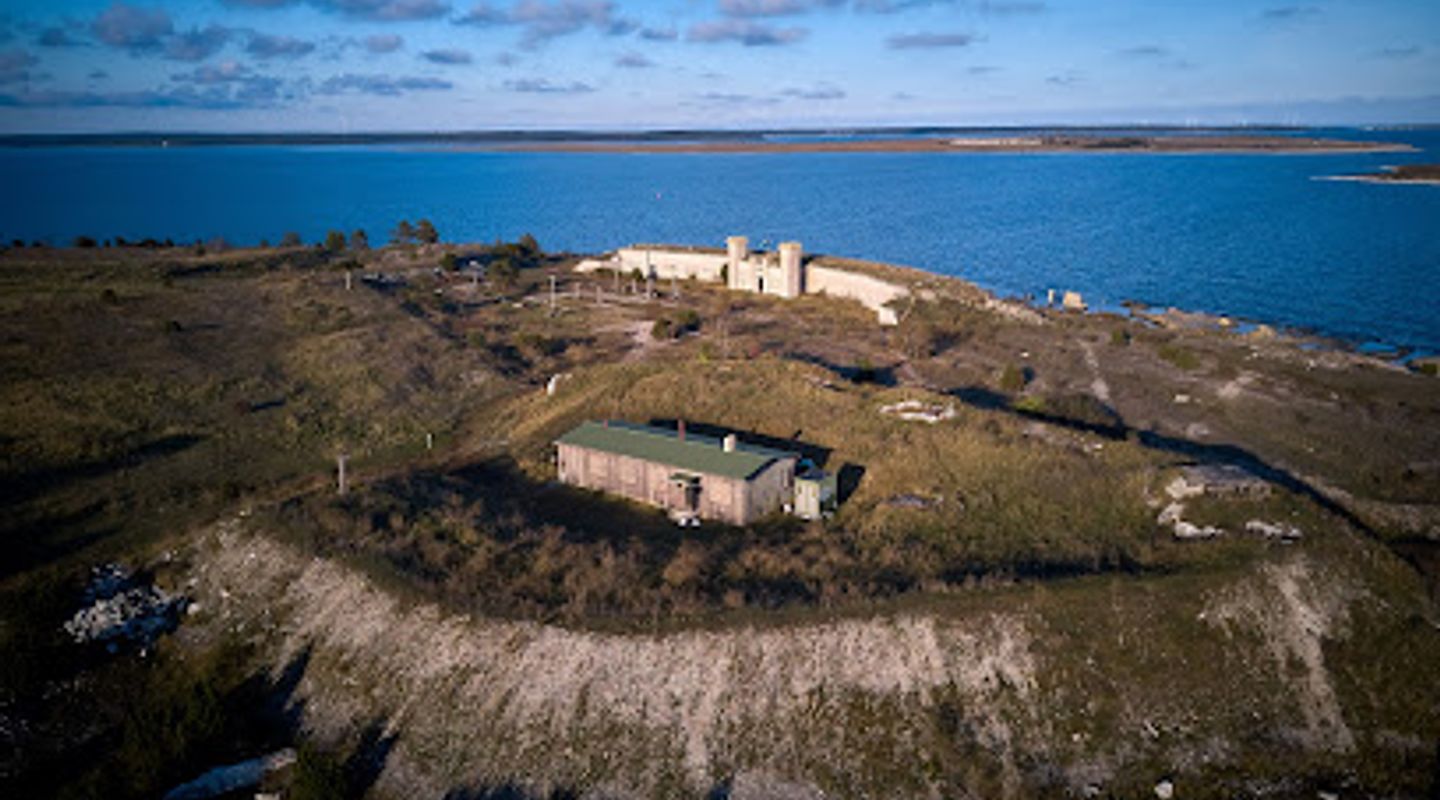
Perched on the tiny island of Enholmen guarding Slite harbor on Gotland's east coast, Karlsvärd Fortress is a pentagonal 18th-century ruin embodying Sweden's turbulent military past. Started under Charles XII in 1711 amid regional threats, this stone bastion saw intermittent construction, condemnations, and repurposing until demilitarization in 2011. Explore weathered bastions, defensive walls, and coastal vistas revealing layers of history from bastion sconces to secret naval stations. Managed by the National Property Board, it offers a poignant glimpse into Baltic defenses amid dramatic sea views.
A brief summary to Karlsvärd Fortress
- Slite, 624 48, SE
- Click to display
- Free
-
 Outdoor
- Mobile reception: 3 out of 5

Know before you go
Hi, I'm Eve. Here are a few practical things to know before exploring Karlsvärd Fortress.
- Visit in late afternoon for optimal lighting on the stone bastions against coastal sunsets.
- Pack a picnic to savor amid the ruins while gazing over Slite harbor.
- Seek guided summer boat tours from Slite harbor for island access details.
- Observe tides; low water reveals more of the beach bastion foundations.
Do you manage this location?
Take control to get all the benefits, like improved information, better appearance, and stronger visibility across AI-powered discovery. Learn more about listing your business on Evendo
Activate your presenceExplore Karlsvärd Fortress on the Map
A handpicked selection of must-see spots near Karlsvärd Fortress, mapped for you.
Getting There
-
Boat Tour
Organized summer boat trips from Slite harbor, 10-15 minutes each way, managed by National Property Board; availability seasonal May-September, free or low-cost guided options.
-
Walking
From Slite center to harbor trailhead, 20-30 minutes on coastal paths with some elevation; then short boat or seasonal footbridge if available, uneven terrain demands sturdy shoes.
-
Bicycle
Cycle from Slite via bike paths to harbor, 10-15 minutes with hilly sections; secure bikes at dock before boat transfer, routes scenic but exposed to coastal winds.
For the on-the-go comforts that matter to you
-
 Information Boards
-
 Trash Bins
-
 Drinking Water
Discover more about Karlsvärd Fortress
Enholmen's Strategic Birth
The island of Enholmen, just offshore from Slite on Gotland, became a focal point of defense in the mid-17th century. In 1650, Quartermaster General Johan Wärnschiöldh proposed a pentagonal bastion sconce with low walls and counterscarp ditches, approved with modifications in 1656. Construction began in 1657 on the western bastions, but progress stalled amid shifting priorities. By 1663, King Charles XI ordered its closure, only for renewed threats to revive the project decades later.Revival Under Charles XII
In 1710, the Defense Commission mandated a sconce at Slite, leading Governor Anders Sparrfelt to refine earlier plans. Named Karlsvärd Fortress after the king, work started in 1711 on two bastions and curtain walls. Quartermaster Magnus Palmqvist advocated for batteries and a redoubt instead, completing them by 1712. Despite debates, construction persisted, adding a ravelin, beach bastion, and four shore batteries by the 1750s, incorporating Gabriel Cronstedt's detached bastions.Decline and Condemnation
Further work in the 1760s aimed to finalize the stronghold, but by 1788, the King in Council deemed it useless, poorly planned, and costly, ordering demolition under Major General Johan Christopher Toll. No action followed immediately. The Crimean War in 1853 prompted revival, with casemate fortifications built 1854-1858 beneath the dilapidated fronts for artillery defense of Slite's inlets. Decommissioned in 1905, it served coastal artillery training.Secret 20th-Century Role
Mid-20th century repurposed the ruins as a covert naval weapons control station, its existence hidden until the 1990s. Demilitarization came in 2011, after which the National Property Board took management in 2015. Today, the pentagonal stone structure—bastions rising from the sea—dominates Enholmen, a testament to evolving Baltic fortifications blending European techniques.Architectural Legacy
Karlsvärd exemplifies 18th-century Swedish military architecture: robust stone bastions, high defensive walls, and strategic positioning. The pentagonal layout, épaulements for infantry, and shore batteries reflect adaptations to artillery threats. Ruins evoke the fortress's unfinished saga, set against crashing Baltic waves and Gotland's limestone cliffs.Coastal Sentinel's Enduring Allure
Overlooking Slite harbor, the site merges history with nature. Weathered stones whisper of kings, commissions, and wars, while open sea views invite reflection on Sweden's island defenses. As a protected ruin, it preserves Gotland's martial heritage amid scenic isolation.












Your all‑in‑one travel companion app
Explore expert travel guides, compare and book tours, experiences, hotels, and more—all from the palm of your hand. Download now for seamless trip planning wherever your wanderlust takes you.


Explore More of Gotland
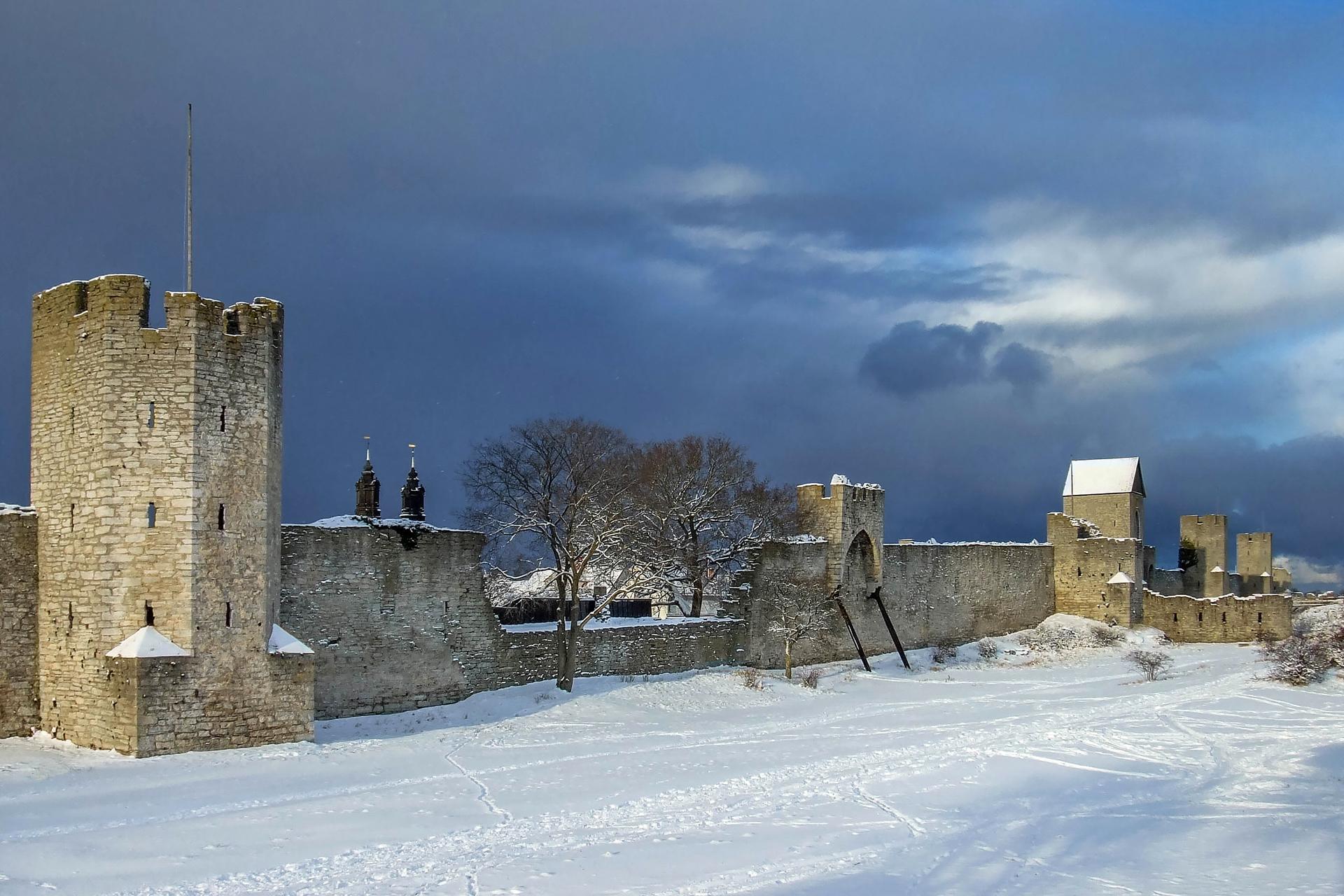
Looking beyond Karlsvärd Fortress? Discover Gotland for broader travel guides, local hot-spots, and regional highlights.
Explore Gotland