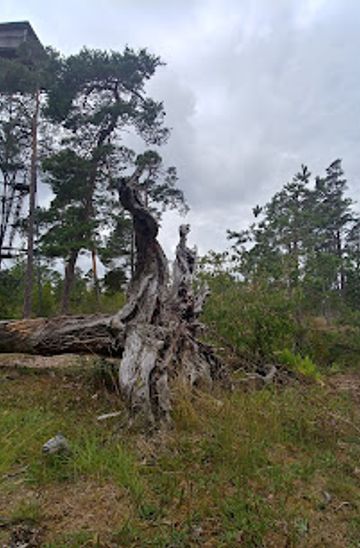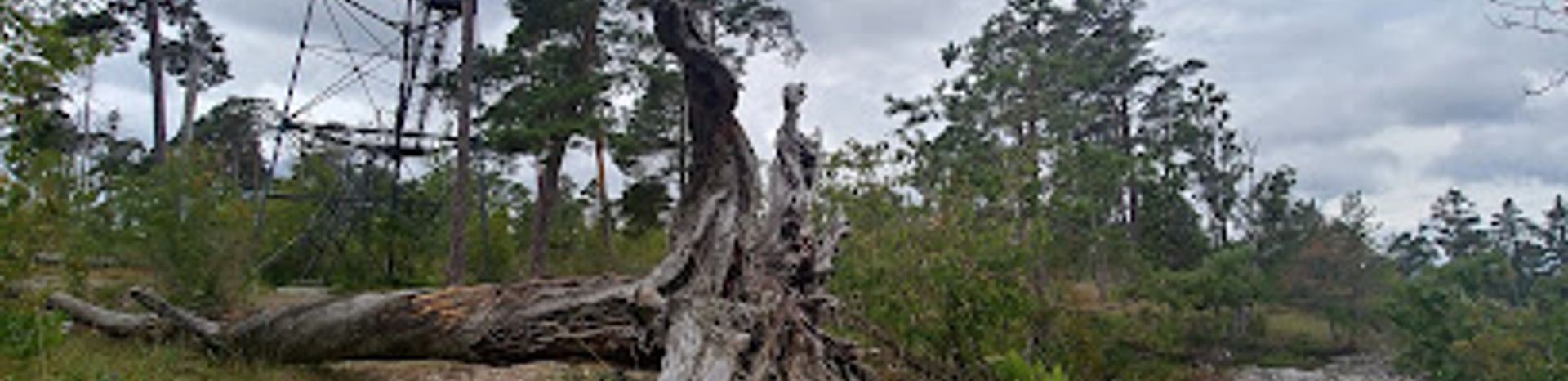
Torsburgen, Gotland Travel Guide
Explore Scandinavia's colossal Iron Age hillfort: Torsburgen's epic walls and cliffs guard Gotland's ancient secrets amid breathtaking plateau vistas.
Torsburgen, known as Tors borg or 'Thor's fort,' stands as one of Scandinavia's largest ancient hillforts on Gotland's rugged plateau. Constructed from the 1st century AD and expanded over centuries, its massive dry-stone walls encircle 12 hectares, offering panoramic views and a glimpse into Iron Age defenses. Protected by cliffs and remnants of timber-laced ramparts, this nature reserve invites exploration of its historical mystery and wild landscapes.
A brief summary to Torsburgen
- Katthammarsvik, 623 70, SE
- Click to display
- Duration: 1 to 3 hours
- Free
-
 Outdoor
- Mobile reception: 3 out of 5

Know before you go
Hi, I'm Eve. Here are a few practical things to know before exploring Torsburgen.
- Wear sturdy shoes for uneven terrain and cliff edges; paths can be slippery after rain.
- Bring binoculars for birdwatching—raptors frequent the cliffs.
- Visit in late spring for wildflower blooms carpeting the plateau.
- Pack water and snacks; no facilities on-site.
Do you manage this location?
Take control to get all the benefits, like improved information, better appearance, and stronger visibility across AI-powered discovery. Learn more
Activate your presenceOther nearby places you may find interesting
The closest places of the same kind, if this one is not quite what you had in mind.
Explore Torsburgen on the Map
A handpicked selection of must-see spots near Torsburgen, mapped for you.
Getting There
-
Car
Drive from Visby, 50 km east; 45-55 minutes via Route 143. Free parking at trailhead lots, ample spaces but fills weekends in summer.
-
Bus
Regionbus 20 from Visby to Katthammarsvik, 1-1.5 hours, 4-6 daily services year-round; 100-150 SEK adult single. 2 km walk from stop, 25-35 minutes uphill on gravel path.
-
Taxi
Taxi from Visby or Katthammarsvik, 45-60 minutes from Visby; 800-1200 SEK one-way for up to 4 passengers. Available 24/7, book ahead off-season.
-
Bicycle
Cycle from Katthammarsvik, 6 km; 25-40 minutes on paved roads turning to gravel. Moderate hills, bike rentals in Visby 200-300 SEK/day.
For the on-the-go comforts that matter to you
-
 Trash Bins
-
 Information Boards
-
 Seating Areas
Discover more about Torsburgen
Origins of a Mighty Fortress
Torsburgen emerged in the early 1st century AD on a 71-meter-high inland cliff in Kräklingbo socken, Gotland. Initially built during the Late Roman Iron Age around 200-400 AD, its construction involved local limestone quarried on-site, forming dry-stone walls reinforced with timber. Scholars date major phases to 300 AD and 900 AD, with the fort in use until about 1100 AD. This vast enclosure, spanning 1.2 square kilometers, required immense labor—estimated at 3,000 workers for a year to complete the nearly 2 km of walls topped by log palisades.The site's calcined remains, sandy and magnetic from roasting, distinguish it from vitrified forts elsewhere in Sweden, hinting at unique building or destruction techniques.Strategic Design and Defenses
Perched on a plateau, Torsburgen leveraged natural high cliffs for protection, with wall sections filling vulnerabilities. The interior could shelter Gotland's entire early medieval population of 6,000-10,000, defended by up to 1,000 warriors. Features like Ardre luke, a restored stone gateway, reveal minimal excavations yielding few metal artifacts, leaving much unexplored.Its scale makes it the third-largest fortified hillfort in Scandinavia, part of a beacon-signaling network across Gotland's hills to alert against Viking-era raiders.Role in Gotland's Ancient Saga
Mentioned in the Gutasaga, Torsburgen symbolized Gotlandic resilience amid Baltic trade and conflicts. Built when Gotlanders deemed refuge essential, it overlooked threats from sea invaders. The name evokes Thor, though origins are debated, blending myth with martial history.Archaeological restraint preserves its enigma, with only small digs like the 1983 Ardre luke restoration uncovering traces of Iron Age life.Nature's Embrace on the Plateau
Today, as a nature reserve under Gotland County, Torsburgen merges history with biodiversity. Wind-swept meadows, hardy shrubs, and cliffside flora thrive amid ruins, offering birdwatchers raptors soaring over Baltic vistas. The site's elevation commands sweeping views of Gotland's eastern coast near Katthammarsvik.Seasonal wildflowers and grazing sheep maintain open landscapes, evoking the fort's pastoral past while inviting quiet hikes along wall remnants.Exploring the Enduring Enigma
Wander the uneven paths tracing walls up to 4 meters high, peering into the vast interior plateau. High points reveal the fort's tactical genius, with cliffs dropping sharply. Nearby fornborgar like Herrgårdsklint and Grogarnsberget form a constellation of ancient defenses, enriching Gotland's prehistoric tapestry.Torsburgen endures as a testament to pre-Christian engineering, its stones whispering of forgotten battles and communal fortitude.












Your all‑in‑one travel companion app
Explore expert travel guides, compare and book tours, experiences, hotels, and more—all from the palm of your hand. Download now for seamless trip planning wherever your wanderlust takes you.


Explore More of Gotland
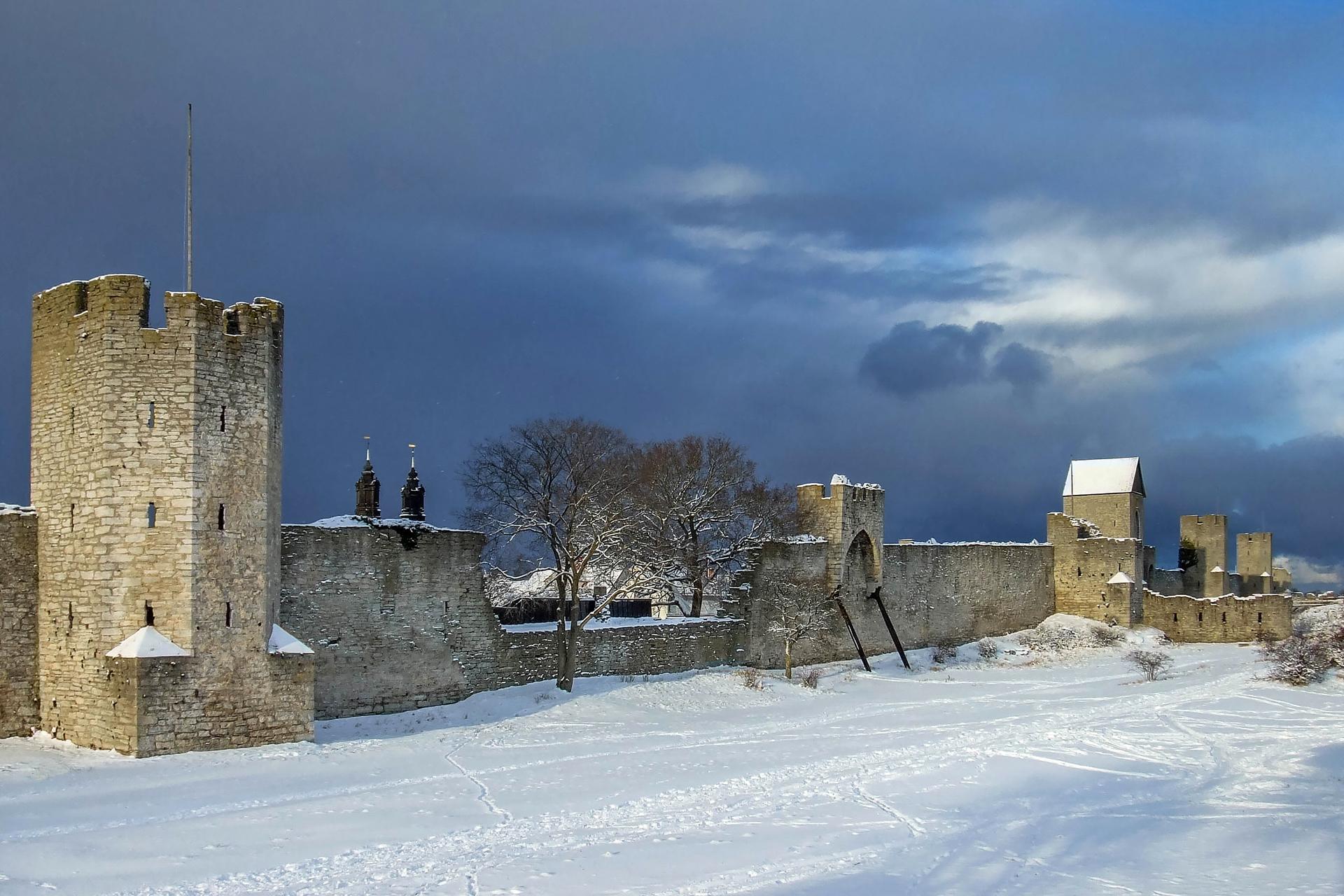
Looking beyond Torsburgen? Discover Gotland for broader travel guides, local hot-spots, and regional highlights.
Explore Gotland