Julita gård, Narke Travel Guide
Discover a thousand-year saga at Sweden's living manor museum: Viking roots, monastic vaults, noble halls, and blooming heritage gardens by serene Öljaren lake.
Julita Gård is a remarkable open-air museum and historic estate in Södermanland, Sweden, preserving over a thousand years of history from Viking times through medieval monastery to early 20th-century manor life. Spanning 2,200 hectares with nearly 360 buildings, stunning gardens, orchards, and lakeside setting by Öljaren, it offers immersive experiences in preserved interiors, cultural plant collections, and rural heritage. Managed by Nordiska museet since 1941, it's a living snapshot of Swedish countryside evolution, perfect for history enthusiasts and nature lovers.
A brief summary to Julita gård
- Julita gård, Julita, 643 98, SE
- Click to display
- Click to display
- Duration: 1.5 to 4 hours
- Budget
-
 Outdoor
- Mobile reception: 4 out of 5
- Monday 10 am-5 pm
- Tuesday 10 am-5 pm
- Wednesday 10 am-5 pm
- Thursday 10 am-5 pm
- Friday 10 am-5 pm
- Saturday 10 am-5 pm
- Sunday 10 am-5 pm

Know before you go
Hi, I'm Eve. Here are a few practical things to know before exploring Julita gård.
- Explore the underground medieval vaults for a glimpse of Cistercian brickwork mastery.
- Wander the orchards in summer to sample heritage apples from Nordiska museet's clone archive.
- Visit Stora huset interiors to see Arthur Bäckström's preserved private rooms and artifacts.
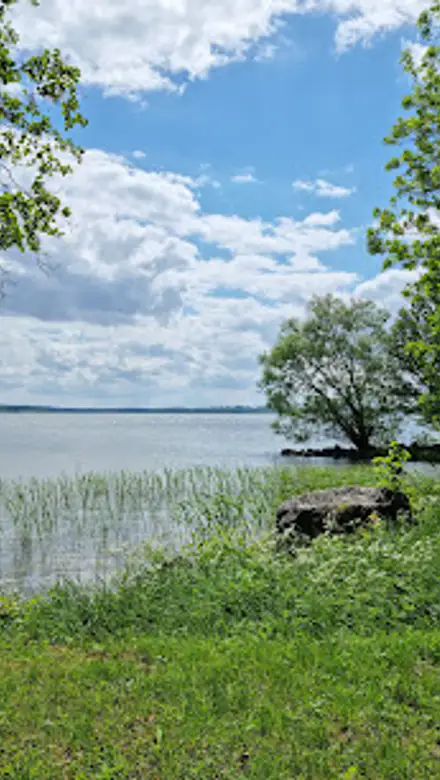
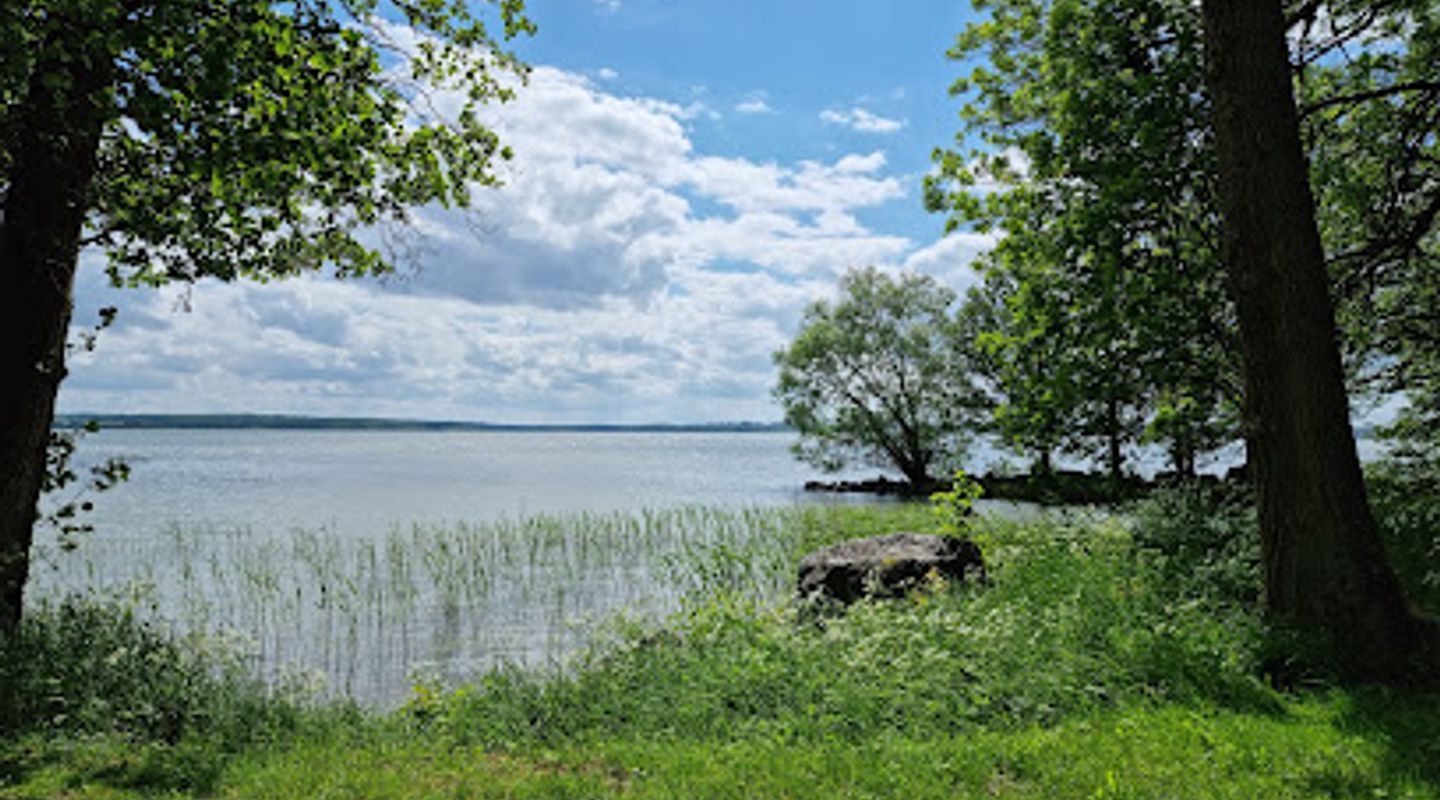
- Stroll lakeside paths at dusk for tranquil views over Öljaren and distant Hjälmaren islands.
- Check seasonal events for guided tours on sustainable gardening and rural history.
Do you manage this location?
Take control to get all the benefits, like improved information, better appearance, and stronger visibility across AI-powered discovery. Learn more about listing your business on Evendo
Activate your presenceOther nearby places you may find interesting
The closest places of the same kind, if this one is not quite what you had in mind.
Explore Julita gård on the Map
A handpicked selection of must-see spots near Julita gård, mapped for you.
Getting There
-
Car
Drive from Katrineholm center, 25-30 minutes via Route 223, with free parking at the main lot; note limited spaces during peak summer weekends.
-
Bus
Take Länstrafiken bus 801 from Katrineholm station to Julita holdeplats, 35-45 minutes, running hourly on weekdays and weekends in summer; 50-80 SEK one-way.
-
Train + Bus
SJ train from Stockholm Central to Katrineholm, 60-80 minutes, then transfer to bus 801, total 1.5-2 hours; train fares 150-300 SEK.
-
Bicycle
Cycle from Katrineholm along designated paths, 1-1.5 hours on flat terrain suitable for hybrids; bike racks available on-site.
For the on-the-go comforts that matter to you
-
 Restrooms
-
 Drink Options
-
 Food Options
-
 Seating Areas
-
 Sheltered Areas
-
 Picnic Areas
-
 Trash Bins
-
 Information Boards
-
 Visitor Center
Discover more about Julita gård
Ancient Origins and Viking Legacy
Julita Gård's story begins over a millennium ago, with evidence of Viking-era settlement. A runestone from the 11th century marks the site, and nearby Oxhagen reveals remains of a plateau house, hinting at its role as a powerful chieftain's farm. This early prominence set the stage for its enduring significance in Södermanland's landscape, where the estate's vast lands by Lake Öljaren have witnessed continuous human activity.Medieval Monastery and Royal Transitions
Around 1180, King Knut Eriksson granted the lands to the Cistercian order, establishing Julita Abbey—one of Sweden's earliest documented monastic sites. The monks' brick mastery survives in underground vaults beneath the current main house. The Reformation in 1527 dissolved the abbey, returning it to the crown as a kungsgård under Gustav Vasa. Later leased to nobles like Jöran Persson and hertug Karl, it evolved through royal favor into a noble estate.Noble Stewardship and Architectural Renewal
In the 17th century, the Palbitzki family took ownership, managing the estate for two centuries. Alexander Palbitzki meticulously journaled daily operations from 1704–1724, detailing livestock, forestry, and fishing revenues. Axel Gottlieb Palbitzki and Charlotta Christina Siöblad built a poorhouse and one of Sweden's first schools in 1742. A devastating fire in 1745 led to the reconstruction of the main house by 1760, blending baroque influences with functional manor design.Early 20th-Century Manor Life
The Bäckström family acquired the estate in 1876, with Lieutenant Arthur Bäckström as the final private owner. His tobacco company roots funded expansions, including a dairy, brickworks, and fire station. Donated to Nordiska museet in 1941 upon his death, the estate froze in time around 1900. Stora huset showcases his private quarters with original furnishings, evoking genteel rural life amid working farms and staff cottages.Lush Gardens and Living Collections
Encircling the manor is an expansive park featuring kitchen gardens, orchards with 290 fruit trees, hop yards, and period plantings. Nordiska museet maintains unique living collections: apple and hop clone archives, peony and pelargonium gatherings, and heritage vegetables sourced nationwide. These vibrant spaces demonstrate sustainable cultivation practices from bygone eras, blooming with sensory delights year-round.Preserved Buildings and Rural Ensemble
Over 360 structures dot the 2,200 hectares, including stables, barns, torp, and statarboenden—authentic to early 1900s operations. Lakeside paths overlook Öljaren and Hjälmaren fisheries, while islands add to the domain. This comprehensive milieu offers a tangible portal to Sweden's agrarian past, where every building whispers tales of labor, innovation, and continuity.












Your all‑in‑one travel companion app
Explore expert travel guides, compare and book tours, experiences, hotels, and more—all from the palm of your hand. Download now for seamless trip planning wherever your wanderlust takes you.


Explore More of Narke
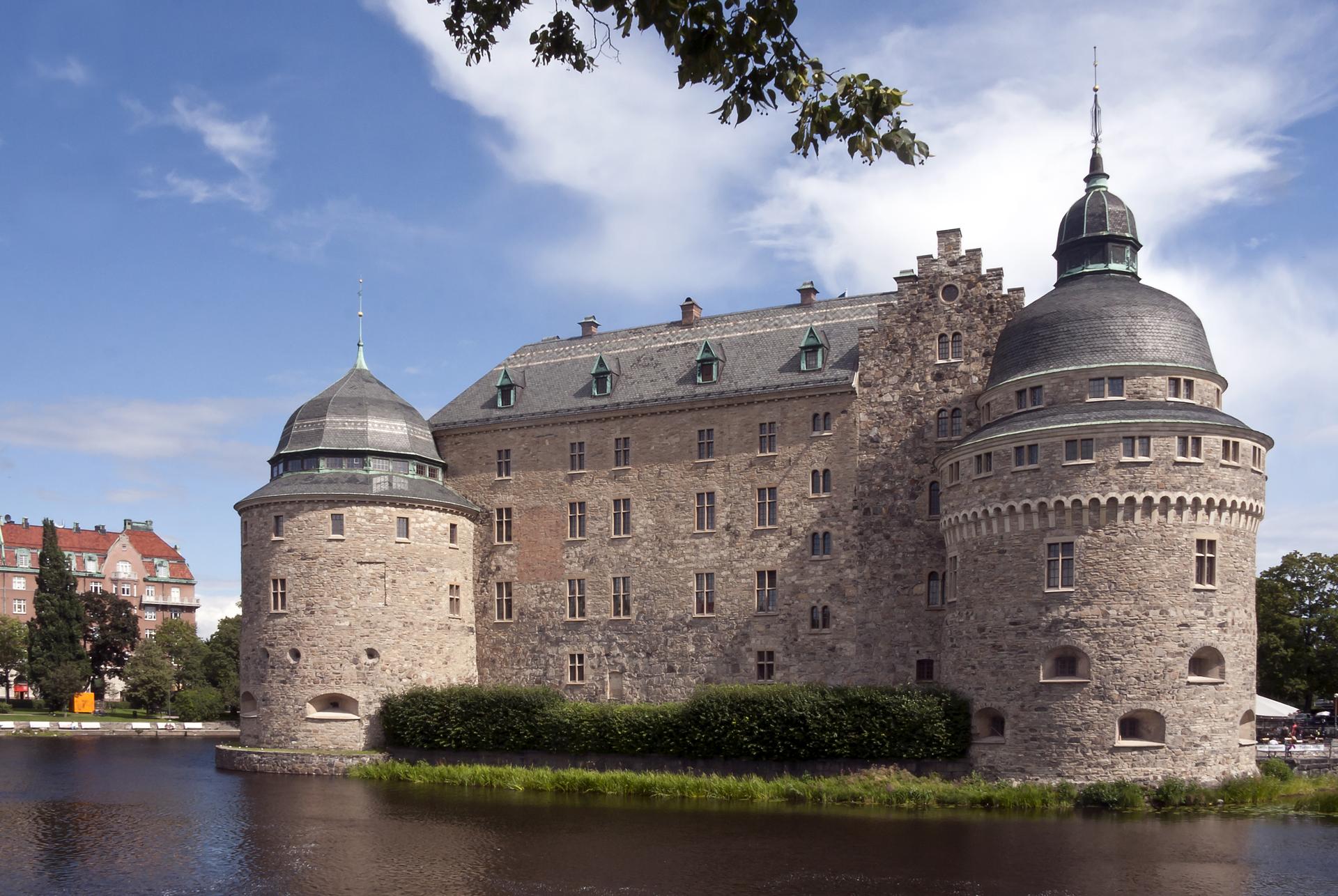
Looking beyond Julita gård? Discover Narke for broader travel guides, local hot-spots, and regional highlights.
Explore Narke
A compact, free-entry museum in Munktellstaden showcasing Swedish painting from the 1600s to contemporary works in a converted industrial setting.
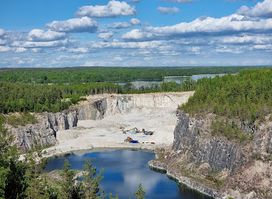
A landscape-scale relic of Swedish industrial ingenuity — a linear trail of trestles and stations that once carried limestone across 40+ kilometres.