Sommarro cultural reserve, Narke Travel Guide
A leafy municipal reserve where Örebro’s summer‑estate past meets small ponds, woodland and easy walking in a compact 63‑hectare site.
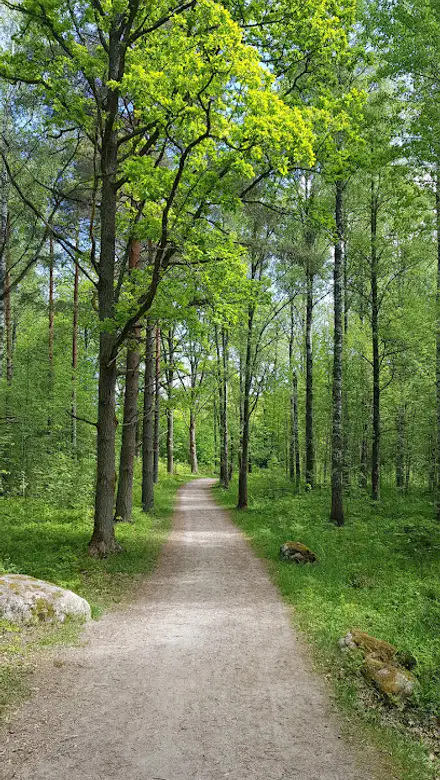
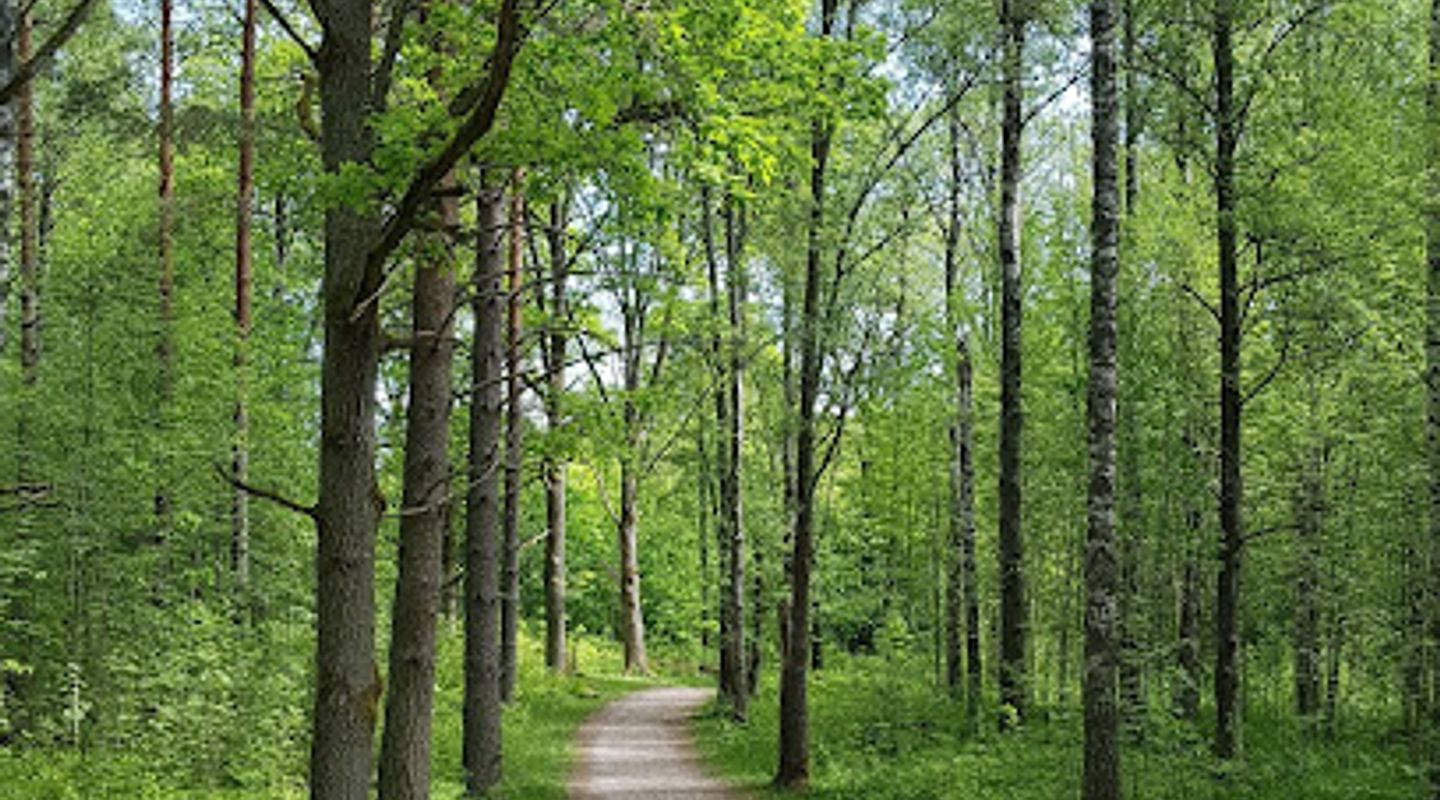
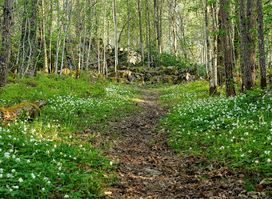
A 63-hectare municipal cultural reserve on the edge of Örebro, Sommarro blends wooded ridges, parkland and relics of 19th-century summer estates into an easily reached green lung. Trails wind past historical buildings, small ponds and a dramatic fault scarp, offering birdwatching, quiet picnics and a taste of the town’s social history within an urban setting.
A brief summary to Sommarro cultural reserve
- Hagalundsvägen 13, Örebro, 702 30, SE
- Click to display
- Click to display
- Duration: 0.5 to 3 hours
- Free
-
 Outdoor
- Mobile reception: 4 out of 5

Know before you go
Hi, I'm Eve. Here are a few practical things to know before exploring Sommarro cultural reserve.
- Visit early morning for the best bird activity and quieter trails.
- Bring a small blanket and picnic; there are open lawns and sheltered benches but no formal cafés.
- Wear sturdy shoes for uneven ground near the fault scarp and damp areas by ponds.
Do you manage this location?
Take control to get all the benefits, like improved information, better appearance, and stronger visibility across AI-powered discovery. Learn more about listing your business on Evendo
Activate your presenceOther nearby places you may find interesting
The closest places of the same kind, if this one is not quite what you had in mind.
Explore Sommarro cultural reserve on the Map
A handpicked selection of must-see spots near Sommarro cultural reserve, mapped for you.
Getting There
-
Bus from Örebro city centre
Local city buses run from Örebro central areas to stops near Adolfsberg with a journey time of about 15–25 minutes depending on service and time of day; services typically run every 10–30 minutes on weekdays and less frequently on evenings and Sundays, ticket fares are SEK 30–50 per trip when using a regional transport card or single‑ticket purchase, and some routes require short, gentle uphill walking from the stop to the reserve entrance.
-
Bicycle
Cycling from central Örebro takes approximately 15–30 minutes depending on starting point and pace; routes are mostly on urban roads and dedicated cycle paths, terrain is gentle but includes short slopes, secure public bike parking is limited at small entrances so carry a lock and be prepared for short off‑road sections across compact paths.
-
Car
Driving from central Örebro is typically 8–15 minutes when traffic is light; limited roadside parking is available nearby but spaces can be constrained during weekends and events, municipal parking rules and possible paid parking in adjacent residential areas apply—expect local charges of roughly SEK 10–30 per hour where meters are present.
For the on-the-go comforts that matter to you
-
 Seating Areas
-
 Trash Bins
-
 Information Boards
Discover more about Sommarro cultural reserve
Landscape where nature and town meet
Sommarro occupies a compact but varied patch of land on Örebro’s outskirts where park-like lawns and remnant woodland sit beside a clear fault scarp and small wetland pockets. The reserve’s mixture of open grass, scattered mature trees and shady copses creates a sequence of microenvironments—sunny clearings that attract butterflies and lawns used for informal gatherings, denser belts of birch and pine that hold nesting birds, and low-lying reed-fringed ponds that give the site its quiet water sounds.Traces of summer estates and local memory
The estate roots of Sommarro are visible in surviving garden features and the footprint of a traditional manor landscape: a guest house, old pathways and ornamental planting that recall when prosperous Örebro families used the area as a summer retreat. Later uses—municipal ownership, summer homes for social groups and occasional religious retreats—have left a layered cultural imprint, so the reserve reads as both a natural area and an archive of local leisure practices across two centuries.Walking paths and seasonal moods
A compact network of well‑trodden tracks makes Sommarro inviting for short walks and longer amblers alike. In spring the ground is punctuated with fresh green shoots and songbirds; summer brings full canopy shade and insect hum; autumn pockets the site with russet leaf litter and a tactile crunch underfoot; winter strips the trees bare and outlines the reserve’s silhouette against the sky. Each season alters the reserve’s character while the paths provide accessible ways to experience those shifts.Wildlife highlights and plant variety
Although the reserve sits close to the urban fringe, its mosaic of habitats supports a surprising variety of wildlife. Expect small passerines in the tree belts, occasional waterfowl and amphibians around ponds, and a modest insect fauna in meadow edges. The botanical mix includes park trees and woodland understorey plants typical of central Sweden; the reserve’s varied light conditions favour different plant communities in close proximity, which in turn draws a seasonal cast of pollinators and small mammals.Quiet corners and informal recreation
Sommarro encourages low-key recreation rather than formal sports: picnic spots beneath canopy gaps, benches that invite reading or people‑watching, and intimate clearings for family gatherings. The human-scale layout—short walks between features, sheltered glades and the presence of historic buildings—gives the reserve a domestic, approachable feeling rather than the remote impression of a wilderness park.Management, scale and visiting character
Managed by the municipality, the reserve is relatively small (about 63 hectares) and is intended as a locally accessible nature and culture resource rather than a large, remote conservation area. Management aims preserve the site’s mixture of cultural heritage and natural values: maintaining paths, protecting sensitive wetland edges and conserving the historic atmosphere. The close relationship with the surrounding neighbourhood means the reserve often functions as a daily green space as much as a destination for a dedicated nature outing.More to explore near Sommarro cultural reserve













Your all‑in‑one travel companion app
Explore expert travel guides, compare and book tours, experiences, hotels, and more—all from the palm of your hand. Download now for seamless trip planning wherever your wanderlust takes you.


Explore More of Narke
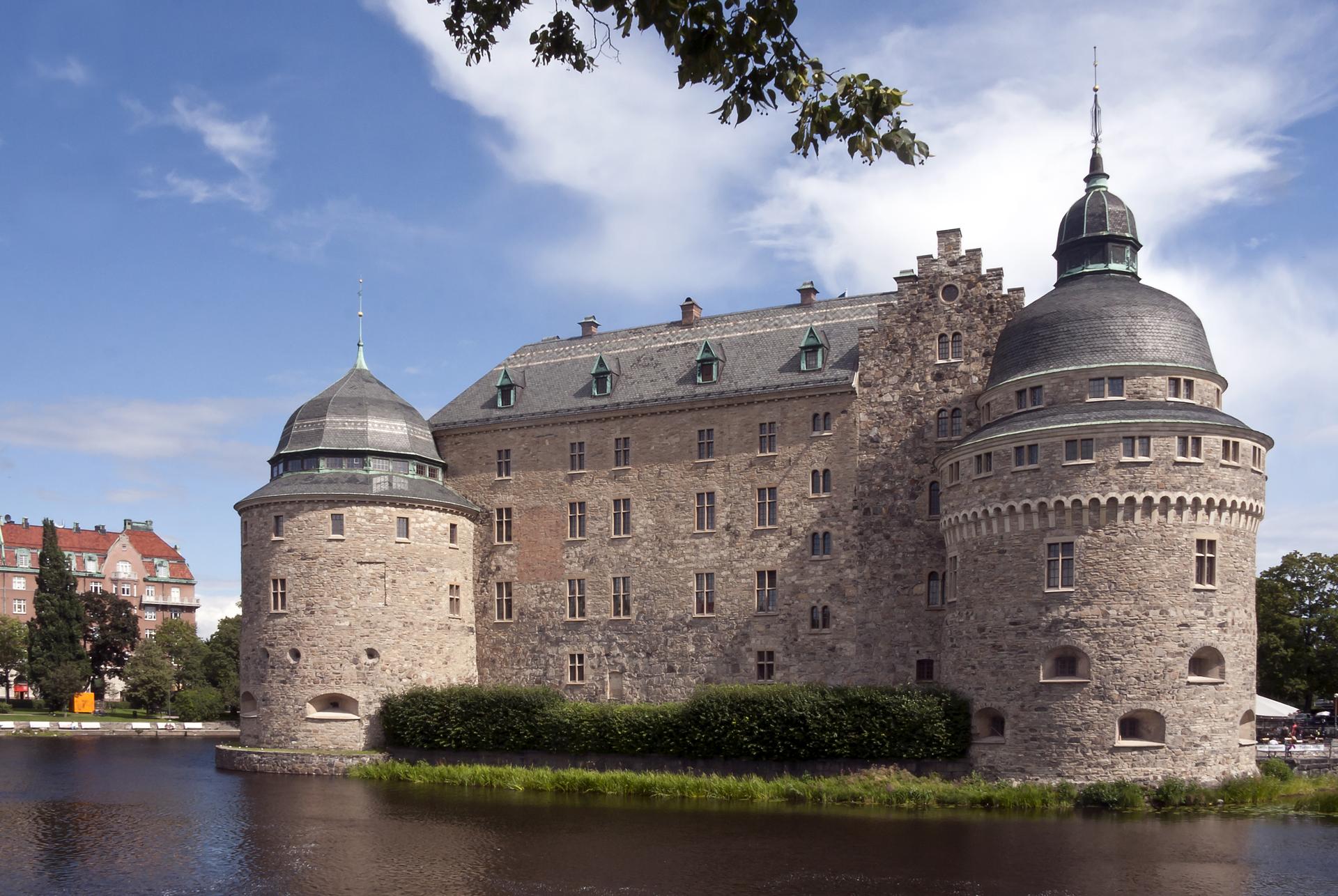
Looking beyond Sommarro cultural reserve? Discover Narke for broader travel guides, local hot-spots, and regional highlights.
Explore Narke
A compact, down-to-earth rock pub on Nygatan offering intimate live shows, casual drinks and an unmistakeable neighbourhood vibe in central Örebro.
A compact, neighbourhood woodland on Örebro’s southern edge—quiet trails, mixed trees and intimate green spaces for short walks and birdwatching.