Stegeholm Castle Ruin Travel Guide
Free Guide: Wind-swept stone and Baltic panoramas on Slottsholmen—a compact medieval ruin where Västervik’s maritime history meets open-water light.


A brief summary of Stegeholm Castle Ruin
Wind-swept stone and Baltic panoramas on Slottsholmen—a compact medieval ruin where Västervik’s maritime history meets open-water light.
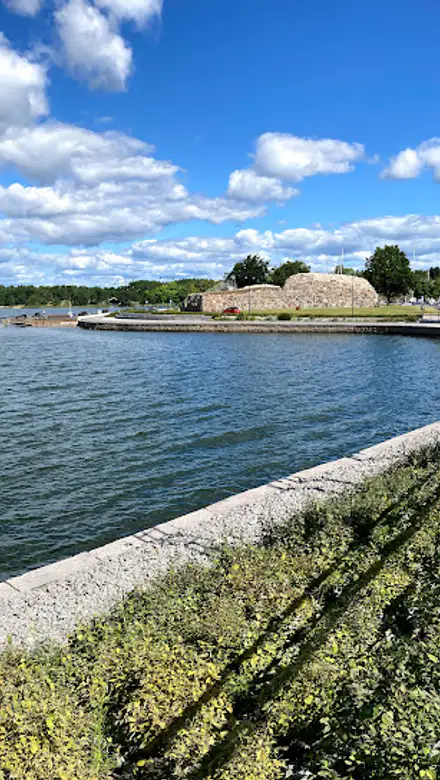
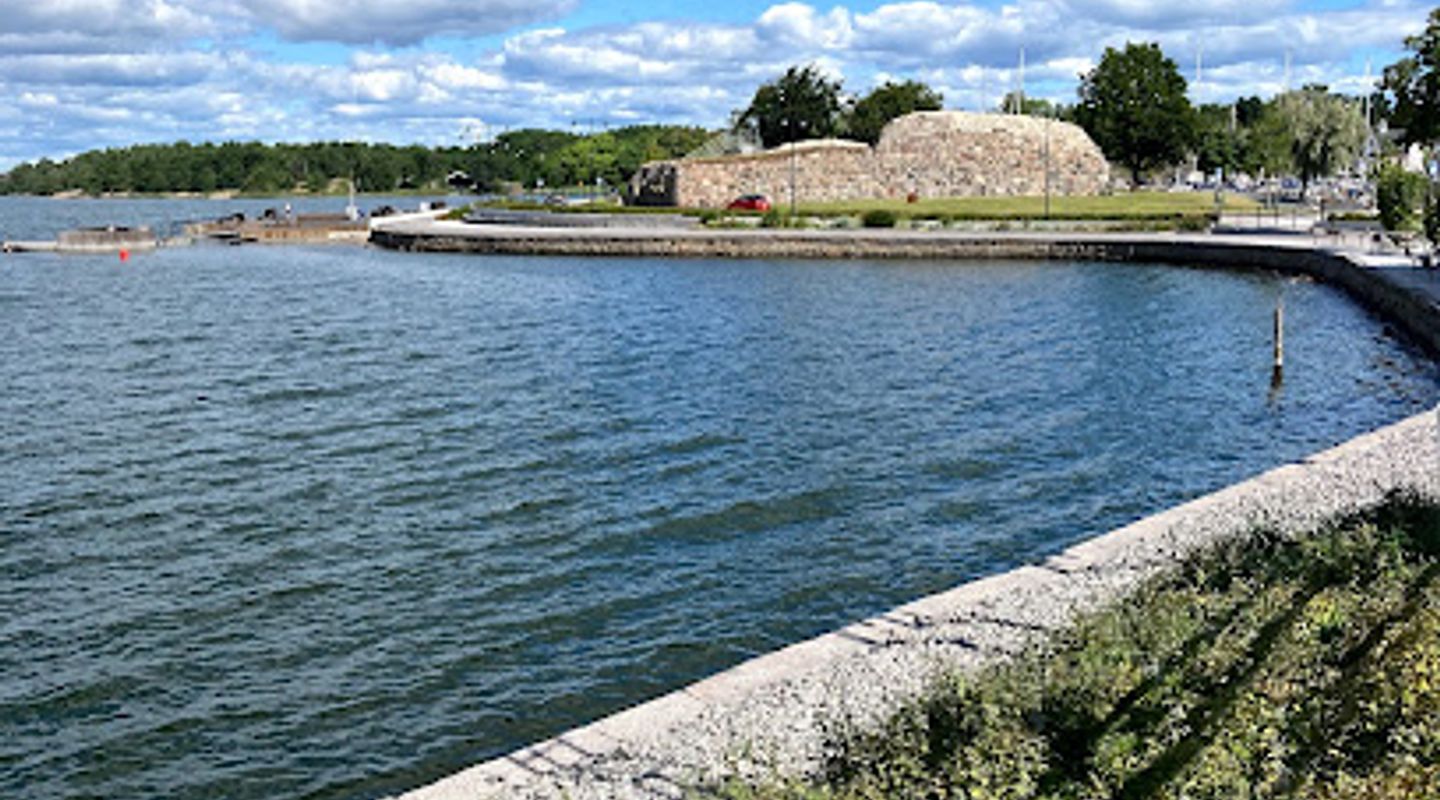
A windswept medieval ruin on Slottsholmen beside Västervik’s harbor, Stegeholm Castle Ruin traces the town’s defensive past from the 14th–17th centuries. Perched where the bay narrows, the stone remains, grassy terraces and scattered foundations give a cinematic glimpse of a fortress once rebuilt and refortified, later left to weather the Baltic winds. The site hosts seasonal cultural events and rewards quiet exploration, coastal light and photo-worthy views across Gamlebyviken.
On-site amenities
 Seating areas
 Information boards
 Trash bins
Opening hours
- Every dayOpen 24 hours
Opening hours as listed on the venue’s Google Business Profile. Hours can change for services and special events, so check with the venue before you go.
- Address
- Slottsholmsvägen, 593 38 Västervik
Getting there
Public bus and short walk
Car and short pedestrian approach
Ferry or private boat
Discover more about Stegeholm Castle Ruin
Origins and strategic meaning
Stegeholm began life as a medieval fortress guarding the entrance to the shallow waters of Gamlebyviken and the trading approaches that shaped Västervik’s early growth. Founded in the later Middle Ages, the castle’s position on the small island of Slottsholmen allowed its garrison to control maritime traffic and to provide a sheltered anchorage for local shipping. Though little of the original keep survives, the existing masonry, raised platforms and fragments of walls map out the footprint of a site that shifted between defensive stronghold and later attempts at conversion into a grander residence.
Cycles of construction, conflict and decay
The ruins you see are the result of repeated rebuilding and destruction spanning centuries: an early fortress expanded across eras, repeatedly damaged during regional wars and finally burnt in the 17th century. Over time parts were quarried away for building stone and planned renovations were never completed, leaving a layered ruin where medieval foundations meet later masonry. These episodes of violence and neglect are visible in the contrasting stonework and in the way the ruins sit low to the ground, half-sunken into grass and coastal scrub.
Landscape, materials and coastal character
Stegeholm reads as much as a natural place as an archaeological one: low stone walls tuck into wind-blown lawns, piles of boulders pick out former rooms, and gulls wheel over the bay. The site’s materials — local granite and fieldstone — have a grey, salt-scarred patina that picks up the muted Nordic light; in calm weather the bay mirrors sky and distant islets, while on breezy days the castle’s silhouette is sharpened by spray and moving clouds. Small grassy terraces provide informal vantage points for looking across the water and for imagining the castle’s lost chambers.
Cultural life and seasonal uses
Though a ruin, Stegeholm remains an active stage for Västervik’s cultural calendar; historically the site has hosted music and communal gatherings that take advantage of its dramatic setting. At other times it’s a quiet place for sketching, photography and low-key contemplation. The juxtaposition of open sky, stone fragments and harbour activity gives the ruin a persistent sense of being part of town life rather than a sealed-off archaeological reserve.
Reading the ruins on-site
Exploring the island invites a slow, ground-level approach: follow the remains to read former room divisions, note doorways implied by surviving jambs and stand where a tower or curtain wall once thrust above the shore. Small interpretive signs near the most intact courses of stone explain features and the sequence of events that left the site as it is today. The compact scale means the whole ruin is easy to walk around, so take time to move between sunlit ledges and sheltered hollows to appreciate how the place changes with weather and season.
When to linger and what to bring
Stegeholm rewards visits at different times of day: early morning light softens the stone, late afternoon brings warm tones for photography, and summer evenings can carry festivals or concerts that animate the ruin. The island is exposed to the elements; dress for wind and bring sturdy footwear for uneven surfaces. Binoculars help for watching boats and seabirds on the bay, and a notebook or camera will capture details of mortar, lichen and the shoreline vistas that define the site’s enduring character.
Evendo Review Centre
 Google
Guest reviews
Best time to go
Quietest: Jan, Feb & Dec · before 6am or at 10pm
Busy times are Evendo estimates for a typical year, to help you plan. Actual crowds vary with events, school holidays and the weather.
Explore Stegeholm Castle Ruin on the map
A handpicked selection of must-see spots near Stegeholm Castle Ruin, mapped for you.
Get your free copy of our complete guide to Stegeholm Castle Ruin, delivered straight to you.
Everything on this page, from opening hours and how to get there to Eve’s tips and the best time to go, in one PDF you can read offline, print or share.
Already have an account? Sign in
Your Stegeholm Castle Ruin guide is ready.
We'll send it to · Not you? Sign out

Getting your guide ready…
We are putting together a fresh copy of the Stegeholm Castle Ruin guide. This can take up to a minute.
This can take a few moments. If your browser asks, choose Allow so the download can start. You'll find the guide in your Downloads folder.
Nothing happened? Download it again
Sorry, the guide is taking longer than usual. Please try again in a minute, or get it by email instead.
Other nearby places you may find interesting
The closest places of the same kind, if this one is not quite what you had in mind.
-
-
-
-
-


Swipe for more places
More to explore near Stegeholm Castle Ruin

 Best experiences near Stegeholm Castle Ruin
 Best hotels near Stegeholm Castle Ruin
 Best landmarks near Stegeholm Castle Ruin
 Best attractions near Stegeholm Castle Ruin
 Best shops near Stegeholm Castle Ruin
 Best restaurants near Stegeholm Castle Ruin
 Best bars near Stegeholm Castle Ruin
Do you manage this location?
Take control to get all the benefits, like improved information, better appearance, and stronger visibility across AI-powered discovery.
Explore more

Explore more of Östergötland
Discover Östergötland: A perfect blend of history, nature, and culture in southern Sweden, offering charming towns, lush landscapes, and a rich cultural heritage.
Explore Östergötland
Explore more of Sweden
Discover Sweden's breathtaking landscapes, vibrant cities, and rich cultural heritage. From the Northern Lights to historic castles, experience the essence of Scandinavia.
Explore Sweden