

Tre Resta Stenar, Ostergotland Travel Guide
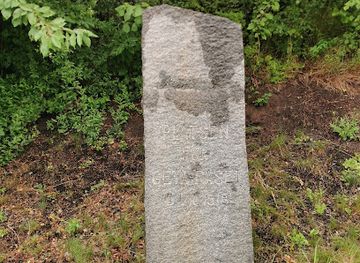
Three weathered standing stones on a low Östergötland rise — modest, ancient markers that anchor the landscape in Iron Age memory.
A small cluster of three standing stones set within a grassy Östergötland grave landscape near Mjölby, Tre Resta Stenar are relics of the Iron Age burial tradition and boundary marking. Weathered and moss-speckled, the stones sit in an open, slightly raised field among low scrub and meadow grasses, giving a quiet, elemental sense of age and human presence across the centuries.
A brief summary to Tre Resta Stenar
- Mjölby, SE
- Click to display
- Duration: 0.25 to 1 hours
- Free
-
 Outdoor
- Mobile reception: 4 out of 5

Know before you go
Hi, I'm Eve. Here are a few practical things to know before exploring Tre Resta Stenar.
- Wear sturdy shoes—the ground around the stones can be uneven and muddy after rain.
- Bring a field guide or notes if you want to compare this grouping to other resta stenar and prehistoric graves in Östergötland.
- Keep voices low and avoid touching or climbing the stones to help preserve lichen and surface weathering.
Do you manage this location?
Take control to get all the benefits, like improved information, better appearance, and stronger visibility across AI-powered discovery. Learn more about listing your business on Evendo
Activate your presenceOther nearby places you may find interesting
The closest places of the same kind, if this one is not quite what you had in mind.
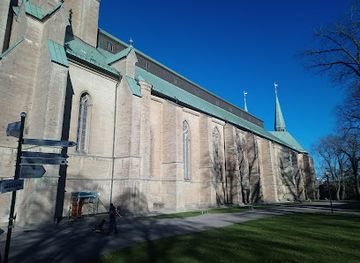
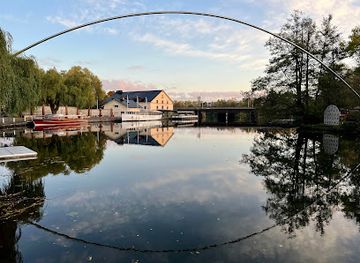
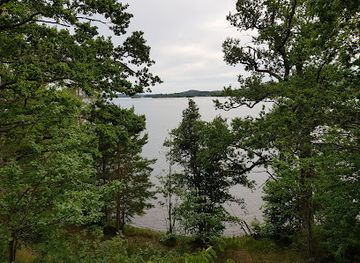
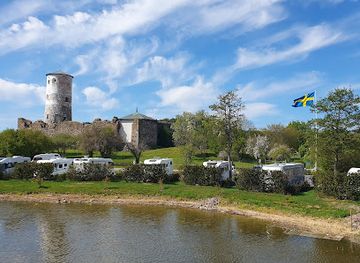
Explore Tre Resta Stenar on the Map
A handpicked selection of must-see spots near Tre Resta Stenar, mapped for you.
Getting There
-
Local bus plus short walk
Regional bus service from Mjölby centre to a nearby rural stop — typical travel time 15–30 minutes depending on schedule; expect limited departures (several services daily); final approach involves a 10–20 minute unpaved footpath across fields, so wear suitable shoes; single-ticket fares within the regional network generally cost SEK 30–60 per person.
-
Car
Self-drive from Mjölby town centre typically takes 10–20 minutes depending on traffic; parking is informal at the field edge or a nearby layby and may be limited at busy times; terrain from the parked point to the stones can be uneven so avoid low-clearance vehicles in wet weather; no entrance fee applies but always park considerately on the verge.
-
Bicycle
Cycle along minor rural roads and farm tracks for 20–40 minutes from Mjölby depending on pace; routes include gravel surfaces and short stretches of uneven track—hybrid or gravel bikes recommended; there is no dedicated bike parking, so lock to a discrete feature away from farm access points; seasonal conditions (mud, snow) will affect passability.
For the on-the-go comforts that matter to you
-
 Seating Areas
-
 Information Boards
Discover more about Tre Resta Stenar
Ancient stones, simple presence
Tre Resta Stenar is a modest grouping of three upright stones placed on a gentle rise in the Mjölby district; their appearance is plain—tall, irregular slabs, worn by lichen and time—and that plainness is central to their character. The stones read first as objects of material history: coarse-grained, frost-etched and partly softened by moss, each with a different tilt and silhouette that catches light differently through the day.Connections to burial rites and landscape memory
Archaeological and local interpretation in Östergötland links isolated “resta stenar” and small stone groups with Iron Age burial practices and boundary marking; the three stones at this site may mark individual graves or be remnants of a once-larger funerary ensemble or ritual ring. Their compact scale and solitary placement focus attention on continuity—how a simple arrangement of stone can carry memory across a millennium.Sensory character and seasonal moods
In spring and summer the stones sit within a low meadow: grasses brush the stone bases, insects vibrate in the sun-warmed grass and the nearby air smells faintly of earth and cut herbs. In autumn the silhouettes stand stark against pale skies; in winter they punctuate a bleached field, frost outlining edges. Approaching the stones you hear only wind and birdcalls; the scale is human and intimate rather than monumental.Archaeological context in Östergötland
The region around Mjölby contains numerous prehistoric gravefields and standing stone sites; single and grouped resta stenar exist alongside stone circles, cairns and burial mounds. Tre Resta Stenar sits within that broader landscape of ritual markers—small elements that together map long-term patterns of settlement, ceremony and territorial identity in this part of Sweden.How to read the stones today
Viewed as material survivors rather than reconstructions, the three stones reward slow looking. Note tool marks, patination, moss growth and the small hollows at the base where soil has compacted differently. Their placement—spacing, orientation and relationship to the rise they occupy—invites speculation about sightlines, procession or the choice of a visible point on the ground to mark significance.Respect, stewardship and quiet interpretation
Tre Resta Stenar is a low-key heritage place: there are no grand visitor facilities and the experience is contemplative. The site’s value is its unadorned survival within agricultural and meadow landscapes; treat the stones with minimal intervention—observe from the ground level, avoid climbing or leaning, and leave the immediate setting as you found it so the stones remain legible for future visitors and for the history they silently guard.












Your all‑in‑one travel companion app
Explore expert travel guides, compare and book tours, experiences, hotels, and more—all from the palm of your hand. Download now for seamless trip planning wherever your wanderlust takes you.


Explore More of Ostergotland
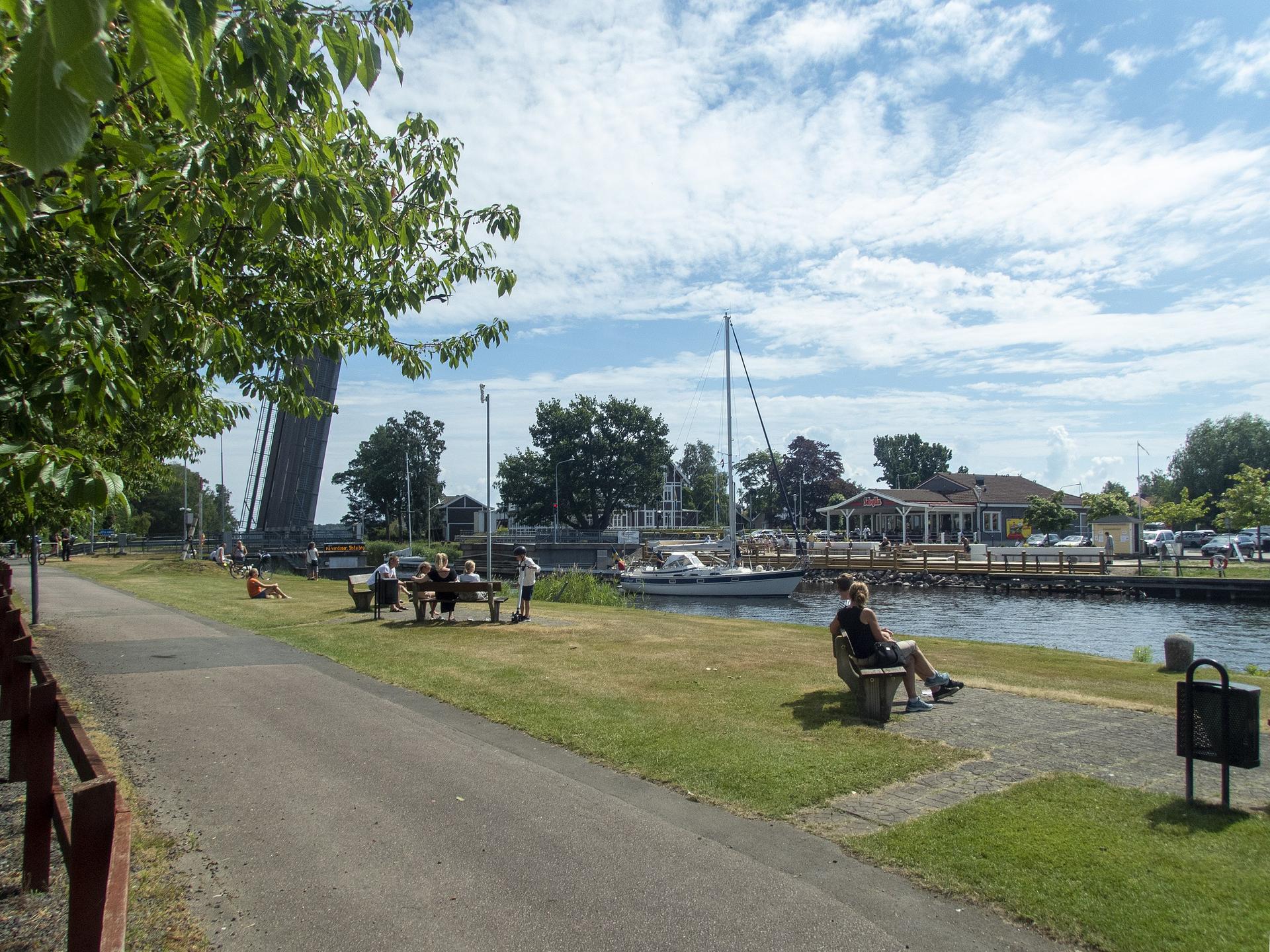
Looking beyond Tre Resta Stenar? Discover Ostergotland for broader travel guides, local hot-spots, and regional highlights.
Explore Ostergotland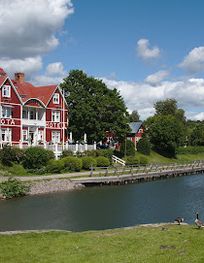
Sweden's hand-dug engineering wonder meets medieval charm at Söderköping's Mem lock—watch boats rise, savor ice cream, and hike to epic views.

Viking runestone on Sörby’s deserted churchyard: gray granite whispers of Ragnvald’s memory from 1000 AD, amid medieval ruins in quiet Östergötland.
