Oscar II Fort, Scania Travel Guide
A granite-cut coastal fortress from 1899–1907 guarding Gothenburg’s harbour, now opened selectively as a preserved historical stronghold.
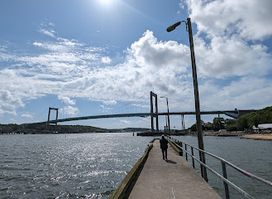
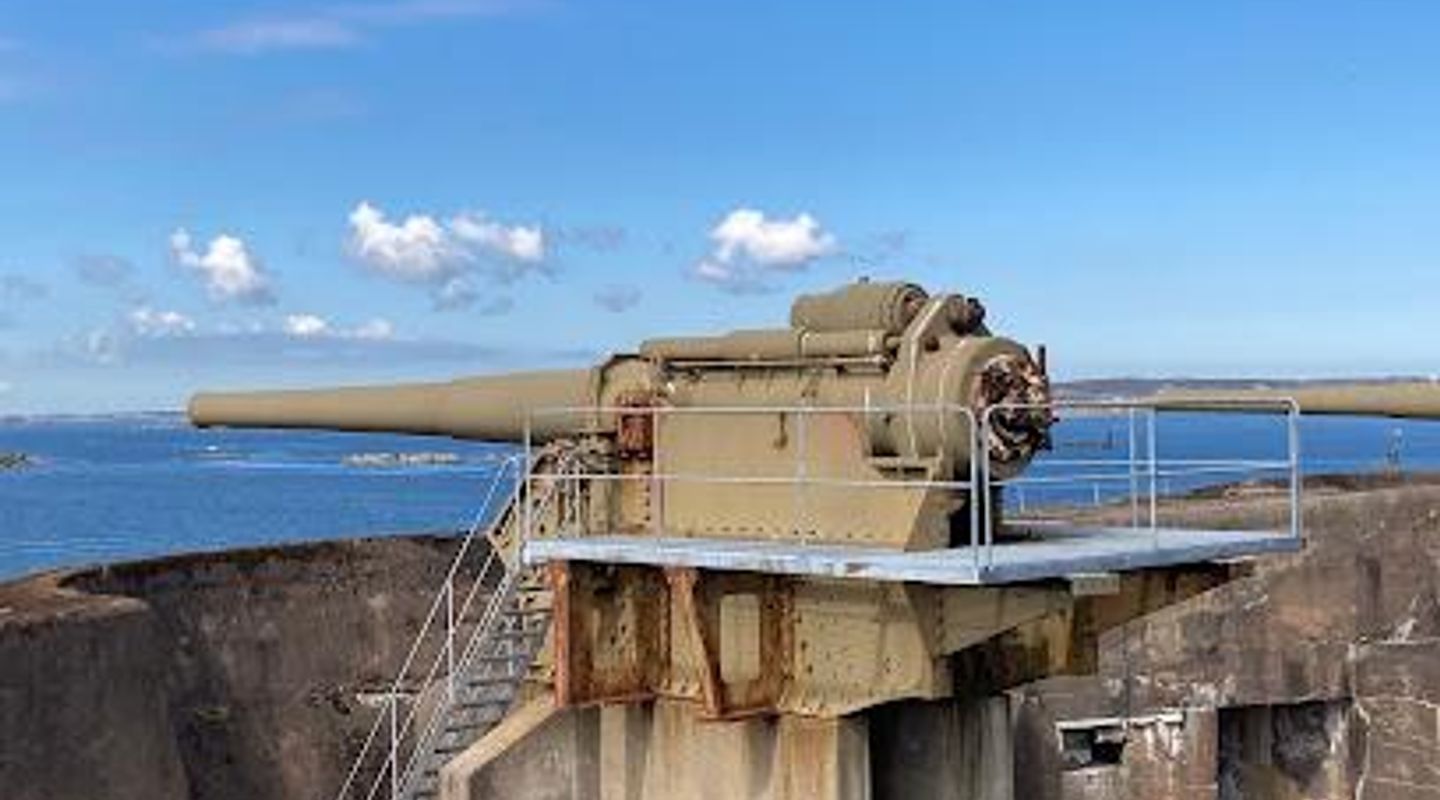
Oscar II Fort is a turn-of-the-century coastal fortress at Försvarsgatan 36 in Västra Frölunda, built to guard the Göta River mouth and Gothenburg's harbour. Constructed around 1899–1907, the fort's granite-carved galleries, dry moat, armoured gun turrets and underground service rooms give a clear sense of early modern coastal defence engineering; it opens to the public only on select days and is managed as a historical site.
A brief summary to Oscar II Fort
- Försvarsgatan 36, Västra Frölunda, 426 76, SE
- Click to display
- Click to display
- Duration: 1 to 3 hours
- Budget
-
 Mixed
Mixed
- Mobile reception: 4 out of 5

Know before you go
Hi, I'm Eve. Here are a few practical things to know before exploring Oscar II Fort.
- Check the fort’s official schedule before visiting — access is limited to set open days and guided group sessions.
- Wear sturdy shoes and a warm layer: interiors are stone-cold and surfaces can be uneven with steps and low ceilings.
- Bring a camera with a wide-angle lens for cramped interior shots and a neutral exposure setting to handle dim lighting.
- Respect protected areas and any fencing — parts of the site are conserved for wildlife and structural safety.
Do you manage this location?
Take control to get all the benefits, like improved information, better appearance, and stronger visibility across AI-powered discovery. Learn more about listing your business on Evendo
Activate your presenceOther nearby places you may find interesting
The closest places of the same kind, if this one is not quite what you had in mind.

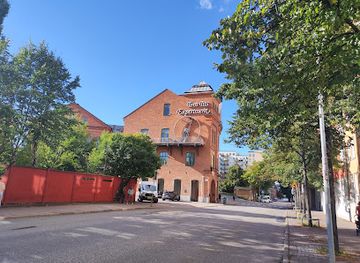
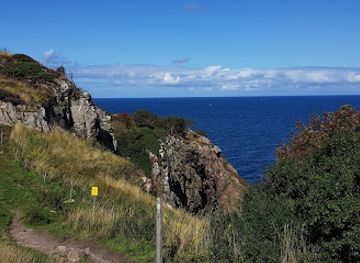
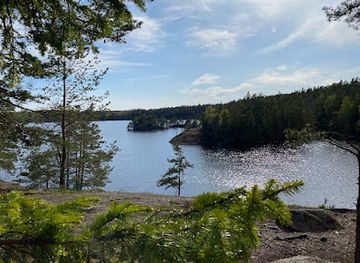

Explore Oscar II Fort on the Map
A handpicked selection of must-see spots near Oscar II Fort, mapped for you.
Unlock the Best of Oscar II Fort
Buy tickets
-
No tickets available
Book tours with entry
-
No tours available
Book tours without entry

Getting There
-
Public tram plus short walk
Take the local tram service from central Gothenburg to Långedrag or the nearest tram stop serving the Västra Frölunda corridor; typical tram travel time is 25–35 minutes depending on origin. From the stop expect a 15–25 minute walk over uneven terrain and local paths; check seasonal timetables as weekend and holiday frequencies vary. Tram fares use the regional transit tariff and commonly cost in the range of SEK 30–45 per journey depending on ticket type.
-
Car
Driving from Gothenburg centre typically takes 15–30 minutes depending on traffic. Nearby street parking exists but can be limited on special open days; some areas may enforce local parking restrictions. No paid site parking guarantee is provided and parking rules vary by season.
-
Organised group tour / booked visit
Join a scheduled guided visit or book a group reservation directly with the fort’s management for a pre-arranged tour; guided sessions run on specific dates and group bookings often require advance notice. Admission on open days has historically been modest and sometimes collected on-site (cash or regional mobile payment); confirm current terms with the site before travelling.
For the on-the-go comforts that matter to you
-
 Information Boards
Discover more about Oscar II Fort
Origins and strategic purpose
Oscar II Fort was raised at the mouth of the Göta River at the end of the 19th century as the main modern element of the broader Älvsborg Fortress system. Built between the closing years of the 1890s and the first decade of the 1900s, the site was designed to control sea approaches to Gothenburg and to protect the port and naval anchorage with heavy, protected artillery and a system of minefields and navigational deflection works.Engineering carved into bedrock
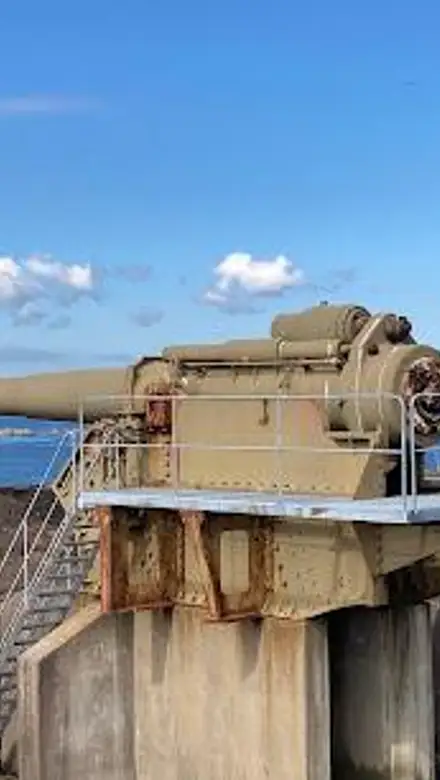
The fort exploits a granite outcrop: large volumes of rock were excavated to create interior spaces, long rock-cut passages and a deep dry moat that surrounds the compact battery complex. Inside, the layout places barrack rooms, storerooms, messes and technical spaces below the surface; armoured cupolas and disappearing gun mounts were installed to give the fort a low silhouette over the water while still delivering heavy-calibre fire.Interior character and surviving features
Walking through the complex reveals robust early-20th-century military fittings — vaulted corridors, service niches, old ventilation shafts and rooms that once housed boilers and generators. The fort retains several turreted emplacements and the traces of the narrow-gauge rail that once linked supply points. Many original details survive precisely because the site largely avoided 20th-century remodelling, so its arrangement remains a vivid example of contemporary coastal-defence thinking.Nature, water and the moat ecosystem
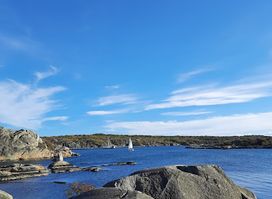
The fort sits where land meets water and the surrounding moat and shoreline have developed their own ecology. The still, sheltered water inside the moat provides habitat for amphibians and pond life, while seabirds and passing ferries animate the wider estuary. The contrast between engineered stonework and soft coastal vegetation is one of the site's quieter attractions.How the place is experienced today
Today the fort is managed as a historical site with limited public access: guided visits and special open days allow entry into buildings and passageways that are otherwise closed. When open, the experience is tactile and atmospheric — low-light corridors, the metallic scent of old fixtures and the echo of footsteps on stone create a strong sense of living history. Interpretation focuses on the fort’s construction, technical systems and role in coastal defence rather than contemporary military use.Conservation and the site's cultural value
Oscar II Fort survives as an unusually intact example of turn-of-the-century coastal fortification. Conservation aims balance preserving original fabric with making sections safe for visitors; the fort’s relative seclusion and restricted opening pattern have helped protect both structure and wildlife. As a piece of regional heritage it illustrates how industrial-era engineering and strategic geography combined to shape Gothenburg’s maritime defences.












Your all‑in‑one travel companion app
Explore expert travel guides, compare and book tours, experiences, hotels, and more—all from the palm of your hand. Download now for seamless trip planning wherever your wanderlust takes you.


Explore More of Scania
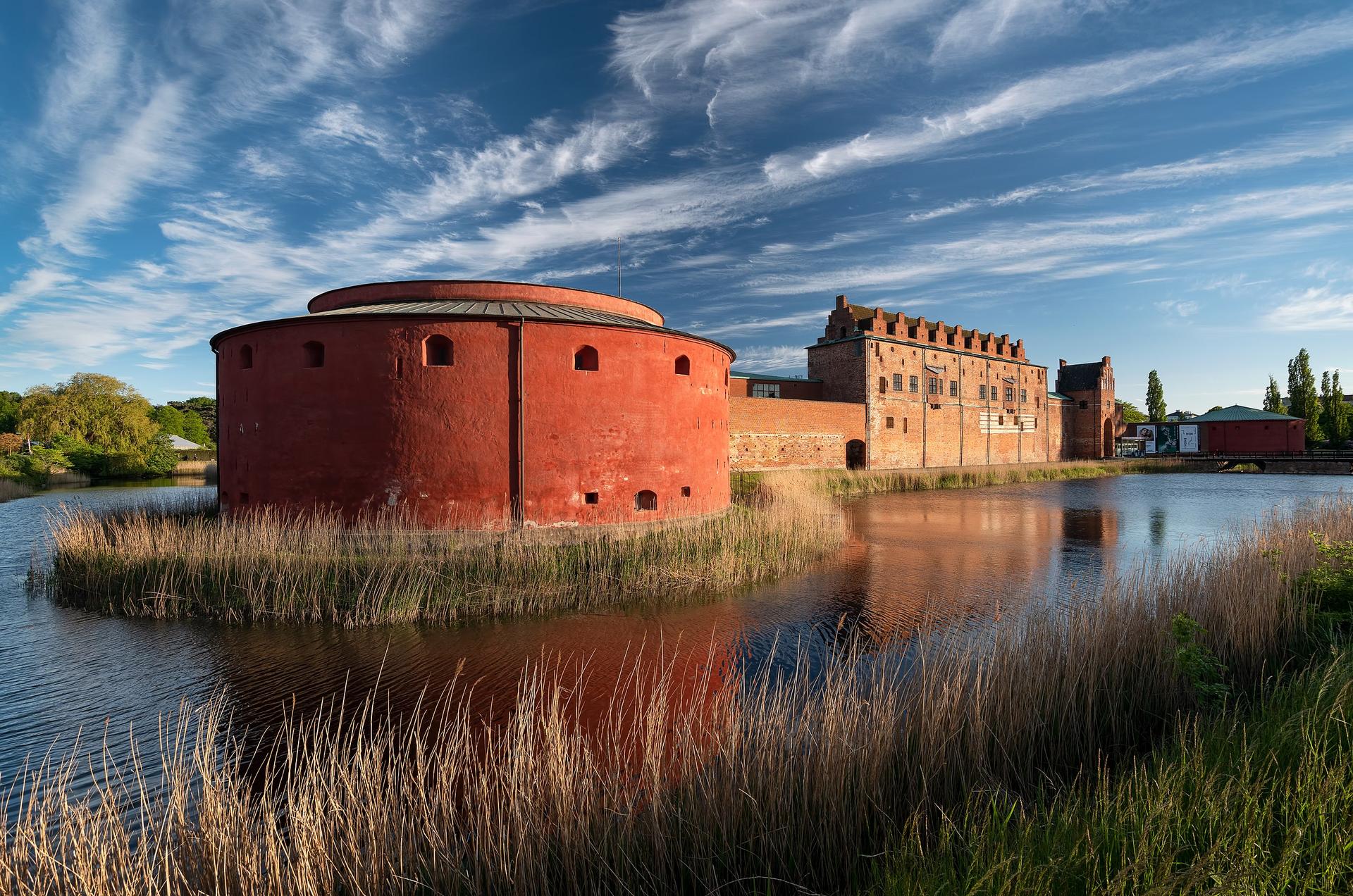
Looking beyond Oscar II Fort? Discover Scania for broader travel guides, local hot-spots, and regional highlights.
Explore Scania