

Free Scania Travel Guide & Mobile App
Explore Scania with free travel guides. Discover regional history, expert tips, proposed trips, and audio guides on web or mobile app.


Explore Scania’s medieval towns, fertile countryside, sandy coasts, forested parks and inventive food scene in southern Sweden.
Read more about Scania
When is the best time to visit Scania?
Best: June–August · 21–23°C| Month | High (°C) | Rainfall (mm) |
|---|---|---|
| January | 3 | 50 |
| February | 3 | 40 |
| March | 8 | 40 |
| April | 13 | 40 |
| May | 18 | 45 |
| June (best) | 21 | 55 |
| July (best) | 23 | 65 |
| August (best) | 22 | 65 |
| September | 18 | 60 |
| October | 14 | 60 |
| November | 8 | 60 |
| December | 4 | 60 |
Getting to and around Scania
How to get there
Transportation
Best attractions in Scania
Scania’s attractions combine historic cities, open agricultural landscapes, wooded uplands and a varied coastline. Malmö offers medieval buildings, museums, galleries and the modern architecture of the Western Harbour, while Lund centres on its cathedral, university environment and long-established cultural institutions. Helsingborg provides access to Sofiero’s gardens, the medieval Kärnan tower and the dramatic north-west coast. Ystad’s historic streets and nearby film associations contrast with the fortified Glimmingehus and the small harbours of Österlen. Nature is equally important: Söderåsen National Park has beech woodland, ravines and viewpoints; Stenshuvud National Park combines forest, meadows, rocky hills and beaches; and Kullaberg is known for cliffs, coastal walking and marine scenery. Falsterbo and the south-western coast attract birdwatchers, particularly during migration seasons. Cycling, hiking, swimming, canoeing and wildlife observation are widely available, while farm shops, galleries and seasonal gardens add cultural interest to rural journeys. The main challenge is not a lack of attractions but their distribution across a large region, making transport planning important.
-
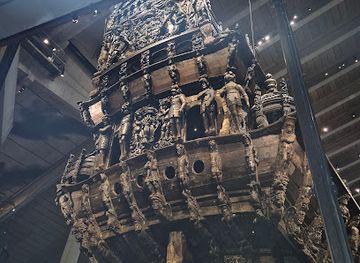
Museum
Vasa Museum
A purpose‑built museum on Djurgården that presents the salvaged 1628 warship Vasa — monumental timbers, intricate carvings and active conservation under one roof.
-
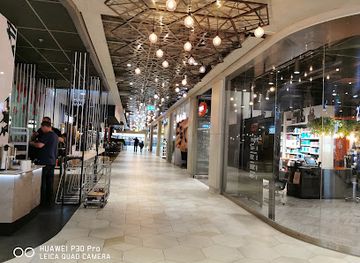
Shopping mall
Westfield Mall of Scandinavia
Scandinavia’s flagship shopping and entertainment complex — bright, spacious and full of shops, restaurants and cinematic experiences.
-
Shopping mall
Nordstan
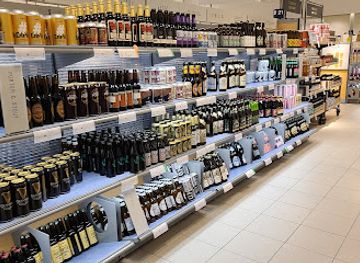
Scandinavia's vast shopping haven in Gothenburg: 180+ stores, eateries, events, and shelter from the rain across eight blocks.
-
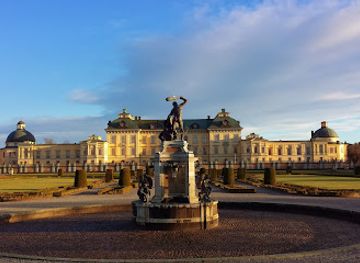
Castle
Drottningholm Palace
A living royal palace with baroque grandeur, rococo interiors, an 18th‑century theatre and sculpted gardens on Lake Mälaren.
Best landmarks in Scania
Lund Cathedral is Scania’s defining medieval landmark, a Romanesque structure whose twin towers and crypt reflect the city’s former importance as an ecclesiastical centre. In Malmö, St Peter’s Church preserves a substantial example of medieval brick architecture, while the Turning Torso provides a striking modern counterpoint on the Western Harbour skyline. Helsingborg’s Kärnan, a surviving medieval tower above the city, recalls the strategic importance of the Öresund crossing. Glimmingehus near the south-eastern coast is one of Scandinavia’s best-preserved late-medieval fortified manor houses, with massive walls and defensive features that distinguish it from the region’s more open estates. Ales Stenar above Kåseberga forms a dramatic stone-ship outline on the coast, an important prehistoric monument whose original meaning remains uncertain. In the natural landscape, the cliffs and headlands of Kullaberg, the ravines of Söderåsen and the coastal hills of Stenshuvud are major geographical landmarks. Together these places express Scania’s layered identity as a former Danish borderland, agricultural heartland, maritime gateway and modern Swedish region.
-
Castle
The Royal Palace
Discover Europe's grandest living palace: official royal residence with 600+ rooms, crown jewels, state halls, and daily guard ceremony in Stockholm's heart.
-
City or town hall
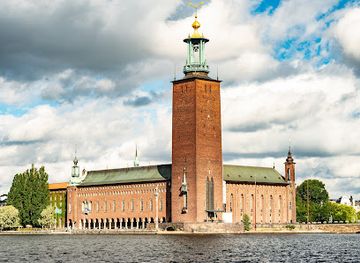
Stockholm City Hall
A red‑brick civic masterpiece on Kungsholmen — home to grand ceremonial halls, golden mosaics and a landmark tower with sweeping city views.
-
Arena
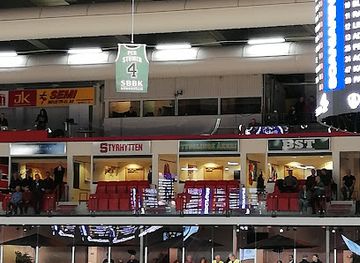
Scaniarinken
Södertälje's iconic ice arena: home to gripping hockey battles, live tunes, and community spirit since 1970.
-
Restaurant
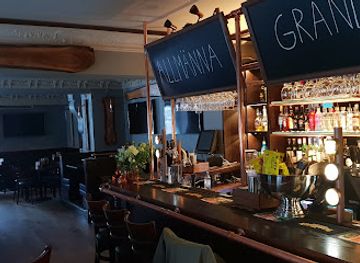
Allmänna Gränd
Historic Djurgården street gateway to Gröna Lund thrills, ferry rides, and island heritage, where maritime past meets modern merriment by Saltsjön.

Explore Scania on the map
Plan your trip on one map. See where the top cities, national parks and sights are, and book hotels and experiences in a few clicks.
Best hotels in Scania
Best restaurants in Scania
Scania’s food culture reflects fertile farmland, coastal fishing and a strong tradition of preserving seasonal produce. Menus may feature locally grown vegetables, potatoes, apples, grains and berries, alongside pork, game and fish from the surrounding waters. Traditional specialities include äggakaka, a substantial egg dish associated with southern Sweden, and spettekaka, a tall spit-cooked cake often served at celebrations. Along the coast, smoked fish and eel remain part of the regional culinary story, although responsible sourcing and changing regulations matter. Malmö and Lund offer the broadest range of contemporary restaurants, international cuisines, bakeries and cafés, while Ystad, Helsingborg and Kristianstad have their own established dining scenes. In the countryside, farm shops, seasonal cafés, restaurants in former farm buildings and local food markets are central to the visitor experience. Look for apples and cider in Österlen, fresh produce on the agricultural plain and regional pastries in independent bakeries. Menus and opening arrangements vary widely outside the cities, especially in winter.
-
Scandinavian
Aifur
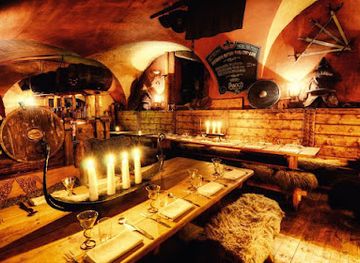
Journey to Viking times in Stockholm's Old Town: hearty feasts, live medieval music, and immersive Norse revelry await in a historic longhouse tavern.
-
Gastropub
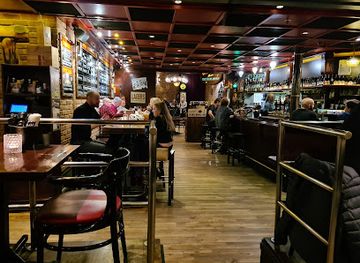
Restaurant Akkurat - Södermalm
Stockholm's legendary beer temple where craft brews meet Swedish cuisine in an authentic neighborhood pub.
-
Fusion restaurant
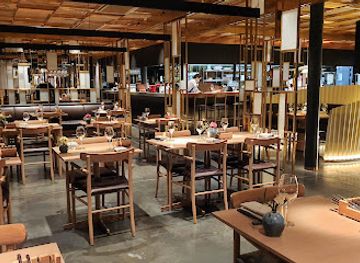
Tak
Stockholm's rooftop gem where Japanese craft elevates Nordic bounty amid breathtaking city panoramas and vibrant lounges.
-
Bar
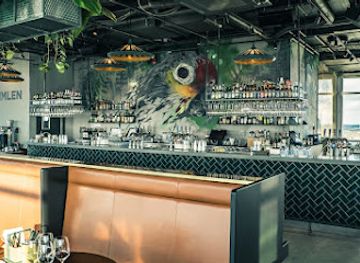
Himlen
Stockholm's sky-high sanctuary: epic panoramas, grilled perfection, and cocktail artistry from Skrapan's summit on lively Södermalm.
Best bars in Scania
Nightlife in Scania is concentrated in Malmö, Lund and Helsingborg, with a more subdued evening culture in smaller towns and rural districts. Malmö has the region’s widest selection of independent bars, cocktail rooms, live music venues, breweries and late-night establishments, particularly around the central districts, while Lund’s student population gives its pubs, cultural venues and music programme a youthful rhythm during university terms. Helsingborg combines bars and restaurants with a seafront setting and views across the Öresund. Ystad and Kristianstad offer smaller selections of pubs, cafés and occasional live entertainment rather than a large club scene. In Österlen and other rural areas, evenings are more likely to centre on a restaurant, traditional inn, seasonal event or farm brewery than on late-night venues. Check local arrangements in advance, as opening patterns can be seasonal and public transport becomes less frequent after evening services finish.
-
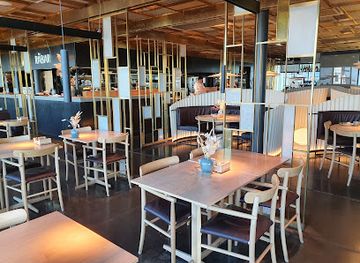
Bar
Kvarnen
A storied Södermalm beer hall and Swedish-kitchen classic serving hearty husmanskost, long drinks and late-night conviviality.
-
Bar
Tak
A multi-level rooftop restaurant and bar where Nordic ingredients meet Japanese technique, served with panoramic views over central Stockholm.
-
Cocktail bar
ICEBAR Stockholm by ICEHOTEL
World's first permanent icebar: sip from ice glasses in a -5°C Arctic wonderland, redesigned yearly with stunning sculptures from Sweden's Torne River.
-
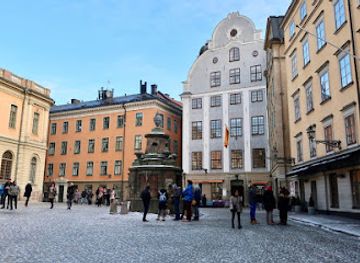
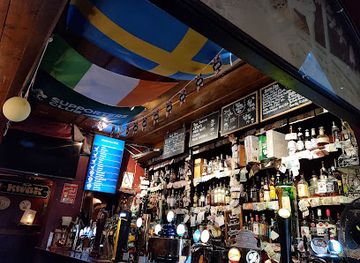
Irish pub
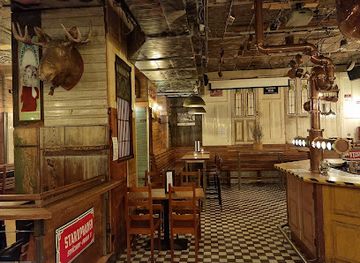
Wirströms Pub
Cosy Irish pub in Stockholm’s Gamla Stan — low-beamed rooms, hearty pub grub, big screens and live music in a cellar-like setting.
Best nightclubs in Scania
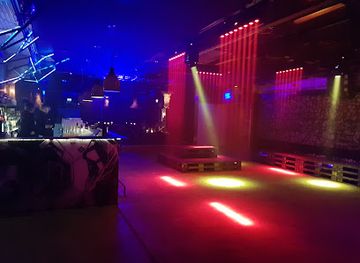
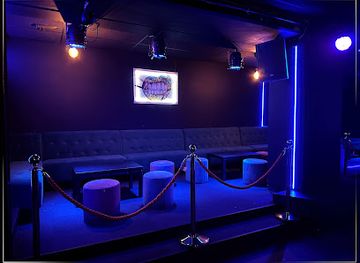
Nightlife in Scania is concentrated in Malmö, Lund and Helsingborg, with a more subdued evening culture in smaller towns and rural districts. Malmö has the region’s widest selection of independent bars, cocktail rooms, live music venues, breweries and late-night establishments, particularly around the central districts, while Lund’s student population gives its pubs, cultural venues and music programme a youthful rhythm during university terms. Helsingborg combines bars and restaurants with a seafront setting and views across the Öresund. Ystad and Kristianstad offer smaller selections of pubs, cafés and occasional live entertainment rather than a large club scene. In Österlen and other rural areas, evenings are more likely to centre on a restaurant, traditional inn, seasonal event or farm brewery than on late-night venues. Check local arrangements in advance, as opening patterns can be seasonal and public transport becomes less frequent after evening services finish.
-
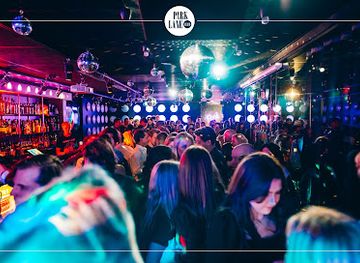
Night club
Park Lane
A theatrical dinner-show that morphs into one of Avenyn’s long-running late-night clubs — loud, luminous and designed for big nights out.
-
Night club
Slakthuset
A converted slaughterhouse turned multi‑room nightclub with a huge summer terrace and a raw industrial vibe for DJs, dancing and skyline drinks.
-
Night club
Colosseum Nightclub
A large, high-energy late-night club in Johanneshov with an expansive dance floor, loud music and theatrical lighting — built for dancing into the small hours.
-
Night club
Sense Stockholm
A compact central Stockholm nightclub — late DJ sets, close-up dancefloor energy and an atmospheric bar for weekend nights.

Best shops in Scania
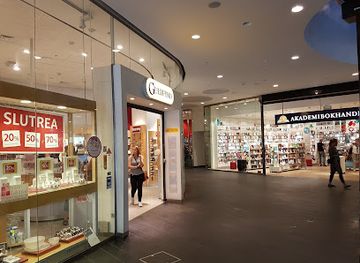
Shopping in Scania ranges from Malmö’s broad urban retail districts and independent design shops to the smaller high streets of Lund, Helsingborg, Ystad and Kristianstad. Malmö is the best place for contemporary Swedish design, fashion, books, homeware and a wide choice of international food shops, while Lund combines student-oriented retail with longstanding independent businesses around its historic centre. Ystad and Österlen are known for galleries, studios, antiques, ceramics, textiles and locally produced food, although many rural shops operate seasonally. Farm shops across the region sell apples, preserves, bread, vegetables, cheese, meat and other products that travel more easily than fragile souvenirs. Market days vary by town, so check locally rather than assuming daily trading. Craft and food purchases make more distinctive regional souvenirs than generic tourist merchandise; look for Scania-produced cider, baked goods, ceramics and design items, and carry a reusable bag for markets and small shops.
-
Shopping mall
Kringlan
Södertälje's enduring shopping circle on Storgatan: diverse stores, tasty cafés, and community vibes since 1965.
-
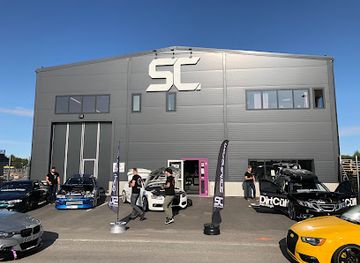
Car accessories store
Scandinavian Car Styling AB
Uppsala’s specialist car‑styling retailer for wheels, lighting, spoilers and practical aftermarket upgrades.
-
Truck dealer
Scania Sverige AB / Himle
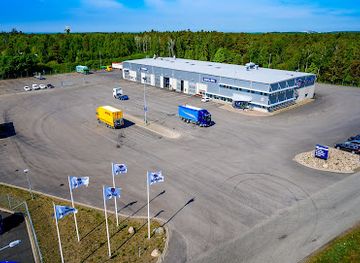
Explore cutting-edge truck technology and innovation at Scania Sverige AB in Tvååker, a must-see for transport enthusiasts.
Get your free copy of our complete guide to Scania, delivered straight to you.
Everything on this page, from attractions and restaurants to essentials and local phrases, in one PDF you can read offline, print or share.
Already have an account? Sign in
Your Scania guide is ready.
We'll send it to · Not you? Sign out

Getting your guide ready…
We are putting together a fresh copy of the Scania guide. This can take up to a minute.
This can take a few moments. If your browser asks, choose Allow so the download can start. You'll find the guide in your Downloads folder.
Nothing happened? Download it again
Sorry, the guide is taking longer than usual. Please try again in a minute, or get it by email instead.
Scania essentials
Currency and Payment
Safety
Emergency Situations
Do's and Don'ts
Local Tips
From Eve
Local phrases worth knowing
You don't need to get them perfect. A few words go a long way, and locals appreciate the effort.
Basics
| English | Local | Say it |
|---|---|---|
| Hello | Hej | [hay] |
| Goodbye | Hej då | [hay daw] |
| Yes | Ja | [yah] |
| No | Nej | [nay] |
| Please/You're welcome | Tack | [tahk] |
| Thank you | Tack så mycket | [tahk so myeht] |
| Excuse me/Sorry | Förlåt | [fur-loht] |
| How are you? | Hur mår du? | [hur mohr doo] |
| Fine. And you? | Bra. Och du? | [brah. ohk doo] |
| Do you speak English? | Talar du engelska? | [tah-lar doo eng-el-skah] |
| I don't understand | Jag förstår inte | [yahg fur-stor in-teh] |
Eating & Drinking
| English | Local | Say it |
|---|---|---|
| I'd like to see the menu, please | Jag skulle vilja se menyn, tack | [yahg skool-leh vil-yah seh meh-nyoon, tahk] |
| I don't eat meat | Jag äter inte kött | [yahg eh-ter in-teh shutt] |
| Cheers! | Skål! | [skoal] |
| I would like to pay, please | Jag skulle vilja betala, tack | [yahg skool-leh vil-yah beh-tah-lah, tahk] |
Emergencies
| English | Local | Say it |
|---|---|---|
| Help! | Hjälp! | [yelp] |
| Go away! | Gå bort! | [gaw bort] |
| Call the Police! | Ring polisen! | [ring po-lee-sen] |
| Call a doctor! | Ring en doktor! | [ring en dok-tor] |
| I'm lost | Jag är vilse | [yahg air vil-seh] |
| I'm ill | Jag är sjuk | [yahg air shoo-k] |
Shopping
| English | Local | Say it |
|---|---|---|
| I'd like to buy... | Jag skulle vilja köpa... | [yahg skool-leh vil-yah shuh-pah...] |
| I'm just looking | Jag tittar bara | [yahg tit-tar bah-rah] |
| How much is it? | Hur mycket kostar det? | [hur mye-kt koh-star deh] |
| That's too expensive | Det är för dyrt | [deh air fur deer-t] |
| Can you lower the price? | Kan du sänka priset? | [kan doo sen-kah pree-set] |
Time & Numbers
| English | Local | Say it |
|---|---|---|
| What time is it? | Vad är klockan? | [vahd air klok-kan] |
| It's one o'clock | Det är ett | [deh air eht] |
| Half past (10) | Halv efter (10) | [halv ef-ter (10)] |
| Morning | Morgon | [mor-gon] |
| Afternoon | Eftermiddag | [ef-ter-mid-dahg] |
| Evening | Kväll | [kvehll] |
| Yesterday | Igår | [ee-gor] |
| Today | Idag | [ee-dahg] |
| Tomorrow | Imorgon | [ee-mor-gon] |
| 1 | 1 | [ett] |
| 2 | 2 | [två] |
| 3 | 3 | [tre] |
| 4 | 4 | [fyra] |
| 5 | 5 | [fem] |
| 6 | 6 | [sex] |
| 7 | 7 | [sju] |
| 8 | 8 | [åtta] |
| 9 | 9 | [nio] |
| 10 | 10 | [tio] |
Transport & Directions
| English | Local | Say it |
|---|---|---|
| Where's a/the...? | Var är en/den...? | [var air en/den...?] |
| What's the address? | Vad är adressen? | [vahd air ah-dres-sen] |
| Can you show me (on the map)? | Kan du visa mig (på kartan)? | [kan doo vee-sah mayg (poh kar-tan)?] |
| When's the next (bus)? | När går nästa (buss)? | [naer gor nehs-tah (boos)?] |
| A ticket (to ....) | En biljett (till ....) | [en bil-yett (til ....)] |
History of Scania
Prehistoric Scania and the Viking Age
Scania has been settled since the Stone Age, and its open terrain preserves evidence of farming communities, burial monuments and ceremonial sites. The stone ship monument known as Ales Stenar above Kåseberga is one of the region’s most recognisable prehistoric remains, although its exact purpose and date remain debated. During the Viking Age, Scania formed part of the Danish world and benefited from movement across the Baltic and Öresund. Coastal trading places and inland farming settlements helped establish patterns of settlement that still influence the region’s geography.
Lund and the Medieval Danish Church
Under Danish rule, Lund became one of Scandinavia’s most important ecclesiastical centres. The archbishopric of Lund was established in 1103, and the cathedral, begun in the early twelfth century, became a major religious and political institution. Medieval towns such as Ystad, Helsingborg and Malmö developed through trade, administration and maritime connections. Castles and fortified estates, including Glimmingehus, reflected the strategic importance of Scania, which stood between the Danish kingdom, the Baltic and the territories to the north.
Scania as a Danish Borderland
For centuries Scania was Danish, culturally connected to Zealand and Jutland as well as to the wider Baltic region. Fishing, agriculture and trade were central to the economy, while Helsingborg and Malmö occupied important positions on the Öresund. The region’s language and customs developed within a southern Scandinavian setting distinct from much of central Sweden. Churches, manor houses, town plans and fortifications preserve elements of this Danish period, even though later political changes brought Scania firmly into the Swedish state.
The Transfer to Sweden and the Scanian War
The Treaty of Roskilde in 1658 transferred Scania, along with several other Danish territories, to Sweden. The change was contested, and the Scanian War of 1676–1679 brought fighting to the region, including the Battle of Lund in 1676, one of the bloodiest battles in Scandinavian history. After the war, the Swedish crown strengthened administration, military control and cultural integration. The transition was gradual rather than immediate, and the region’s Danish heritage remained visible in speech, architecture and local traditions.
Agriculture, Ports and Industrial Growth
Scania’s fertile soils supported a major agricultural economy, particularly as improved farming methods and transport connected producers with growing towns. Malmö expanded as a port and industrial centre, while Helsingborg developed commercial and shipping links across the Öresund. Railways and improved roads transformed access between the cities and countryside during the nineteenth century. Food processing, engineering, shipping and manufacturing joined farming as important sources of employment, creating the economic foundations of modern southern Sweden.
The Öresund Bridge and a Connected Region
The opening of the Öresund Bridge in 2000 created a direct fixed link between Malmö and Copenhagen, complementing existing ferry and rail connections. It encouraged commuting, business cooperation, study and tourism across the strait and strengthened Malmö’s role within a wider cross-border metropolitan area. The bridge also altered the way visitors experience Scania: Copenhagen Airport is now a practical gateway for many international travellers, while Malmö and Lund function as Swedish centres within an increasingly interconnected Öresund region.
Scania in Photos
Browse through our photo collection highlighting the charm and character of the destination.
Neighbouring regions of Scania
The closest regions to Scania, if you have time for more than one.
-

-

-

-

-


Swipe for more regions
Explore more
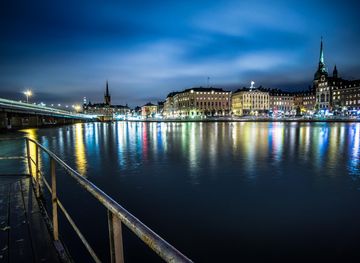
Explore more of Sweden
Discover Sweden's breathtaking landscapes, vibrant cities, and rich cultural heritage. From the Northern Lights to historic castles, experience the essence of Scandinavia.
Explore Sweden