

Scania Museum - Sweden, Scania Travel Guide
A compact, free visitor centre that tells Scania’s engineering story through trucks, engines, railcars and century-old industrial artifacts.
Set within Scania’s corporate campus, the Marcus Wallenberg Hall (Scania Museum) charts the Swedish manufacturer’s journey from early bicycles and cars to modern heavy trucks, buses and sustainable transport solutions. The free visitor centre houses restoration pieces, engines, historic rail cars and contemporary prototypes in spacious halls that combine industrial heritage with company storytelling. It's a compact, focused attraction for transport and engineering enthusiasts.
A brief summary to Scania Museum - Sweden
- Vagnmakarvägen 2, Södertälje, 151 32, SE
- Click to display
- Click to display
- Duration: 0.5 to 1.5 hours
- Free
-
 Indoor
- Mobile reception: 4 out of 5
- Monday 10 am-3 pm
- Tuesday 10 am-3 pm
- Wednesday 10 am-3 pm
- Thursday 10 am-3 pm
- Friday 10 am-3 pm

Know before you go
Hi, I'm Eve. Here are a few practical things to know before exploring Scania Museum - Sweden.
- Admission is free; check ahead by phone or email because the centre can be closed for corporate events or special closures.
- Allow 45–90 minutes to explore: engine displays and detailed coachwork reward a slower pace for enthusiasts.
- The on-site shop accepts card payments only and stocks Scania-themed souvenirs and scale models.
- Photography for personal use is typically acceptable; avoid flash on fragile exhibits and respect any staff requests.
Do you manage this location?
Take control to get all the benefits, like improved information, better appearance, and stronger visibility across AI-powered discovery. Learn more about listing your business on Evendo
Activate your presenceOther nearby places you may find interesting
The closest places of the same kind, if this one is not quite what you had in mind.
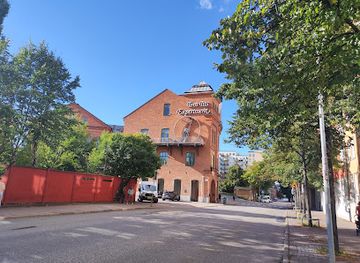




Explore Scania Museum - Sweden on the Map
A handpicked selection of must-see spots near Scania Museum - Sweden, mapped for you.
Getting There
-
Regional train + walk
Take a regional commuter train to Södertälje centrum or Södertälje hamn (typical 25–35 minutes from central Stockholm); from the station expect a 15–25 minute walk across mostly level, paved streets with sidewalks; service frequency varies by time of day and some trains require a regional ticket (SEK fares depend on provider and zone).
-
Local bus
Use local bus services that serve industrial areas near Scania headquarters — typical journey times 10–20 minutes from central Södertälje depending on route; buses run on a regular local schedule but may reduce frequency evenings and public holidays; standard local fare applies and exact price depends on the transit card or single-ride ticket used.
-
Private car
Driving from Södertälje town centre usually takes 5–10 minutes depending on traffic; on-site visitor parking is available but can be limited during busy corporate days and some lots are reserved for staff, so allow extra time to find a space; there is no paid entry but parking is on private property — observe signage and any staff directions.
For the on-the-go comforts that matter to you
-
 Restrooms
-
 Drink Options
-
 Food Options
-
 Seating Areas
-
 Information Boards
-
 Visitor Center
Discover more about Scania Museum - Sweden
A company’s story told through machines
The Marcus Wallenberg Hall presents Scania’s history as a sequence of engineered objects: bicycles, motorcycles, early private cars, heavy trucks, buses, diesel engines and even a preserved railway carriage. Exhibits are arranged to show evolution — changes in scale, materials and purpose — so the collection reads like a timeline of industrial design and mechanical craft.Halls and highlights you can examine
The layout divides displays into distinct rooms and halls where key themes are foregrounded. The Main Hall is dominated by large vehicles and modern product lines; the Railway Hall focuses on rail vehicles and historical connections to Sweden’s transport networks; a heritage room collects early Scania–Vabis artifacts, archives and technical drawings. Engines, cross-sections and chassis are displayed for close inspection, revealing how powertrains and chassis design have changed over a century.Material culture and manufacturing detail
The museum emphasises engineering detail: visible gear trains, engine casings, badges, period signage and tooling. Close-up displays of diesel engines from different eras and preserved coachwork let you trace how metals, fabrication techniques and ergonomics evolved. Original livery, maker’s plates and period accessories give texture to the collection, turning mechanical objects into cultural documents of Swedish industrial life.Design, innovation and sustainability themes
Alongside historical displays, dedicated sections explore Scania’s contemporary work on sustainable transport and connectivity. Exhibits present recent vehicle generations, driveline improvements and the company’s stated trajectory toward reduced emissions. Prototype components and informational panels frame the museum as both a corporate archive and a platform for current technical ambitions.Visitor experience and atmosphere
The building mixes clean corporate design with industrial scale: high ceilings, polished concrete floors and arranged clusters of vehicles. Lighting is practical rather than theatrical, encouraging close study rather than spectacle. Touches such as restored paintwork, original signage and a small shop with branded items give the place a quietly museum-like intimacy rather than a theme-park feel.Why the collection matters locally
Sited in Södertälje near Scania’s headquarters, the museum anchors the town’s industrial identity. Objects on display chart local manufacturing, export and technological shifts that helped shape regional employment and skills. The collection therefore functions as both a corporate narrative and a record of local industrial heritage.












Your all‑in‑one travel companion app
Explore expert travel guides, compare and book tours, experiences, hotels, and more—all from the palm of your hand. Download now for seamless trip planning wherever your wanderlust takes you.


Explore More of Scania
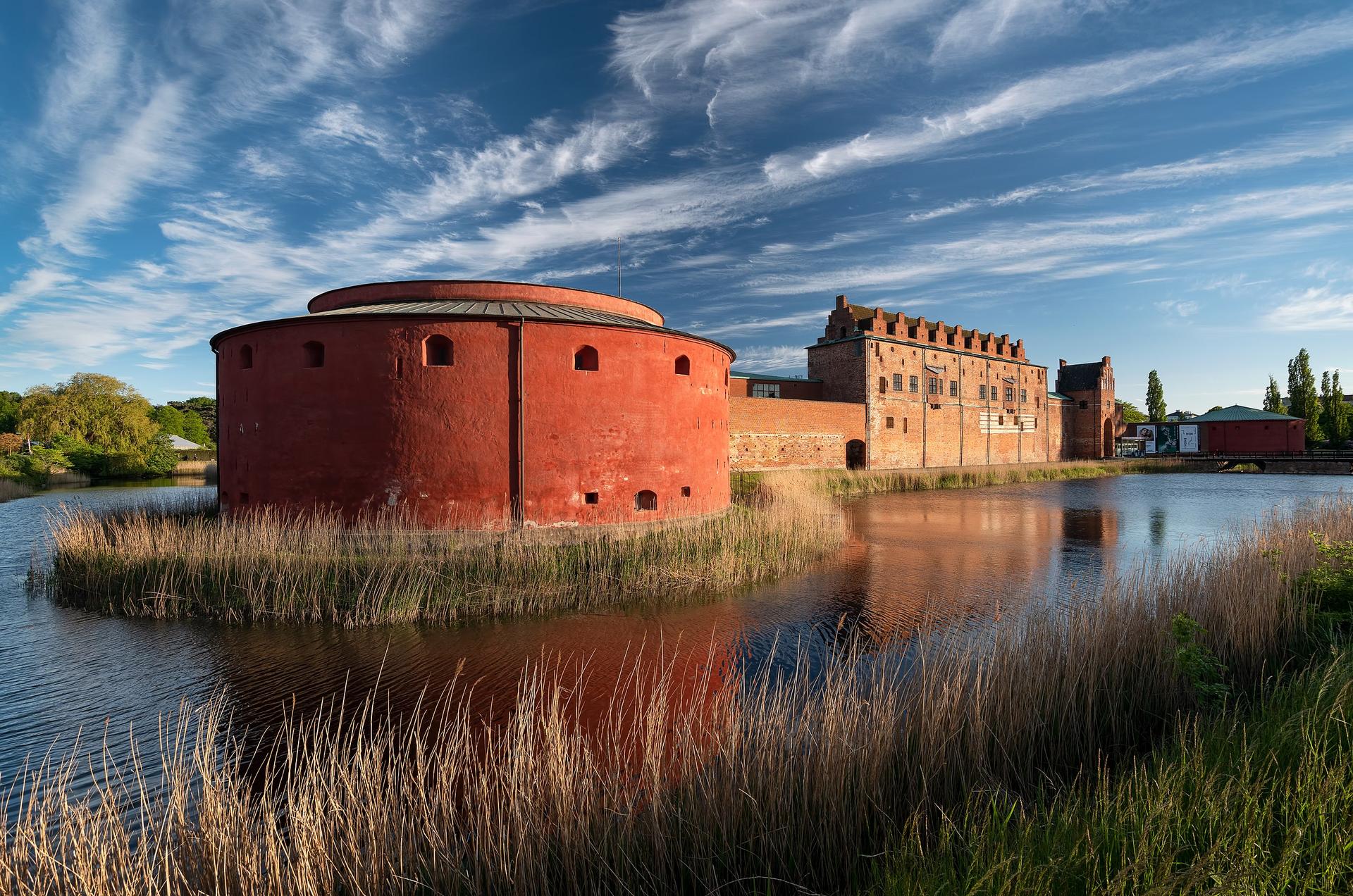
Looking beyond Scania Museum - Sweden? Discover Scania for broader travel guides, local hot-spots, and regional highlights.
Explore Scania
A small but varied municipal reserve of veteran trees, meadow flora and dead‑wood habitats with a short climb to a waterside outlook.

A compact, free visitor centre showcasing Scania’s history — from early bicycles and cars to modern trucks, engines and sustainable transport ideas.
