Telge hus Travel Guide
Free Guide: Atmospheric 14th‑century castle ruins on a lakeside knoll—archaeology, quiet views and a strong sense of place.


A brief summary of Telge hus
Atmospheric 14th‑century castle ruins on a lakeside knoll—archaeology, quiet views and a strong sense of place.
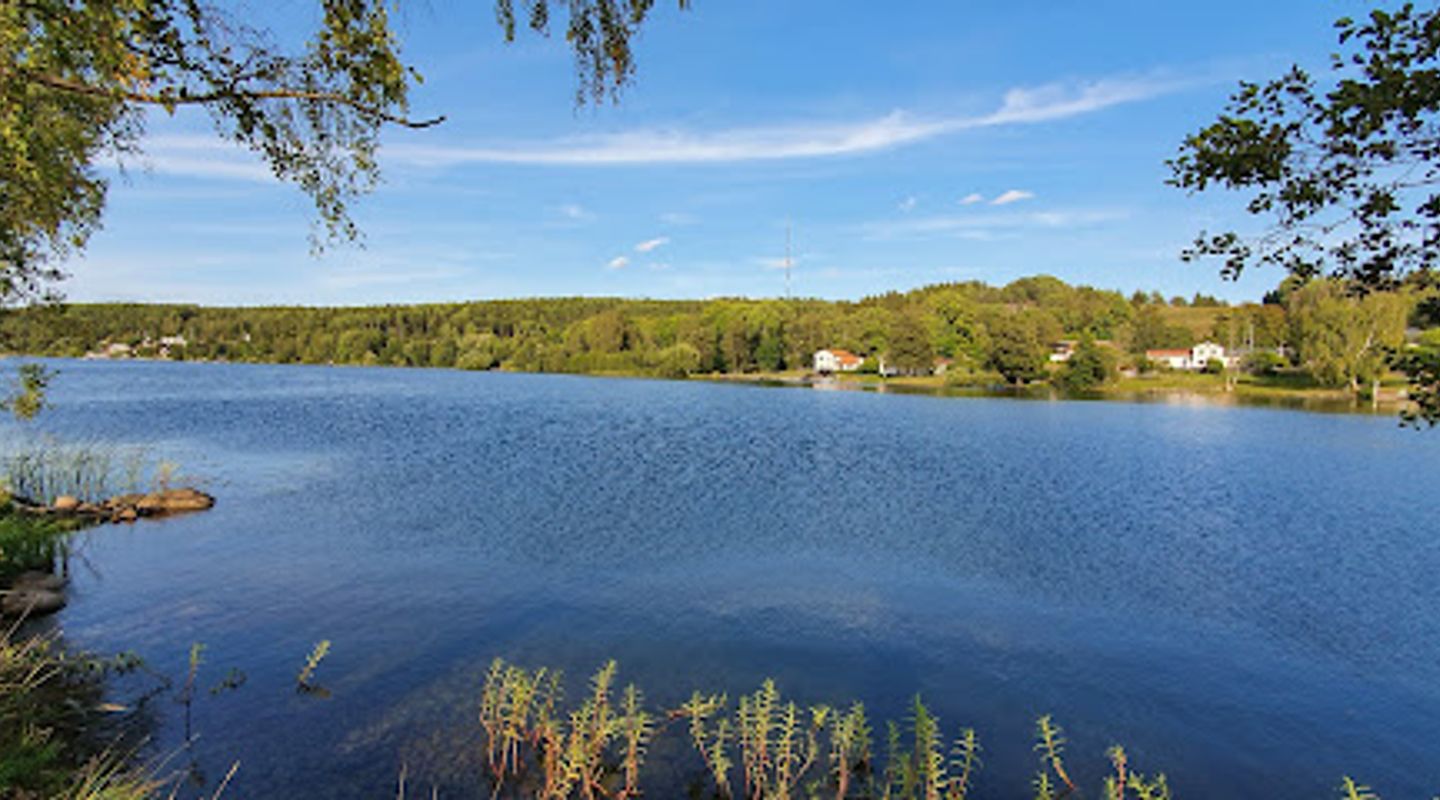
Telge hus, often called Ragnhildsborg, is the atmospheric ruin of a 14th-century fogdeborg on Slottsholmen just north of central Södertälje. Once a small administrative stronghold guarding and taxing traffic between Mälaren and the sea, the site now shows low stone walls, terraced earthworks and traces of moats amid lakeside pines and meadow—an evocative stop for anyone interested in medieval archaeology and quiet waterfront views.
On-site amenities
 Information boards
 Seating areas
 Trash bins
Opening hours
- Every dayOpen 24 hours
Opening hours as listed on the venue’s Google Business Profile. Hours can change for services and special events, so check with the venue before you go.
- Address
- Ragnhildsborgsvägen, 152 50 Södertälje
Getting there
Local bus and short walk
Bicycle from Södertälje centre
Car then short walk
Discover more about Telge hus
Origins and medieval role
Telge hus began life in the early 1300s as a compact stone fortification built to oversee and control the waterway between Mälaren and the sea. Administrative records show the site functioned as the seat for local authority through the 14th and 15th centuries, with the complex used to levy tolls and manage the surrounding district. Archaeological work has revealed the footprint of a hall, vaulted rooms and at least one tower, evidence of a deliberately constructed stone house rather than a sprawling castle.
What remains today
The surviving fabric is a mix of low stone walls, a clearly defined house foundation approximately twenty metres long and terraced embankments where earthworks and former moats once defined the stronghold. Weathered masonry and fragments of brick suggest the use of both quarried stone and fired clay in later repairs. The ruin sits on a raised knoll on Slottsholmen; post-glacial land uplift means the island is larger now than in medieval times, but the mound and its surrounding hollows still read as defensive landscaping.
Archaeology and finds
Excavations in the 20th century uncovered structural traces and artefacts that point to everyday life and conflict: fragments of roofing tile, traces of burnt timbers, and weapon-related finds from the water and shore. Marine archaeological surveys have located remains of a small harbour and a vessel wreck nearby, reinforcing the site's maritime connections. Many of the objects recovered from the digs are conserved and displayed locally, anchoring the ruin to the broader museum story of Södertälje.
Landscape, flora and stewardship
The ruin is set amid a mix of meadow, scrub and small stands of trees that frame views across the inlet. Management in recent decades has included stone consolidation and controlled grazing to keep vegetation from undermining masonry; grazing contributes to a varied ground flora found around the ruin. Informational panels on-site outline the site's history and ongoing conservation needs, and the shallow shoreline and paths offer pleasant vantage points for contemplating the layered relationship between land, water and human settlement.
Visitor character and atmosphere
Telge hus is a contemplative, low-key historic site rather than a reconstructed attraction: expect exposed foundations, short stretches of wall and visible archaeological features rather than full buildings. The combination of ruined stone, surrounding meadow and water views creates a quietly evocative setting for anyone drawn to ruins, local medieval history or simple waterfront walks; the place feels like a fragment of deeper time embedded in a modern landscape.
Connections to local storylines
Locally the ruin is also known by the name Ragnhildsborg, a later-era name linking the spot to the region's medieval saintly traditions. The site’s history intersects with broader regional developments—trade on the waterways, changes in defensive architecture and shifting settlement patterns—that shaped Södertälje and its environs across the late Middle Ages. On-site interpretation connects those threads and places the ruin within the long human use of the shoreline.
Evendo Review Centre
 Google
Guest reviews
Best time to go
Quietest: Jan, Feb & Dec · before 8am or from 8pm
Busy times are Evendo estimates for a typical year, to help you plan. Actual crowds vary with events, school holidays and the weather.
Explore Telge hus on the map
A handpicked selection of must-see spots near Telge hus, mapped for you.
Get your free copy of our complete guide to Telge hus, delivered straight to you.
Everything on this page, from opening hours and how to get there to Eve’s tips and the best time to go, in one PDF you can read offline, print or share.
Already have an account? Sign in
Your Telge hus guide is ready.
We'll send it to · Not you? Sign out

Getting your guide ready…
We are putting together a fresh copy of the Telge hus guide. This can take up to a minute.
This can take a few moments. If your browser asks, choose Allow so the download can start. You'll find the guide in your Downloads folder.
Nothing happened? Download it again
Sorry, the guide is taking longer than usual. Please try again in a minute, or get it by email instead.
Other nearby places you may find interesting
The closest places of the same kind, if this one is not quite what you had in mind.
-
-
-
-
-


Swipe for more places
More to explore near Telge hus

 Best experiences near Telge hus
 Best hotels near Telge hus
 Best landmarks near Telge hus
 Best attractions near Telge hus
 Best shops near Telge hus
 Best restaurants near Telge hus
 Best bars near Telge hus
Do you manage this location?
Take control to get all the benefits, like improved information, better appearance, and stronger visibility across AI-powered discovery.
Explore more

Explore more of Scania
Discover the idyllic landscapes, rich history, and vibrant culture of Scania, the enchanting southern region of Sweden.
Explore Scania
Explore more of Sweden
Discover Sweden's breathtaking landscapes, vibrant cities, and rich cultural heritage. From the Northern Lights to historic castles, experience the essence of Scandinavia.
Explore Sweden