Finska Kyrkan, Stockholm Travel Guide
Discover Finska Kyrkan, Stockholm's historic Finnish Lutheran haven—from 17th-century theater to sacred space, beside the palace with a tiny lucky statue nearby.
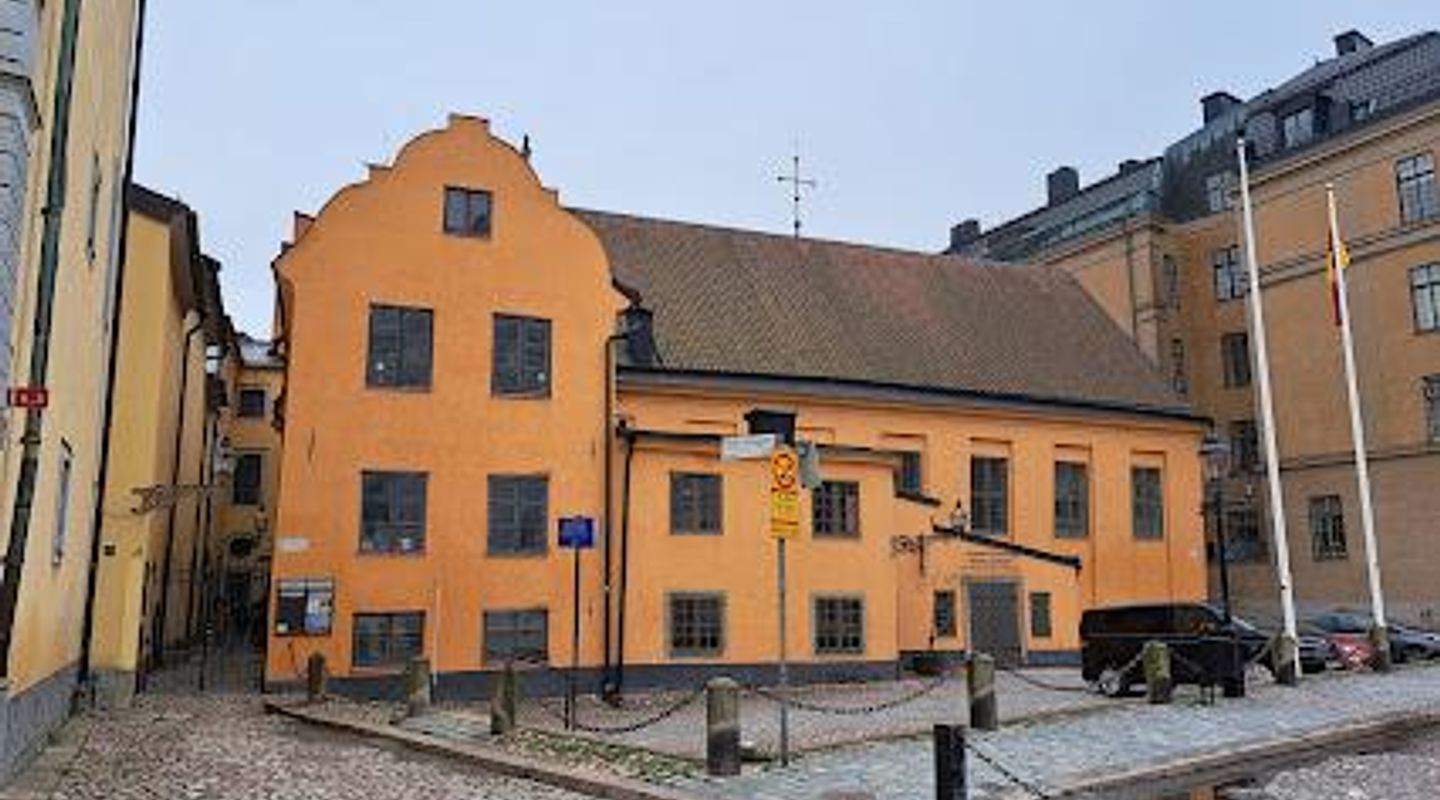
Nestled in Stockholm's Gamla Stan, Finska Kyrkan is a historic Lutheran church serving the Finnish parish since 1725. Originally Lilla Bollhuset, a 17th-century sports and theater venue, it was transformed into a place of worship by architect Göran Adelcrantz. This unassuming yellow building beside the Royal Palace preserves centuries of Finnish-Swedish cultural ties, with services primarily in Finnish. Adjacent is a quaint courtyard featuring Järnpojke, Stockholm's tiniest monument. Free entry offers a serene escape amid the bustling old town.
A brief summary to Finska Kyrkan
- Slottsbacken 2B, C, Stockholm, 111 30, SE
- Click to display
- Click to display
- Duration: 0.5 to 1.5 hours
- Free
-
 Outdoor
- Mobile reception: 5 out of 5

Know before you go
Hi, I'm Eve. Here are a few practical things to know before exploring Finska Kyrkan.
- Visit the courtyard behind the church to find Järnpojke; gently pat his head three times while making a wish for good fortune.
- Attend a Finnish-language service if possible for an authentic cultural immersion in this historic parish.
- Admire the restored 18th-century organ during quiet moments; its mechanics hark back to Baroque craftsmanship.
Do you manage this location?
Take control to get all the benefits, like improved information, better appearance, and stronger visibility across AI-powered discovery. Learn more about listing your business on Evendo
Activate your presenceOther nearby places you may find interesting
The closest places of the same kind, if this one is not quite what you had in mind.


Explore Finska Kyrkan on the Map
A handpicked selection of must-see spots near Finska Kyrkan, mapped for you.
Unlock the Best of Finska Kyrkan
Buy tickets
-
No tickets available
Book tours with entry


Getting There
-
Walking
From Stockholm Central Station, walk 15-20 minutes through Gamla Stan's pedestrian alleys; flat cobblestone terrain suits most visitors, though narrow paths limit wheeled luggage.
-
Public Bus
Take bus 3 from Central Station to Slottsbacken stop, 10-15 minutes travel time; services run every 10-15 minutes daily, fares 30-40 SEK, alight directly at the palace slope.
-
Taxi
Taxi from city center takes 8-12 minutes depending on traffic; metered fares average 150-250 SEK, drop-off restricted near palace but accessible via Slottsbacken.
-
Ferry
SL ferry from Nybroviken to Slussen, 10 minutes crossing; then 8-10 minute walk; summer seasonal with frequent departures, ticket 40 SEK integrated with public transport.
For the on-the-go comforts that matter to you
-
 Restrooms
-
 Seating Areas
-
 Information Boards
Discover more about Finska Kyrkan
From Bollhus to Sacred Space
Built between 1648 and 1653 as Lilla Bollhuset, an extension to the larger Stora Bollhuset, this structure initially hosted ball sports and became a key site in Swedish theater history. Visiting troupes, including German theater companies, performed here from 1662 to 1686. In 1725, with royal approval from King Fredrik I, the Finnish parish purchased the building and commissioned architect Göran Adelcrantz to convert it fully into a church. The transformation was completed swiftly, with the new Finska Kyrkan—also known as Fredriks Kyrka—dedicated on December 19, 1725.Roots of the Finnish Parish
The Finnish congregation traces its origins to 1577, one of the oldest continuous Finnish-language activities in Sweden. Early services occurred in the dissolved Svartbrödraklostret church, followed by nomadic worship in sites like Storkyrkan, Tyska Kyrkan, Riddarholmskyrkan, and Katarina Kyrka. This peripatetic existence ended with the Slottsbacken purchase, securing a permanent home amid Gamla Stan's cobblestone charm. Predikningar were delivered in both Finnish and Swedish for centuries, reflecting bilingual heritage, though Finnish now predominates.Architectural Simplicity and Interior Treasures
Lacking a tower, the modest yellow facade blends seamlessly into Slottsbacken's slope toward the Royal Palace. Inside, highlights include the altar, pulpit, and organ gallery. The original organ, built by an unknown maker, was rebuilt in 1752 by Jonas Gren and Petter Stråhle with six stops and three bellows. A mechanical organ followed in 1790 by Olof Schwan, restored meticulously in 1990-91 by Åkerman & Lund, preserving its historical timbre for contemporary services.Cultural Bridge Across Centuries
Finska Kyrkan embodies enduring Finnish-Swedish bonds, predating modern Finland as a state. It remains part of the Church of Sweden's Finnish Parish, fostering community through worship, events, and cultural preservation. The site's proximity to landmarks underscores its role in Gamla Stan's tapestry, where medieval alleys meet royal grandeur.Järnpojke's Enchanted Courtyard
Behind the church lies a hidden courtyard gem: Järnpojke, the Iron Boy, Stockholm's smallest public sculpture at 15 cm tall. Created by Liss Eriksson in 1954 and installed in 1967, this bronze figure sits hunched on a pedestal, gazing skyward—earning the moniker 'Boy Looking at the Moon.' Visitors polish his head for luck, leaving coins that fund Finnish children's aid, adding whimsy to the church's solemnity.












Your all‑in‑one travel companion app
Explore expert travel guides, compare and book tours, experiences, hotels, and more—all from the palm of your hand. Download now for seamless trip planning wherever your wanderlust takes you.


Explore More of Stockholm
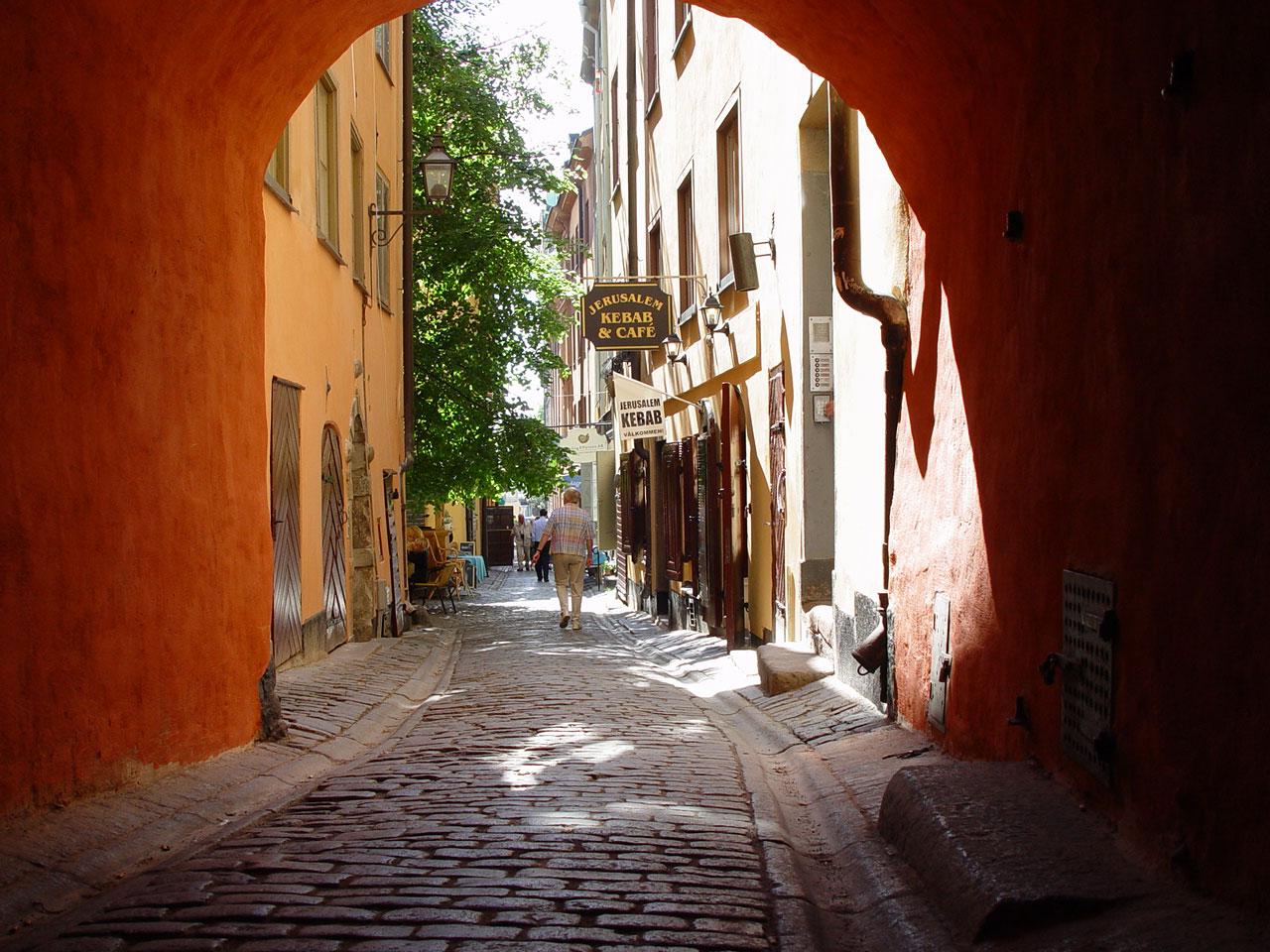
Looking beyond Finska Kyrkan? Discover Stockholm for broader travel guides, local hot-spots, and regional highlights.
Explore Stockholm