

Gröna Lund, Stockholm Travel Guide
Free Guide: A compact, historic seaside amusement park on Djurgården where roller‑coasters, concerts and fairground treats meet Stockholm’s waterfront views.


A brief summary of Gröna Lund
A compact, historic seaside amusement park on Djurgården where roller‑coasters, concerts and fairground treats meet Stockholm’s waterfront views.
Perched on the waterfront of Djurgården, Gröna Lund is Stockholm’s historic amusement park where century-old charm meets modern thrills. Compact and atmospheric, the park pairs vertiginous roller‑coasters and family rides with live concerts, fairground snacks and open views over the city’s archipelago — all within a tight, tree‑lined site that rewards evening visits and festival nights.
On-site amenities
 Restrooms
 Drink options
 Drinking water
 Food options
 Seating areas
 Trash bins
 Information boards
- Address
- Lilla Allmänna Gränd 9, 115 21 Stockholm
- Phone
- Website
Getting there
Ferry
Tram / Bus
Taxi / Rideshare
Discover more about Gröna Lund
Roots and waterfront character
Gröna Lund occupies a narrow strip of land on Djurgården, its gates opening onto the water and a skyline of islands and historic buildings. Established in the late 19th century, the park has retained a compact footprint that forces rides, stages and food stalls into an intimate layout; that compression creates a distinct atmosphere where the hiss of a coaster, a burst of music from the stage and the smell of fried dough mingle with sea air.
Rides, attractions and performance spaces
The park’s mix ranges from classic carousels and family-friendly attractions to high-thrill roller‑coasters and drop towers that deliver skyline views for a few seconds of weightlessness. Interspersed among the rides are game booths, small stages and kiosks: a patchwork of experiences that can be browsed in any order. The central concert stage is a seasonal focal point, drawing both local bands and international acts during peak months.
Scale, circulation and sensory detail
Because the site is compact, sightlines are short and movement feels immediate — crowds circulate past cafes and rides in quick succession. Pavements and wooden decking sit alongside mature trees; the soundscape shifts from laughter to live music to mechanical roars within minutes. At dusk the park takes on a cinematic quality: colored lights on rides and strings of bulbs reflect on rippling water and create memorable silhouettes against the evening sky.
Food, festivals and seasonal rhythms
Food stalls and small restaurants offer everything from classic fair treats to more modern casual options, with vegetarian and vegan alternatives available across outlets. The park’s calendar follows a seasonal rhythm: busiest in late spring and summer when the concert season is in full swing, with special programming at Halloween and other festival periods that alter both opening hours and the overall mood.
Practical character and accessibility
Visitors experience the park as a lively, compact attraction rather than a sprawling theme park; this means easier transitions between rides and entertainment but also the potential for queues at peak times. The park makes provisions for families and varying abilities, offering a range of attractions suitable for children and adrenaline seekers alike, and several food and seating areas for short breaks.
Why it feels unique in the city
Gröna Lund’s combination of historic roots, restricted island site and active concert program gives it a double identity: part traditional fairground, part contemporary live-venue. Its proximity to water and the surrounding green of Djurgården amplifies the experience — you’re rarely far from a view across the harbour even while in the heart of the rides, which keeps the park feeling unmistakably Stockholmic.
Evendo Review Centre
 Google
Guest reviews
Best time to go
Quietest: Jan, Feb & Mar · before 8am
Busy times are Evendo estimates for a typical year, to help you plan. Actual crowds vary with events, school holidays and the weather.
Explore Gröna Lund on the map
A handpicked selection of must-see spots near Gröna Lund, mapped for you.
Get your free copy of our complete guide to Gröna Lund, delivered straight to you.
Everything on this page, from opening hours and how to get there to Eve’s tips and the best time to go, in one PDF you can read offline, print or share.
Already have an account? Sign in
Your Gröna Lund guide is ready.
We'll send it to · Not you? Sign out

Getting your guide ready…
We are putting together a fresh copy of the Gröna Lund guide. This can take up to a minute.
This can take a few moments. If your browser asks, choose Allow so the download can start. You'll find the guide in your Downloads folder.
Nothing happened? Download it again
Sorry, the guide is taking longer than usual. Please try again in a minute, or get it by email instead.
Unlock the best of Gröna Lund
Skip-the-line tickets, guided tours with entry, and walking tours of the area, booked in a few clicks.



Other nearby places you may find interesting
The closest places of the same kind, if this one is not quite what you had in mind.
-
-
-
-
-


Swipe for more places
More to explore near Gröna Lund

 Best experiences near Gröna Lund
 Best hotels near Gröna Lund
 Best landmarks near Gröna Lund
 Best attractions near Gröna Lund
 Best shops near Gröna Lund
 Best restaurants near Gröna Lund
 Best bars near Gröna Lund
Do you manage this location?
Take control to get all the benefits, like improved information, better appearance, and stronger visibility across AI-powered discovery.
Explore more

Explore more of Stockholm
Discover Stockholm: A captivating blend of history, culture, and natural beauty spread across 14 picturesque islands in Sweden's stunning capital city.
Explore Stockholm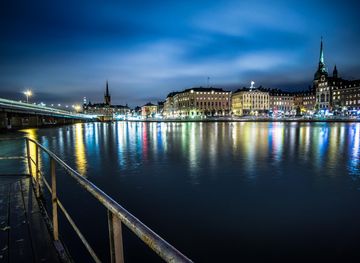
Explore more of Sweden
Discover Sweden's breathtaking landscapes, vibrant cities, and rich cultural heritage. From the Northern Lights to historic castles, experience the essence of Scandinavia.
Explore Sweden
