

Långholmen, Stockholm Travel Guide
Free Guide: From Sweden's central prison to lush green oasis: explore Långholmen's beaches, historic shipyard, preserved cells-now-hotel, and exotic gardens on this central Stockholm island retreat.


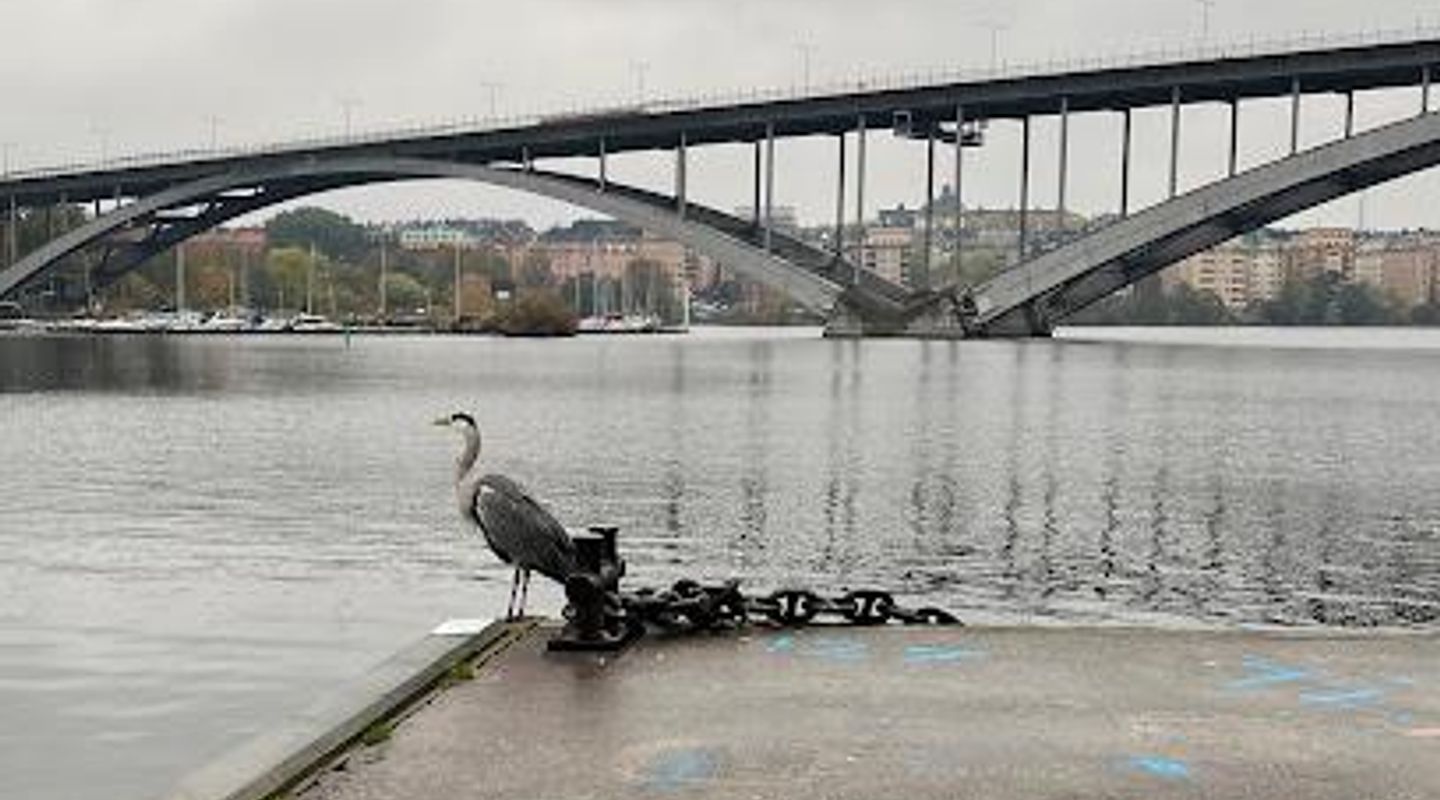
A brief summary of Långholmen
From Sweden's central prison to lush green oasis: explore Långholmen's beaches, historic shipyard, preserved cells-now-hotel, and exotic gardens on this central Stockholm island retreat.
Långholmen, a lush green island in central Stockholm, transformed from a notorious 250-year prison site into a serene public park. Connected by two bridges, it offers scenic walks, small beaches for summer swims, picnics amid exotic flora planted by inmates, and a unique hotel in the preserved prison buildings. Once barren rock, prisoner labor covered it in dredged mud, fostering gardens enriched by seeds from passing ships. Highlights include the historic Mälarvarvet shipyard, a prison museum, and spots tied to Sweden's last execution in 1910. Ideal for tranquil escapes with waterfront views.
On-site amenities
 Restrooms
 Drink options
 Food options
 Seating areas
 Picnic areas
 Trash bins
 Information boards
- Address
- 117 33 Stockholm
Getting there
Metro
Bus
Cycling
Walking
Discover more about Långholmen
Island's Strategic Past
Långholmen, meaning 'Long Island,' sits in Riddarfjärden bay between Södermalm and Kungsholmen, serving as a key stop for ships from Lake Mälaren into Stockholm. For centuries, its uninhabited rocky terrain made it a strategic military camp, especially during 15th- and 16th-century battles and the Russo-Swedish War of 1788–1790. Donated by Queen Christina to the city in 1647, it hosted a suburban farm and, from 1685, Mälarvarvet shipyard on the eastern end—a facility still operational today under city ownership.
From Spin House to Central Prison
In 1724, the city acquired the Alstavik farm to establish Långholmens spinnhus, a women's prison amid 17th-century famines that drove beggars to the streets. Women spun wool there until 1825, when operations shifted, and male prisoners took over with tasks like shoemaking, carpentry, and operating pedal-driven mills. Expanded in the 1800s, it reached 950 inmates. The grand Centralfängelset, built 1874–1880 by architect V. T. Anckarsvärd, boosted capacity by 300, introducing basket weaving and printing. It housed over 500 cells as Sweden's central prison until temporary closure in 1972–1975, fully ending in 1975.
Greening a Barren Rock
Originally stark and rocky, Långholmen was transformed by 19th-century inmates who dredged mud from surrounding waters to create soil. This fertile layer sprouted lush gardens, infused with exotic seeds carried by merchant ships, yielding a unique flora distinct from mainland Stockholm. Today, this 'Green Island' boasts verdant paths, meadows, and woodlands, a peaceful contrast to its penal past. Preservation efforts post-closure saved key structures from demolition, honoring 250 years of history as advocated by antiquities experts.
Notable Shadows of Justice
Långholmen holds dark milestones: site of Sweden's last execution on November 23, 1910, when Johan Alfred Ander met the guillotine at 8:06 a.m. for murder. Notable inmates included journalist Barbro Alving, author Jan Guillou, and activist Zeth Höglund. A plaque marks the execution spot, and a prison museum in the main building displays artifacts, original cells, and even uniforms for visitors. The complex, partially demolished in 1982, now includes a folk high school.
Modern Leisure Haven
Since 1989, the prison buildings host a 112-room hotel and hostel, renovated in 2007–2008, with cells converted to cozy accommodations—keycard access replacing iron bars. Guests enjoy breakfast on outdoor terraces overlooking beaches lively with summer swimmers and picnickers. Trails wind through gardens, past the overgrown Karlshälls Gård estate tied to the 1870s 'aquavit war,' and 'Fördärvet' pub site. Långholmen Football Club, founded in 2002 by expats, thrives on the gravel pitch, fostering community.
Bridges and Enduring Legacy
Accessed via Pålsundsbron (east) and Långholmsbron (west)—the latter rebuilt in steel in 1931 after wooden predecessors—Långholmen blends history and nature. A 1993 JAS 39 Gripen crash during the Water Festival left a stainless steel paper plane sculpture by Thomas Qvarsebo. This oasis remains a cherished retreat, its paths echoing from battles to incarceration, now alive with walkers savoring the island's improbable verdancy.
Evendo Review Centre
 Google
Guest reviews
Best time to go
Quietest: Jan, Feb & Dec · before 8am or from 11pm
Busy times are Evendo estimates for a typical year, to help you plan. Actual crowds vary with events, school holidays and the weather.
Explore Långholmen on the map
A handpicked selection of must-see spots near Långholmen, mapped for you.
Get your free copy of our complete guide to Långholmen, delivered straight to you.
Everything on this page, from opening hours and how to get there to Eve’s tips and the best time to go, in one PDF you can read offline, print or share.
Already have an account? Sign in
Your Långholmen guide is ready.
We'll send it to · Not you? Sign out

Getting your guide ready…
We are putting together a fresh copy of the Långholmen guide. This can take up to a minute.
This can take a few moments. If your browser asks, choose Allow so the download can start. You'll find the guide in your Downloads folder.
Nothing happened? Download it again
Sorry, the guide is taking longer than usual. Please try again in a minute, or get it by email instead.
Unlock the best of Långholmen
Skip-the-line tickets, guided tours with entry, and walking tours of the area, booked in a few clicks.
 Tour with entry
Self-Guided Tours In Stockholm With 100 Captivating Audio Stories
from $3.19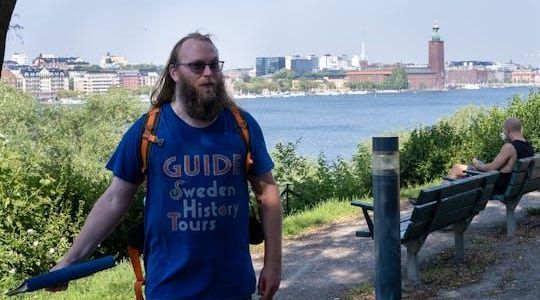 Tour with entry
Södermalm malmgård and Långholmen prison tour from Stockholm
from $11.31 Tour with entry
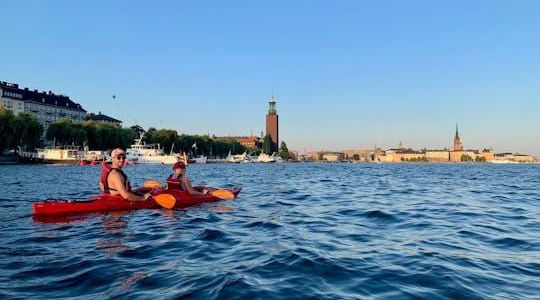
2 Hour Guided Kayak Trip in Central Stockholm
from $56.56 Tour with entry
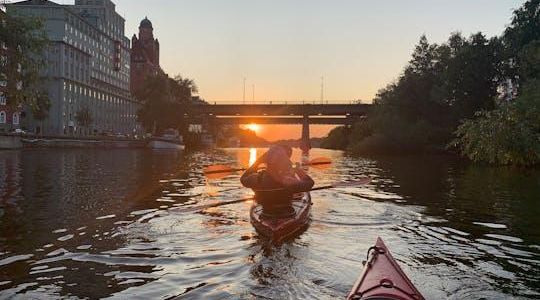
Stockholm city winter kayaking tour
from $129.40


Other nearby places you may find interesting
The closest places of the same kind, if this one is not quite what you had in mind.
-
-
-
-
-


Swipe for more places
More to explore near Långholmen

 Best experiences near Långholmen
 Best hotels near Långholmen
 Best landmarks near Långholmen
 Best attractions near Långholmen
 Best shops near Långholmen
 Best restaurants near Långholmen
 Best bars near Långholmen
Do you manage this location?
Take control to get all the benefits, like improved information, better appearance, and stronger visibility across AI-powered discovery.
Explore more

Explore more of Stockholm
Discover Stockholm: A captivating blend of history, culture, and natural beauty spread across 14 picturesque islands in Sweden's stunning capital city.
Explore Stockholm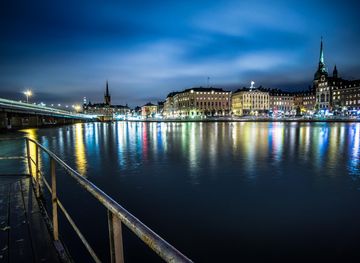
Explore more of Sweden
Discover Sweden's breathtaking landscapes, vibrant cities, and rich cultural heritage. From the Northern Lights to historic castles, experience the essence of Scandinavia.
Explore Sweden
