

Liljevalchs, Stockholm Travel Guide
A calm, century-old Stockholm kunsthalle on Djurgården combining Carl Bergsten’s 1916 architecture with contemporary gallery spaces and rotating exhibitions.
Liljevalchs konsthall is Stockholm’s century-old kunsthalle on Djurgården, celebrated for its airy exhibition rooms, historic 1916 Carl Bergsten–designed building and a modern extension opened in 2021 that expanded gallery space and visitor facilities. The programme focuses on contemporary and modern art, rotating themed exhibitions and the annual juried Vårsalong. The building’s restrained classical lines, daylight-filled halls and riverside setting make it a quietly elegant stop for art lovers.
A brief summary to Liljevalchs
- Djurgårdsvägen 60, Falkenbergsgatan 3, Stockholm, 115 21, SE
- Click to display
- Click to display
- Duration: 0.5 to 3 hours
- Mid ranged
-
 Indoor
- Mobile reception: 4 out of 5
- Monday 11 am-5 pm
- Tuesday 11 am-8 pm
- Wednesday 11 am-5 pm
- Thursday 11 am-8 pm
- Friday 11 am-5 pm
- Saturday 11 am-5 pm
- Sunday 11 am-5 pm

Know before you go
Hi, I'm Eve. Here are a few practical things to know before exploring Liljevalchs.
- Check exhibition information in advance; some special shows may have timed-entry or separate ticketing for major exhibitions.
- Allow at least 1.5–2 hours to experience both the historic galleries and the newer Liljevalchs+ spaces when exhibitions are extensive.
- The café inside the expanded wing is a convenient place to pause—menus often reflect seasonal ingredients and a relaxed café atmosphere.
Do you manage this location?
Take control to get all the benefits, like improved information, better appearance, and stronger visibility across AI-powered discovery. Learn more about listing your business on Evendo
Activate your presenceOther nearby places you may find interesting
The closest places of the same kind, if this one is not quite what you had in mind.


Explore Liljevalchs on the Map
A handpicked selection of must-see spots near Liljevalchs, mapped for you.
Getting There
-
Public transport tram or bus
Local tram and bus services connect central Stockholm with Djurgården; expect a 10–20 minute ride from central stations depending on route frequency. Services operate frequently during daytime hours but may be reduced late evening and on public holidays; single-ride tickets are priced in the local transit tariff zone and can be purchased via the regional transport app or ticket machines.
-
Ferry and short walk
Seasonal passenger ferries serve Djurgården from central quays; crossing time typically 10–15 minutes plus 5–10 minutes of walking along level paths to the hall. Ferry frequency varies by season; fares follow standard regional waterborne service pricing and require a valid transit ticket or on-board purchase where permitted.
-
Taxi or rideshare
A taxi or rideshare trip from central Stockholm to Djurgården usually takes 10–20 minutes depending on traffic; fare ranges vary by operator and time of day and typically reflect local metered rates. Expect limited drop-off space near the entrance during busy exhibition openings.
For the on-the-go comforts that matter to you
-
 Restrooms
-
 Drink Options
-
 Food Options
-
 Seating Areas
-
 Information Boards
Discover more about Liljevalchs
Origins of a public art hall
Liljevalchs konsthall was founded through the legacy of a 19th-century merchant family and opened its doors in March 1916 as an independent public venue for contemporary art. The founding idea was to create an institution outside the older academic museum traditions, with a mission to present living artists and new tendencies in painting, sculpture, design and applied arts. From the outset the hall offered a neutral, flexible place for exhibitions that could respond rapidly to artistic developments and cultural debates.Architecture that bridges tradition and modernity
The original building was designed by architect Carl Bergsten and completed between 1913 and 1916; it is widely regarded as an early expression of modern architecture in Sweden because it combines classical restraint with new concrete construction techniques. The exterior shows exposed structural rhythms—pilasters and horizontal bands of windows—while inside you find well-proportioned, daylight-oriented galleries and a calm courtyard that frames exhibitions with soft, indirect light. In 2021 a contemporary addition known as Liljevalchs+ increased exhibition area substantially while aiming to sit harmoniously beside Bergsten’s house.How the galleries feel and what’s shown
Interior spaces are varied in scale: smaller rooms for focused series and larger, high-ceilinged halls for more monumental installations. The museum’s programme traditionally mixes solo retrospectives, thematic group shows, design and craft presentations and temporary commissions, allowing works that demand varied hanging conditions and controlled natural light. Architectural details—shallow cornices, neutral finishes and a serene circulation—keep attention on the art while offering a coherent atmosphere from room to room.Notable cultural threads and events
Across its history Liljevalchs has staged exhibitions that reflect international currents as well as Swedish creativity. A juried spring salon has been a recurring moment in the annual calendar, opening space for emerging artists and experimental works. The hall has also hosted touring international shows and special exhibitions that have introduced new movements to local audiences. Over the decades, additions of sculptures and reliefs by prominent Swedish artists enrich the exterior and approach areas, linking the building to a broader sculptural tradition.Visitor experience and practical character
Approaching the building you’ll notice its unostentatious presence on Djurgården: modest in scale, refined in detail, and set within a green riverside context. Inside there is an easy rhythm between galleries, a café space created with visitor comfort in mind, and modernised facilities introduced during recent expansion. Lighting is a consistent design priority, with skylights and window bands providing gentle, even daylight that is well suited to paintings, drawings and three-dimensional works.Continuity and recent growth
Though more than a century old, Liljevalchs continues to adapt: conservation facilities and climate-aware galleries were part of its recent upgrade, while the new wings gave curators scope for larger, more technically demanding installations. The result is an institution that combines historical significance and architectural clarity with the practical needs of contemporary exhibition-making, offering both an emblematic early-20th-century art hall and a flexible, 21st-century exhibition venue.












Your all‑in‑one travel companion app
Explore expert travel guides, compare and book tours, experiences, hotels, and more—all from the palm of your hand. Download now for seamless trip planning wherever your wanderlust takes you.


Explore More of Stockholm
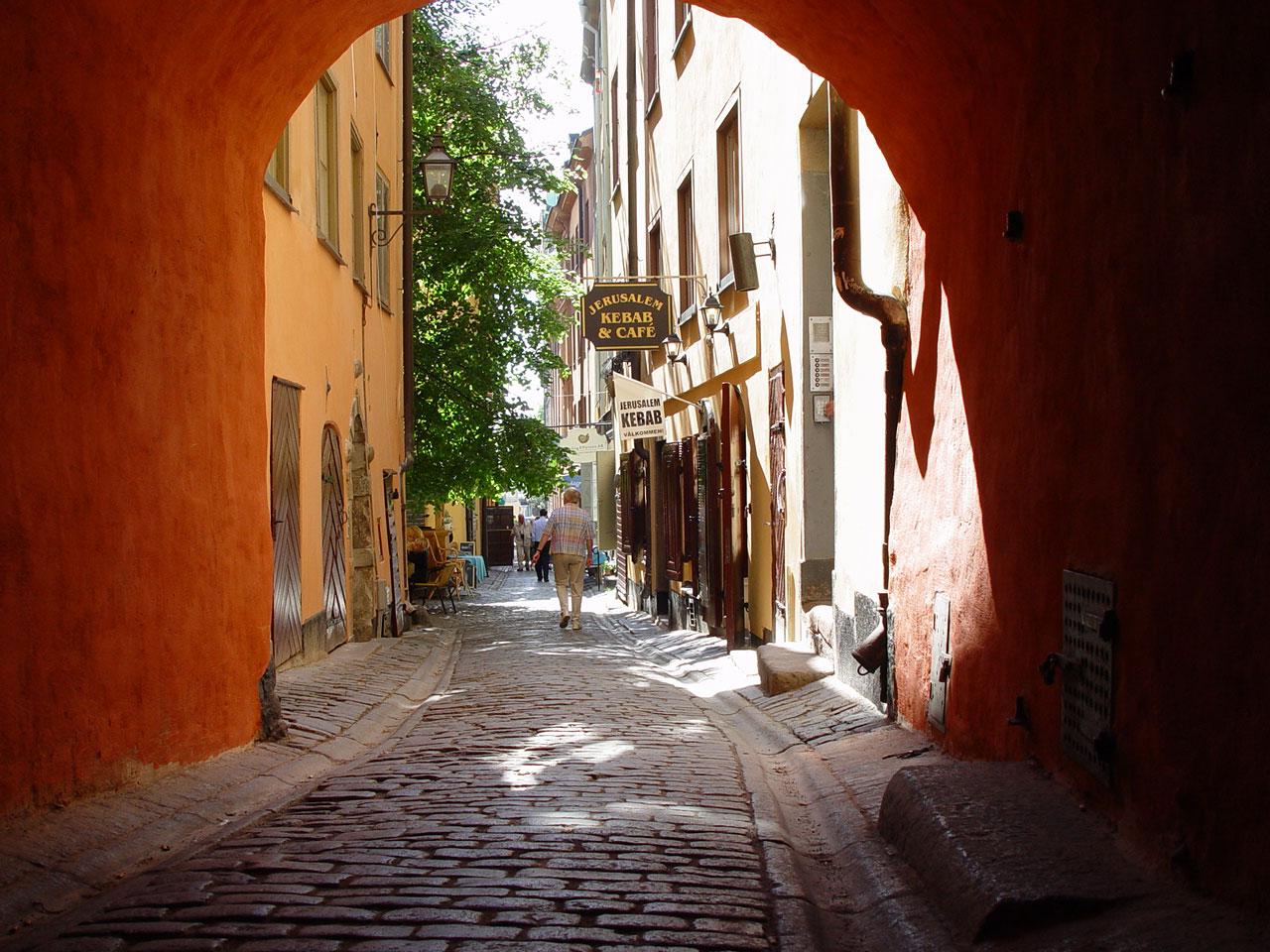
Looking beyond Liljevalchs? Discover Stockholm for broader travel guides, local hot-spots, and regional highlights.
Explore Stockholm