Logården, Stockholm Travel Guide
Free Guide: Kungliga slottet's baroque garden jewel: clipped hedges, serene ponds, and royal history unfolding against Saltsjön's gleam.


A brief summary of Logården
Kungliga slottet's baroque garden jewel: clipped hedges, serene ponds, and royal history unfolding against Saltsjön's gleam.
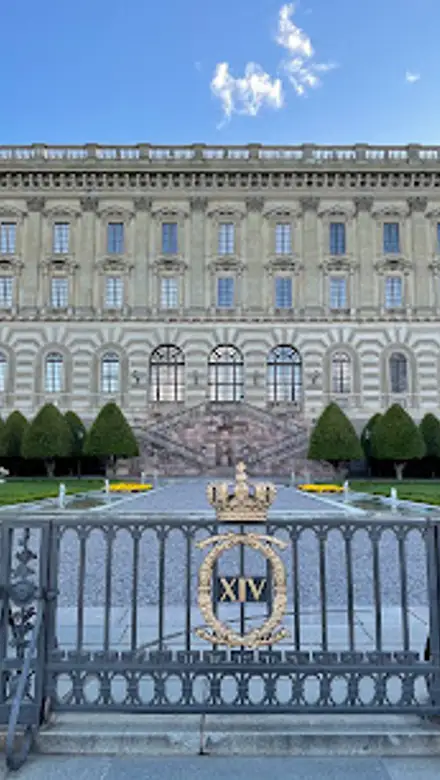
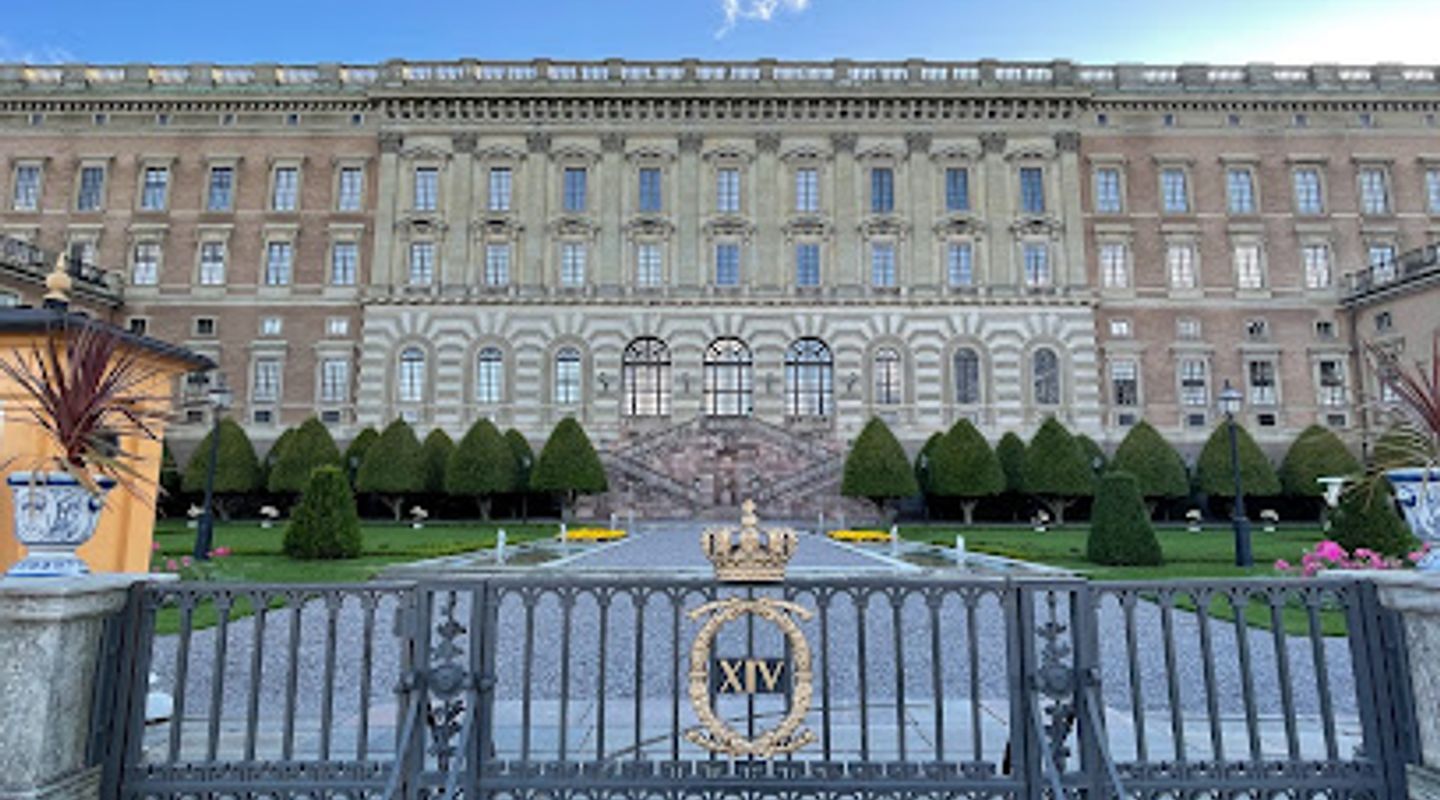
Logården is the elegant garden of Kungliga slottet in Stockholm, nestled between the palace's eastern wings overlooking Skeppsbron and Saltsjön. Featuring meticulously clipped hedges, slender ponds, sculptures, and terraced walkways, this baroque-inspired oasis embodies garden perfection. Its history spans wild animal enclosures and cannon storage in the 1600s to a refined 1930s redesign by Ivar Tengbom and Rudolf Abelin. Used for royal ceremonies and state visits, it offers a serene escape amid the city's historic heart.
On-site amenities
 Seating areas
 Trash bins
 Information boards
 Drink options
- Address
- Skeppsbron 2, 111 30 Stockholm
- Website
Getting there
Walking
Public Bus
Ferry
Taxi
Discover more about Logården
Origins and Enigmatic Name
Logården's name evokes mystery, possibly derived from the 1600s when the site stored 'lod'—lead cannonballs—or housed wild animals like lynx, wolves, and even lions in the era of Tre Kronor castle. This small garden between Kungliga slottet's southeast and northeast wings transformed over centuries from a utilitarian yard to a symbol of royal elegance. Today, it stands as a pristine enclave against the palace's eastern facade, facing Skeppsbron and the shimmering Saltsjön.
Baroque Evolution and Royal Designs
In 1757, the lower Logårdstrappan and terrace wall rose, likely following Nicodemus Tessin the Younger's 1713 drawings. Gustav III commissioned Fredrik Magnus Piper for a strict baroque park, completed posthumously in 1792. Karl XIV Johan later restored the walls and stairs in 1820. By 1798, it briefly became a miniature lush English park, showcasing the garden's adaptability to shifting tastes in landscape architecture.
Modern Refinement in the 1930s
The current layout, with its unmistakable 20th-century character, emerged from 1922 to 1930 under architects Ivar Tengbom and Rudolf Abelin. They introduced terraced levels, dramatic staircases, precisely clipped hedges, pyramid-shaped linden trees, and elongated ponds flanking the central path from the eastern vault to Skeppsbron. This redesign shifted it from enclosed English parkland to an open, symmetrical space, preserving baroque symmetry while embracing modernist precision.
Architectural Features and Sculptural Grace
Axel Magnus Fahlcrantz crafted the Logårdsbarriär— a granite wall with balusters—and ornate iron fence bearing Karl XIV Johan's gilded monogram in 1820-1822. Four allegorical sculptures atop the balustrade represent music, religion, poetry, and mercy, embodying classical feminine virtues aligned with the palace's eastern, 'queenly' facade. Marble amphorae, originally imported by Gustav III from Italy, add grandeur; standing 1.7 meters tall, they were repurposed here after plans for Hagaparken.
Ceremonial Heart of the Palace
As the palace's grand water entrance, Logården hosts state visits and royal weddings, where guests disembark from the royal barge Vasaorden at Logårdskajen and ascend via paradentré. Its formal layout suits solemn ceremonies and festive events, contrasting the inner courtyards' bustle. Amid topiary perfection and reflective pools, it invites quiet contemplation of Sweden's monarchical legacy, framed by the palace's imposing barock silhouette.
Serene Oasis in Gamla Stan
Tucked in Stockholm's historic core, Logården offers tranquil lawns, flowerbeds, and water features for respite. Open for special occasions, it captivates with sensory harmony: rustling leaves, fountain murmurs, and stone underfoot. This pocket of perfection endures as one of the royal gardens best retaining its early 20th-century essence, a living testament to evolving royal horticulture.
Evendo Review Centre
 Google
Guest reviews
Best time to go
Quietest: Jan, Feb & Dec · before 8am or from 10pm
Busy times are Evendo estimates for a typical year, to help you plan. Actual crowds vary with events, school holidays and the weather.
Explore Logården on the map
A handpicked selection of must-see spots near Logården, mapped for you.
Get your free copy of our complete guide to Logården, delivered straight to you.
Everything on this page, from opening hours and how to get there to Eve’s tips and the best time to go, in one PDF you can read offline, print or share.
Already have an account? Sign in
Your Logården guide is ready.
We'll send it to · Not you? Sign out

Getting your guide ready…
We are putting together a fresh copy of the Logården guide. This can take up to a minute.
This can take a few moments. If your browser asks, choose Allow so the download can start. You'll find the guide in your Downloads folder.
Nothing happened? Download it again
Sorry, the guide is taking longer than usual. Please try again in a minute, or get it by email instead.
Other nearby places you may find interesting
The closest places of the same kind, if this one is not quite what you had in mind.
-
-
-
-
-


Swipe for more places
More to explore near Logården

 Best experiences near Logården
 Best hotels near Logården
 Best landmarks near Logården
 Best attractions near Logården
 Best shops near Logården
 Best restaurants near Logården
 Best bars near Logården
Do you manage this location?
Take control to get all the benefits, like improved information, better appearance, and stronger visibility across AI-powered discovery.
Explore more

Explore more of Stockholm
Discover Stockholm: A captivating blend of history, culture, and natural beauty spread across 14 picturesque islands in Sweden's stunning capital city.
Explore Stockholm
Explore more of Sweden
Discover Sweden's breathtaking landscapes, vibrant cities, and rich cultural heritage. From the Northern Lights to historic castles, experience the essence of Scandinavia.
Explore Sweden