
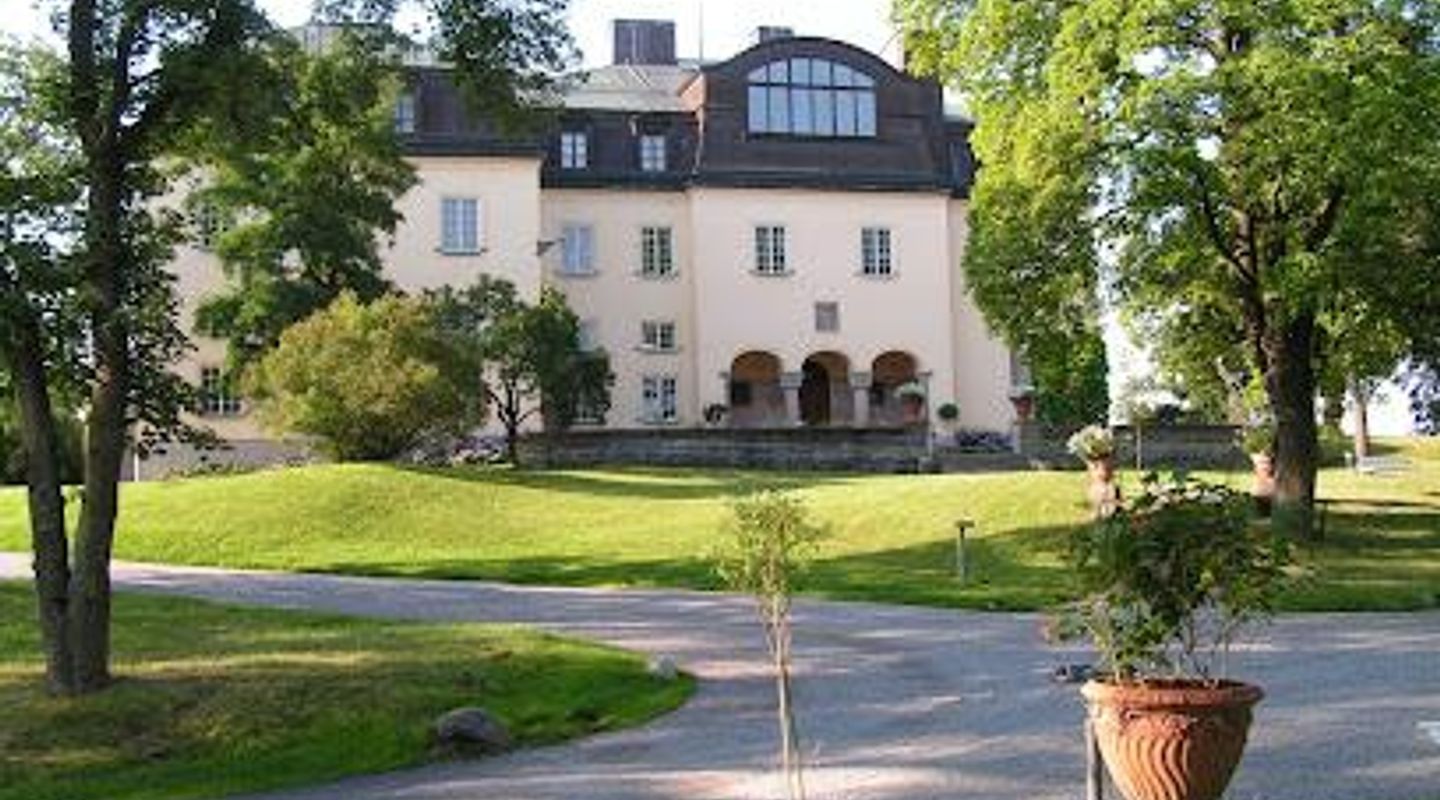
Prins Eugens Waldemarsudde, Stockholm Travel Guide
A graceful seaside mansion turned art museum where Prince Eugen’s collection, Boberg architecture and sculpted gardens meet on Djurgården.
A sunlit art museum and former princely home set on Djurgården’s waterfront, Prins Eugens Waldemarsudde combines Gustavian interiors, early-20th-century Nordic painting and a sculpted park. The Boberg-designed mansion and adjoining gallery display Prince Eugen’s own works and his collection of ~7,000 paintings, sculptures and crafts, while oak-shaded paths, historic outbuildings and curated flower beds extend the experience outdoors.
A brief summary to Prins Eugens Waldemarsudde
- Prins Eugens Väg 6, Stockholm, 115 21, SE
- Click to display
- Click to display
- Duration: 1 to 3 hours
- Mid ranged
-
 Mixed
Mixed
- Mobile reception: 4 out of 5
- Tuesday 11 am-5 pm
- Wednesday 11 am-5 pm
- Thursday 11 am-8 pm
- Friday 11 am-5 pm
- Saturday 11 am-5 pm
- Sunday 11 am-5 pm

Know before you go
Hi, I'm Eve. Here are a few practical things to know before exploring Prins Eugens Waldemarsudde.
- Allow time for both the house interiors and the garden—each rewards slow wandering and different kinds of detail.
- Check Thursday opening hours for later closing if you prefer an evening visit to the galleries.
- Under-19s enter free; bring ID for student concessions and note that card payment is generally preferred at the ticket desk.
Do you manage this location?
Take control to get all the benefits, like improved information, better appearance, and stronger visibility across AI-powered discovery. Learn more about listing your business on Evendo
Activate your presenceOther nearby places you may find interesting
The closest places of the same kind, if this one is not quite what you had in mind.


Explore Prins Eugens Waldemarsudde on the Map
A handpicked selection of must-see spots near Prins Eugens Waldemarsudde, mapped for you.
Getting There
-
Public transport (tram or bus)
Take a local tram or bus serving Djurgården from central Stockholm; travel times typically range from 15–30 minutes depending on origin. Services run frequently during the day but may reduce in late evenings and on public holidays; expect a short uphill walk across park paths from the nearest stop. Single-ride fares are priced in local currency and are payable via the city’s public-transport card or mobile app; a typical adult single fare falls within a modest local zone fare bracket.
-
Ferry from central quays
A short sightseeing ferry from central Stockholm to Djurgården takes about 10–20 minutes depending on route and schedule; seasonal timetables apply and services are busiest in summer. Ferries are ticketed per person with modest single-journey fares in local currency; check timetable frequency in advance as crossings run less often outside the main tourist season.
-
Taxi or rideshare
A taxi or app-based ride from central Stockholm to Djurgården typically takes 10–25 minutes depending on traffic; service provides door-to-door convenience and is suitable if you have mobility needs or are short on time. Expect variable pricing based on demand and time of day; note that some drop-off areas are on park roads rather than immediately adjacent to garden entrances and parking space can be limited near the estate.
For the on-the-go comforts that matter to you
-
 Restrooms
-
 Drink Options
-
 Food Options
-
 Seating Areas
-
 Information Boards
-
 Visitor Center
Discover more about Prins Eugens Waldemarsudde
Origins and the man behind the place
Prins Eugens Waldemarsudde began as the private home and studio of Prince Eugen (1865–1947), a prince who chose art over court life and built a life as a landscape painter and collector. He acquired the site at the turn of the 20th century and commissioned architect Ferdinand Boberg to create the Mansion that stands today; the gallery building followed as a purpose-built space to house his growing collection. The estate remained the prince’s residence and creative base until his death, and his bequest of house, gardens and artworks to the state turned a private passion into a public museum.Buildings and interiors that blend home and gallery
The complex reads as layered architecture: the Mansion’s warm façades and carefully arranged rooms retain the intimacy of a lived-in home, while the adjacent gallery building offers white-cube spaces for rotating exhibitions. Interiors on the ground floor preserve the atmosphere of Prince Eugen’s reception rooms, with original fittings, decorative stoves and a sensitivity to daylight that frames paintings and objects. Upstairs and in the gallery, changing displays place Nordic and European works—many from the prince’s own acquisitions—into dialogue with contemporary commissions.Collections and artistic focus
Waldemarsudde’s holdings centre on Nordic painting from the late 19th and early 20th centuries alongside selected international works, encompassing oils, drawings, sculpture and applied arts; the collection totals several thousand objects. The museum shows Prince Eugen’s own landscapes and studio pieces alongside works by peers and successors, providing a concentrated view of Swedish and neighbouring-artistic currents from that era. Temporary exhibitions broaden the remit, commissioning contemporary artists or reinterpreting historical themes from fresh angles.Parks, sculpture and the seaside setting
The estate’s gardens are an integral part of the experience: designed under the prince’s eye, the park combines formal flower beds, sculptural placements and mature oaks that slope toward the inlet. Sculptures by notable artists punctuate lawns and paths, and historic structures—such as an 18th-century linseed-oil mill and an older manor house—add layers of time. The elevated site affords glimpses across the water, where the light and breezes change the mood of paths and vistas through the seasons.Atmosphere and visitor rhythm
A visit to Waldemarsudde unfolds as sequence: the bright, domestic rooms invite close study of decorative details and personal objects; the gallery spaces encourage focused viewing of paintings and installations; and the garden lets the eye and feet relax. The museum’s programme is deliberately varied—permanent displays sit alongside themed exhibitions and curatorial projects—so the character of a visit can shift with the season and the temporary show on view. Conservation and sensitive building work keep the listed structures in active use while protecting their historic fabric.Why the site matters in Stockholm’s cultural map
Perched on Djurgården, Waldemarsudde links urban culture with nature: it’s a compact institution where the biography of a single collector-artist shapes architecture, landscape and collection policy. The estate’s combination of preserved living rooms, gallery rooms and sculpted grounds creates a layered cultural landscape—one that reflects early modern Swedish taste and an ongoing commitment to showing art in context. For students of interior design, Nordic painting or garden history, the museum offers tightly focused material set within a calm, scenic setting.More to explore near Prins Eugens Waldemarsudde













Your all‑in‑one travel companion app
Explore expert travel guides, compare and book tours, experiences, hotels, and more—all from the palm of your hand. Download now for seamless trip planning wherever your wanderlust takes you.


Explore More of Stockholm
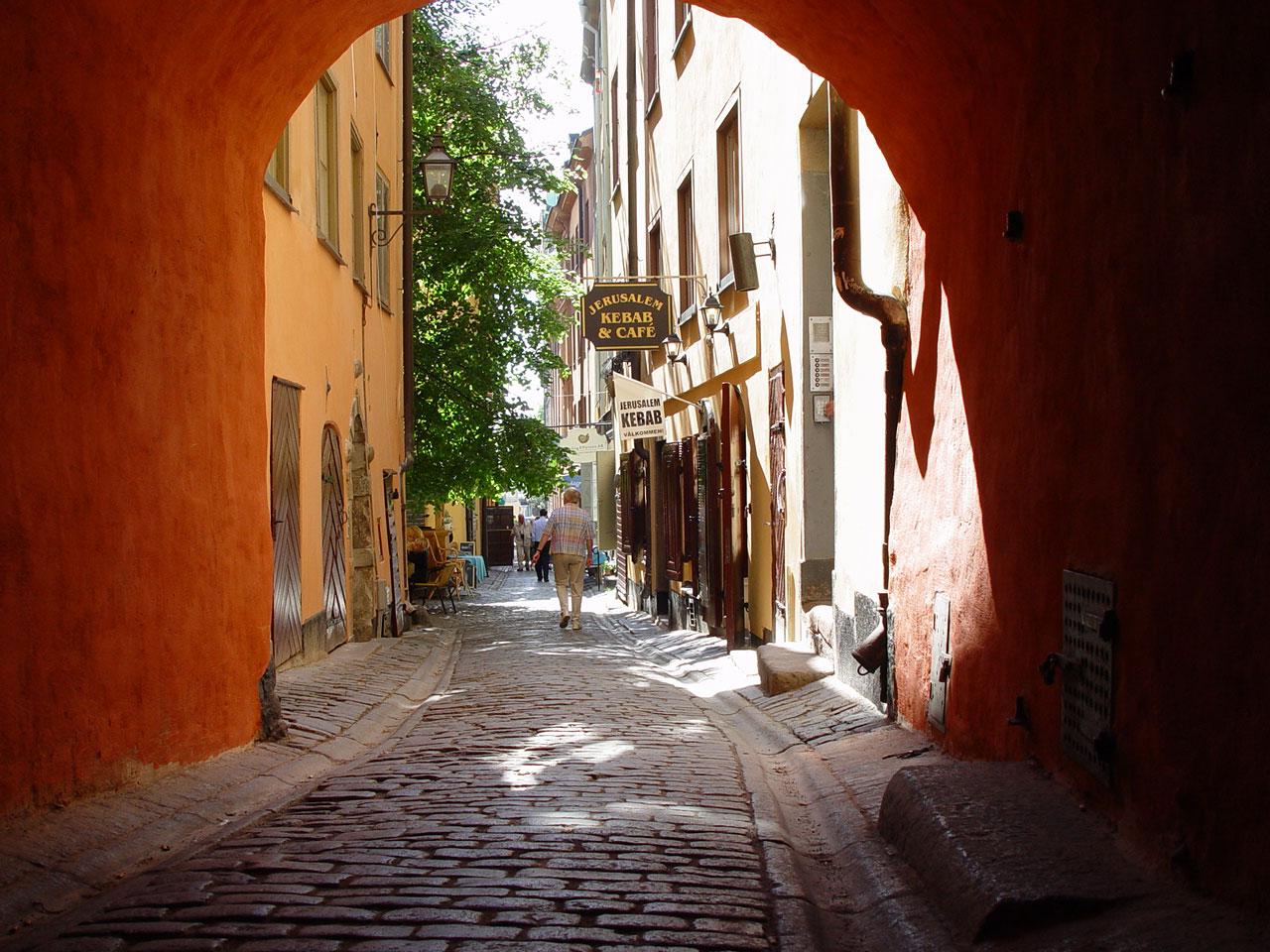
Looking beyond Prins Eugens Waldemarsudde? Discover Stockholm for broader travel guides, local hot-spots, and regional highlights.
Explore Stockholm