

Statarlängan, Stockholm Archipelago Travel Guide
Step into the preserved world of Sweden's statare at Överjärva Gård's 1872 Statarlängan—a stark, authentic portal to the toil and tenacity of farm laborers in industrial-era Stockholm.
Statarlängan at Överjärva Gård is a remarkably preserved heritage museum in Stockholm, built in 1872 as housing for farm laborers known as statare. This long red wooden structure once accommodated up to 21 families in cramped quarters, offering a poignant glimpse into the harsh realities of 19th- and early 20th-century rural Swedish life. Explore authentically restored rooms with original iron stoves, tiled ovens, and sparse furnishings that evoke the daily struggles of workers tied to the land under the statar system, which endured until 1945. Open weekday mornings, it's a compact yet evocative site highlighting social history amid the farm's expansive grounds.
A brief summary to Statarlängan
- Stockholm, 115 21, SE
- Click to display
- Duration: 0.5 to 1.5 hours
- Free
-
 Outdoor
- Mobile reception: 5 out of 5
- Monday 9 am-12 pm
- Tuesday 9 am-12 pm
- Wednesday 9 am-12 pm
- Thursday 9 am-12 pm
- Friday 9 am-12 pm

Know before you go
Hi, I'm Eve. Here are a few practical things to know before exploring Statarlängan.
- Visit early in the morning on weekdays to align with opening hours (9 AM–12 PM) and enjoy a quieter, more contemplative experience.
- Pair your visit with a walk around Överjärva Gård's other historic buildings for a fuller picture of farm life hierarchies.
- Look for detailed models showing the estate's layout, highlighting the divide between owners' grand homes and workers' quarters.
Do you manage this location?
Take control to get all the benefits, like improved information, better appearance, and stronger visibility across AI-powered discovery. Learn more about listing your business on Evendo
Activate your presenceOther nearby places you may find interesting
The closest places of the same kind, if this one is not quite what you had in mind.
Explore Statarlängan on the Map
A handpicked selection of must-see spots near Statarlängan, mapped for you.
Getting There
-
Bus
Take bus 176 or 178 from Stockholm Centralstation to Överjärva Gård stop, 20–30 minutes, services every 15–30 minutes on weekdays, adult fare 25–40 SEK.
-
Walking
Walk 2.5 km from Sundbyberg station via flat paths through residential areas and farm trails, 30–40 minutes, fully paved and accessible year-round.
-
Cycling
Cycle from Solna station on dedicated bike lanes, 10–15 minutes covering 3 km, free with bike rental options nearby, secure racks at the farm entrance.
-
Taxi
Taxi from central Stockholm, 15–25 minutes depending on traffic, 300–500 SEK for up to 4 passengers, available 24/7 with flat rates from apps.
For the on-the-go comforts that matter to you
-
 Restrooms
-
 Drink Options
-
 Food Options
-
 Seating Areas
-
 Information Boards
Discover more about Statarlängan
Origins Amid Agricultural Expansion
Statarlängan stands as a testament to Överjärva Gård's evolution into Solna's largest farm by the late 19th century. Constructed in 1872 after a fire destroyed its predecessor in 1868, this elongated red building was designed to house the growing workforce needed for intensive dairy production and market gardening. The farm supplied milk to 12 elite shops in central Stockholm, employing over 100 people at its peak, most as statare—landless laborers receiving wages partly in kind, including lodging.These workers faced grueling 14-hour days, six or seven days a week, tending livestock and crops in a system rooted in medieval traditions but peaking during industrialization.Inside the Cramped Quarters
The structure spans 21 small rooms clustered around a communal hall and bakehouse, with each family allotted one or at most two rooms. Thin walls separated households, behind which iron stoves and tiled ovens provided meager warmth against Stockholm's chill winters. Early standards offered relative comfort by statar measures—running water in some cases—but neglect set in over decades, with electricity arriving only in the late 1930s.Living conditions reflected the power imbalance: annual contracts were binding for workers but easily terminated by farm owners, fostering insecurity amid the scent of hay, milk, and woodsmoke.Harsh Realities of Statar Life
Statare families endured 'stat' payments of food, sometimes spirits, and minimal cash, with wives often required to milk cows as a hiring condition. Children contributed from young ages, and evictions during 'slankveckan'—the autumn moving week from October 24 to November 1—marked a ritual of displacement in rain and mud.The system symbolized feudal remnants, distinguishing statare from serfs through this brief 'freedom' period, though it underscored their precarious existence.Path to Abolition and Preservation
Pressure mounted through labor organizing, including the Swedish Farm Workers' Union formed in 1907 amid strikes and setbacks. Ivar Lo-Johansson's influential novels exposed the plight, galvanizing public outrage. The statar era ended in 1945 via agreement between unions and employers, transforming rural Sweden.Today, Statarlängan remains uniquely intact, its interiors largely original, inviting reflection on labor history within Överjärva's broader landscape of grand white manor houses contrasting the workers' domain.Enduring Echoes on the Gård
Positioned west of the main farm buildings, the länga visually divides the estate: pale structures for owners atop a hill, red barns and dwellings below for animals and laborers. Models and exhibits here illustrate this hierarchy, immersing visitors in a microcosm of Sweden's agrarian past amid ongoing farm activities.












Your all‑in‑one travel companion app
Explore expert travel guides, compare and book tours, experiences, hotels, and more—all from the palm of your hand. Download now for seamless trip planning wherever your wanderlust takes you.


Explore More of Stockholm Archipelago
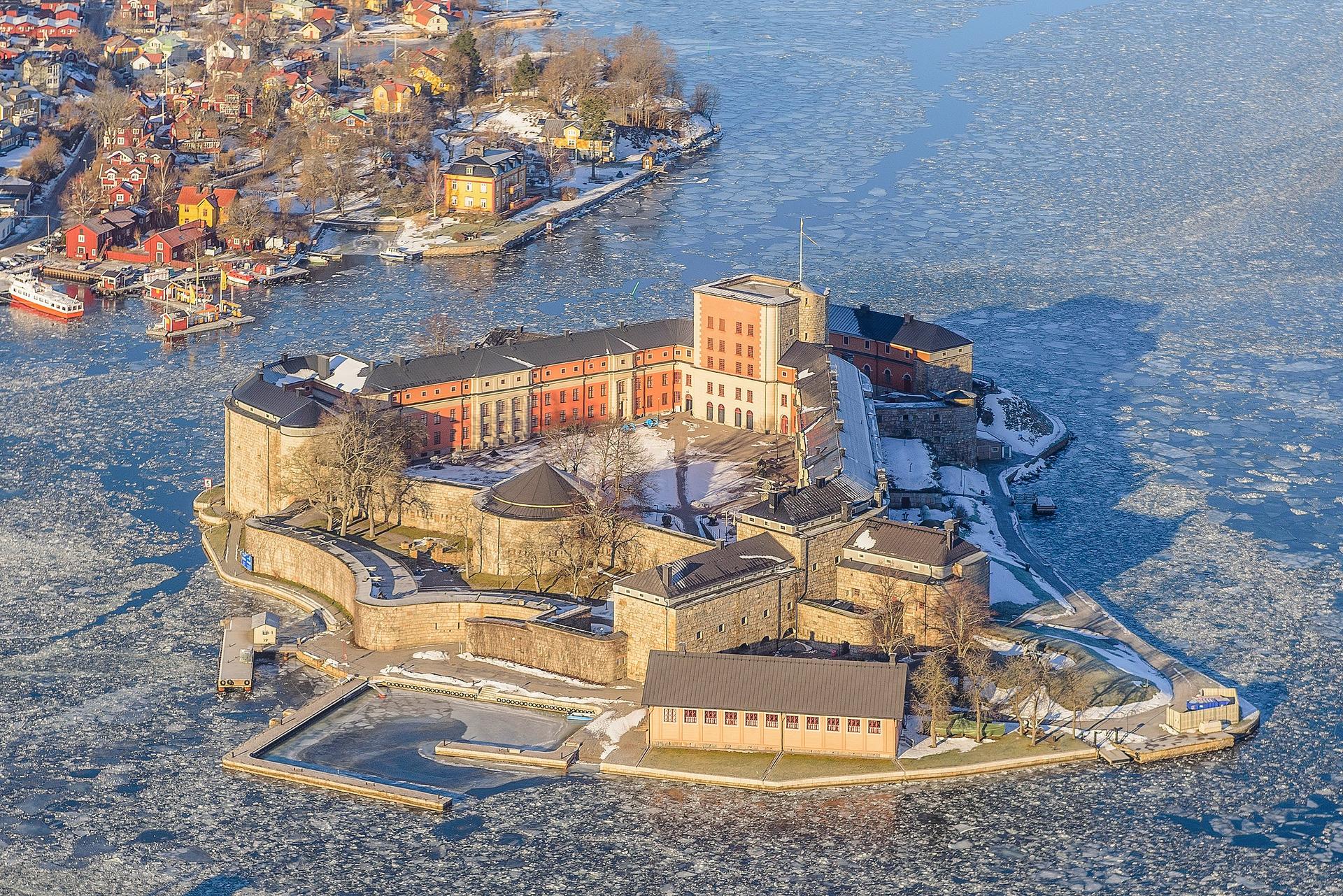
Looking beyond Statarlängan? Discover Stockholm Archipelago for broader travel guides, local hot-spots, and regional highlights.
Explore Stockholm Archipelago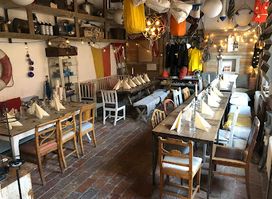
A rustic Djurgården café and ship-chandlery where reclaimed buoys, ropes and lanterns meet hearty seafood dishes and classic Swedish fika.
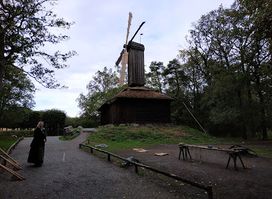
A carefully reconstructed Halland farmstead at Skansen that reveals 19th‑century southern Swedish rural life through buildings, gardens and working crafts.
