

Strandvägen, Stockholm Travel Guide
Free Guide: A ceremonial waterfront boulevard of grand stone façades and quayside promenades—Stockholm’s elegant Östermalm parade.


A brief summary of Strandvägen
A ceremonial waterfront boulevard of grand stone façades and quayside promenades—Stockholm’s elegant Östermalm parade.
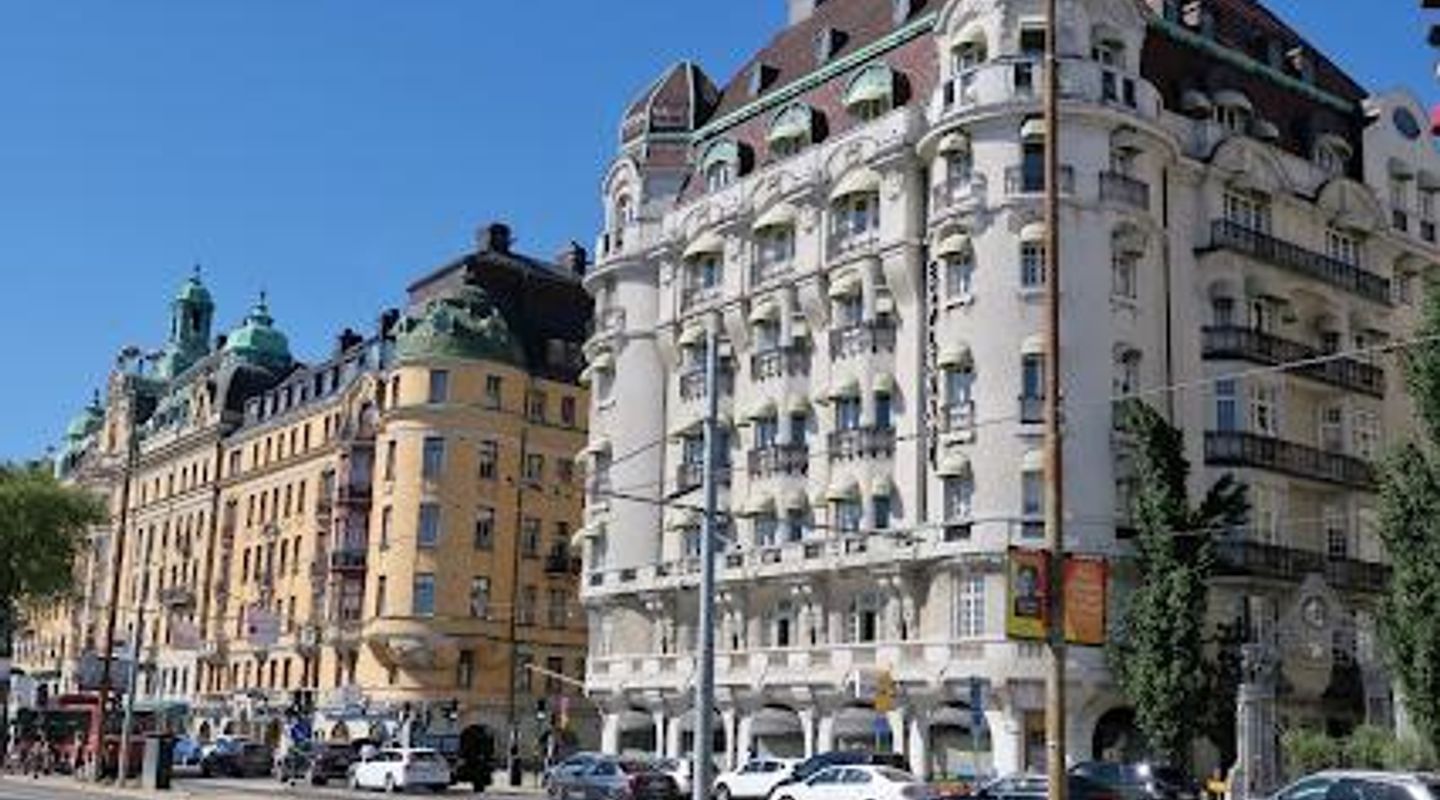
Strandvägen is Stockholm’s grand waterfront boulevard on Östermalm, a tree-lined esplanade of grand late-19th/early-20th-century stone façades, copper spires and elegant terraces that face Nybroviken and Djurgårdsbrunnsviken. Lined with hotels, embassy-style townhouses and a continuous quay, it was completed for the 1897 exposition and remains a parade route of architecture, promenade life and harbor views.
On-site amenities
 Seating areas
 Sheltered areas
 Information boards
 Food options
 Drink options
- Address
- Östermalm, Stockholm
Getting there
Public transport tram and metro
Taxi or rideshare
Ferry approach
Discover more about Strandvägen
An avenue carved from shoreline and ambition
Strandvägen was conceived in the 19th century as a bold civic project: a broad, tree-planted quay and boulevard built out from a once-muddy shoreline into a ceremonial urban fronting of Stockholm’s harbor. Construction began in the 1860s and continued through the 1870s and 1890s, with the first lime trees planted in the 1870s and the street largely in place by the 1897 world exhibition. The result is a deliberately grand esplanade whose width, planted rows and waterfront orientation announce civic pride as much as they provide one of the city’s most elegant promenades.
Architectural theatre in stone and copper
The buildings along Strandvägen are predominantly late-19th- and early-20th-century stone houses, many designed by leading architects of the era and executed with high craftsmanship. Façades show Neo-Renaissance and Jugend (Art Nouveau) influences—ornate cornices, carved stone, bay windows and wrought-iron balconies—while occasional towers and copper-clad spires catch the light. Certain blocks, built as single long façades or palatial apartment palaces, establish a rhythmic, theatrical ensemble that frames the harbour rather than hiding it.
Waterfront life and the quay The southern edge of Strandvägen is defined by a continuous quay—Strandvägskajen—where boats and yachts moor and where the water’s movement and salt air are constant companions. The quay produces a dual sensation: the solidity of the stone façades behind you and the expanse of water ahead. Benches and promenades invite lingering; ferry calls and the occasional heritage tram add a gentle urban soundtrack. At the eastern end the street meets an ornate bridge that marks the transition toward Djurgården’s parkland. Layers of urban history beneath the polish
Before its transformation the area bore the more prosaic name Ladugårdslands Strandgata and housed sheds and small wooden quays. The change to Strandvägen was both physical and social: large builders and developers commissioned spectacular apartment palaces intended for wealthy residents and prestigious uses. Infrastructure changes—quay works, embankments and later transit—made possible the wide boulevard and its parade of buildings, but traces of earlier shorelines and incremental expansions remain visible to the close observer.
The street as setting for everyday ritual
Today Strandvägen functions as more than an architectural museum piece: it is a living promenade. Morning light glances off copper roofs as commuters and café-goers pass; terraces and hotel façades host quiet breakfasts; couples and photographers pause along the quay; and short ferry routes knit the boulevard into Stockholm’s island-dotted waterways. The combination of stately façades, water reflections and planted trees gives the street a composure that adapts to seasons—soft and leafy in summer, frost-edged and pale in winter.
Distinctive features to watch for
Walk its length and look for long, unified façades that were planned as single palatial projects, richly detailed portals and decorative ironwork that bear family crests and makers’ marks. Notice the way building silhouettes and rooflines create a skyline of spires and chimneys against the harbor. Where the quay opens to small inlets, the conversation between architecture and water becomes most intimate: stone steps, mooring rings and reflections compress the boulevard’s scale and invite close observation.
Evendo Review Centre
 Google
Guest reviews
Best time to go
Quietest: Jan, Feb & Dec · before 6am or from 11pm
Busy times are Evendo estimates for a typical year, to help you plan. Actual crowds vary with events, school holidays and the weather.
Explore Strandvägen on the map
A handpicked selection of must-see spots near Strandvägen, mapped for you.
Get your free copy of our complete guide to Strandvägen, delivered straight to you.
Everything on this page, from opening hours and how to get there to Eve’s tips and the best time to go, in one PDF you can read offline, print or share.
Already have an account? Sign in
Your Strandvägen guide is ready.
We'll send it to · Not you? Sign out

Getting your guide ready…
We are putting together a fresh copy of the Strandvägen guide. This can take up to a minute.
This can take a few moments. If your browser asks, choose Allow so the download can start. You'll find the guide in your Downloads folder.
Nothing happened? Download it again
Sorry, the guide is taking longer than usual. Please try again in a minute, or get it by email instead.
Unlock the best of Strandvägen
Skip-the-line tickets, guided tours with entry, and walking tours of the area, booked in a few clicks.




Other nearby places you may find interesting
The closest places of the same kind, if this one is not quite what you had in mind.
-
-
-
-
-


Swipe for more places
More to explore near Strandvägen

 Best experiences near Strandvägen
 Best hotels near Strandvägen
 Best landmarks near Strandvägen
 Best attractions near Strandvägen
 Best shops near Strandvägen
 Best restaurants near Strandvägen
 Best bars near Strandvägen
Do you manage this location?
Take control to get all the benefits, like improved information, better appearance, and stronger visibility across AI-powered discovery.
Explore more

Explore more of Stockholm
Discover Stockholm: A captivating blend of history, culture, and natural beauty spread across 14 picturesque islands in Sweden's stunning capital city.
Explore Stockholm
Explore more of Sweden
Discover Sweden's breathtaking landscapes, vibrant cities, and rich cultural heritage. From the Northern Lights to historic castles, experience the essence of Scandinavia.
Explore Sweden
