Vasa Museum, Stockholm Travel Guide
A purpose-built museum centred on the salvaged 17th‑century warship Vasa — towering timber, carved ornament and a living conservation story on Stockholm’s Djurgården.
The Vasa Museum houses the 17th‑century warship Vasa — the only preserved ship of its kind — rescued from Stockholm harbour and displayed in a purpose‑built hall on Djurgården. The museum blends maritime archaeology, carved 1600s ornamentation and conservation science, with multiple viewing levels around the towering hull, exhibition galleries of objects recovered from the wreck and a film and interpretation that place the ship in its political and seafaring context.
A brief summary to Vasa Museum
- Galärvarvsvägen 14, Stockholm, 115 21, SE
- Click to display
- Click to display
- Duration: 1 to 3 hours
- Mid ranged
-
 Indoor
- Mobile reception: 4 out of 5
- Monday 10 am-5 pm
- Tuesday 10 am-5 pm
- Wednesday 10 am-8 pm
- Thursday 10 am-5 pm
- Friday 10 am-5 pm
- Saturday 10 am-5 pm
- Sunday 10 am-5 pm

Know before you go
Hi, I'm Eve. Here are a few practical things to know before exploring Vasa Museum.
- Allow at least 1.5–2 hours to see the main ship, exhibitions and film; guided tours of the ship are included with admission at scheduled times.
- Photography is allowed for personal use but avoid flash to protect delicate exhibits; dress in layers — gallery temperatures are kept stable for conservation.
- Visit midweek or early morning in high season for quieter views from the upper galleries and better photo angles of the hull.
Do you manage this location?
Take control to get all the benefits, like improved information, better appearance, and stronger visibility across AI-powered discovery. Learn more about listing your business on Evendo
Activate your presenceOther nearby places you may find interesting
The closest places of the same kind, if this one is not quite what you had in mind.


Explore Vasa Museum on the Map
A handpicked selection of must-see spots near Vasa Museum, mapped for you.
Unlock the Best of Vasa Museum
Book tours with entry


Getting There
-
Tram and Bus
Public tram and bus from central Stockholm (Djurgården services) — typical journey time 10–20 minutes depending on starting point; services run frequently but can be seasonal and busy in summer; single adult ticket typically purchased via local transit app or at stations with standard Stockholm fares (approx SEK 40–55 per trip as of recent regional fares).
-
Ferry / Sightseeing Boat
Archipelago and harbour boats from central quays to Djurgården — travel time typically 15–25 minutes; services operate on scheduled timetables with variable frequency and higher demand in summer; ticket prices generally range from SEK 60–160 depending on operator and route.
-
Taxi or Ride App
Taxi or ride‑hailing from central Stockholm — typical journey time 8–20 minutes depending on traffic; convenient for groups or when public transport is infrequent; fares commonly range from SEK 120–250 depending on distance and time of day; parking in Djurgården is limited and can be restricted seasonally.
For the on-the-go comforts that matter to you
-
 Restrooms
-
 Drink Options
-
 Food Options
-
 Seating Areas
-
 Information Boards
-
 Visitor Center
Discover more about Vasa Museum
Why the hull dominates the space
The Vasa Museum was built to showcase a single extraordinary artefact: the Vasa, a Swedish warship that sank in 1628 and was raised in the 20th century. The building’s main gallery is organised around the ship so you can walk the length of the hull and view it from stacked walkways; that arrangement emphasises scale, woodwork and surviving painted ornamentation while allowing conservators to manage lighting and humidity. The vessel’s towering presence shapes circulation, sightlines and the hushed, museum‑quiet atmosphere that surrounds this national object.Objects, evidence and conservation stories
Surrounding galleries hold thousands of finds recovered with the Vasa: cannon, personal items, textiles, tools and shoes that together reveal everyday life aboard a 17th‑century ship. Exhibits explain salvage techniques used in the 1950s and 1960s and ongoing conservation — where treated oak, polyethylene glycol impregnation and climate controls slow decay. Interactive displays present dendrochronology, shipbuilding methods and the courtly iconography carved into the stern and figureheads, linking material detail to politics and naval ambition of early modern Sweden.Architecture and visitor choreography
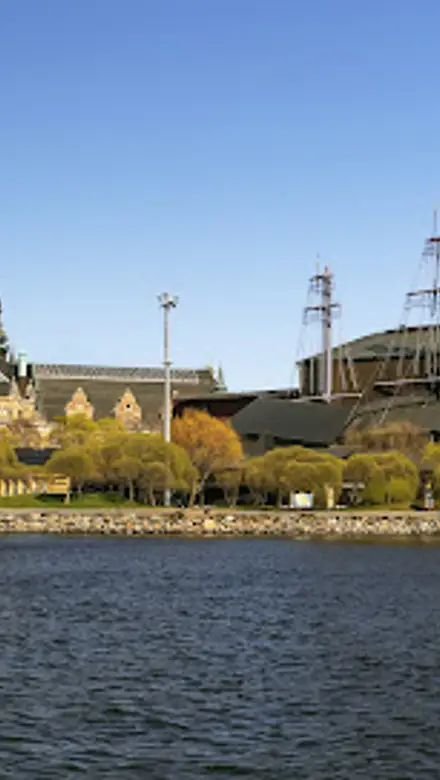
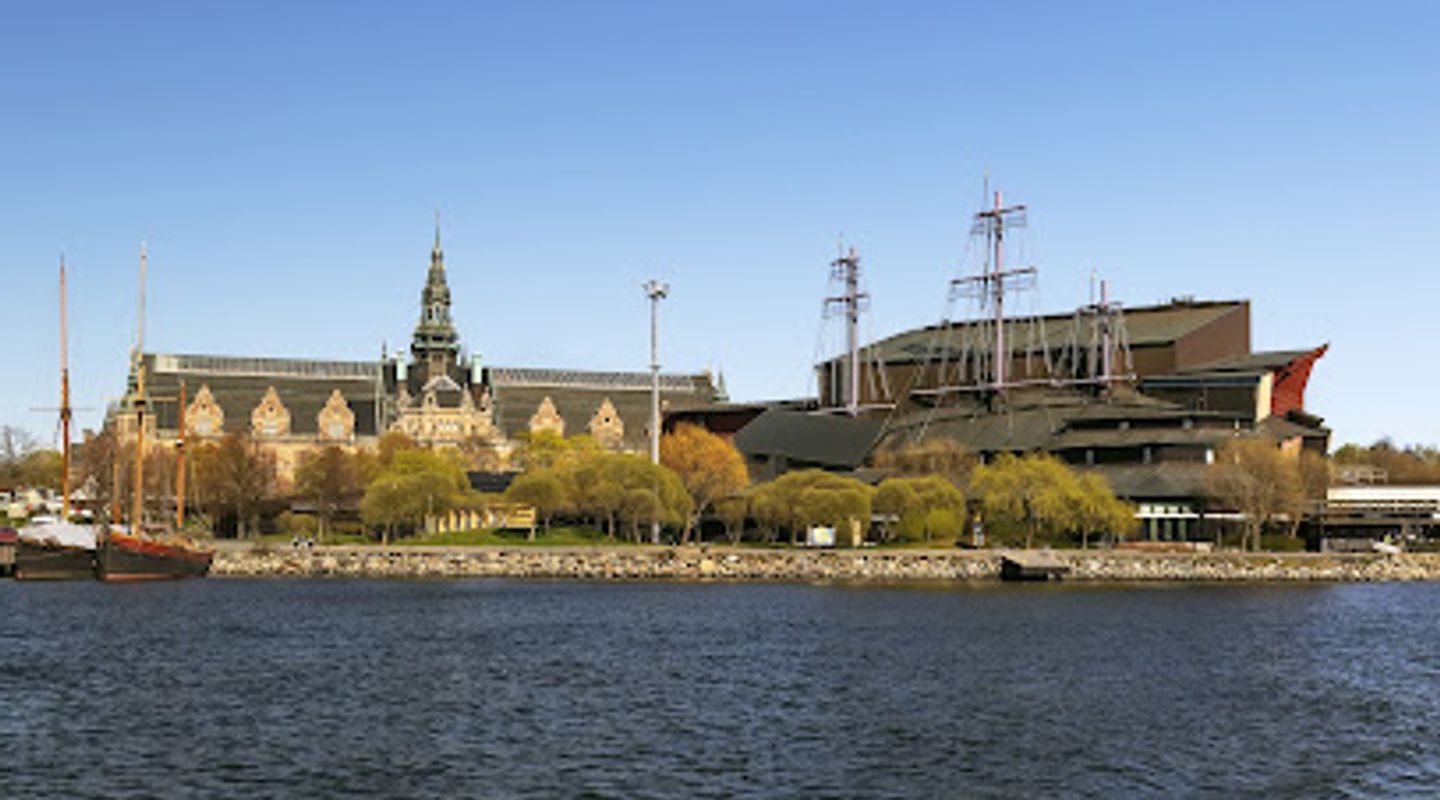
The museum’s architecture is intentionally functional: a light, rectilinear exterior conceals a cathedral‑like interior space where the ship is the focal point. Multiple levels and viewing galleries let visitors examine the hull at varying heights; ramps and lifts are integrated for accessibility. Natural light is controlled to protect the artefact, with theatrical spot lighting to reveal the painted carvings and sculpted figures that still cling to the timbers, creating a deliberate contrast between the ship’s dark wood and brighter interpretive zones.Sound, film and interpretation layers
Film presentations and audio guides accompany the physical display, offering context about the Vasa’s construction, its overloaded design and the reasons for the ship’s brief, ill‑fated maiden voyage. Timelines and reconstructions place the vessel within the broader story of 17th‑century naval warfare, trade and Stockholm’s maritime economy. Short films provide a compact narrative that many visitors use as an introduction before approaching the ship itself, enriching the sensory experience with archival images, maps and commentary from specialists.Family engagement and tactile learning
Exhibition design includes hands‑on and child‑focused stations: scale models, replica artefacts and simple demonstrations of sailing, ropework and carpentry techniques. The museum shop and onsite café extend the visit with themed books, replicas and regional food choices. Educational programmes and guided tours — some incorporated into the admission — make the site suitable for school groups and families curious about material culture, engineering and maritime life.Cultural significance and continuing research
Beyond being a striking historical display, the Vasa Museum functions as a living research centre for maritime archaeology and conservation science. Ongoing projects study wood preservation, biological threats and the history locked in the finds. The museum’s long‑term stewardship of the ship combines public display with scientific responsibility: the object is both a national icon and a laboratory for techniques that inform preservation of other waterlogged heritage worldwide.












Your all‑in‑one travel companion app
Explore expert travel guides, compare and book tours, experiences, hotels, and more—all from the palm of your hand. Download now for seamless trip planning wherever your wanderlust takes you.


Explore More of Stockholm
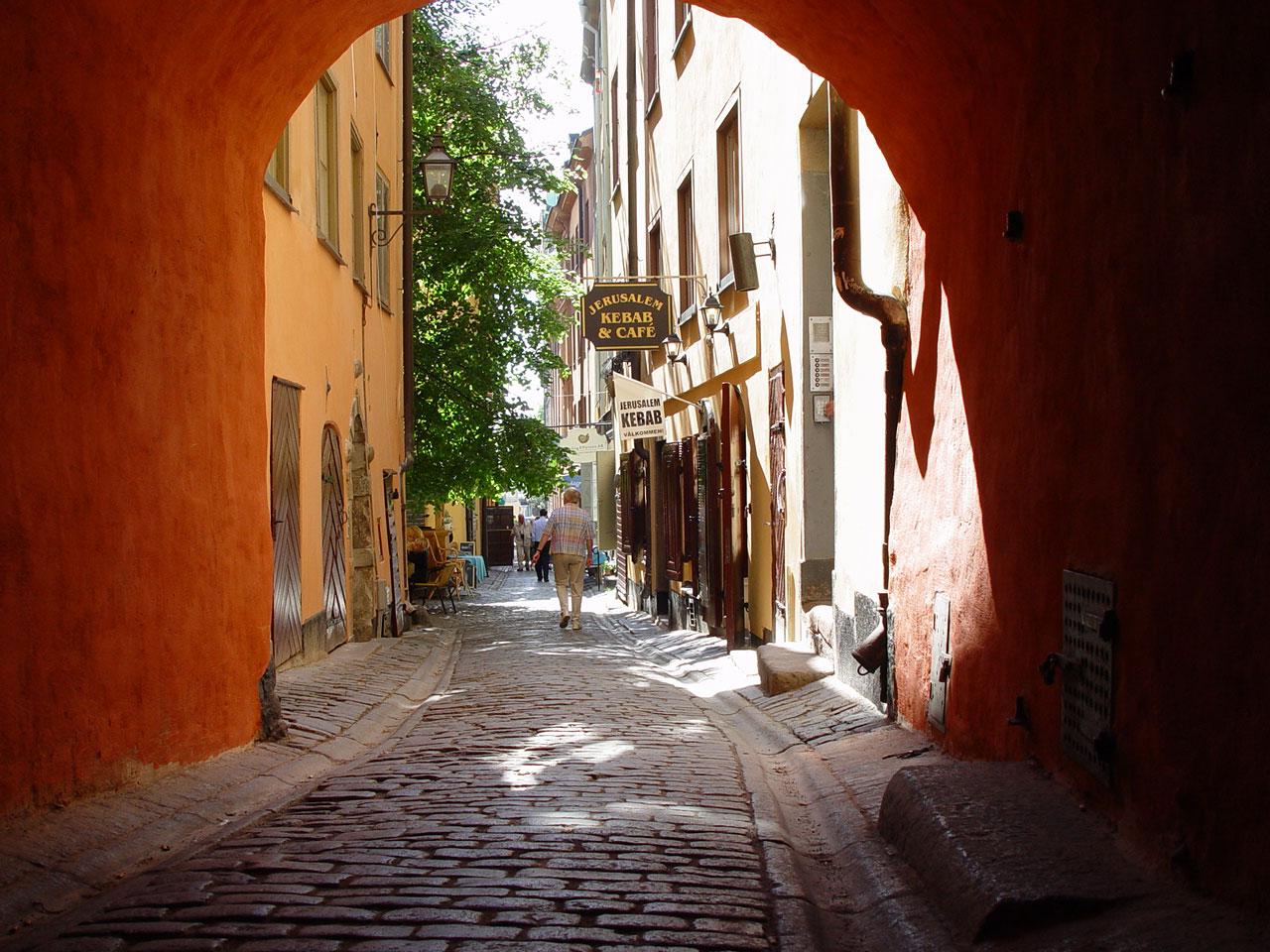
Looking beyond Vasa Museum? Discover Stockholm for broader travel guides, local hot-spots, and regional highlights.
Explore Stockholm