
Käringboda, Svealand Travel Guide
A spacious Södertörn nature reserve where archipelago shore, pasture and mixed forest meet — quiet walks, restored meadows and varied birdlife.
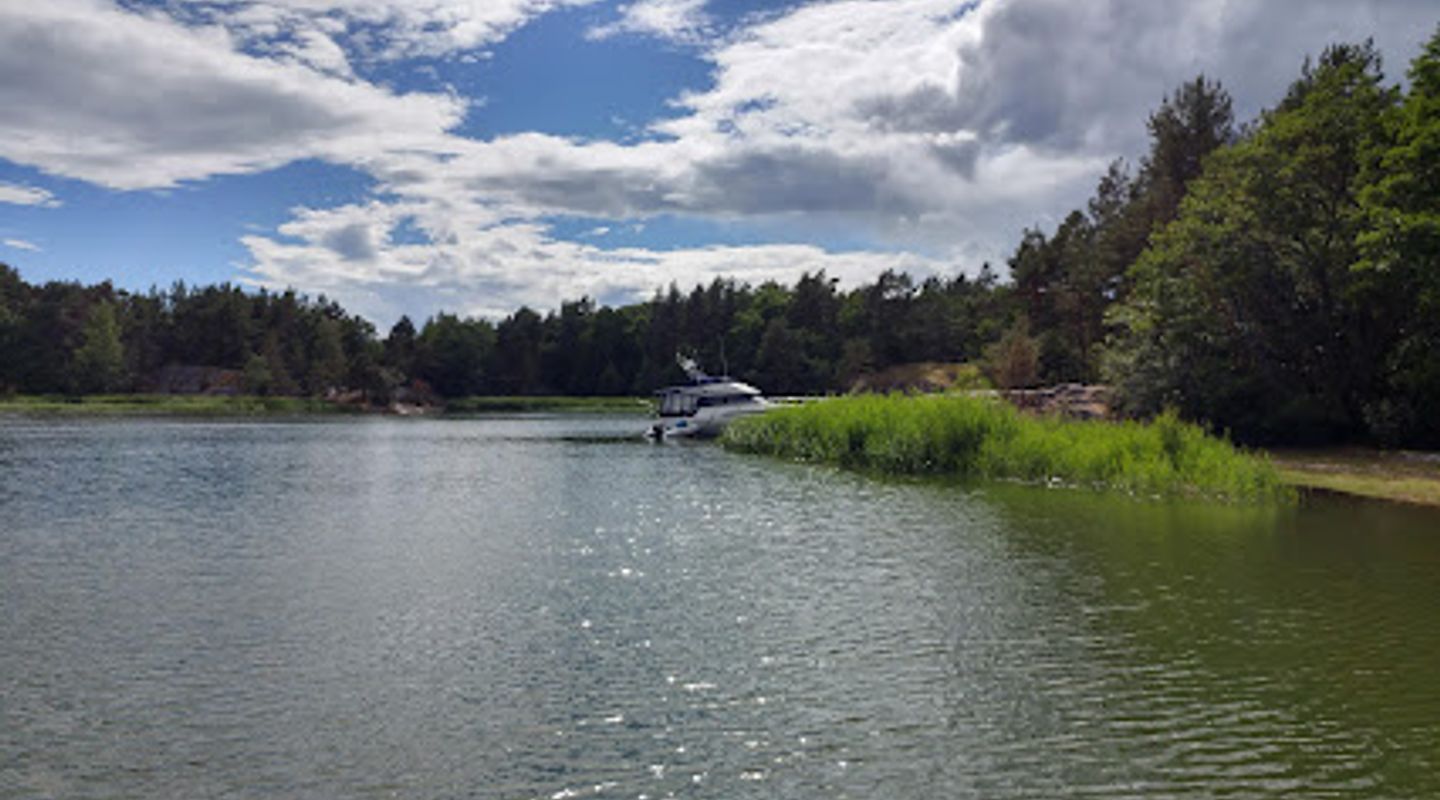
Käringboda is a broad coastal nature reserve west of Nynäshamn on Södertörn, characterised by mixed forest, open pasture, shore meadows and jagged Baltic inlets. Managed by Skärgårdsstiftelsen, the 1,494‑hectare reserve combines old pine and deciduous woodlands with grazed fields, cliffs and wetlands restored to benefit oak and meadow habitats — a good spot for quiet walks, birdwatching and experiencing intact archipelago countryside.
A brief summary to Käringboda
- Nynäshamn, SE
- Click to display
- Click to display
- Duration: 0.5 to 6 hours
- Free
-
 Outdoor
- Mobile reception: 4 out of 5

Know before you go
Hi, I'm Eve. Here are a few practical things to know before exploring Käringboda.
- Wear sturdy footwear — paths range from rocky shore trails to damp meadow tracks that can be muddy after rain.
- Bring binoculars during spring and autumn migration to catch waders and passerines in the strandängar and inlet edges.
- Respect grazing areas and fences: livestock maintain open habitats and are part of the reserve’s conservation management.
- Carry water and a small pack lunch; visitor facilities are limited, so plan for self-sufficiency on longer loops.
Do you manage this location?
Take control to get all the benefits, like improved information, better appearance, and stronger visibility across AI-powered discovery. Learn more about listing your business on Evendo
Activate your presenceOther nearby places you may find interesting
The closest places of the same kind, if this one is not quite what you had in mind.

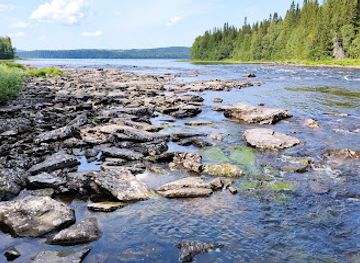
Explore Käringboda on the Map
A handpicked selection of must-see spots near Käringboda, mapped for you.
Getting There
-
By regional bus
Take the regional bus service from Nynäshamn town centre to a stop serving the Käringboda area; journey time is typically 20–35 minutes depending on the timetable, with limited departures during evenings and Sundays. Expect short walks over uneven terrain from the bus stop to the reserve; no formal parking is required at the bus access point and fares usually cost in the range of SEK 30–75 per adult depending on ticket type.
-
By car
Drive from central Nynäshamn to the reserve area in about 15–25 minutes depending on route and traffic; parking is available at designated laybys or small parking areas near trailheads but can be limited during busy weekends and may be basic unpaved surfaces. A small parking fee may apply at managed car parks or donations to local conservation are encouraged; check local signage for restrictions and avoid driving on narrow private tracks.
-
On foot or bicycle from nearby villages
Cycle or walk from nearby Nynäsgård or neighbouring settlements for a more immersive approach; expect journey times of 45–90 minutes by bicycle and 1.5–3 hours on foot depending on start point, with mixed terrain including forest tracks and field paths. Paths can be uneven and may be wet after rain, so allow extra time and choose suitable footwear and a bike with off‑road capability.
For the on-the-go comforts that matter to you
-
 Seating Areas
-
 Picnic Areas
-
 Information Boards
-
 Trash Bins
Discover more about Käringboda
Landscape of sea, meadow and mixed forest
Käringboda unfolds as a patchwork of low-lying archipelago shoreline, rocky promontories and gently rolling infields. The reserve includes sea‑worn cliffs and narrow inlets that give way inland to a mix of pine woodland, older mixed forest and pasture patches; strandängar (coastal meadows) fringe many bays and support a different palette of plants and migrating birds. The variety of habitats within the protected area produces an immediate sense of being where cultivated land and archipelago meet.A living history of grazing and cultivated shores
Human land use has shaped Käringboda for centuries: small fields and grazing areas alternate with scrub and woods, and you can still spot traces of old agricultural boundaries and stone walls. Sheep grazing is used in places to maintain open meadow and shore habitats, a practice that preserves species-rich grassland and keeps tree encroachment in check. Conservation projects here aim to reinstate earlier landscape conditions by reviving wet meadows and encouraging broadleaf trees in selected sites.Conservation projects and habitat restoration
Local conservation organisations have carried out targeted work in Käringboda to restore deciduous woodlands and wetland habitats. Initiatives have focused on increasing the presence of oak and other broadleaf species and recreating historic wet meadows, changes that benefit insects, breeding birds and meadow flora. These interventions emphasise a low‑intensity management approach where selective grazing, small-scale planting and wetland re-creation alter the reserve subtly over decades rather than through dramatic engineering.Sensory rhythms and wildlife to notice
Walk here with time to listen: in spring and migration seasons you’ll hear a chorus of warblers and waders along the shore meadows, while ravens and raptors ride thermals above the open fields. The forested sections give a drier, resinous scent of pine and the faint sweetness of bilberry. In late summer the ground is often freckled with berries and fungi beneath the taller trees, while sea breezes carry a salt tang and the hollow call of distant waterfowl.Visitor experience and seasonal character
Käringboda’s character changes with the season: snow softens the contours in winter and makes the reserve hushed and stark; spring floods reinvigorate wet meadows and bring migrating waders; summer is textured with long daylight and the hum of insects; autumn turns the deciduous pockets warm with ochre and gold. Trails and simple paths connect headlands, meadows and forest edges, offering short loops or longer exploratory walks without formal commercial facilities dominating the mood.Why the reserve matters locally
Beyond its scenic qualities, Käringboda functions as a living refuge for coastal meadow species, amphibious wetlands and older mixed woodlands in a region where such habitats have become fragmented. The mixture of cultural landscape and archipelago shore is relatively intact here, making the reserve an important corridor for wildlife and an instructive example of how low-intensity land use and careful restoration can support biodiversity in coastal Sweden.












Your all‑in‑one travel companion app
Explore expert travel guides, compare and book tours, experiences, hotels, and more—all from the palm of your hand. Download now for seamless trip planning wherever your wanderlust takes you.


Explore More of Svealand
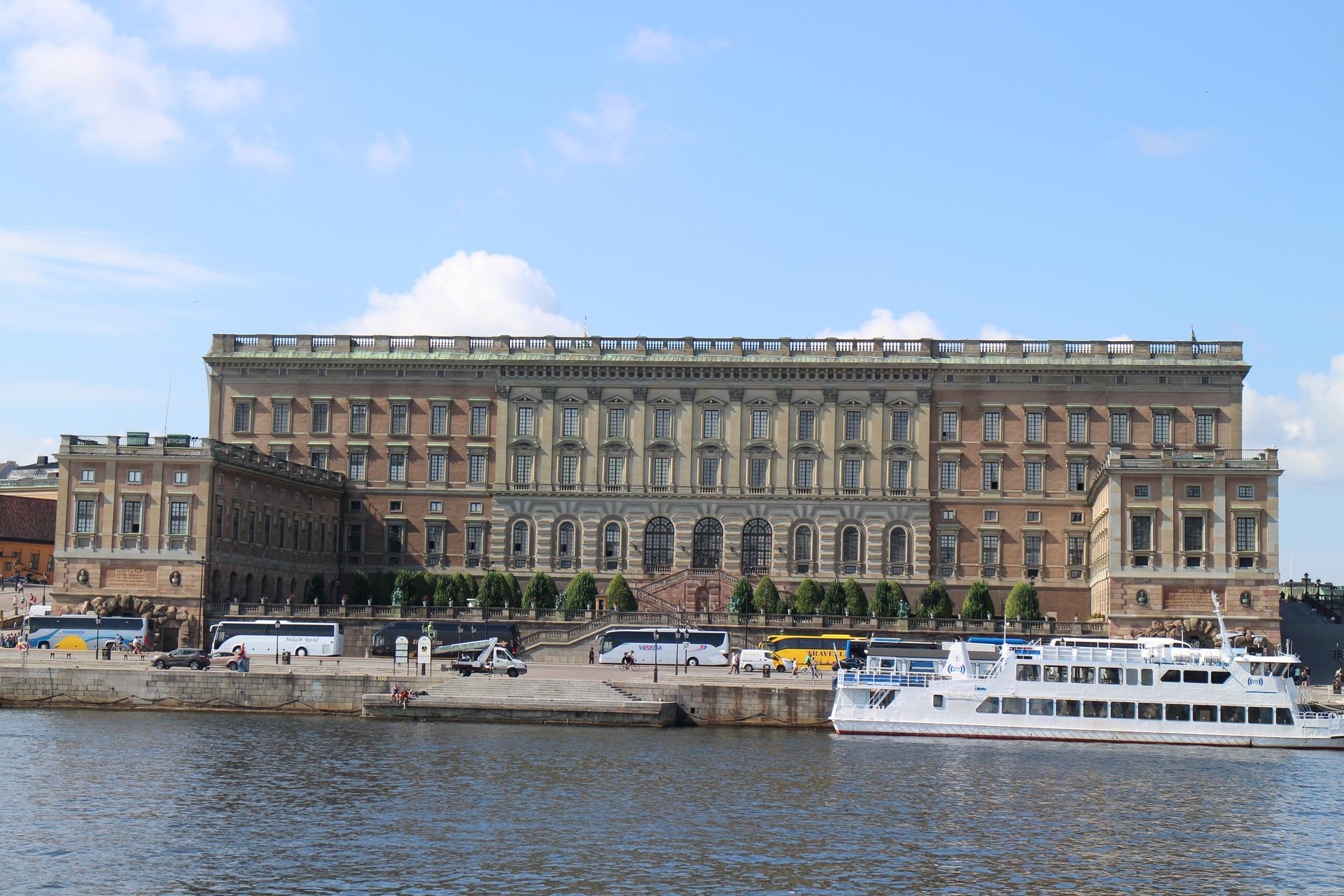
Looking beyond Käringboda? Discover Svealand for broader travel guides, local hot-spots, and regional highlights.
Explore Svealand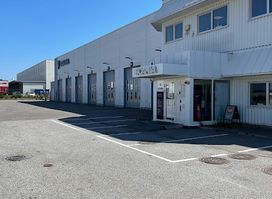
A large-scale Scania service and sales hub in Jordbro — workshop bays, heavy-duty parts and fleet-focused maintenance under one practical industrial roof.
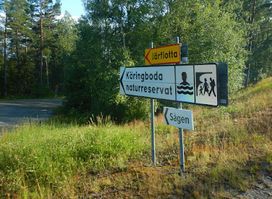
Discover Södertörn's coastal wilds: pine-scented trails, cliff-top vistas, sheep-grazed meadows, and Baltic swims in a 1,500-hectare haven of forests and shores.
