

Alvastra Monastery Travel Guide
Free Guide: Wander the haunting limestone ruins of Sweden's oldest Cistercian abbey, where royal graves and saintly visions whisper tales from 1143 amid Omberg's timeless nature.


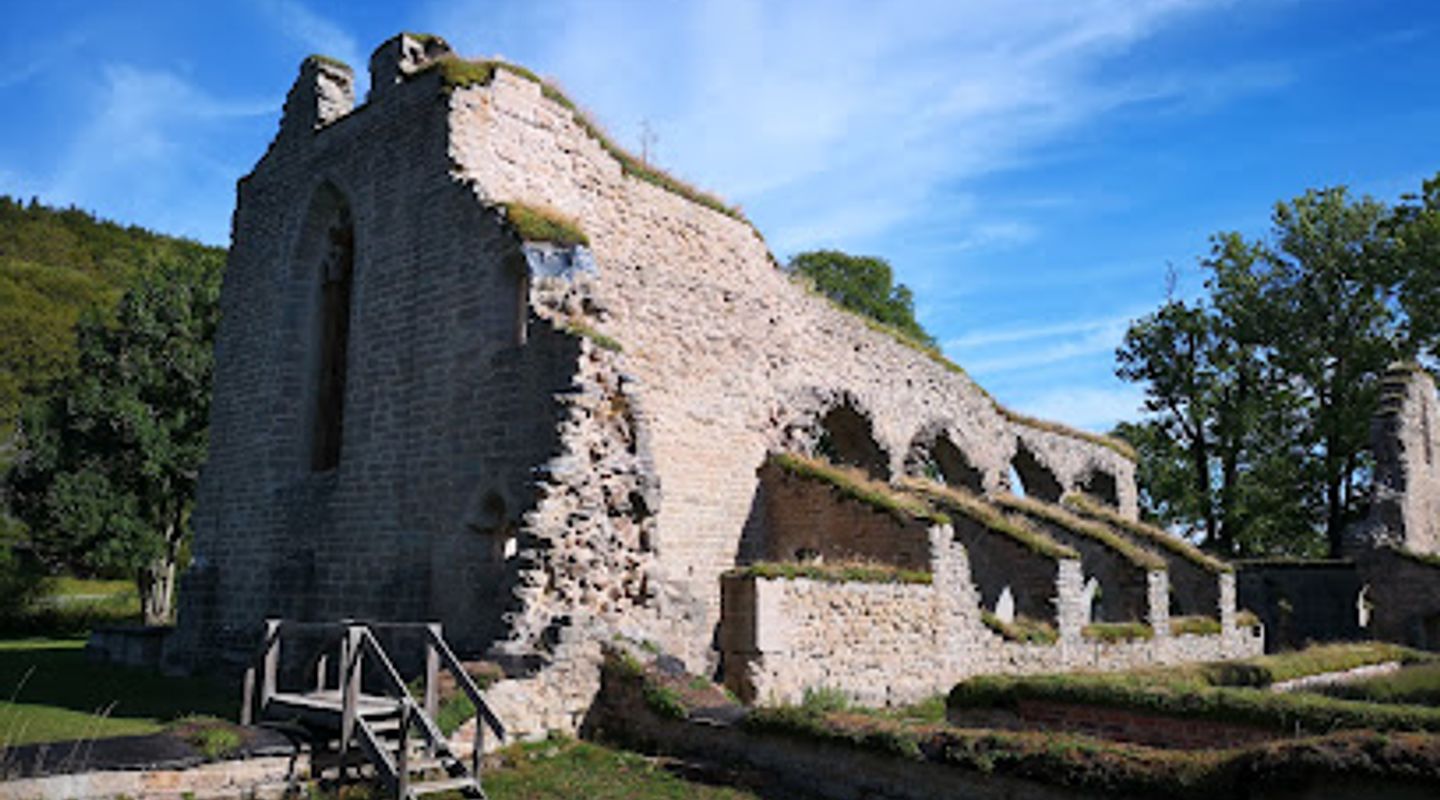
A brief summary of Alvastra Monastery
Wander the haunting limestone ruins of Sweden's oldest Cistercian abbey, where royal graves and saintly visions whisper tales from 1143 amid Omberg's timeless nature.
The evocative ruins of Alvastra Monastery, Sweden's oldest Cistercian abbey founded in 1143, stand amid serene countryside near Omberg. Built by French monks on land donated by King Sverker I, this historic site flourished for nearly 400 years until the Protestant Reformation. Explore weathered limestone walls, the remnants of a grand church inaugurated in 1185, and graves of medieval Swedish royalty including kings Sverker I, Carl I, Sverker II, and John I. Saint Bridget of Sweden experienced visions here, adding spiritual depth. Free to visit, the site offers a tranquil glimpse into Cistercian austerity and medieval piety, surrounded by nature perfect for quiet reflection.
On-site amenities
 Restrooms
 Information boards
 Trash bins
 Seating areas
Opening hours
- Every dayOpen 24 hours
Opening hours as listed on the venue’s Google Business Profile. Hours can change for services and special events, so check with the venue before you go.
- Address
- 599 93 Ödeshög
- Phone
- Website
Getting there
Bus
Car
Bicycle
Walking
Discover more about Alvastra Monastery
Origins Amid Royal Patronage
In 1143, King Sverker I of Sweden and his queen donated land on the southern slopes of Omberg to Cistercian monks from Clairvaux Abbey in France. These French brothers, seeking to establish a new outpost of their austere order, founded Alvastra as Sweden's first Cistercian monastery. The site's fertile plains and proximity to Lake Vättern provided ideal conditions for the self-sustaining community the order envisioned, blending spiritual devotion with agricultural labor.The monks adhered strictly to Cistercian ideals of simplicity, rejecting ornate decorations in favor of functional design. Limestone quarried from nearby Omberg formed the core material, giving the structures their enduring, pale resilience against the elements.
Architectural Flourishing and Daily Rhythms
By 1185, the monastery church was inaugurated, marking a pinnacle of construction that included cloisters, dormitories, and workshops. Alvastra grew into Sweden's largest monastery, prospering through farming, brewing, and manuscript production. Lay brothers handled manual tasks, while choir monks focused on prayer and study, their lives governed by the Rule of St. Benedict.The simple Gothic architecture reflected the order's disdain for extravagance, yet the scale impressed contemporaries. Archaeological digs reveal advanced drainage systems and heated rooms, hinting at a sophisticated operation amid the medieval wilderness.
Saintly Visions and Royal Burials
In the 14th century, Saint Bridget of Sweden, later Sweden's patron saint, resided here and received divine revelations. Her writings, penned during this time, influenced her canonization and spread Cistercian spirituality across Europe. The ruins preserve an aura of her mystical encounters.Buried within are kings Sverker I, Carl I, Sverker II, and John I, alongside queens like Richeza the Elder. These royal tombs underscore Alvastra's political significance, as monarchs sought legitimacy through monastic ties.
Decline with the Reformation
Prosperity endured nearly 400 years until the Protestant Reformation. In 1540, the last abbot resigned amid illness, and the Crown seized the property under Gustav Vasa's Reduction. Monks dispersed, leaving the abbey to decay as farmland.Stones were repurposed for Vadstena Castle and Visingsö structures, accelerating ruin. Yet, the core church and cloister remnants survived, now stabilized for preservation.
Nature's Embrace at Omberg
Nestled against Omberg, a nature reserve of ancient oaks and dramatic escarpments, Alvastra merges history with wilderness. Birdsong and wildflowers frame the stones, evoking the monks' harmony with the land. Seasonal changes paint the site in vivid greens or autumn golds, enhancing its contemplative mood.
Evendo Review Centre
 Google
Guest reviews
Best time to go
Quietest: Jan, Feb & Dec · before 7am or from 8pm
Busy times are Evendo estimates for a typical year, to help you plan. Actual crowds vary with events, school holidays and the weather.
Explore Alvastra Monastery on the map
A handpicked selection of must-see spots near Alvastra Monastery, mapped for you.
Get your free copy of our complete guide to Alvastra Monastery, delivered straight to you.
Everything on this page, from opening hours and how to get there to Eve’s tips and the best time to go, in one PDF you can read offline, print or share.
Already have an account? Sign in
Your Alvastra Monastery guide is ready.
We'll send it to · Not you? Sign out

Getting your guide ready…
We are putting together a fresh copy of the Alvastra Monastery guide. This can take up to a minute.
This can take a few moments. If your browser asks, choose Allow so the download can start. You'll find the guide in your Downloads folder.
Nothing happened? Download it again
Sorry, the guide is taking longer than usual. Please try again in a minute, or get it by email instead.
Other nearby places you may find interesting
The closest places of the same kind, if this one is not quite what you had in mind.
-
-
-
-
-


Swipe for more places
More to explore near Alvastra Monastery

 Best experiences near Alvastra Monastery
 Best hotels near Alvastra Monastery
 Best landmarks near Alvastra Monastery
 Best attractions near Alvastra Monastery
 Best shops near Alvastra Monastery
 Best restaurants near Alvastra Monastery
 Best bars near Alvastra Monastery
Do you manage this location?
Take control to get all the benefits, like improved information, better appearance, and stronger visibility across AI-powered discovery.
Explore more

Explore more of Svealand
Experience the essence of Sweden in Svealand: a region of historic cities, stunning archipelagos, and rich cultural heritage perfect for every traveler.
Explore Svealand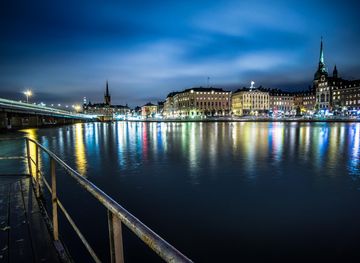
Explore more of Sweden
Discover Sweden's breathtaking landscapes, vibrant cities, and rich cultural heritage. From the Northern Lights to historic castles, experience the essence of Scandinavia.
Explore Sweden
