

Brunkeberg Tunnel, Uppland Travel Guide
A compact 19th-century pedestrian tunnel beneath Stockholm’s Brunkeberg Ridge — a practical, historic shortcut linking central neighbourhoods.
A 19th-century pedestrian tunnel carved through the Brunkeberg Ridge in central Stockholm, Brunkebergstunneln is a 231 m passage that links city streets while preserving a slice of engineering history. Opened in 1886 and inaugurated by King Oscar II, the tunnel was originally built for horse and cart traffic and later adapted for walkers and cyclists; today it functions as a practical, well-lit shortcut with a quietly historic character in the heart of the city.
A brief summary to Brunkeberg Tunnel
- Brunkebergstunneln, Stockholm, 111 38, SE
- Click to display
- Click to display
- Duration: 0.08 to 0.25 hours
- Free
-
 Indoor
- Mobile reception: 4 out of 5
- Monday 6 am-10 pm
- Tuesday 6 am-10 pm
- Wednesday 6 am-10 pm
- Thursday 6 am-10 pm
- Friday 6 am-10 pm
- Saturday 6 am-10 pm
- Sunday 6 am-10 pm

Know before you go
Hi, I'm Eve. Here are a few practical things to know before exploring Brunkeberg Tunnel.
- The tunnel is open early to late (roughly 06:00–22:00); check signage at entrances for current hours before planning evening passage.
- It’s primarily a pedestrian and cycle passage—be courteous to cyclists and keep to the sides when walking in groups.
- Look for subtle historic details at the entrances and notice how the acoustics change as you move through the corridor.
Do you manage this location?
Take control to get all the benefits, like improved information, better appearance, and stronger visibility across AI-powered discovery. Learn more about listing your business on Evendo
Activate your presenceOther nearby places you may find interesting
The closest places of the same kind, if this one is not quite what you had in mind.

Explore Brunkeberg Tunnel on the Map
A handpicked selection of must-see spots near Brunkeberg Tunnel, mapped for you.
Getting There
-
Metro + Walk
Take the metro to Hötorget station; from the station hall a level walk to the nearby street-level exits and then a short urban walk to the tunnel entrance takes about 6–10 minutes on flat pavement. Trains run frequently; expect service every 2–10 minutes depending on time of day. This option has no ticket beyond the city’s standard metro fare (SEK range varies by card/pass).
-
Tram/Bus + Walk
Use central Stockholm tram or bus lines that serve the Norrmalm area and disembark at a stop near Sergels Torg or Hötorget; total travel plus walking time is typically 8–15 minutes depending on waiting times. Public vehicles operate regularly; single fares align with Stockholm’s transport tariff (price depends on ticket type). Some bus stops may require a short walk over cobbled or paved surfaces.
-
Walking from Central Districts
Reachable on foot from many central locations in 10–20 minutes along mostly flat, paved streets; walking routes may include pedestrian zones and stairs at entrances, so allow extra time if mobility is limited. There is no cost other than your time.
For the on-the-go comforts that matter to you
-
 Seating Areas
-
 Lighting
-
 Information Boards
Discover more about Brunkeberg Tunnel
Origins and engineering ingenuity
The Brunkeberg Tunnel was conceived in the late 19th century to cut through Brunkebergsåsen, the glacial ridge that divided Stockholm’s central districts. Construction began in the 1880s and the completed tunnel was inaugurated in 1886; builders overcame mixed ground conditions using period techniques including freezing and controlled rock splitting, innovations that allowed a safe, long-lasting pedestrian passage beneath the ridge.Dimensions and original purpose
Measured at roughly 231 metres long and sized originally for horse-drawn traffic, the tunnel’s narrow profile and modest height reflect its Victorian-era purpose. It was fitted with a toll when first opened, a charge that proved unpopular and ultimately led to municipal takeover; over time the tunnel evolved from a commercial venture into a public urban utility.A living seam between neighbourhoods
Today the Brunkeberg Tunnel functions primarily as a pedestrian and cyclist connector between parts of central Stockholm, threading below a busy urban fabric. Its entrances tuck into street-level façades and stair wells; inside, the passage is utilitarian—simple lighting, durable surfaces and the steady rhythm of footsteps and bicycle wheels—yet the experience still feels like a deliberate cut through geological time, a route fashioned where the city meets an ancient esker.Architectural character and atmosphere
The tunnel’s materials and scale have a pragmatic, slightly historic quality: low ceilings, long sightlines and the muffled acoustics of an enclosed stone-and-concrete corridor. The lighting keeps the space safe and legible after dark, while the enclosed geometry produces intimate shadow and a sense of moving through a different layer of the city. Seasonal smells and sounds—damp stone after rain, the rush of passing traffic above—accentuate the contrast between the tunnel’s sheltered corridor and the open streets it links.Civic role and continuity
Brunkebergstunneln is an example of nineteenth-century urban problem-solving that remains in daily use; periodic renovations have kept it serviceable while preserving its basic footprint. Though narrow by modern transport standards, it endures as a practical, resilient piece of infrastructure that speaks to Stockholm’s incremental growth and to engineering solutions that negotiate natural landforms within a dense city.Visitor impression and points of note
Visiting the tunnel is a brief, sensory encounter: the shift from bright streetlight into a cooler, echoing space, the cadence of footsteps, and the directness of the route beneath the ridge. It’s not built as a museum piece; rather, it’s experienced in motion—an everyday shortcut with a long backstory, quietly present beneath the bustle of central Stockholm.












Your all‑in‑one travel companion app
Explore expert travel guides, compare and book tours, experiences, hotels, and more—all from the palm of your hand. Download now for seamless trip planning wherever your wanderlust takes you.


Explore More of Uppland
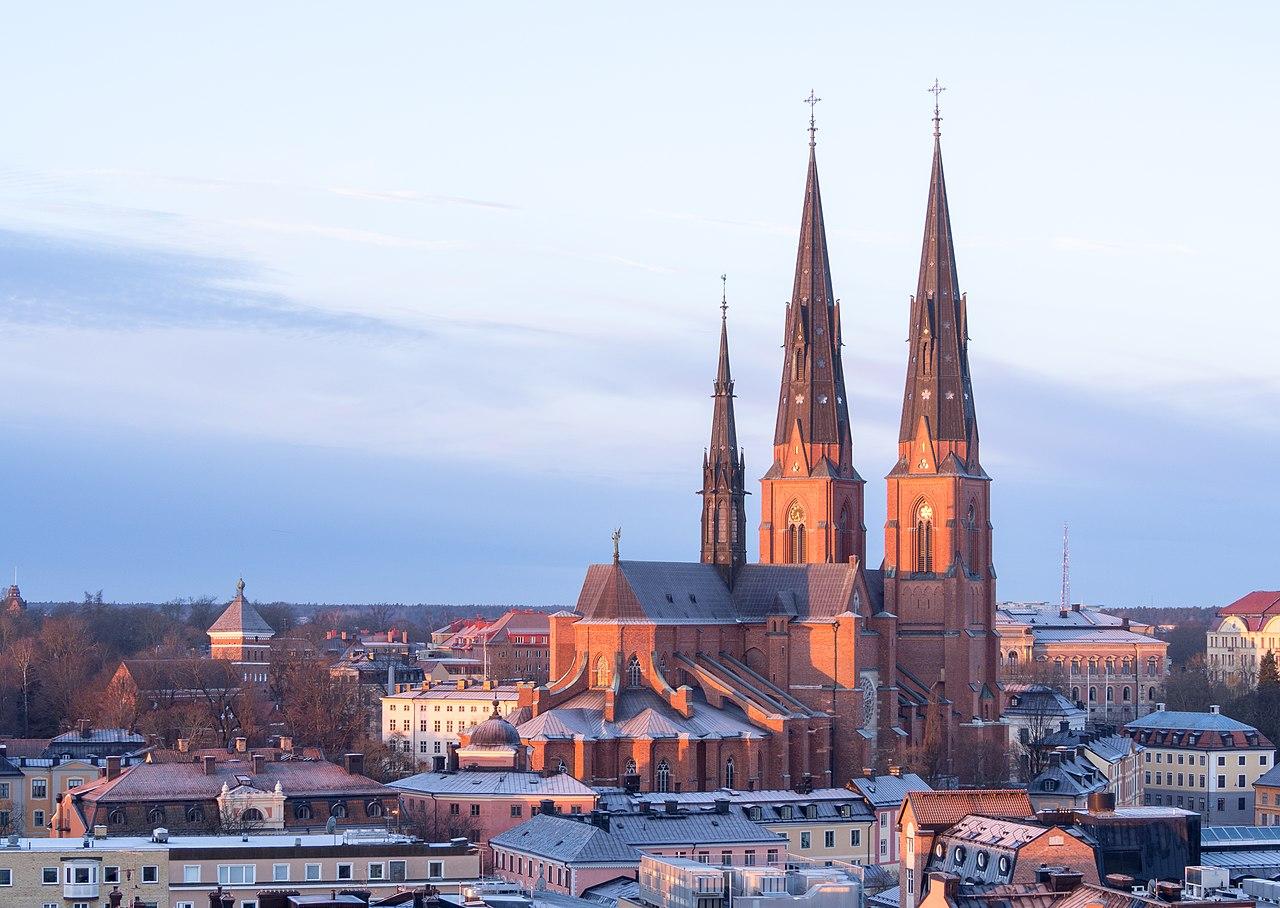
Looking beyond Brunkeberg Tunnel? Discover Uppland for broader travel guides, local hot-spots, and regional highlights.
Explore Uppland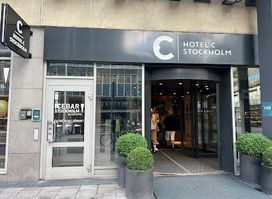
Discover the enchanting ICEBAR Stockholm, where every cocktail is served in a magical frozen wonderland, perfect for your travel memories.
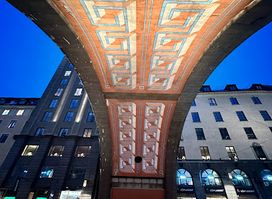
A broad, stone staircase and urban bridge that stitches Stockholm’s ridge-line into the city—subtle, seasonal and quietly cinematic.
