
Linnaeus' Hammarby, Uppland Travel Guide
Carl Linnaeus’s well‑preserved 18th‑century country estate and experimental garden, set in a reconstructed agricultural landscape just outside Uppsala.
Linnaeus' Hammarby is the 18th-century country estate and summer home of botanist Carl Linnaeus, preserved as a historic house museum with period interiors, outbuildings and a reconstructed 18th‑century cultural landscape and garden managed by Uppsala University. Set in rolling farmland about 10–15 km southeast of Uppsala, the site combines botanical interest, rural heritage trails and a small visitor centre with seasonal opening hours.
A brief summary to Linnaeus' Hammarby
- Danmarks-Hammarby, Uppsala, 741 76, SE
- Click to display
- Click to display
- Duration: 1 to 3 hours
- Mid ranged
-
 Outdoor
- Mobile reception: 4 out of 5
- Tuesday 11 am-5 pm
- Wednesday 11 am-5 pm
- Thursday 11 am-5 pm
- Friday 11 am-5 pm
- Saturday 11 am-5 pm
- Sunday 11 am-5 pm

Know before you go
Hi, I'm Eve. Here are a few practical things to know before exploring Linnaeus' Hammarby.
- Plan for seasonal opening hours; the manor and staffed displays are open mainly in late spring–summer with reduced days in shoulder seasons.
- Combine a visit with a walk on the cultural‑reserve trails for views across recreated 18th‑century farmland and small meadows.
- Allow 1.5–3 hours to tour the house, explore the gardens and read the interpretive panels — wear sturdy shoes for uneven paths.
- Check for guided‑tour times if you want an English‑language house tour; the site runs scheduled tours in summer and on select days.
Do you manage this location?
Take control to get all the benefits, like improved information, better appearance, and stronger visibility across AI-powered discovery. Learn more about listing your business on Evendo
Activate your presenceOther nearby places you may find interesting
The closest places of the same kind, if this one is not quite what you had in mind.

Explore Linnaeus' Hammarby on the Map
A handpicked selection of must-see spots near Linnaeus' Hammarby, mapped for you.
Getting There
-
By regional bus
Public bus (regional route 102) from Uppsala Central Station to the turn‑off for Linnaeus’ Hammarby takes about 20–30 minutes; services typically run every 30 minutes on weekdays and hourly on weekends. The closest stop is approximately 1.7–2.0 km from the estate, requiring a 20–30 minute walk over country lanes with some uneven surfaces; bring suitable footwear. Single adult fares are in the regional SEK zone fare range (payable by card or local travel app).
-
By car or taxi
Driving from Uppsala takes roughly 20–25 minutes depending on traffic; small rural roads and limited parking at the site mean weekend busy periods can reduce space. A taxi from central Uppsala typically takes 20–30 minutes and fares commonly range around 250–450 SEK one way depending on provider and time of day; shared ride availability from Uppsala can be limited, especially in early morning or late evening.
-
By bike
Cycling from Uppsala is feasible for fit riders: plan for a 12–15 km ride taking about 45–70 minutes depending on route and pace. The last 5–6 km follow narrow country roads with occasional vehicle traffic and uneven shoulders; ensure lights and a high‑visibility vest for safety. Bike parking is available near the entrance.
For the on-the-go comforts that matter to you
-
 Restrooms
-
 Drink Options
-
 Food Options
-
 Seating Areas
-
 Information Boards
Discover more about Linnaeus' Hammarby
An intimate country home of a pioneering naturalist
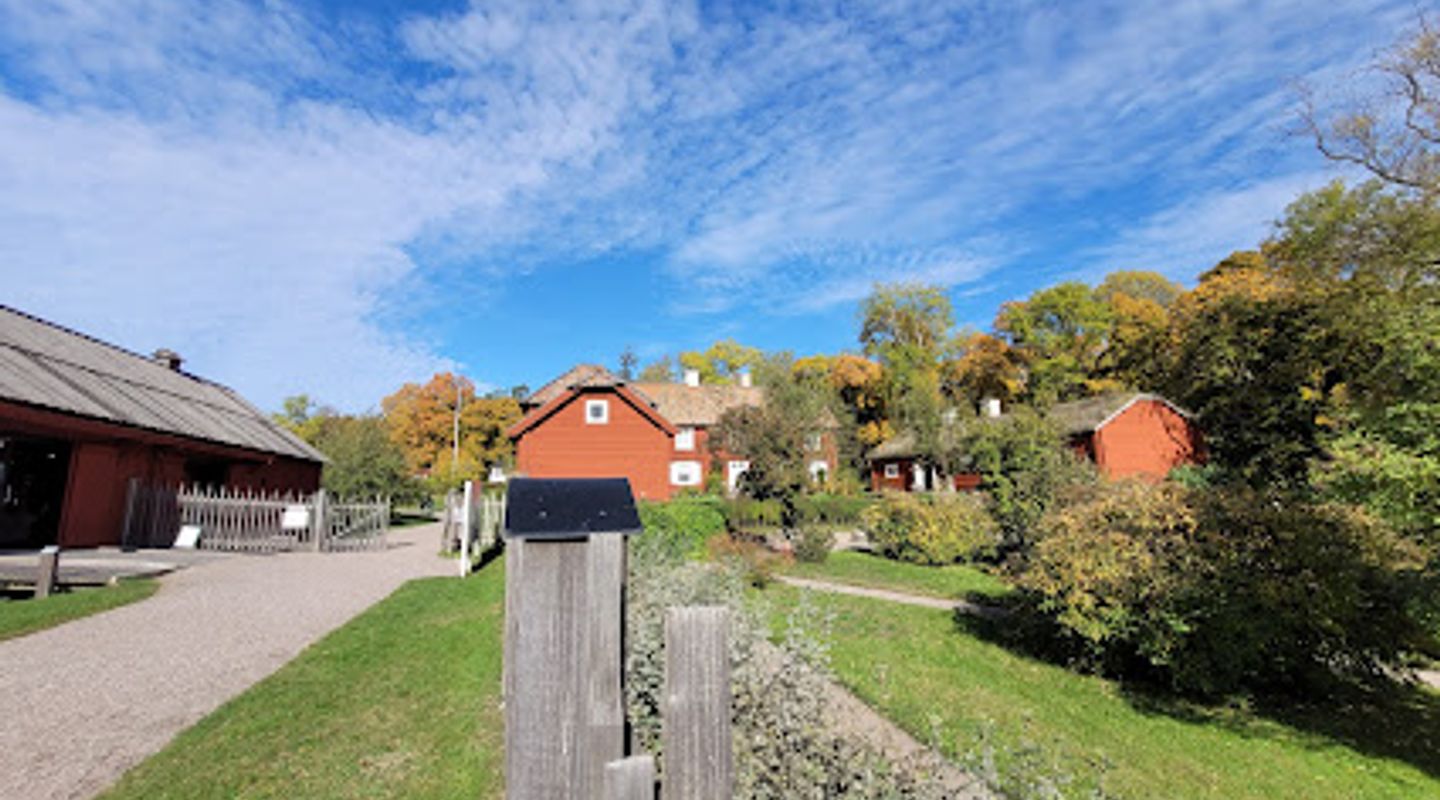
Linnaeus' Hammarby was the summer residence bought and developed by Carl Linnaeus in the mid‑18th century and later inherited by his family; it remained an active farm and experimental garden closely tied to Linnaeus’s botanical work. The manor house is built in traditional log construction and retains many original domestic features and decorated interiors that speak to everyday life and scientific study in Linnaeus’s lifetime. Nearby outbuildings — a bakehouse, brewery and storerooms — illustrate the self‑sufficient character of an estate that combined household life with scholarly collecting and plant cultivation.The gardens and cultural landscape around the house
The grounds include kitchen gardens, orchards and cultivated beds where Linnaeus grew vegetables, fruit and experimental plants that complemented his university collections. Surrounding fields are managed as a cultural reserve with recreated late‑1700s agricultural practices: hay meadows, two‑field rotations and set‑aside outland that show how the estate produced food and fodder while supporting Linnaeus’s studies. Pathways allow quiet wandering through small copses and between planted beds, and a small hill behind the house holds a fireproof collection store originally intended for natural history specimens.Museum rooms and subtle period detail
Inside the manor, carefully conserved rooms transport you to the 1700s: study spaces where botanical illustrations once lined the walls, domestic chambers with preserved wallpaper and painted decoration, and storage areas that recall household routines. The interior combines the private and the professional — domestic furniture sits alongside cupboards and shelves that once housed specimens and reference volumes. The modest scale of the house makes the museum an intimate, tactile experience rather than a grand, formal display.Walking trails, local habitats and interpretive stops
Linnaeus’ Hammarby is embedded in a broader cultural reserve that preserves traditional farmland, hedgerows and small wetlands. Short trails and the reconstructed Denmark Linnaeus Trail link the estate to nearby villages and to the botanical and natural history themes of Linnaeus’s work. Interpretive panels and a modest visitor hub explain the estate’s agricultural systems, experimental plantings and the role of servants and tenant farmers in the running of Hammarby.A small visitor centre and seasonal rhythm
The site operates to a seasonal timetable; the garden and rooms are open primarily during the warmer months with guided tours and interpreted displays staged at set times. A compact visitor centre offers refreshments, printed guides and a small shop with botanically themed items that reflect the estate’s museum character. The experience is paced and reflective — best suited to visitors who appreciate history, natural sciences and low‑key rural landscapes.












Your all‑in‑one travel companion app
Explore expert travel guides, compare and book tours, experiences, hotels, and more—all from the palm of your hand. Download now for seamless trip planning wherever your wanderlust takes you.


Explore More of Uppland

Looking beyond Linnaeus' Hammarby? Discover Uppland for broader travel guides, local hot-spots, and regional highlights.
Explore Uppland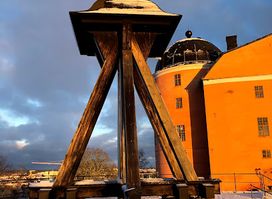
Descend into the haunting 16th-century ruins of Gustav Vasa's original Uppsala Castle, where royal blood was spilled and history's darkest tales unfold amid ancient brick vaults.
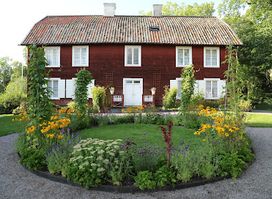
Carl Linnaeus’s well‑preserved 18th‑century country estate: a living laboratory of gardens, farm buildings and cultural landscapes outside Uppsala.
