

Skansen Travel Guide
Free Guide: Step into Sweden's living past at the world's first open-air museum, where historic homes, Nordic wildlife, and festive traditions unfold amid island greenery and city vistas.


A brief summary of Skansen
Step into Sweden's living past at the world's first open-air museum, where historic homes, Nordic wildlife, and festive traditions unfold amid island greenery and city vistas.
Skansen, the world's oldest open-air museum founded in 1891, sprawls across Djurgården island in Stockholm. Explore over 150 historic buildings relocated from across Sweden, representing traditional rural life, crafts, and architecture from the 18th to early 20th centuries. Wander through vibrant gardens, farmsteads alive with heritage breeds, and a zoo showcasing Nordic wildlife like bears, wolves, and moose alongside exotic species. The Baltic Sea Science Center offers interactive marine exhibits. Seasonal events, from Christmas markets to Midsummer dances, immerse visitors in Swedish traditions amid panoramic views of the city and archipelago.
On-site amenities
 Restrooms
 Drink options
 Food options
 Seating areas
 Sheltered areas
 Trash bins
 Information boards
 Visitor centre
Opening hours
- Every day10 am–6 pm
Opening hours as listed on the venue’s Google Business Profile. Hours can change for services and special events, so check with the venue before you go.
- Address
- Djurgårdsslätten 49-51, 115 21 Stockholm
- Phone
- Website
Getting there
Tram
Bus
Ferry
Walking
Discover more about Skansen
Origins and Vision of Artur Hazelius
Skansen opened its gates in 1891, founded by ethnographer Artur Hazelius with a mission to preserve Sweden's vanishing rural heritage. Hazelius dismantled and relocated over 150 structures from farms, villages, workshops, and manors across the nation's regions, reassembling them on this hilly 75-acre site on Djurgården. These buildings span centuries, from humble Sami huts in the north to grand urban townhouses, offering a living tapestry of pre-industrial Sweden. The founder's foresight created not just a museum, but a dynamic stage for cultural reenactments, where costumed interpreters demonstrate blacksmithing, glassblowing, and baking using authentic methods.
Historic Buildings and Cultural Immersion
Wander cobblestone paths linking timber-framed cottages, stave churches, and windmills that once dotted Sweden's landscapes. Each structure tells a story: the Dalarna farmstead evokes 19th-century peasant life with its carved wooden details, while the Skogaholm manor reflects aristocratic rural elegance. Interpreters in period attire spin wool, weave textiles, and share folklore, bridging visitors to eras when communities gathered around hearths for storytelling and song. Gardens bloom with heirloom flowers and vegetables tended in traditional plots, their scents mingling with woodsmoke from open fires.
Wildlife and Natural Habitats
Skansen's zoo emphasizes Nordic fauna in naturalistic enclosures mimicking forests, moors, and mountains. Observe brown bears foraging, lynx prowling stealthily, and wolverines displaying their fierce independence. Farm areas feature indigenous breeds like the Gotland pony and Lappish reindeer, highlighting Sweden's agricultural legacy. The children's zoo, Lill-Skansen, allows close encounters with goats, pigs, and rabbits, fostering appreciation for biodiversity. Seasonal changes reveal winter-active animals like eagles and owls, their behaviors adapted to Scandinavia's harsh climate.
Baltic Sea Science Center and Aquatic Life
Dive into the underwater world at Aquaria Vattenmuseet, where touch pools teem with rays and starfish, and massive aquariums house sharks, seals, and piranhas. Interactive displays explore the Baltic Sea's fragile ecosystem, from microscopic plankton to migratory salmon. Exhibits simulate ocean currents and pollution impacts, educating on conservation. The center's pyramid structure houses tropical realms too, contrasting cold Nordic waters with vibrant coral reefs, underscoring global interconnectedness.
Seasonal Traditions and Festivities
Skansen pulses with Sweden's calendar of holidays, each revived through Hazelius's innovations. Lucia processions light December nights with saffron buns and carols; Midsummer poles host folk dances under the midnight sun. Christmas transforms farmsteads into yuletide scenes with gingerbread baking and glögg sipping at markets since 1903. Walpurgis bonfires and National Day parades draw crowds to Solliden stage for music and speeches. These events, set against autumn foliage or snowy hills, evoke communal joy rooted in pagan and Christian rites.
Panoramic Vistas and Modern Legacy
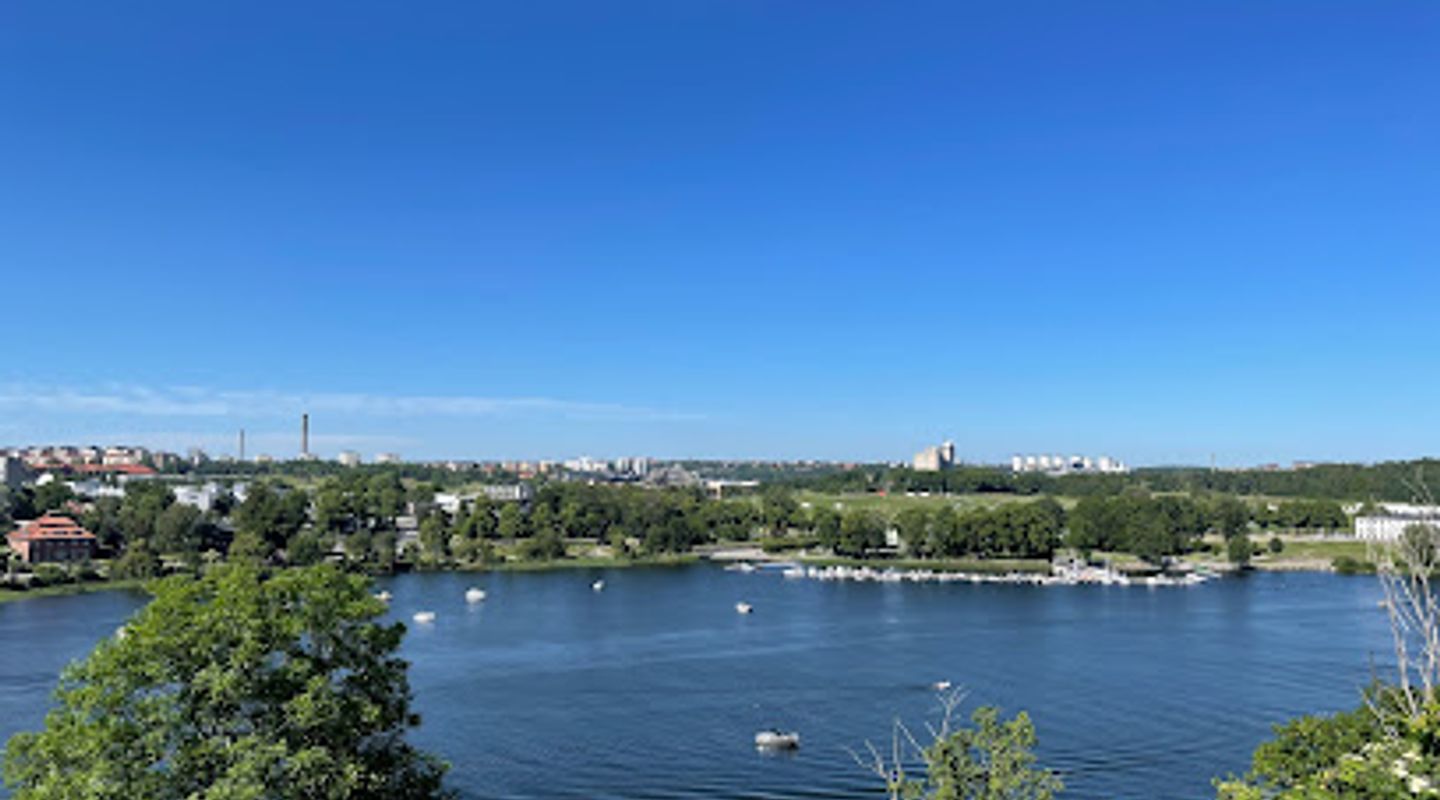
Elevated paths reward with sweeping views over Stockholm's skyline, Gamla Stan's spires, and the shimmering archipelago. Bollhuset theater hosts concerts, while cafes serve meatballs and lingonberries amid picnic spots. As a pioneer of open-air museums worldwide, Skansen influences global heritage preservation, blending education, nature, and entertainment into an enduring symbol of Swedish identity.
Evendo Review Centre
 Google
Guest reviews
Best time to go
Quietest: Jan, Feb & Mar · before 8am or from 8pm
Busy times are Evendo estimates for a typical year, to help you plan. Actual crowds vary with events, school holidays and the weather.
Explore Skansen on the map
A handpicked selection of must-see spots near Skansen, mapped for you.
Get your free copy of our complete guide to Skansen, delivered straight to you.
Everything on this page, from opening hours and how to get there to Eve’s tips and the best time to go, in one PDF you can read offline, print or share.
Already have an account? Sign in
Your Skansen guide is ready.
We'll send it to · Not you? Sign out

Getting your guide ready…
We are putting together a fresh copy of the Skansen guide. This can take up to a minute.
This can take a few moments. If your browser asks, choose Allow so the download can start. You'll find the guide in your Downloads folder.
Nothing happened? Download it again
Sorry, the guide is taking longer than usual. Please try again in a minute, or get it by email instead.
Unlock the best of Skansen
Skip-the-line tickets, guided tours with entry, and walking tours of the area, booked in a few clicks.
 Tour with entry
Entrance Ticket to Skansen Open-Air Museum in Stockholm
from $24.12 Tour with entry
Stockholm Pass: Save up to 50% - Includes Vasa Museum
from $90.42 Tour with entry
Djurgården Walking Tour, Skansen and Vasa Museum Stockholm
from $320.33 Tour with entry
Vasa Museum & Skansen Stockholm Tour with Fast-Track Ticket
from $397.88


Other nearby places you may find interesting
The closest places of the same kind, if this one is not quite what you had in mind.
-
-
-
-
-


Swipe for more places
More to explore near Skansen

 Best experiences near Skansen
 Best hotels near Skansen
 Best landmarks near Skansen
 Best attractions near Skansen
 Best shops near Skansen
 Best restaurants near Skansen
 Best bars near Skansen
Do you manage this location?
Take control to get all the benefits, like improved information, better appearance, and stronger visibility across AI-powered discovery.
Explore more

Explore more of Uppland
Discover Uppland, Sweden's historic province, with its mix of vibrant cities, serene countryside, ancient Viking sites, and rich cultural heritage.
Explore Uppland
Explore more of Sweden
Discover Sweden's breathtaking landscapes, vibrant cities, and rich cultural heritage. From the Northern Lights to historic castles, experience the essence of Scandinavia.
Explore Sweden
