
Håga mound, Uppsala Travel Guide
A towering Bronze Age barrow outside Uppsala — turf-covered, gold-rich and central to Sweden’s prehistoric ritual landscape.
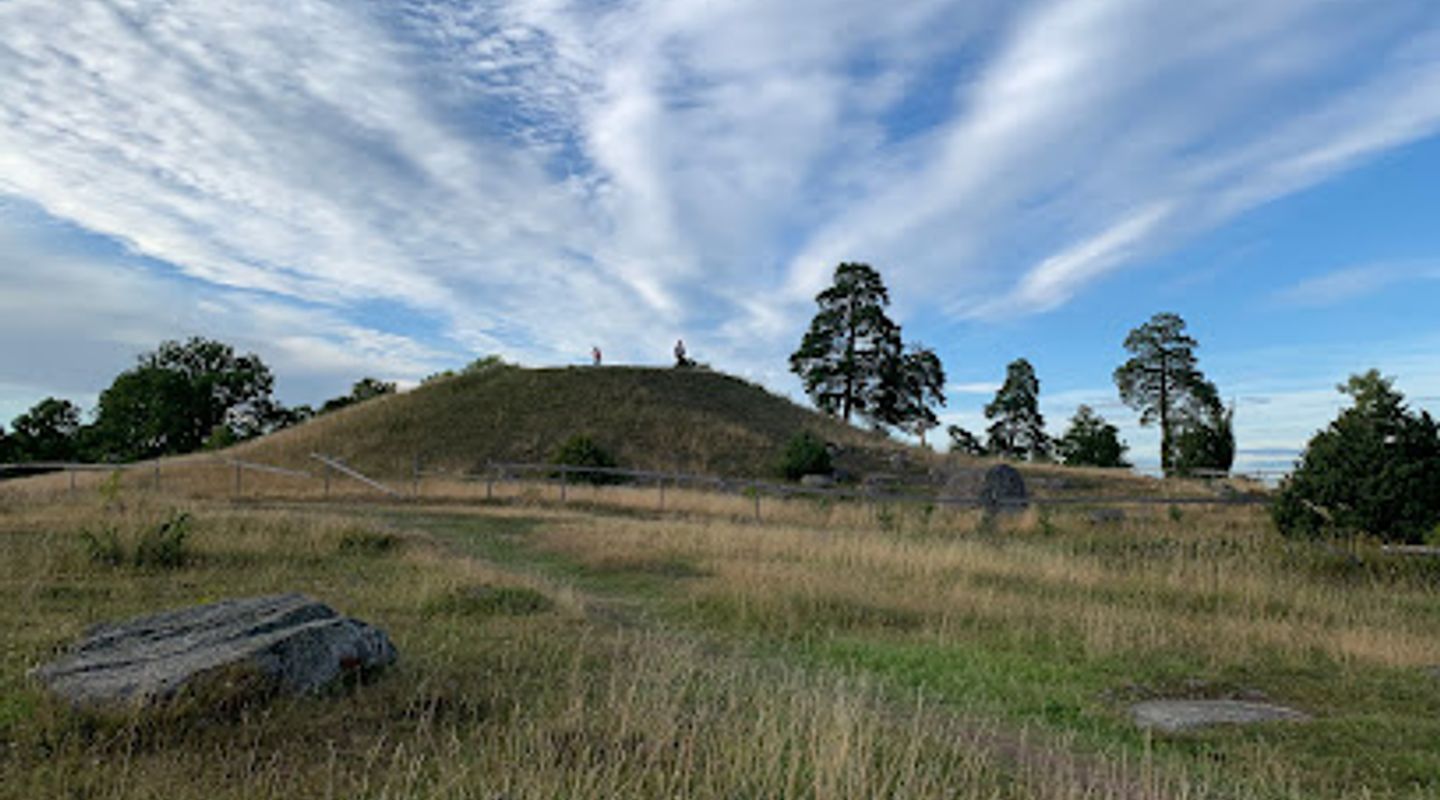
Håga Mound (Hågahögen), commonly called King Björn’s Mound, is a monumental Bronze Age burial tumulus on the western outskirts of Uppsala. Rising roughly seven metres and some 45–50 metres across, the grass-covered barrow crowns an archaeological landscape of ritual enclosures, house foundations and ancient cultivation traces. Excavated in the early 20th century, the mound yielded richly gilded Bronze Age objects now conserved in national collections, making the site one of Scandinavia’s most important prehistoric burial places.
A brief summary to Håga mound
- Hågavägen 51, Uppsala, 752 63, SE
- Click to display
- Click to display
- Duration: 0.5 to 2 hours
- Free
-
 Outdoor
- Mobile reception: 4 out of 5

Know before you go
Hi, I'm Eve. Here are a few practical things to know before exploring Håga mound.
- Wear sturdy footwear: paths are grassy and can be uneven after rain.
- Respect conservation signs and stay on designated paths to protect archaeological deposits.
- Bring binoculars or a camera with a zoom to study the mound’s contours and nearby earthworks without walking on them.
Do you manage this location?
Take control to get all the benefits, like improved information, better appearance, and stronger visibility across AI-powered discovery. Learn more about listing your business on Evendo
Activate your presenceOther nearby places you may find interesting
The closest places of the same kind, if this one is not quite what you had in mind.
Explore Håga mound on the Map
A handpicked selection of must-see spots near Håga mound, mapped for you.
Getting There
-
Public bus
Regional bus from Uppsala central bus terminal to a stop within a 2–3 kilometre approach; typical travel time 15–25 minutes depending on service; buses run frequently on weekdays but have reduced frequency evenings and Sundays; single-ride fares in SEK typically range from 30–60 SEK depending on ticket type and whether a regional or municipal fare applies.
-
Taxi / Rideshare
Taxi from central Uppsala takes about 10–15 minutes depending on traffic; fares typically range 150–300 SEK; useful for shorter visits or when public services are less frequent—note that vehicle access is to nearby parking rather than the mound’s immediate summit area.
-
Bicycle
Cycle from Uppsala city centre in approximately 15–25 minutes depending on route and pace; terrain is mostly flat on mixed cycle paths and quiet roads; bring a lock and be aware of soft ground next to the monument in wet weather.
For the on-the-go comforts that matter to you
-
 Information Boards
-
 Seating Areas
-
 Trash Bins
Discover more about Håga mound
Ancient monument and its archaeological weight
Håga Mound is a large Bronze Age tumulus dating to around 1100–1000 BCE; its turf-covered earthen cone was originally built over a cairn and a timber chamber containing an oak coffin with cremated human remains. Excavations in 1902–1903 revealed an exceptionally rich assemblage of bronze and gold-adorned objects — swords, razors, tweezers, spectacle brooches and thickly gilt buttons — which testify to the mound’s high-status burial and to long-distance craft links across southern Scandinavia.Landscape and setting through deep time
When the mound was raised it stood beside a narrow inlet of the sea; post-glacial uplift has since transformed the surrounding lowlands into the present mosaic of meadows, patches of woodland and archaeological enclosures. The barrow sits within a broader ritual complex that includes multiple burial grounds, house foundations and two so-called cultic enclosures of different ages. Together these features indicate Håga’s long use as a focal place for burial, ceremony and territorial display over many centuries.What the finds reveal about people and power
The objects recovered from the chamber indicate concentrated wealth and ceremonial practice: gilded fittings and finely worked bronze items imply access to prestige goods and specialist metalwork, while the combination of cremation, wooden coffin and cairn demonstrates ritualized treatment of high-status dead. Certain human bones show signs consistent with sacrificial deposition, suggesting complex funerary rites that blended burial, offering and possibly feasting or animal sacrifice.Later meanings and name-stories
The mound’s old Norse name links it to a long storytelling tradition: Håga (from Old Norse haugr, 'mound') appears in saga sources and later medieval texts that connect the place with regional rulers such as the legendary Björn. Over time the barrow’s presence shaped local memory and the identity of the wider Uppsala landscape, where Bronze Age ceremonial centres laid cultural foundations for later Iron Age and Viking Age political geography.What you see on arrival
Today the mound reads as a carefully contoured grassy hill standing distinctly above surrounding meadows; shallow banks, subtle hollows and nearby stone foundations mark out the wider archaeological ensemble. The turf surface softens the monument’s outline in each season — a green cone in summer, a low silhouette rimed with frost in winter — while the scale of the mound (several dozen metres across) gives a clear sense of the labour and organisation required to build it.Conservation, display and the museum connection
Only portions of the Håga complex have been excavated and much remains under the turf. Finds from the early 20th-century excavation were conserved and are exhibited in national collections, where the gilded objects are interpreted within the region’s Bronze Age networks and ritual life. At the mound itself informational panels and managed paths aim to protect buried structures while allowing visitors to appreciate the site’s archaeological depth and its quiet, monumental presence in the Uppsala landscape.












Your all‑in‑one travel companion app
Explore expert travel guides, compare and book tours, experiences, hotels, and more—all from the palm of your hand. Download now for seamless trip planning wherever your wanderlust takes you.


Explore More of Uppsala
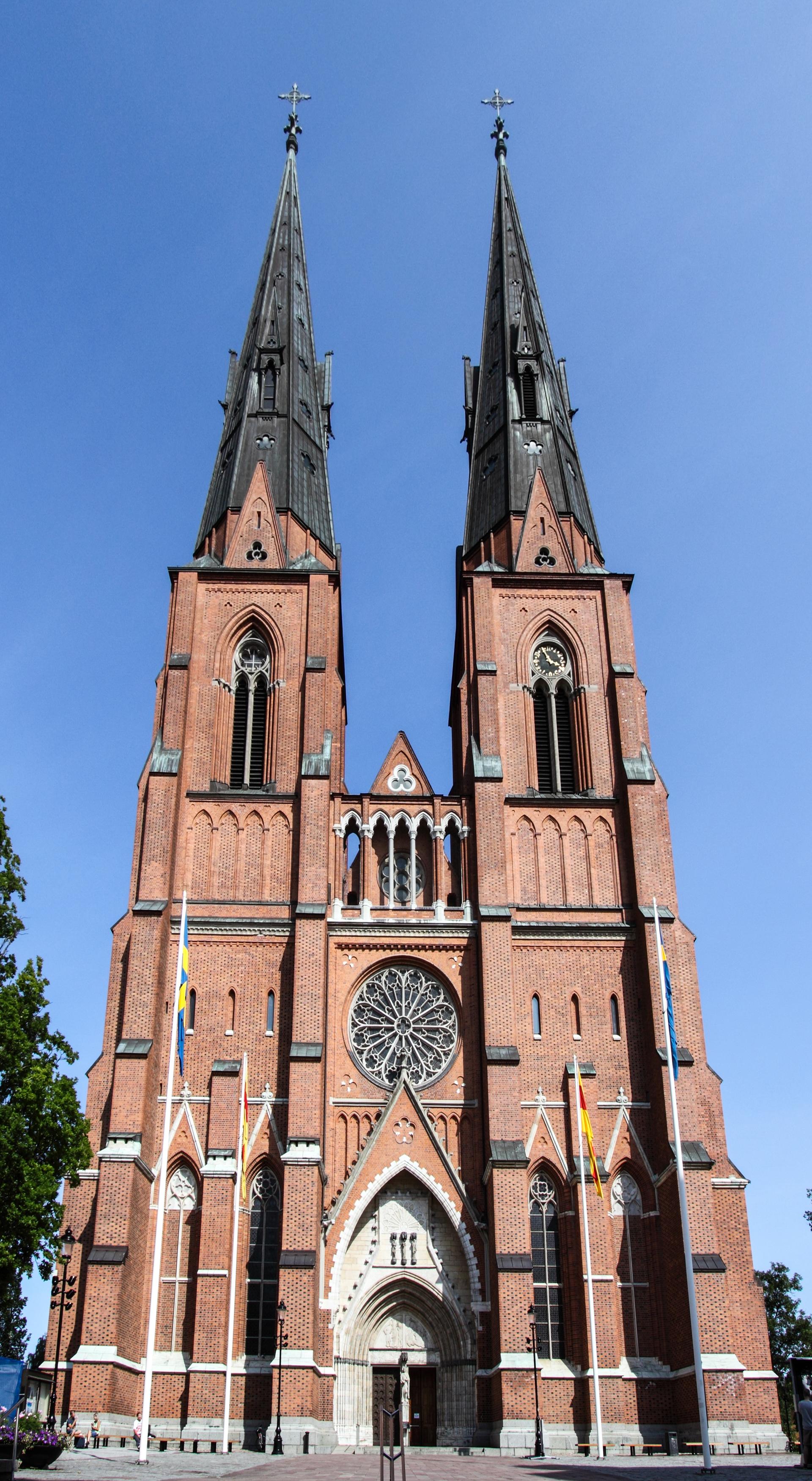
Looking beyond Håga mound? Discover Uppsala for broader travel guides, local hot-spots, and regional highlights.
Explore Uppsala
A university botanical garden by Uppsala Castle — formal Baroque beds, an historic orangery and a tropical greenhouse offering seasonal highlights year‑round.
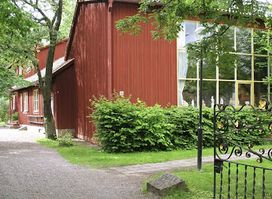
An intimate artist’s home‑museum in Uppsala showcasing Bror Hjorth’s vivid modernist paintings, sculptures and a lively programme of exhibitions and workshops.
