The Garden Society, Vastergotland Travel Guide
A beautifully preserved 19th‑century city park with a landmark Palm House, extensive rose gardens and year‑round gardens—free to enter and rich in seasonal colour.
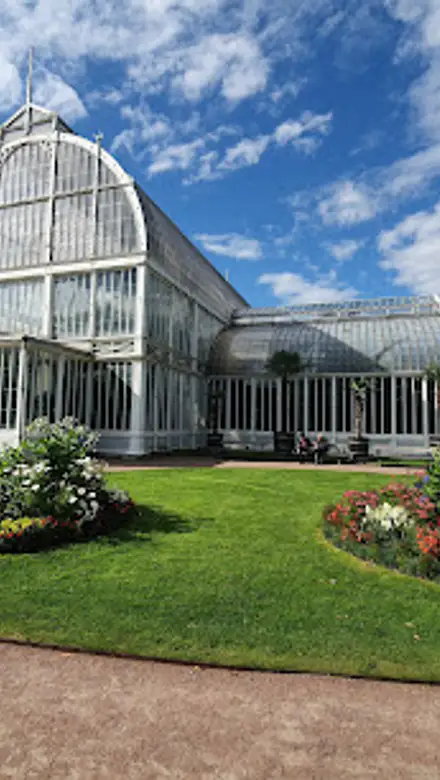
A verdant 19th‑century horticultural park in central Gothenburg, Trädgårdsföreningen combines formal rose gardens, winding lawns, heritage glasshouses and sculpted borders around the iconic 1878 Palm House. Free to enter, the garden offers seasonal displays, children's activities, cafés and peaceful paths beside historic architecture in the heart of the city.
A brief summary to The Garden Society
- Slussgatan 1, Gothenburg, 411 06, SE
- Click to display
- Click to display
- Duration: 0.5 to 3 hours
- Free
-
 Outdoor
- Mobile reception: 4 out of 5
- Monday 7 am-8 pm
- Tuesday 7 am-8 pm
- Wednesday 7 am-8 pm
- Thursday 7 am-8 pm
- Friday 7 am-8 pm
- Saturday 7 am-8 pm
- Sunday 7 am-8 pm

Know before you go
Hi, I'm Eve. Here are a few practical things to know before exploring The Garden Society.
- Entry to the park and Palm House is free; check seasonal Palm House opening times as they differ from the park’s general hours.
- Respect park rules: no alcohol, no dogs in planted areas, and follow any signage in sensitive garden zones.
- Bring a camera for the rose beds in summer and for architectural shots of the Palm House; early morning gives the best light and fewer people.
Do you manage this location?
Take control to get all the benefits, like improved information, better appearance, and stronger visibility across AI-powered discovery. Learn more about listing your business on Evendo
Activate your presenceOther nearby places you may find interesting
The closest places of the same kind, if this one is not quite what you had in mind.
Explore The Garden Society on the Map
A handpicked selection of must-see spots near The Garden Society, mapped for you.
Unlock the Best of The Garden Society
Buy tickets
-
No tickets available
Book tours with entry


Getting There
-
Tram and short walk
Tram from central Gothenburg (frequent services) to the stop nearest Kungsportsavenyn takes approximately 5–10 minutes, followed by a 5–10 minute stroll across mainly paved streets; tram tickets are charged per journey and typically cost SEK 30–50 per person depending on the ticket type, with higher fares for single‑use paper tickets and cheaper rates using the regional travel card. Services run regularly but may be less frequent late evening.
-
City bus
Regular city buses serve stops around the park; typical travel time from central stops is 6–12 minutes depending on route and traffic. Buses accept contactless payment or regional tickets; single fares are usually in the SEK 30–50 range. Note that services vary on public holidays and at night.
-
Taxi or ride‑hail
Taxi from central Gothenburg to the park typically takes 5–10 minutes in normal traffic and costs approximately SEK 80–200 depending on time of day and taxi company; expect higher prices during peak hours and events. Drop‑off is possible near the main entrance but parking near the inner park is limited.
For the on-the-go comforts that matter to you
-
 Restrooms
-
 Drinking Water
-
 Food Options
-
 Seating Areas
-
 Information Boards
Discover more about The Garden Society
An urban Victorian oasis preserved
The Garden Society of Gothenburg is one of the best‑preserved nineteenth‑century parks in Europe, founded in 1842 and planted in the spirit of Victorian horticulture. The site retains the gentle, formal lines and layered beds typical of that era: sweeping lawns, clipped edges and broad, curving borders that lead the eye through a sequence of plant rooms and open lawns.The Palm House and glasshouse traditions
At the heart of the garden stands the Palm House, an elegant cast‑iron and glass conservatory dating from the late 19th century that has sheltered exotic palms and sub‑tropical plants for generations. Surrounding greenhouses and propagation rooms support seasonal displays and plant collections, giving the park the character of a living botanical museum as well as a public garden.The rose gardens and specialist plantings
The park's Rosarium is arranged into distinct sections that showcase both historical and modern roses alongside perennials and pollinator‑friendly plantings. Beds are managed with an eye to biodiversity: traditional varieties sit beside carefully chosen companion plants, creating a succession of scent and colour from spring through to autumn.Sculpture, architecture and small‑scale features
Scattered through paths and lawns are classical and modern sculptures, ornamental fountains and historic park buildings that punctuate the green spaces. Small features — from wrought‑iron benches to stone plinths and informative plant labels — give the garden a layered, travelled quality and reward slow exploration.Family-friendly spaces and cultural life
The garden is designed for everyday city use as much as for special events: there are children's activity areas, a cultural centre for small exhibitions and seasons of programmed events such as camellia displays and midsummer gatherings. Cafés and sheltered seating make it easy to pause and linger, while grassed slopes invite quiet picnics when permitted.Seasonal rhythms and sensory highlights
The park changes markedly through the year: tender palms and dense greenhouse foliage feel tropical in summer, the rose beds reach full intensity in high summer, and the structure of paths and trees gives winter visits a calm, architectural clarity. Birdsong, the smell of roses, sun on cast‑iron work and the hush beneath mature trees combine to make this a restorative green space in a buzzing urban centre.












Your all‑in‑one travel companion app
Explore expert travel guides, compare and book tours, experiences, hotels, and more—all from the palm of your hand. Download now for seamless trip planning wherever your wanderlust takes you.


Explore More of Vastergotland
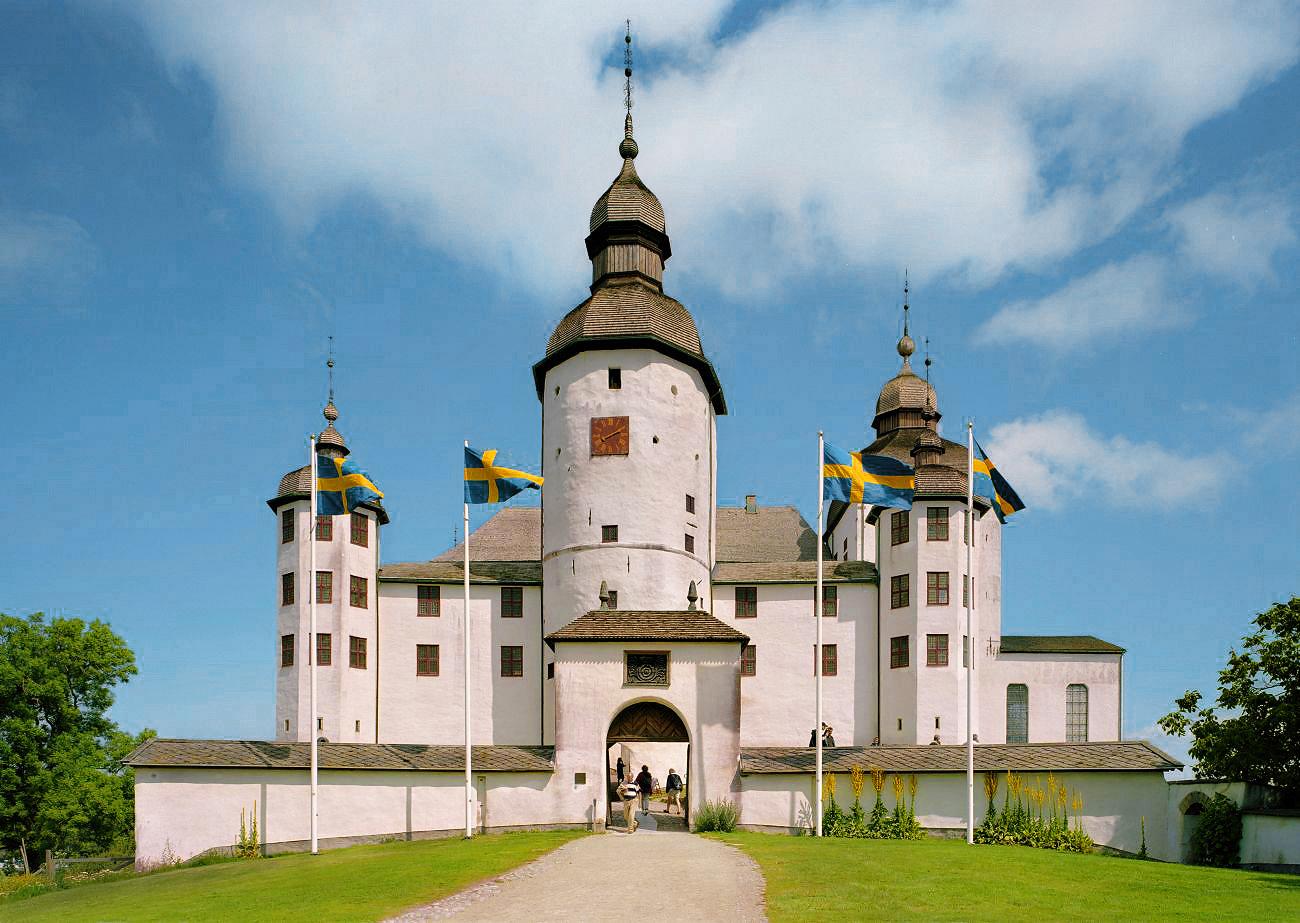
Looking beyond The Garden Society? Discover Vastergotland for broader travel guides, local hot-spots, and regional highlights.
Explore Vastergotland
Gothenburg's 1621 harbor canal: a serene waterway dividing historic districts, once alive with trading ships, now perfect for reflective city strolls.
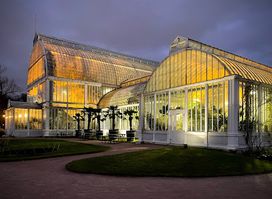
A Victorian iron‑and‑glass conservatory in the heart of Trädgårdsföreningen offering tropical plant rooms and a warm botanist’s refuge, free to enter.