Kanalmuseet Skantzen Travel Guide
Free Guide: A compact canal museum within an original canal-administration cluster, where workshops, locks and local stories bring Strömsholms Canal history to life.


A brief summary of Kanalmuseet Skantzen
A compact canal museum within an original canal-administration cluster, where workshops, locks and local stories bring Strömsholms Canal history to life.
Kanalmuseet Skantzen sits in the historic Skantzen area at the head of Strömsholms Canal in Hallstahammar, housing canal-related exhibits and local heritage displays within an atmospheric old canal-administration complex. The open-air setting around the museum includes parkland, locks and workshops that tell 250 years of canal history and craft, with seasonal opening hours focused on summer and weekend visits.
On-site amenities
 Seating areas
 Sheltered areas
 Information boards
 Food options
Opening hours
- MonClosed
- Tue12 pm–4 pm
- Wed12 pm–4 pm
- Thu12 pm–4 pm
- Fri12 pm–4 pm
- Sat12 pm–4 pm
- Sun12 pm–4 pm
Opening hours as listed on the venue’s Google Business Profile. Hours can change for services and special events, so check with the venue before you go.
- Address
- Karl-Erik Sjögrens väg 13, Skantzgatan 11, 734 40 Hallstahammar
- Phone
- Website
Getting there
Regional bus
Car
Cycling
Discover more about Kanalmuseet Skantzen
Roots of a working canal campus
Skantzen began life as the administrative and technical heart of the Strömsholms Canal project; the site developed in the late 18th century as sluices, workshops and housing were clustered where the canal met the settlement. The museum occupies buildings and spaces that once housed the canal’s mechanics, smithies and service yards, so the structures themselves are artifacts: timber and brick workshops, manager’s houses and lock-side infrastructure that still read as working pieces of industrial-era canal logistics.
What the exhibits show
Inside the canal museum you’ll find objects tied to inland navigation and the canal trades: models of vessels used on the canal, tools from lock and boat maintenance, historical documents and photographs that map the canal’s construction and use, and interpretations of the local technical role once filled by the site’s chief mechanic. The displays are compact and focused on practical craft and engineering—an emphasis that complements the open-air context and the surviving canalside machinery.
Parkland, locks and living landscape
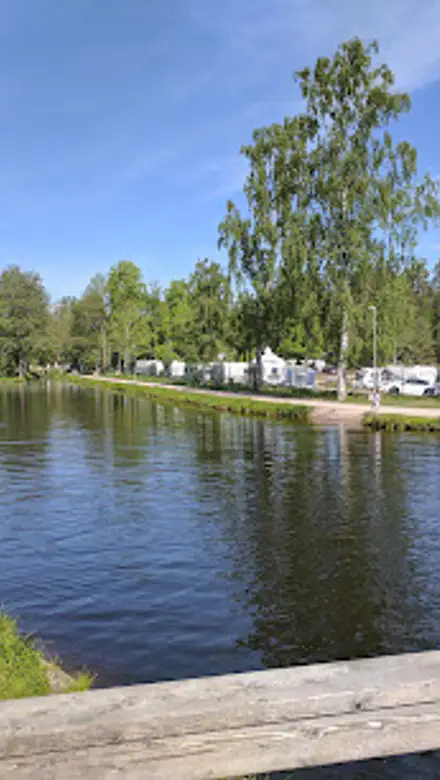
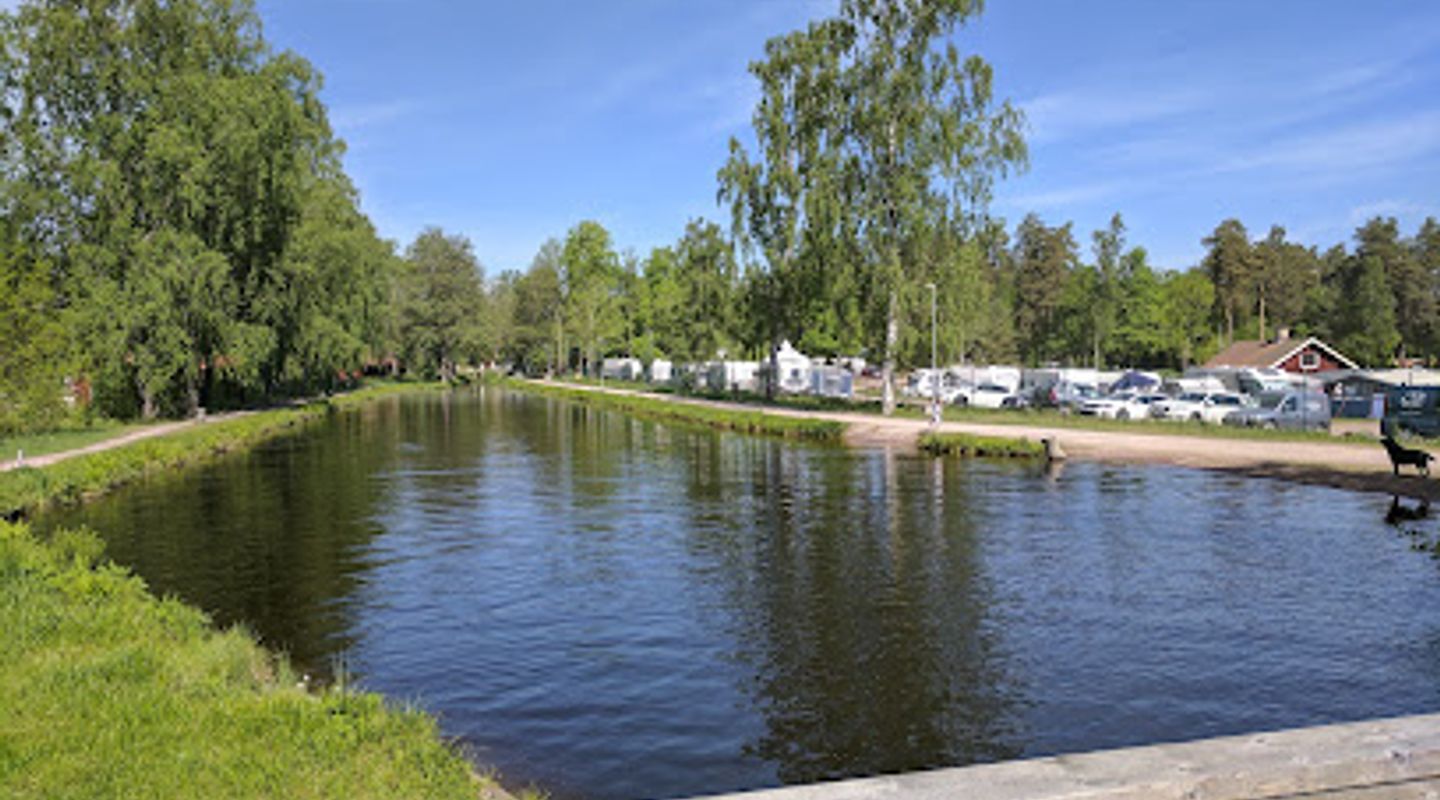
Skantzen is more than a small museum building; it’s a cluster of canal-era structures set around green spaces and working locks. Pathways trace the canal’s edge, and from several points you can look across the water to lock chambers, quays and the low, tree-lined banks that have guided barges for centuries. The site’s arrangement—workshops grouped near residences and service yards—helps visitors sense how daily life and industry were interwoven at the canal head.
Seasonal rhythm and community events
The museum and the wider Skantzen cultural area operate with a seasonal pulse: opening hours are concentrated in summer and on selected weekends, and community groups use the site for heritage programmes, traditional markets and occasional living-history events. That rhythm preserves the location as a summer cultural hub while keeping the quieter, atmospheric winter months more contemplative.
Textures and small details to notice
Take time to study fittings, rivets and timber joints on the canal furniture; notice signage and dated plaques on workshop doors, and the grain of historical photos mounted in cases. Outside, the sound of water through locks and the creak of aged gates provides an aural link to the manual labour that shaped the place. Benches and sheltered spots near the canal invite lingering and close observation.
How the site fits the region
Kanalmuseet Skantzen is one node in the wider Strömsholms Canal story: a tangible local record of inland shipping, iron-era transport and canal engineering that fed regional industry. The museum’s compact collection and the surrounding open-air structures together illustrate both the technical solutions used over 250 years and the small-scale social world that grew up around a major transport artery.
Evendo Review Centre
 Google
Guest reviews
Best time to go
Quietest: Jan, Feb & Mar · before 8am or from 8pm
Busy times are Evendo estimates for a typical year, to help you plan. Actual crowds vary with events, school holidays and the weather.
Explore Kanalmuseet Skantzen on the map
A handpicked selection of must-see spots near Kanalmuseet Skantzen, mapped for you.
Get your free copy of our complete guide to Kanalmuseet Skantzen, delivered straight to you.
Everything on this page, from opening hours and how to get there to Eve’s tips and the best time to go, in one PDF you can read offline, print or share.
Already have an account? Sign in
Your Kanalmuseet Skantzen guide is ready.
We'll send it to · Not you? Sign out

Getting your guide ready…
We are putting together a fresh copy of the Kanalmuseet Skantzen guide. This can take up to a minute.
This can take a few moments. If your browser asks, choose Allow so the download can start. You'll find the guide in your Downloads folder.
Nothing happened? Download it again
Sorry, the guide is taking longer than usual. Please try again in a minute, or get it by email instead.
Other nearby places you may find interesting
The closest places of the same kind, if this one is not quite what you had in mind.
-
-
-
-
-


Swipe for more places
More to explore near Kanalmuseet Skantzen

 Best experiences near Kanalmuseet Skantzen
 Best hotels near Kanalmuseet Skantzen
 Best landmarks near Kanalmuseet Skantzen
 Best attractions near Kanalmuseet Skantzen
 Best shops near Kanalmuseet Skantzen
 Best restaurants near Kanalmuseet Skantzen
 Best bars near Kanalmuseet Skantzen
Do you manage this location?
Take control to get all the benefits, like improved information, better appearance, and stronger visibility across AI-powered discovery.
Explore more
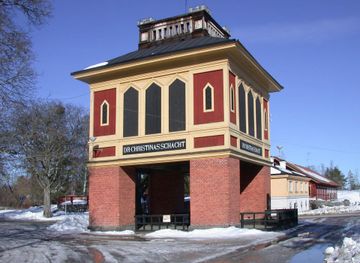
Explore more of Västmanland
Discover Västmanland: A blend of natural beauty, historical treasures, and modern attractions in the heart of Sweden.
Explore Västmanland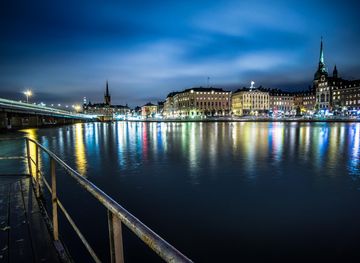
Explore more of Sweden
Discover Sweden's breathtaking landscapes, vibrant cities, and rich cultural heritage. From the Northern Lights to historic castles, experience the essence of Scandinavia.
Explore Sweden