

Ormdalen Travel Guide
Free Guide: A compact, moss‑draped post‑glacial valley near Skinnskatteberg—steep ravines, old forest, a short loop trail and a quiet pond with a wind shelter.


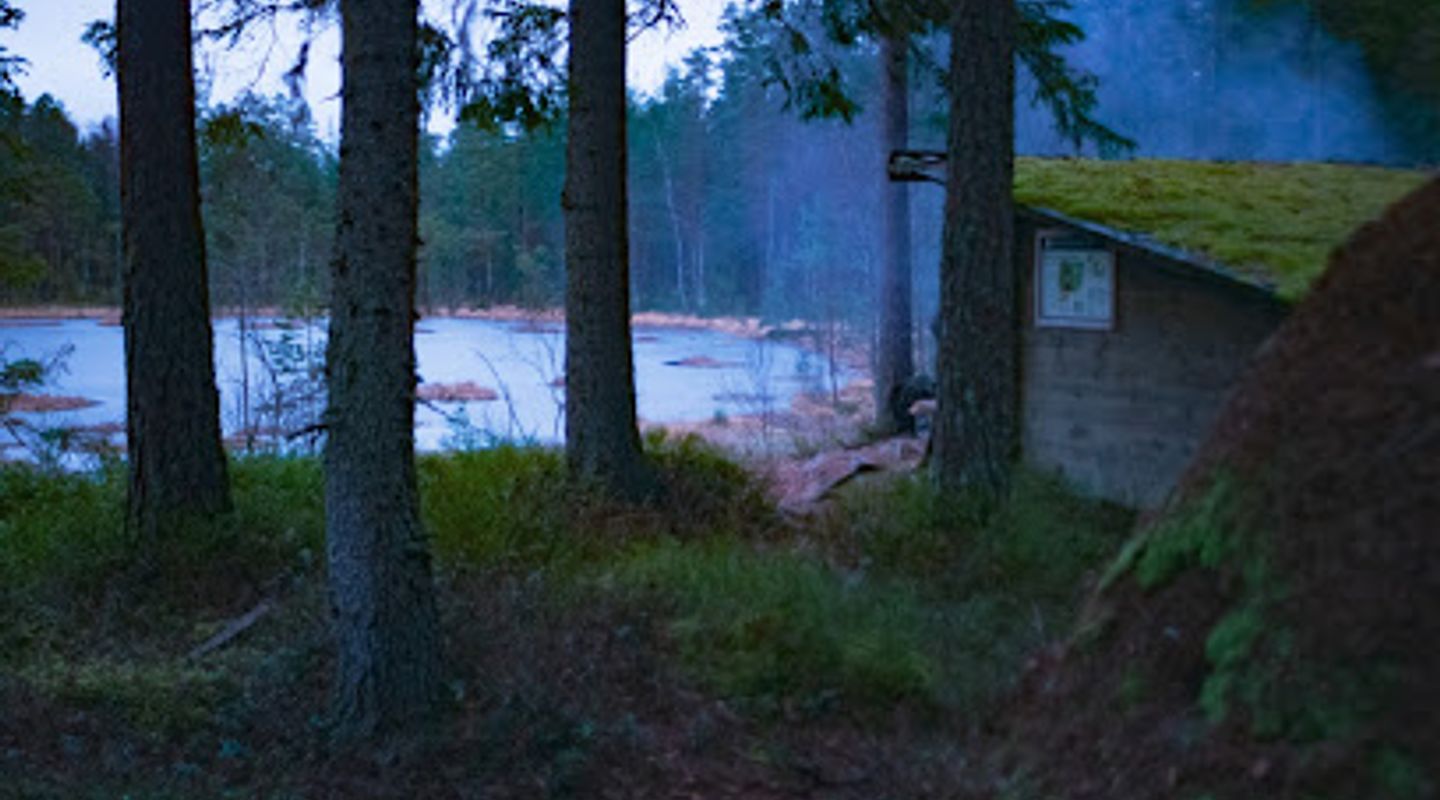
A brief summary of Ormdalen
A compact, moss‑draped post‑glacial valley near Skinnskatteberg—steep ravines, old forest, a short loop trail and a quiet pond with a wind shelter.
Ormdalen is a compact, moss-draped nature reserve near Skinnskatteberg in Västmanland, Sweden, protecting a steep, water-cut valley carved after the Ice Age. Roughly 35 hectares in size, it offers the Ormdalsslingan loop (about 5.8 km) through old-growth forest, rocky ravines, streams, and a small pond with a rustic wind shelter and fireplace—an atmospheric short hike edged by cliffs, ferns and abundant mosses.
On-site amenities
 Seating areas
 Sheltered areas
 Picnic areas
 Information boards
Opening hours
- Every dayOpen 24 hours
Opening hours as listed on the venue’s Google Business Profile. Hours can change for services and special events, so check with the venue before you go.
- Address
- 739 91 Skinnskatteberg
- Website
Getting there
By car
Regional bus + walk
Hike from nearby trailheads
Discover more about Ormdalen
A pocket valley shaped by ice and water
Ormdalen is a small but dramatic nature reserve occupying a narrow dalgång (valley) cut by streams and rivulets beneath the ridge known locally as Ormdalsåsen. The terrain is sculpted by post‑glacial forces: steep, moss‑cloaked rock faces and narrow gorges frame sinuous waterways that still tumble and thread the reserve. Although compact—around 35 hectares—the area concentrates the kind of rugged relief more often found in much larger protected landscapes, presenting abrupt elevation changes, bedrock exposures and deep-rooted trees clinging to shale and outcrop.
Forest, fungi and a living carpet of moss
The reserve’s dominant impression is green: old mixed forest stands where conifer and deciduous trunks are heavily colonised by mosses, lichens and bracket fungi. Understorey plants and seasonally dramatic carpets of spring woodland flowers occupy the wet hollows beside the streams, while fallen logs and tree roots create microhabitats for invertebrates and delicate moss communities. The damp, shaded conditions favour a rich bryophyte and fungal flora that gives the valley an ancient‑forest character uncommon in intensively managed countryside.
Trails, shelter points and small-scale adventure Ormdalen is best explored on foot. The Ormdalsslingan loop, a waymarked hike of roughly 5.8 kilometres, threads the reserve and passes by Ormputten, a small forest pond with a basic wind shelter and fireplace—an inviting spot for a pause. Along the trail the path alternates between open gravel approach sections, narrow single-track through the heavy forest, and steeper stretches that follow streamside ravines. There are short, occasionally steep climbs and sections where the path narrows by rocky outcrops, so boots and steady footing are recommended. Hydrology and seasonal moods
Water is a constant presence: narrow streams, shoals and small cascades change character with the seasons. Spring melt and rainy spells swell the brooks and spread a vivid green across the valley floor; in dry late summer flows are reduced but the wet hollows still hold quiet pools and damp moss beds. The reserve’s small ponds and streams act as focal points for wildlife and create an ever‑changing soundscape—running water, bird calls and the rustle of wind in tall spruce and birch.
Flora, fauna and conservation context
Ormdalen’s value lies in its relatively intact forest structure, rocky microhabitats and continuity of deadwood—features important for wood‑loving insects, cavity‑nesting birds and cryptogams. The reserve was protected to conserve these characteristics and the mosaic of damp ravines and ridge woodland. Management aims focus on preserving natural dynamics rather than transforming the area; fallen trees and natural decay processes are part of the ecological fabric that gives Ormdalen its character.
Visitor experience and what to expect
A visit feels intimate and immersive: narrow footpaths, sudden drops to stream channels and mossed rock faces close enough to touch. Expect a quiet, contemplative atmosphere rather than wide open viewpoints; the reserve rewards a slower pace and attention to small details—an unusual lichen, a line of bracket fungi, or the pattern of water cutting ancient rock. Facilities are minimal—the wind shelter at Ormputten is the primary resting point—so come prepared for a short, nature‑centred outing that showcases the wild side of central Sweden.
Evendo Review Centre
 Google
Guest reviews
Best time to go
Quietest: Jan, Feb & Nov · before 6am or at 9pm
Busy times are Evendo estimates for a typical year, to help you plan. Actual crowds vary with events, school holidays and the weather.
Explore Ormdalen on the map
A handpicked selection of must-see spots near Ormdalen, mapped for you.
Get your free copy of our complete guide to Ormdalen, delivered straight to you.
Everything on this page, from opening hours and how to get there to Eve’s tips and the best time to go, in one PDF you can read offline, print or share.
Already have an account? Sign in
Your Ormdalen guide is ready.
We'll send it to · Not you? Sign out

Getting your guide ready…
We are putting together a fresh copy of the Ormdalen guide. This can take up to a minute.
This can take a few moments. If your browser asks, choose Allow so the download can start. You'll find the guide in your Downloads folder.
Nothing happened? Download it again
Sorry, the guide is taking longer than usual. Please try again in a minute, or get it by email instead.
Other nearby places you may find interesting
The closest places of the same kind, if this one is not quite what you had in mind.
-
-
-
-
-


Swipe for more places
More to explore near Ormdalen

 Best experiences near Ormdalen
 Best hotels near Ormdalen
 Best landmarks near Ormdalen
 Best attractions near Ormdalen
 Best shops near Ormdalen
 Best restaurants near Ormdalen
 Best bars near Ormdalen
Do you manage this location?
Take control to get all the benefits, like improved information, better appearance, and stronger visibility across AI-powered discovery.
Explore more
Explore more of Västmanland
Discover Västmanland: A blend of natural beauty, historical treasures, and modern attractions in the heart of Sweden.
Explore Västmanland
Explore more of Sweden
Discover Sweden's breathtaking landscapes, vibrant cities, and rich cultural heritage. From the Northern Lights to historic castles, experience the essence of Scandinavia.
Explore Sweden
