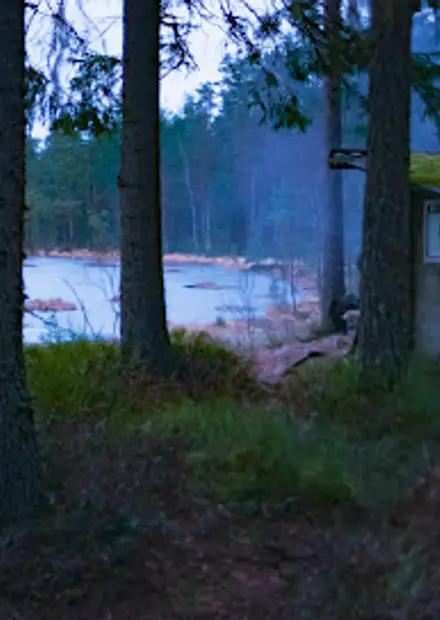
Best Landmarks Near Ormdalen (Västmanland)
Planning a trip to Ormdalen? Discover the best landmarks nearby with history, expert tips, and routes. Free on web or the Evendo app.


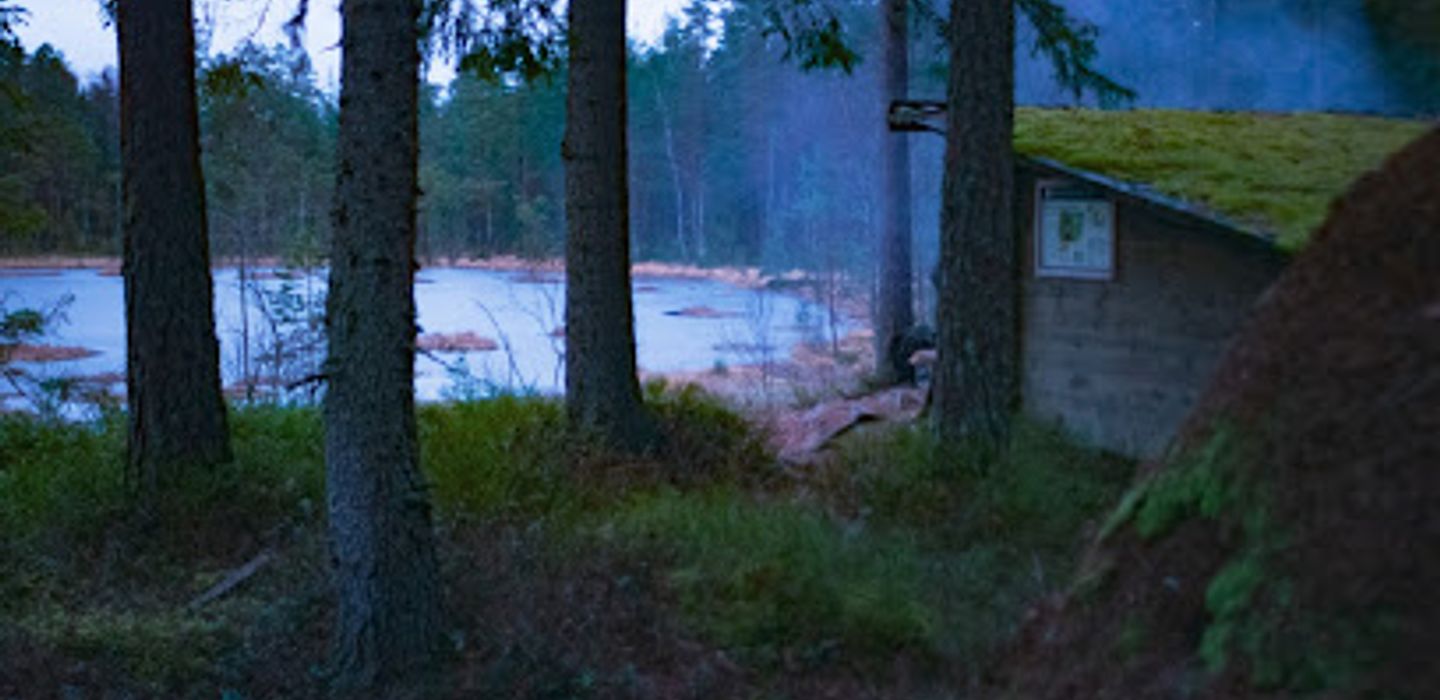
The best landmarks near Ormdalen
- Top rated
- Closest to Ormdalen
- Price level: low to high
- Time to spend: shortest first
- A–Z
52 landmarks
-
Tourist attraction4.3★6,752 reviews
Örebro Castle
Perched on an islet in the Svartån River, Örebro Castle is a majestic 13th-century fortress dominating the city skyline. Expanded in the 16th century and rebuilt around 1900, it blends medieval origins with Renaissance grandeur. Visitors explore historic halls, join guided tours revealing royal tales, and enjoy family quests, exhibitions, a cozy café in a former torture chamber, and a castle shop. Open year-round with seasonal hours, entry starts at 165 SEK for adults.
Mon–Thu 11:00–16:00 · Fri–Sun 10:00–17:00Price level $$Time to spend 1–2.5 hrs
-
Historical landmark4.5★3,837 reviews
Wadköping
Wadköping is an enchanting open-air museum in central Örebro, Sweden, recreating the city's historic wooden architecture from the 15th to 19th centuries. Relocated timber houses, workshops, and courtyards form a living snapshot of old urban life, complete with museums, craft studios, cafés, and seasonal events that immerse visitors in Sweden's cultural past.
Daily 11:00–17:00Time to spend 1–3 hrs
-
Tourist attraction4.5★2,019 reviews
Anundshög
Anundshög, Sweden's largest burial mound, rises 9 meters high on the outskirts of Västerås, anchoring a vast ancient monument complex from the Iron Age. Built between 500–1050 AD, it features twin stone ship settings, a towering runestone, over a dozen burial mounds, and a medieval labyrinth. Once a Viking-era trade hub and assembly site along Eriksgatan, it hosted things into the Middle Ages, marked by ancient roads lined with poles. Explore freely year-round, with summer guided tours revealing its mysteries as a center of power in western Mälaren Valley.
Open 24 hoursTime to spend 1–3 hrs
-
Tourist attraction4.6★1,122 reviews
Falu Mine
Falun Mine, a UNESCO World Heritage Site in central Sweden, operated for over a millennium until 1992, producing up to two-thirds of Europe's copper and fueling Sweden's rise as a power. The dramatic Great Pit, formed by a 1687 collapse, anchors this industrial landscape of shafts, wheelhouses, and historic Falun town painted in iconic Falu Red from mine byproducts. Underground tours reveal miners' harsh world amid galleries carved over centuries.
Mon–Fri 10:00–16:00 · Sat–Sun 10:00–15:00Price level $$Time to spend 1.5–3 hrs
-
Tourist attraction4.6★1,072 reviews
Västerås Domkyrka
Västerås Domkyrka stands as a majestic Gothic cathedral in central Västerås, with origins tracing back to around 1100. This 93-meter-long landmark features a towering 100-meter spire, medieval altarpiece, King Erik XIV's grave, and the unique Skattkammaren treasure chamber displaying ecclesiastical artifacts. Open daily 9am-5pm with free entry, it hosts concerts, exhibitions, and remains a living parish church blending history and contemporary worship.
Daily 9:00–17:00Time to spend 0.5–2 hrs
-
Tourist attraction4.3★754 reviews
Stora Sundby Castle
Perched on the shores of Lake Hjälmaren, Stora Sundby Castle is a romantic 19th-century masterpiece blending medieval origins with neo-Gothic splendor. Its calendar-inspired design features four grand towers for the seasons, twelve smaller ones for the months, 52 rooms for the weeks, and 365 windows for the days. Explore lush parklands, ancient ruins, a rune stone, rose gardens, and a deer enclosure surrounding this privately owned fairy-tale landmark, with a café offering light refreshments amid scenic beauty.
Daily 10:00–18:00Price level $Time to spend 1–2.5 hrs
-
Hotel4.4★615 reviews
Hennickehammars Manor
Nestled in the lush forests of Värmland by Lake Hemtjärn, Hennickehammars Herrgård is an 18th-century manor house offering luxurious stays, fine dining, spa facilities, and outdoor adventures. This historic retreat blends timeless elegance with modern comforts, perfect for relaxation amid Sweden's scenic countryside.
Price level $$Time to spend 1.5–4 hrs
-
Tourist attraction4.1★634 reviews
Ängsö Slott
Perched on the island of Ängsö in Lake Mälaren, Ängsö Slott is a medieval fortress turned elegant castle, boasting over 800 years of history. Built in the 1480s as a defensive stronghold, it features a cubic four-story structure of stone and brick, crowned by an 18th-century lanternin. Owned by noble families like Sparre and Piper, the castle holds tales of sieges, royal intrigue, and resident ghosts, including the spectral hound and vengeful Brita Bååt. Surrounded by ancient grave fields, 18th-century crofts, and a 14th-century chapel, it offers a hauntingly beautiful glimpse into Sweden's feudal past. Open daily 11am-4pm, entry is free, with guided tours revealing preserved rococo interiors and eerie legends.
Daily 11:00–16:00Time to spend 1–3 hrs
-
Historical landmark4.4★584 reviews
Östra Silvberg gruva
Östra Silvberg gruva is a centuries‑old, water‑filled open pit and historic mining landscape near Borlänge in Dalarna, once a major silver site from the 1400s and later worked for sulfur and zinc. The site’s deep, turquoise pit, rust‑coloured spoil heaps and scattered industrial remains sit beside a ruined churchyard and tranquil forest, offering striking contrasts between industrial history and quiet natural scenery.
Open 24 hoursTime to spend 0.5–2 hrs
-
Tourist attraction4.1★452 reviews
Engelsberg Ironworks
Engelsberg Ironworks is a remarkably preserved 17th-19th century industrial complex in central Sweden, recognized as a UNESCO World Heritage site since 1993. Wander through red wooden cottages, a French-style manor house, operational blast furnace from 1779, forge, barns, and workers' dwellings amid serene forests and lakes. Guided tours reveal inner workings; free entry to grounds, with a café nearby. A serene glimpse into Sweden's iron production era that fueled national prosperity.
Price level $Time to spend 1–2.5 hrs


Tidö Castle
Tidö Castle stands as one of Sweden's best-preserved treasures from the Great Power era, built in strict Dutch Renaissance style between 1625 and 1641 by Chancellor Axel Oxenstierna. Located 17 km south of Västerås amid scenic parklands, the castle features stunning sandstone portals, 43 exquisite intarsia doors from the 1630s, and guided tours of its paradvåning. Explore the grounds freely, visit the world-class MC Collection motorcycle museum and bicycle museum in the historic stone stables, and enjoy simple café fare. Still a private residence owned by the von Schinkel family since 1890, it blends living history with natural beauty near bird-rich Asköviken bay.
Price level $$Time to spend 1.5–3 hrs

Klosters kyrka
Klosters kyrka is a monumental 20th‑century church set on the banks of the Eskilstunaån in central Eskilstuna. Designed by Otar Hökerberg and consecrated in 1929, the building is notable for its twin towers, lofty vaults and a 17th‑century Flemish altarpiece by Martin de Vos. With room for around 600 worshippers, the church combines dramatic scale with detailed craftsmanship, making it a striking example of civic ecclesiastical architecture in Södermanland.
Time to spend 0.2–1.5 hrs

Sigurd inscription runic carvings
The Ramsund Sigurd Carving is a large 11th‑century runic rock carving near Sundbyholm, Eskilstuna, that uniquely combines runic text and vivid pictorial scenes from the Sigurd (dragon‑slayer) legend. Carved into an exposed rock face rather than a standing stone, the panel was commissioned as a memorial and shows several episodes — the dragon, the roasted heart, the treasure‑laden horse and more — all woven within a serpent‑shaped runic band.
Time to spend 0.5–2 hrs

Västerås Castle
Perched at the mouth of the Svartån River in Västerås, this 16th-century castle blends Renaissance grandeur with Swedish history. Once a royal residence and administrative hub, it now hosts events, a cozy lunch spot, and scenic grounds ideal for quiet strolls amid historic walls and waterfront views.
Mon–Fri 11:30–14:00Time to spend 0.5–2 hrs
Garpenberg Castle
Nestled in the deep forests of southern Dalarna, Garpenberg Castle is a majestic 19th-century chateau blending French architectural elegance with Swedish countryside charm. Built in 1801, this stately manor offers a glimpse into aristocratic history amid scenic woodlands, serving as a versatile venue for events, stays, and serene exploration just two hours from Stockholm.
Price level $$Time to spend 1–3 hrs

Rusakulan
Rusakulan crowns northern Kilsbergen, offering sweeping vistas across vast forests, the city of Örebro, Lake Hjälmaren, and up to 21 church spires on clear days before leaves bud. This natural viewpoint blends pine-scented trails, blooming heather fields, and dramatic elevation in an otherwise flat region, ideal for picnics and panoramic hikes.
Open 24 hoursTime to spend 0.5–2 hrs

Dalahästen
A 13-metre-tall, vividly painted giant Dala horse that has stood near the crossroads outside Avesta since 1989; built in steel and sprayed concrete as a roadside landmark, it celebrates the Dalarna carving tradition on an epic scale and was restored and repainted after municipal takeover in 2019.
Open 24 hoursTime to spend 0.2–1 hr

Kristine Church, Falun
Nestled in Falun's vibrant heart at Stora Torget, Kristine Church stands as one of Sweden's grandest Renaissance masterpieces. Built in the late 16th century as a condition for the town's city rights, its sturdy brick facade and soaring tower dominate the skyline. Step inside to discover a light-filled nave adorned with ornate altarpieces, pulpit, and intricate frescoes that whisper tales of Reformation-era artistry. Hosting worship, concerts, and community events, this sacred space blends historical depth with everyday Falun life. Free entry invites quiet reflection or architectural awe amid the town's pedestrian buzz.
Mon–Fri 10:00–16:00 · Sun 10:00–13:00Time to spend 0.5–1.5 hrs

Rytterne kyrkoruin
Nestled in the serene Swedish countryside near Västerås, Rytterne Kyrkoruin stands as a poignant medieval church ruin from the early 13th century. This atmospheric site, one of Västmanland's oldest Christian monuments, whispers tales of royal visits, parish mergers, and careful 1930s restoration amid lush fields and ancient history. Free to explore, it offers a tranquil glimpse into Sweden's ecclesiastical past.
Open 24 hoursTime to spend 0.5–1.5 hrs

Härkeberga Church
A compact 14th‑century stone church north of Enköping famed for exceptionally well preserved late‑medieval wall and vault paintings attributed to Albertus Pictor, Härkeberga Church sits within a quietly pastoral parish landscape that includes an external timber bell tower and a historic church‑village setting preserved by local heritage groups.
Price level $$Time to spend 0.5–1.5 hrs

Linnés bröllopsstuga - Sveden
Nestled in the scenic countryside near Falun, Linné's Wedding Cottage is a remarkably preserved early 18th-century high-status farmstead where renowned botanist Carl von Linné celebrated his wedding in 1736. Part of the Falun World Heritage Site, this timber-framed building offers a glimpse into mining-era elite life, complemented by a recreated period garden always open to wander. Seasonal guided tours reveal intimate historical details amid blooming herbs and wildflowers.
Wed–Sun 10:00–17:00Time to spend 0.5–1.5 hrs

World’s Largest Dala Horse
Towering 13 meters high at the intersection of highways 70 and 68 in Avesta, this colossal concrete Dala horse is the world's largest sculpture of its kind. Unveiled in 1989, the vibrant red statue with multicolored saddle and bridle embodies Sweden's Dalarna heritage, drawing travelers to its roadside grandeur. Weighing 67 tons, it symbolizes good luck, protection, and traditional craftsmanship from the Dalarna region where small wooden versions originated as children's toys in the 17th century.
Time to spend 0.5–1.5 hrs

Styggens stuga
Nestled in the serene forests of Dalarna, Styggens Stuga is a reconstructed historical cottage that whispers tales of rural Swedish life and local folklore. This enigmatic site, maintained by the community, offers a glimpse into 19th-century living amid stunning natural scenery, evoking the rugged spirit of the Swedish countryside. Free to visit, it's an ideal stop for those exploring Dalarna's cultural heritage.
Open 24 hoursTime to spend 0.5–1.5 hrs

Konung Karl XI sluss
This historic lock on Sweden's Strömsholms kanal, named by King Gustav III, forms a vital part of the nation's second-oldest canal system. Built by hand from 1777 to 1795, it facilitated iron transport from Bergslagen for over 150 years. Today, amid serene waters and lush surroundings in Kolbäck, it offers a peaceful glimpse into industrial heritage and canal engineering marvels.
Open 24 hoursTime to spend 0.5–1.5 hrs

Rytterne Kyrka
Rytterne Kyrka, a stately 19th-century church in the Swedish countryside near Västerås, stands as a testament to local history. Built in 1819 after merging two medieval parishes, it features neoclassical exteriors and an interior redesigned in the 1910s with Roman basilica influences. Artifacts from earlier churches, including a late-15th-century altarpiece, enrich its sacred space. Open Thursdays and during services, it offers serene reflection amid rural Västmanland landscapes.
Time to spend 0.5–1.5 hrs

Nasta Runestone
The Nasta Runestone (catalogued Nä 34) is a Viking Age memorial stone near Glanshammar in Örebro County, Sweden. Carved in granite and standing over two metres tall, its worn runic band and animal motifs — an entwined serpent, a beast and a mask-like face — show features of the Urnes style and mark it as a rich example of late Viking-age stone carving and local ceremonial landscape.
Time to spend 0.2–1 hr

Sorby Fornborg
Sorby Fornborg, known as RAÄ Rytterne 23:1, is an ancient Iron Age hillfort nestled in the landscape near Västerås, Sweden. Dating likely to the Migration Period around the 4th-6th centuries AD, this historical landmark features earthen ramparts and strategic positioning overlooking former Mälaren inlets. Part of a cluster of prehistoric fortifications in the Mälaren Valley, it offers a tangible link to Sweden's early warrior societies and defensive networks. Visitors can explore the site on foot, imagining ancient gatherings amid the quiet woods and fields.
Open 24 hoursTime to spend 0.5–1.5 hrs

Barkarö Kyrka
Nestled in the serene outskirts of Västerås, Barkarö Kyrka stands as a beacon of quiet spirituality. This spacious, light-filled church serves as a vital community hub for baptisms, weddings, funerals, and Sunday services. Surrounded by gentle Swedish countryside, it offers a peaceful retreat where history whispers through its stone walls and modern light streams into sacred spaces. Ideal for those seeking tranquil reflection amid Västerås' pastoral charm.
Time to spend 0.5–1.5 hrs

Hornåsens gravfält
Hornåsens gravfält is an extensive prehistoric burial site near Västerås, Sweden, with remains spanning the Bronze Age to the late Iron Age. The field contains a mixture of stone settings, burial mounds and cairns clustered across a low, well-vegetated ridge; its varied monuments give a clear sense of long-term ritual landscape use and local continuity in funerary practice.
Open 24 hoursTime to spend 0.5–2 hrs

Världsarvhuset
Världsarvshuset at Falu Gruva serves as the welcoming gateway to one of Sweden's most significant UNESCO World Heritage sites. This modern visitor center features interactive exhibits, maps, films, and displays that illuminate the thousand-year history of the Falun Copper Mine and its global impact. Purchase tickets for guided underground tours here, browse a well-stocked shop for souvenirs, books, and local crafts, and immerse yourself in the story of how this mine shaped Sweden's industrial legacy, from copper production to innovations like falu red paint and early emergency healthcare. Free entry makes it an accessible starting point for exploring the vast mine complex, with parking, café, and restaurant options nearby on the grounds.
Time to spend 0.5–1.5 hrs

Lundby Kyrka
Lundby kyrka is a compact medieval stone church in the Lundby district of Västerås, Sweden, with roots stretching back to the 1100s. The building combines Romanesque massing and later alterations, contains an 18th‑century altarpiece by George Engelhardt Schröder and has long been a focal point for parish life, local rituals and seasonal community events in the surrounding rural‑turned‑suburban landscape.
Time to spend 0.2–1 hr

Södermanlands runinskrifter 106
Towering at 3.4 meters, this Viking Age runestone at Kungshållet on Kjula ås in Eskilstuna commemorates a father through intricate runes carved by his son Alrik. Made of granite, it stands in its probable original position near an ancient road and Tingshögen site, offering a direct link to Sweden's runic heritage and medieval commemorative traditions.
Open 24 hoursTime to spend 0.5–1.5 hrs

Kårebocken
Kårebocken is a small but evocative historic landmark in Falun tied to the founding legend of the Falu copper mine: a carved goat, Kåre, long believed to have ‘discovered’ the ore when it scraped its horns against the ground. The marker sits on Gruvgatan near the old mining quarter and acts as a tangible reminder of the town’s medieval mining origins and local folklore, entwining nature, craft and civic identity.
Time to spend 15–45 min

Tomasbodahöjden
Tomasbodahöjden rises to 298 meters above sea level as the highest point in Närke province and Kilsbergen mountain range, located northwest of Örebro near Garphyttan. This modest summit offers a rewarding short hike along a marked trail through forested terrain, ideal for hikers seeking the thrill of provincial highpointing amid serene Swedish countryside. The well-trodden path features a gentle elevation gain of under 27 meters over a 1.6 km round-trip loop, passing remnants of historical settlements like old farmsteads from the 1600s. Part of the Bergslagsleden trail network, it provides a peaceful spot for picnics with subtle views over rolling hills and distant valleys, evoking the rugged charm of central Sweden's inland landscapes.
Time to spend 0.5–2 hrs

Södermanlands runinskrifter 111
The Stenkvista runestone, known as Södermanlands runinskrifter 111 or Sö 111, stands as a powerful Viking Age memorial near Stenkvista Church in Eskilstuna, Sweden. Erected by three sons—Helgi, Freygeirr, and Þorgautr—in honor of their father Þjóðmundr, it features a striking depiction of Thor's hammer, Mjöllnir, symbolizing pagan devotion amid Christianity's rise. Located by the roadside in the churchyard's southwestern corner, this late Viking Age artifact (11th century) showcases runic artistry with dotted word separation and theophoric names invoking Norse gods Freyr and Thor. One of few runestones bearing Thor's hammer, it offers a glimpse into Södermanland's rich runic heritage, blending memorial tradition with mythological symbolism in a serene rural setting.
Open 24 hoursTime to spend 0.5–1.5 hrs
Uppsalaåsen
Uppsalaåsen is a striking esker ridge in Köping, Västmanland, formed by glacial meltwater during the last Ice Age. This natural landmark offers panoramic views, hiking trails through forests and open terrain, and a serene connection to Sweden's geological past. Rising prominently near the town, it invites exploration of its undulating paths and rugged beauty, perfect for nature enthusiasts seeking tranquility amid ancient landscapes. Free access makes it an accessible highlight for day trips.
Time to spend 1–3 hrs

Västmanlands regemente minnessten
A granite memorial set up by the historic Västmanlands regemente to mark its long association with the region, this simple but dignified stone stands near Öster Mälarstrand in Västerås and is framed by cast cannon muzzles. Unveiled in the early 20th century and linked to the regiment’s move and anniversaries, the monument is a quiet focus for local military history and for contemplative moments by the water.
Open 24 hoursTime to spend 15–45 min

Engelbrekt Engelbrektsson
In Örebro, this site honors Engelbrekt Engelbrektsson, the 15th-century leader of a pivotal rebellion against Danish rule in the Kalmar Union. Marked by a historic monument amid Lake Hjälmaren's serene waters, it evokes Sweden's fight for autonomy, blending natural beauty with profound national history. Ideal for history enthusiasts seeking reflective moments by the water.
Time to spend 0.5–1.5 hrs

Gamla normer nya former ”Likkistan”
Gamla normer nya former, commonly nicknamed “Likkistan”, is a mid‑20th‑century fountain and public sculpture occupying the centre of Stortorget in Örebro. A civic meeting point and visual anchor, the work combines sculptural form with water features and has been part of Örebro’s public life for over five decades, framing markets, events and everyday pauses in the city square.
Time to spend 0.2–1 hr

Futurohus - Flygande tefat
The Futurohus, locally known as the 'Flygande Tefat' or Flying Saucer, is a rare futuristic pod house designed by Finnish architect Matti Suuronen in the late 1960s. Perched on Örebro's Aspholmen island along Skvadronvägen, this prefabricated fiberglass structure resembles a UFO and serves as an office for a design firm. One of only four in Sweden and about 60 worldwide, it embodies bold 1960s space-age optimism with its spherical form, porthole windows, and modular interior originally meant for ski chalets. Visitors can admire its quirky exterior and iconic silhouette against the industrial backdrop.
Open 24 hoursTime to spend 0.5–1.5 hrs

Närkes runinskrifter 29
Apelbodastenen (Närkes runinskrifter 29) is a dark‑grey granite Viking Age runestone standing on an arable islet near Apelboda in Glanshammar, Närke. Carved in the Younger Futhark and dated to the 11th century, its runic band and preserved ornamentation commemorate a man named Björn and was raised by his brother Bofriðr; the stone is notable for rare name-forms and the unique compound fulldrængila.
Time to spend 0.2–1 hr

Västmanlands trängkårs minnessten
A solemn memorial stone in Sala commemorates the Västmanlands Trängkår, a Swedish army supply regiment stationed here from 1906 to 1927. Erected in 1967 by the local historical society, it stands as a quiet tribute to the soldiers who served in this former garrison town, evoking Sweden's early 20th-century military heritage amid serene rural surroundings.
Open 24 hoursTime to spend 0.5–1.5 hrs

Västmanlands runinskrifter 1
An early medieval runestone ensemble on the old cemetery at Stora Ryttern in Rytterne, Västerås municipality, Vs 1 is a weathered memorial stone paired with an ornamental companion (Vs 2). The inscription records a personal commemoration from the Viking Age, set among a tranquil grassy church ruin that preserves layers of regional history and pagan–Christian transition.
Time to spend 0.2–1 hr

Minnessten Spanska sjukan
A poignant memorial stone at Regementsgatan 11 in Västerås commemorates the victims of the Spanish Flu pandemic in 1918. Erected in memory of soldiers from Västmanlands regemente who perished during a deadly outbreak at the military barracks, it stands as a somber reminder of one of history's worst pandemics, which claimed around 250 lives in the city amid crowded regimental exercises.
Time to spend 0.5–1.5 hrs

Västmanlands flygflottiljs minnessten
A modest granite memorial on the grounds of Hässlö near Västerås, commemorating the Västmanland Wing (Kungl. Västmanlands flygflottilj, F 1), a Swedish Air Force unit active from 1929–1983. The stone stands as a quiet focal point for local military history, set against the airfield landscape where hangars and runways once defined daily life for generations of aircrew and ground staff.
Open 24 hoursTime to spend 0.2–1 hr
Järntorget
Järntorget is a historic town square in central Örebro dominated by the statue of Karl XIV Johan and a 15-metre-long bronze timeline embedded in the paving. The square traces layers of the city's trade and civic life—from 18th‑century market activity and iron tolls to 19th‑century industrial growth—and now links streets, parks and the Svartån waterfront in a calm, open city space.
Time to spend 0.2–1 hr

Borgarhuset
Borgarhuset, also known as Cajsa Wargs hus, stands as one of Örebro's oldest surviving structures, a rare 17th-century borgarhus relocated to the evocative open-air museum of Wadköping. This timber-framed gem offers a window into the lives of affluent burghers, with its gästabudsstuga design once hosting lavish feasts on the upper floor while serving as guest quarters and storage below. Nestled among other preserved historic buildings, it exemplifies efforts to save Örebro's vanishing wooden architecture from mid-20th-century demolitions. Visitors wander its compact interiors, absorbing the patina of centuries amid the quaint lanes of this recreated 18th- and 19th-century neighborhood. Free to explore, it's an essential stop for history enthusiasts seeking authentic Swedish urban heritage in a serene setting.
Time to spend 0.5–1.5 hrs
Fiskartorget
Fiskartorget is Örebro's historic town square, once a bustling fish market dating back to medieval times. Nestled in the city center near Stortorget, it blends rich archaeological heritage with modern revitalization efforts, offering a charming spot for locals and visitors to gather amid cobblestone paths and contemporary green spaces. Today, it serves as an inviting meeting place with cultural events and public art, reflecting centuries of trade and community life in this Swedish riverside city.
Time to spend 0.5–1.5 hrs
Stortorget
Stortorget, Örebro's central town square, pulses with historic charm amid cobblestone expanses and vibrant gatherings. Flanked by the majestic Sankta Nikolai kyrka and crowned by the iconic Engelbrekt statue, it has evolved from medieval roots to a lively hub for markets, events, and daily life. The fountain Likkistan adds a quirky touch, while surrounding architecture whispers tales of apothecaries, fires, and royal riksdagar nearby. Free to wander, it's the perfect spot to soak in Örebro's communal spirit.
Time to spend 0.5–1.5 hrs

Våghustorget
Våghustorget is a charming town square in southern Örebro's center, home to the city's only preserved pumphouse from 1872. Built over a natural spring in English neo-Gothic style by architect Adolf Kjellström, it supplied water to local households until 1888. Once a parking lot and known as Pumpkälltorget, the square blends history with modern urban renewal, featuring granite and limestone architecture amid pedestrian-friendly surroundings.
Time to spend 0.5–1.5 hrs
Olof Palmes torg
Olof Palmes Torg is a central town square in Örebro's Nikolai district, created in 1965 alongside Medborgarhuset for the city's 700th anniversary. Adjacent to Örebro Cathedral, it serves as a vibrant public space with a rich history, hosting events, exhibitions, and community gatherings amid mid-20th-century architecture and ongoing urban renewal efforts.
Time to spend 0.5–1.5 hrs
Närkes runinskrifter 14
Nä 14, commonly called the Rönnebergastenen, is a Viking Age runestone standing at Bärsta in Stora Mellösa, Örebro municipality. The granite stone bears a finely carved ring cross together with runic text commemorating an individual; its style links it to Christian-era memorial practice in central Sweden and places it among the distinctive runic monuments of Närke.
Time to spend 0.2–1 hr
Explore Ormdalen on the map
A handpicked selection of must-see spots near Ormdalen, mapped for you.
More about Ormdalen
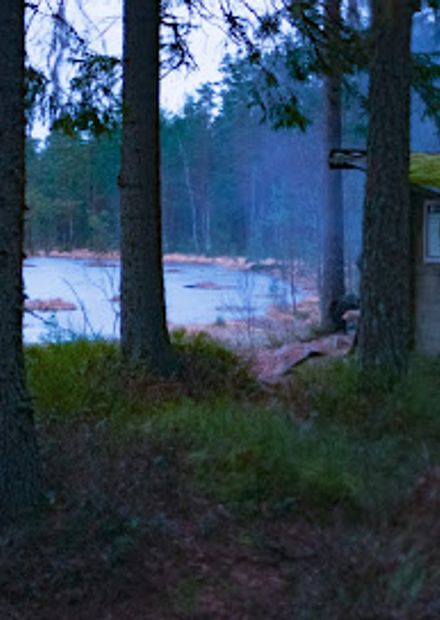
Ormdalen travel guide
A compact, moss‑draped post‑glacial valley near Skinnskatteberg—steep ravines, old forest, a short loop trail and a quiet pond with a wind shelter.
Tell me more about OrmdalenMore to explore near Ormdalen

 Best experiences near Ormdalen

 Best hotels near Ormdalen

 Best attractions near Ormdalen

 Best shops near Ormdalen

 Best bars near Ormdalen

 Best restaurants near Ormdalen
Explore more
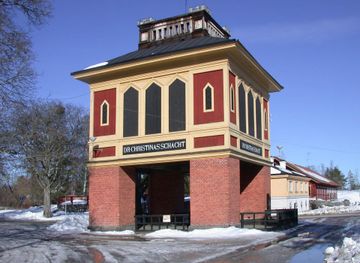
Explore more of Västmanland
Discover Västmanland: A blend of natural beauty, historical treasures, and modern attractions in the heart of Sweden.
Explore Västmanland
Getting your guide ready…
We are putting together a fresh copy of the Ormdalen guide. This can take up to a minute.
This can take a few moments. If your browser asks, choose Allow so the download can start. You'll find the guide in your Downloads folder.
Nothing happened? Download it again
Sorry, the guide is taking longer than usual. Please try again in a minute, or get it by email instead.